NFPA 52 Section 10.1 Scope: Outdoor Installation of CNG Station Equipment
Quick Answer: NFPA 52 Section 10.1 defines what the standard covers for outdoor CNG station equipment, including equipment placement, installation intent, and how systems interface in an outdoor environment. The scope language guides design, commissioning, inspection, and ongoing compliance for commercial facilities.
For teams building a stronger compliance workflow around this kind of field condition, fire protection services in Southern California can help connect inspection planning, deficiency correction, and documentation support into one practical service path.
What does NFPA 52 Section 10.1 cover for outdoor CNG stations?
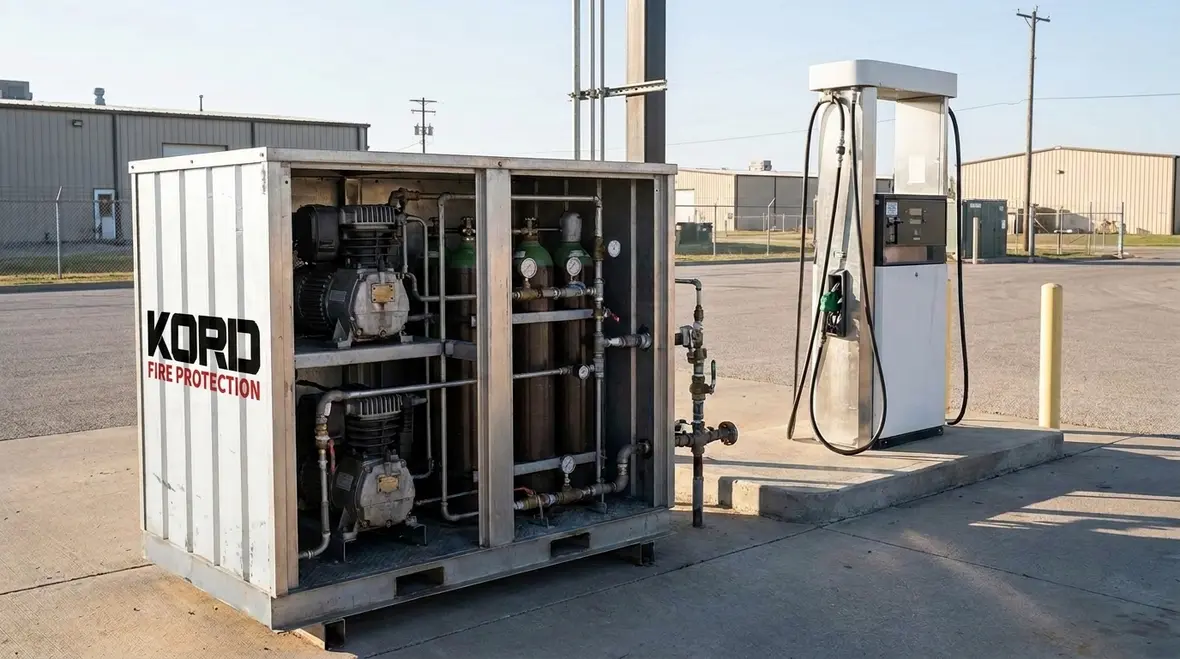
The NFPA 52 outdoor CNG station installation scope in Section 10.1 focuses on the installation of CNG station equipment located outdoors. It establishes the boundaries for applying the technical requirements throughout the station layout, supporting systems, and associated outdoor components. For owners and facility managers, this matters because the outdoor environment drives practical failure modes such as corrosion, weather exposure, mechanical impact, and ignition risk from releases.
Commercial and industrial CNG stations typically operate with tight uptime expectations, and compliance gaps often appear during commissioning and later maintenance when procedures drift from the original intent. A clear understanding of Section 10.1 scope helps the facility team align design documents, inspection checklists, and contractor work plans before problems become operational incidents.
Why scope matters in real commercial installations
Section 10.1 scope does not simply define “where” equipment exists. It also clarifies “which station equipment” falls under the standard’s installation requirements when the equipment serves an outdoor CNG fueling function. In practice, that affects several high-impact operational areas:
- Equipment interfaces: Outdoor piping runs connect to valves, regulators, metering devices, and dispensers, so a scope misunderstanding can lead to incomplete protection or unverified workmanship.
- Protection from ignition sources: Outdoor electrical and mechanical components must match the hazards created by potential natural gas releases.
- Environmental durability: UV exposure, moisture, and temperature cycling influence component selection and long term integrity.
- Maintenance access: If the installation does not support safe access for leak checks, functional testing, and component replacement, inspections become less effective and more expensive.
Commercial facility standards often require documented inspection intervals and traceable maintenance records. NFPA 52 scope alignment supports stronger audit outcomes and reduces the likelihood of repeat findings across compliance seasons.
How outdoor conditions change installation and inspection priorities
Outdoor CNG station equipment operates in a risk environment that differs from indoor installations. Facility teams should treat the NFPA 52 outdoor CNG station installation scope as an organizing framework for inspecting both equipment condition and installation workmanship.
Typical outdoor installation considerations
- Corrosion control and coating integrity: Failures often show up as coating breakdown, pitting, and loosened supports near splash zones or trapped moisture.
- Physical protection: Impact from vehicles, carts, maintenance equipment, or debris can damage valves, tubing, and cabinet components.
- Weather sealing and water intrusion: Water ingress into electrical enclosures or control interfaces can create nuisance faults, delayed detection, or hidden degradation.
- Temperature cycling: Repeated thermal expansion and contraction can relax fittings or stress supports, especially where long runs are anchored improperly.
Inspection and functional verification focus points
When facilities apply Section 10.1 scope correctly, inspections concentrate on evidence that the installation supports safe operation:
- Leak detection readiness: The installation must support planned leak checks and quick identification of potential release points.
- Component labeling and readability: Outdoor exposure can degrade labels; unreadable markings reduce the effectiveness of emergency response and technician troubleshooting.
- Valve and regulator accessibility: Technicians need safe access paths for verification and adjustment where permitted.
- Support and alignment: Misalignment and inadequate anchorage can increase wear at threaded connections and flexible transitions.
For commercial, industrial, and retail operators, the practical compliance challenge is not only “does it meet the code today,” but “can the facility reliably maintain that standard in the field.” Kord Fire Protection supports ongoing compliance by helping teams plan inspection procedures, maintenance verification, and documentation practices that stand up during audits and operational reviews.
Operational mechanisms you should understand under the scope
Section 10.1 scope ties to how outdoor station components function as an integrated system. Understanding these mechanisms helps the facility team spot common failure points before they become outages or safety events.
Release pathways and ignition control
Outdoor CNG equipment introduces potential release pathways at connections, valves, regulators, metering interfaces, and dispenser-related components. The installation must ensure that release risk is managed through proper component compatibility, secure connections, and the correct separation and protection from ignition sources.
Flow control and pressure management integrity
Outdoor stations rely on pressure regulation and controlled flow during fueling. Installation workmanship and environmental durability directly influence regulator performance and valve seating integrity. Over time, thermal cycling and contaminants can contribute to performance drift, leading to abnormal operation that must be detected through functional verification.
Electromechanical and control survivability outdoors
Outdoor equipment includes interfaces that support monitoring, interlocks, and fueling operations. If enclosures, conduit routing, and sealing practices do not reflect outdoor conditions, the station may experience intermittent faults that delay leak detection response or complicate troubleshooting during peak retail or fleet demand.
If your organization needs a practical compliance framework for these operational mechanisms, Kord Fire Protection can support by aligning inspection planning and maintenance verification with how the station actually operates.
Common compliance gaps related to NFPA 52 outdoor CNG station installation scope
Facilities typically encounter recurring issues that trace back to installation scope interpretation, documentation, and maintenance execution. The most common patterns include:
- Scope coverage missed in change management: Construction revisions, equipment swaps, or vendor substitutions sometimes occur without updating the compliance basis documents.
- Environmental protection not maintained: Coatings, seals, and physical guards degrade over time and receive insufficient inspection attention.
- Inspection routes do not match real access needs: Maintenance staff bypass steps because access paths are blocked or unsafe, reducing the effectiveness of required checks.
- Incomplete test evidence: Facilities may perform checks but fail to produce consistent, auditable records that show the system stayed within acceptable parameters.
For targeted guidance on commercial fire protection planning and compliance readiness, operators often benefit from pairing NFPA based requirements with structured service programs. Kord Fire Protection helps commercial sites build repeatable field processes that reduce uncertainty at commissioning and during recurring inspections. For additional resources, see Kord Fire Protection.
Frequently Asked Questions
Call to action
Review your station documentation and maintenance plans against NFPA 52 Section 10.1 requirements for the outdoor portion of the fueling system. Then align inspection checklists, access routes, and recordkeeping to match how the equipment operates in the field. If you want ongoing support for commissioning readiness, recurring inspection support, and maintenance verification, contact Kord Fire Protection to build a practical compliance program for your commercial site.

Join Our Newsletter!
Get the latest fire safety tips delivered straight to your inbox From our Newsletter.