
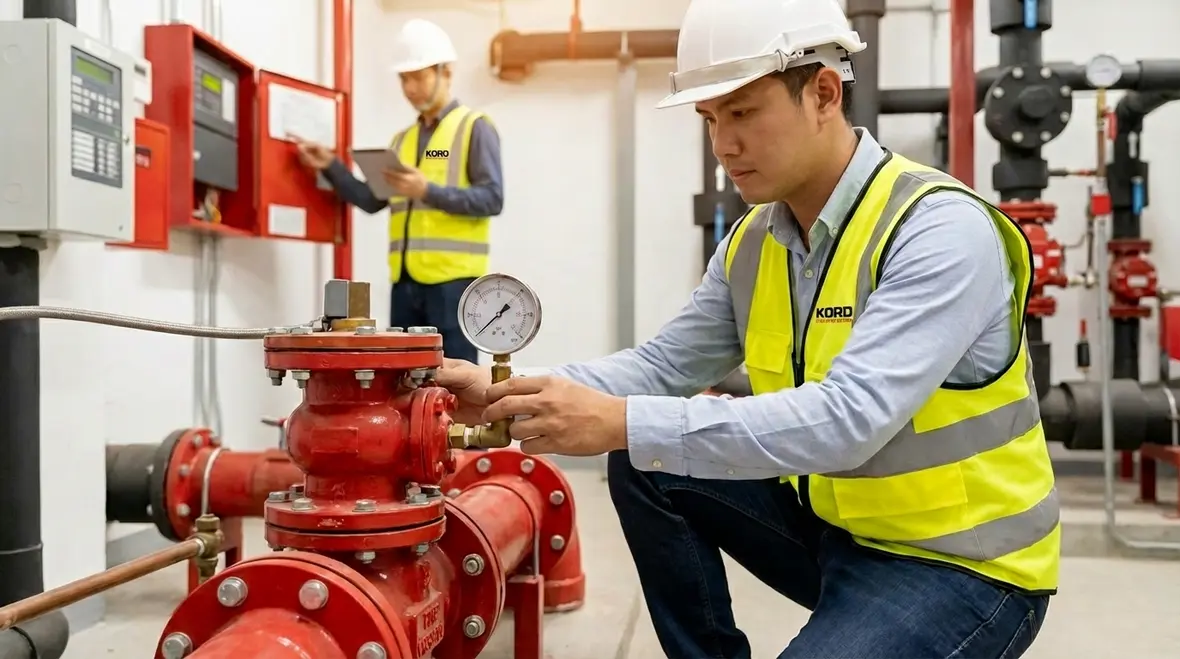
ITM Fire Protection Inspection Testing Maintenance
When it comes to it m inspection testing maintenance fire protection, most people nod politely and hope someone else handles it. However, in the world of life safety, hope is not a strategy. ITM, which stands for Inspection, Testing, and Maintenance, forms the backbone of every reliable fire protection system. Without it, sprinklers become expensive ceiling jewelry and alarms turn into decorative wall art. Kord Fire Protection technicians often explain it this way: a fire system is only as strong as its last inspection. Therefore, understanding ITM is not just helpful. It is essential for protecting lives, property, and peace of mind.
ITM Meaning in Fire Protection Explained Clearly
ITM stands for Inspection, Testing, and Maintenance. Although the phrase sounds technical, the idea is simple. Fire protection systems must be checked, tested, and maintained on a regular schedule to ensure they work when needed.
Inspection: Catching Problems Before They Grow
Inspection involves visually examining equipment. Technicians look for damage, corrosion, leaks, obstructions, or anything unusual. For example, a sprinkler head covered in dust or paint cannot respond properly to heat. Therefore, inspections catch small issues before they grow.
Testing: Proving Systems Actually Work
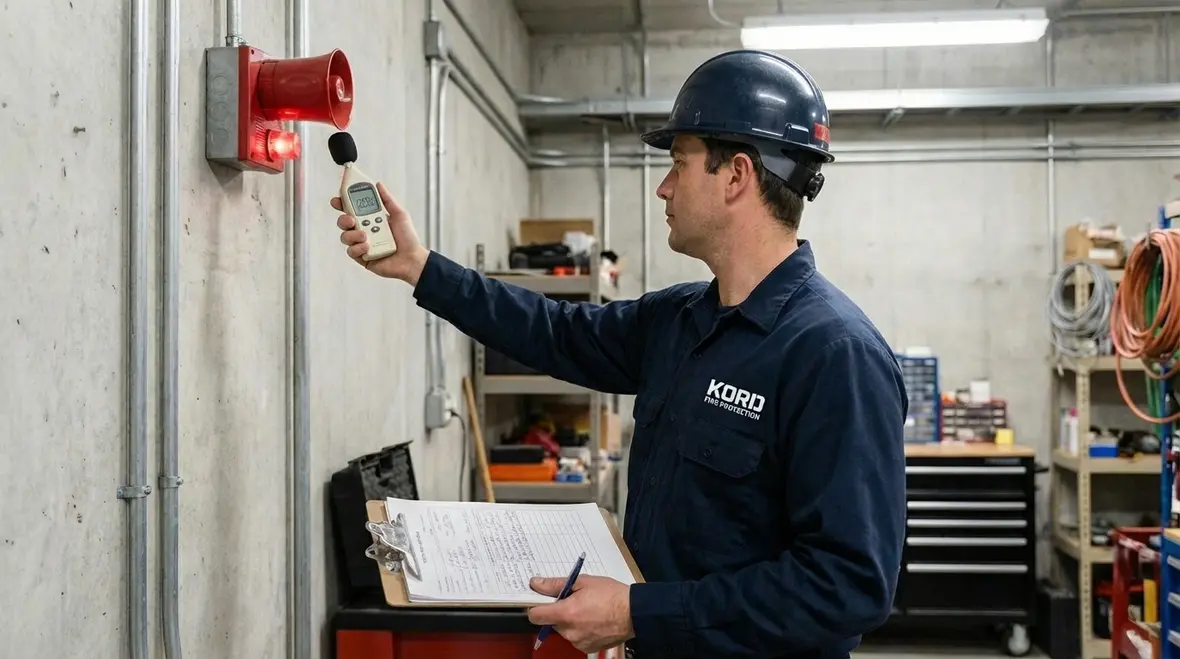
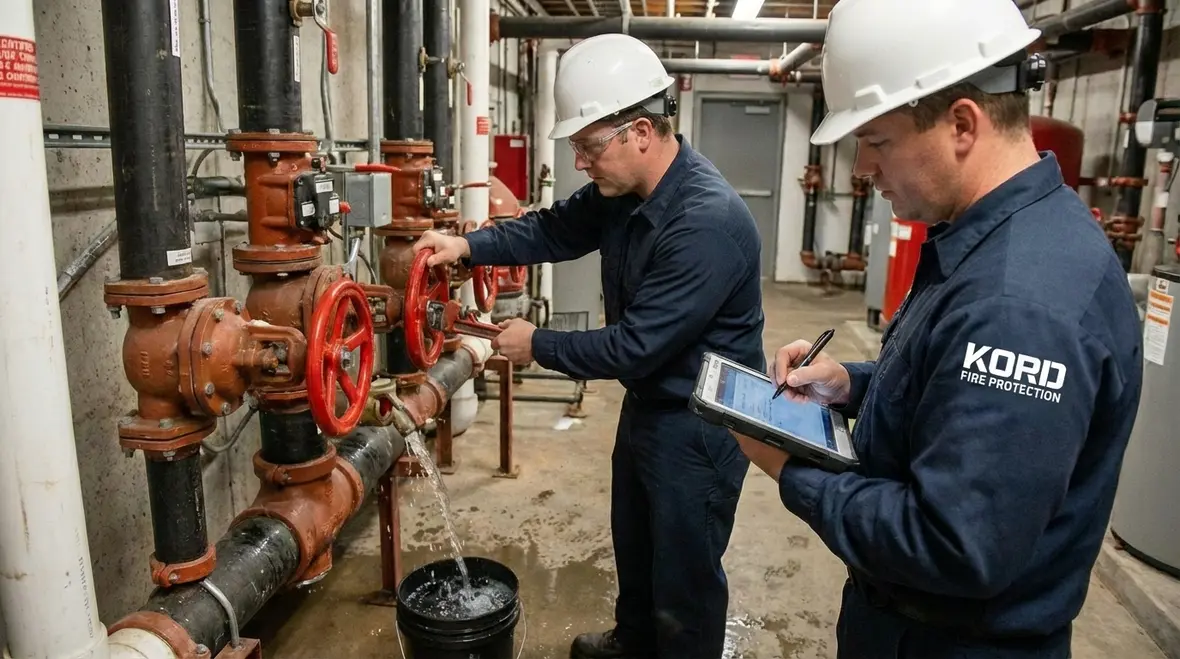
Testing goes a step further. Instead of just looking at components, professionals activate or simulate operation. They may flow water through a sprinkler system, test alarm signals, or check pressure levels. Consequently, testing confirms that each component performs as designed.
Maintenance: Restoring Full Readiness
Maintenance includes repairing or replacing parts that fail inspection or testing. This may involve changing valves, replacing gauges, or fixing control panels. In other words, maintenance restores the system to full working order.
Kord Fire Protection technicians often compare ITM to regular health checkups. One would not skip a doctor visit for years and expect perfect health. Similarly, a building cannot ignore its fire systems and expect flawless performance in an emergency.
Why Inspection, Testing, and Maintenance Is Non Negotiable
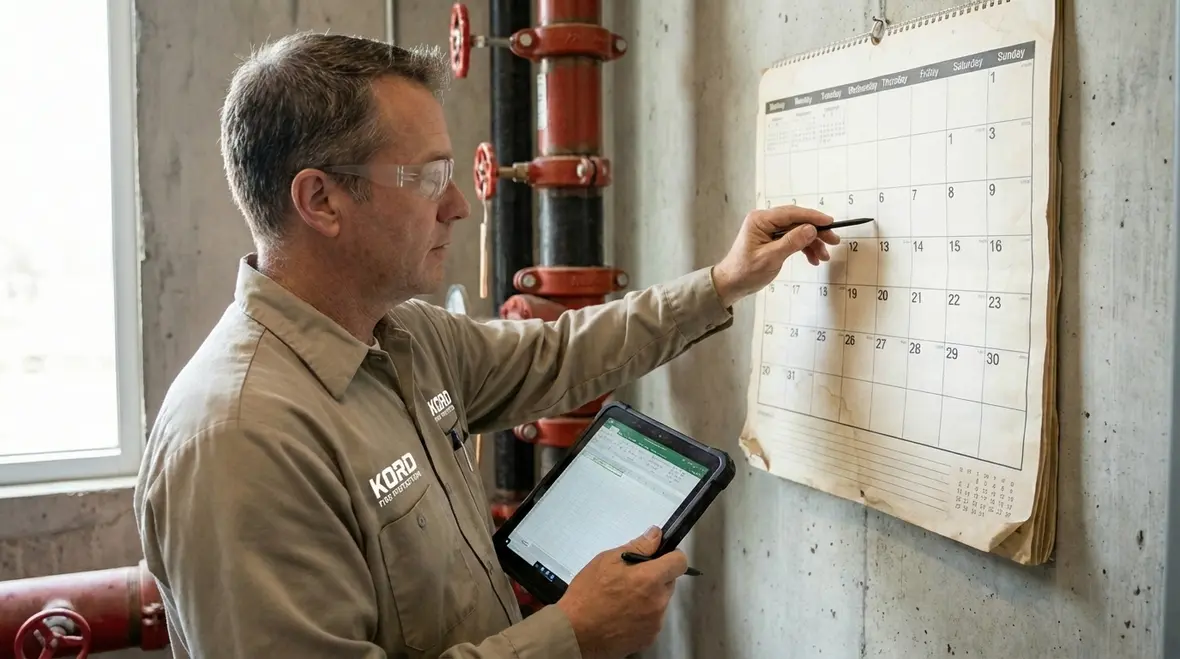
Fire does not send a calendar invite. It does not wait for a convenient time. Therefore, fire protection systems must remain ready every day.
Code Compliance, Reduced Liability, Fewer Surprises
First, ITM ensures compliance with codes and standards. Organizations such as NFPA set strict requirements for inspection and testing schedules. Consequently, building owners who follow these guidelines reduce legal risk and avoid costly fines. Kord Fire Protection’s full fire protection services are built around these code-driven ITM schedules so properties stay inspection-ready year-round.
Protecting Lives When Seconds Matter
Second, ITM protects lives. A malfunctioning alarm delays evacuation. A closed control valve prevents water from reaching a fire. These small oversights can lead to major consequences. However, regular inspection and testing dramatically reduce those risks.
Protecting Your Investment and Insurance Position
Third, consistent maintenance protects investments. Fire damage can shut down operations for months. In contrast, routine service costs far less than rebuilding after a catastrophic loss. As Kord Fire Protection technicians explain to clients, it is far cheaper to tighten a valve today than to replace a building tomorrow.
Moreover, insurance carriers often require documented ITM activity. Without records, claims may become complicated. Therefore, detailed documentation is not just paperwork. It is protection.
How Often Should Fire Protection Systems Be Inspected and Tested?
This is the question property managers type into search engines at 2 am. The answer depends on the system and applicable codes. However, certain general timelines apply.
Typical Sprinkler ITM Frequencies
- Monthly inspections of control valves and gauges.
- Quarterly inspections of alarm devices and supervisory signals.
- Annual testing of waterflow devices and full system components.
- Five year internal pipe inspections to check for obstruction or corrosion.
Alarm, Extinguisher, and Other Fire Protection ITM
Fire alarm systems typically require annual testing of devices, batteries, and communication pathways. In addition, extinguishers need monthly visual checks and annual professional service. Kord’s fire extinguisher inspection, testing, and maintenance programs are built specifically around these NFPA-driven requirements.
Although that may sound like a lot, each step plays a specific role. For instance, a monthly glance at a pressure gauge can reveal a slow leak long before it becomes a system failure. Therefore, frequency is not overkill. It is prevention.
Kord Fire Protection technicians guide clients through these schedules. They translate code language into clear action steps. As a result, building owners know exactly what to expect and when.
What Happens During a Professional ITM Service Visit?
During a typical service visit, technicians follow a structured process. First, they review past reports. This helps them identify recurring issues or previously noted concerns. Then, they begin the inspection phase.
Step 1: Thorough Inspection
They check valves to confirm proper position. They examine sprinkler heads for corrosion, loading, or damage. They verify that alarm panels show normal status. Additionally, they inspect piping for leaks or mechanical damage.
Step 2: Functional Testing
Next comes testing. Technicians may conduct a main drain test to evaluate water supply. They may also activate waterflow switches to confirm alarm transmission. In alarm systems, they test initiating devices and notification appliances to ensure signals reach monitoring centers.
Step 3: Maintenance and Documentation
Finally, they perform necessary maintenance. If a component fails, they repair or replace it. They document everything carefully. Therefore, building owners receive clear records that demonstrate compliance.
Kord Fire Protection technicians often say they prefer controlled tests over uncontrolled emergencies. After all, it is much better to hear a siren during a scheduled inspection than during an actual fire.
ITM Meaning in Fire Protection for Building Owners and Managers
For building owners, ITM is more than a technical requirement. It is a management responsibility.
Keeping Systems Accessible and Obstruction-Free
Owners must ensure systems remain accessible. Storage should not block sprinkler heads. Electrical panels must remain reachable. Furthermore, staff should know how to report issues immediately.
Documentation, Budgets, and Planning Ahead
Managers also need organized documentation. Inspection reports should be stored securely and available for review. During audits or insurance evaluations, quick access to records saves time and stress.
In addition, budgeting for routine service prevents surprise expenses. Planned maintenance spreads costs over time. In contrast, emergency repairs often come with premium pricing and operational disruption.
Kord Fire Protection technicians frequently educate facility teams. They explain not just what they are doing, but why it matters. That clarity builds trust. It also turns compliance from a burden into a shared mission.
Common ITM Failures and How They Are Prevented
Even well designed systems can fail without proper care. However, most failures share common causes.
- Closed valves remain one of the leading issues. Sometimes someone shuts a valve for maintenance and forgets to reopen it. Regular inspections catch this quickly.
- Corrosion inside pipes can restrict water flow. Five year internal inspections identify buildup before it blocks discharge.
- Dead alarm batteries reduce system reliability. Scheduled testing ensures backup power functions during outages.
- Painted sprinkler heads may look tidy, yet paint interferes with heat sensitivity. Visual inspections spot this issue immediately.
Interestingly, many of these problems result from simple oversight. Therefore, structured inspection, testing, and maintenance in fire protection closes the gap between intention and performance.
As one Kord technician joked during a walkthrough, a sprinkler head is not a canvas. Picasso had his moment. The sprinkler just needs to spray water.
ITM Responsibilities at a Glance
The following overview highlights how duties are shared between property owners and certified technicians.
Property Owner Responsibilities
- Ensure systems remain unobstructed
- Provide access for inspections
- Maintain documentation records
- Address reported deficiencies promptly
- Budget for routine service
Technician Responsibilities
- Perform code compliant inspections
- Conduct required functional tests
- Identify deficiencies clearly
- Complete necessary maintenance
- Provide detailed reports
Because both sides play a role, communication becomes critical. When owners and technicians collaborate, systems stay reliable and compliant.
The Long Term Value of Consistent ITM Programs
Consistency defines successful fire protection strategies. Although a single inspection adds value, a long term program creates real security.
Over time, technicians become familiar with a facility. They notice subtle changes. They recognize patterns. Consequently, they can predict issues before they escalate.
Moreover, consistent documentation builds a defensible history of care. If an incident occurs, detailed ITM records demonstrate due diligence. That evidence can prove invaluable.
From a financial perspective, routine service extends equipment life. Components that receive proper maintenance last longer and perform better. Therefore, replacement cycles become more predictable and less disruptive.
Kord Fire Protection technicians approach each property as a partnership. They do not simply check boxes. Instead, they build ongoing relationships focused on readiness. Because when alarms sound, performance matters more than promises.
Frequently Asked Questions
Protect What Matters Most
Fire protection systems stand silently in the background, waiting for a moment everyone hopes never comes. Yet hope alone is not protection. Through disciplined inspection, testing, and maintenance, buildings stay ready and lives stay safer. Kord Fire Protection technicians bring clarity, experience, and steady hands to every service visit.
Therefore, do not leave readiness to chance. Schedule professional ITM services today and ensure every alarm, valve, and sprinkler stands prepared to perform. To coordinate inspections, testing, and ongoing care across all your systems, explore Kord’s comprehensive fire protection services or contact the team directly to request a tailored ITM program for your facility.
Know Your Weapon Before You Fight the Flame
Kord Fire Protection is your go-to when it comes to all things fire protection. For over 20 years, we’ve been serving Southern California with the quality service and equipment to keep your home or business safe at all times. Our competitive prices reflect our unwavering commitment to protecting what matters most in the event of a fire emergency. Give us a call, send an email, or use that form!

Join Our Newsletter!
Get the latest fire safety tips delivered straight to your inbox From our Newsletter.


