
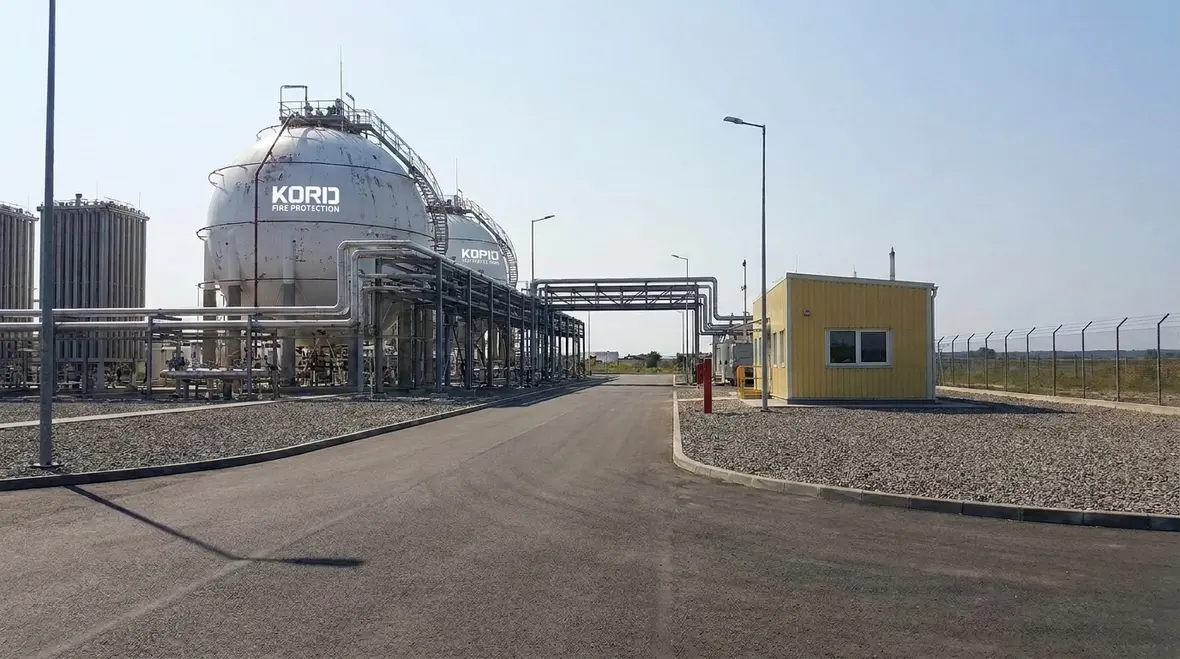
NFPA 52 Section 19.7: Separation Distances for LNG Facilities
Quick Answer
NFPA 52 Section 19.7 establishes how LNG facilities manage distances to protect people, property, and critical infrastructure from LNG fire, jet fire, and vapor hazards. These NFPA 52 LNG facility separation distance requirements drive siting, facility layout, and ongoing compliance verification.
For teams building a stronger documentation trail around inspection readiness, fire safety system documentation for compliance is a practical companion to LNG separation compliance because spacing only works when the protective features and records behind it stay current.
Why NFPA 52 Section 19.7 separation distances matter in real projects
Separation distances under NFPA 52 Section 19.7 do more than dictate where equipment can be placed. They influence how commercial and industrial owners design access routes, locate relief handling strategies, manage vapor dispersion assumptions, and plan protective measures such as shielding and barriers. In day-to-day operations, these requirements also shape maintenance access, inspection scheduling, and the risk profile of adjacent land uses.
From a compliance perspective, separation distance compliance failures commonly emerge during scope changes. Examples include a new retail canopy or loading zone built closer to an existing LNG system, utility relocations that shorten clearances, or operational modifications that change the hazard behavior assumptions. Owners and safety teams therefore need separation distance requirements to remain verifiable over time, not only at commissioning.
What NFPA 52 Section 19.7 is trying to control
NFPA 52 separation distances support three primary hazard control goals:
- Thermal impact management: Limits the heat flux and radiation exposure risk from LNG fires.
- Jet fire and impingement protection: Reduces credible outcomes of high energy release scenarios affecting adjacent structures and occupied areas.
- Vapor hazard mitigation: Helps maintain safe conditions by controlling how vapor disperses and how ignition sources can become involved.
In practice, the required separation distances become a planning framework for facility layout decisions such as tank placement, cryogenic piping routing, transfer connections, and the positioning of enclosures, vents, and emergency relief discharge points.
How facilities apply separation distances: from siting to layout to operations
1) Siting and layout decisions that get locked early
Commercial sites rarely start with ideal assumptions. Parking lots, street setbacks, building footprints, and future expansion space often already exist. When owners apply NFPA 52 LNG facility separation distance requirements, teams should document the governing points used for distance measurement, including the locations of likely release sources and the receptor boundaries for exposure assessment.
Key layout elements commonly addressed under Section 19.7 separation logic include:
- Liquefied natural gas storage components and appurtenances.
- Cryogenic piping and connections used for transfer operations.
- Relief discharge routing and its effects on downstream heat and vapor exposure.
- Adjacent buildings, property lines, and occupied structures.
2) Operational changes that unintentionally erode compliance
Separation distances remain valid only when the physical layout and hazard assumptions remain consistent. Common real world failure points include:
- Construction creep: New structures or improvements built closer than the original distance analysis supported.
- Equipment replacement: Like for like replacements that change dimensions, vent locations, or discharge elevation.
- Weathering and deterioration: Corrosion or insulation degradation that shifts credible release behavior, requiring reassessment of credible hazard outcomes.
- Modified transfer practices: Changes to transfer frequency, flow rates, or transfer equipment can affect release scenario credibility.
3) Maintenance access and inspection routes
Even when distances remain correct, maintenance activities can introduce inspection and operational risks if the facility layout restricts safe access. Separation distance compliance becomes easier to maintain when the facility design supports:
- Safe approach routes for emergency response and maintenance staff.
- Unobstructed inspection points for piping, supports, insulation systems, and relief components.
- Clear pathways to reach isolation valves and transfer equipment without stepping into prohibited exposure zones.
Compliance verification: inspections, documentation, and recurring proof
NFPA 52 separation distance compliance depends on both engineered layout and ongoing verification. Owners typically need a system that ties drawings to current site conditions and keeps evidence audit ready.
What to verify during inspections
- Physical distances: Confirm site features and receptor points have not changed due to construction, landscaping updates, temporary structures, or modifications to neighboring properties.
- Relief and vent discharge behavior: Ensure discharge terminations remain in the designed locations and are not blocked, redirected, or compromised by alterations.
- Integrity of cryogenic systems: Validate that insulation, supports, and corrosion control measures remain effective, since degradation can increase release frequency or consequence.
- Control of ignition sources: Separation distance planning must work together with ignition source management and exclusion zones.
How documentation should be structured
Auditable compliance documentation usually includes:
- Current site plan with receptor boundaries and measurement points clearly identified.
- Separation distance analysis records demonstrating how hazards and exposures were evaluated.
- Change management logs tying field changes to safety assessments.
- Maintenance and inspection records for system integrity that supports the continued validity of the original risk basis.
For owners operating across multiple assets, the most effective approach connects separation distance evidence to a broader inspection and maintenance program. Kord Fire Protection supports commercial facilities with ongoing compliance testing, inspection readiness, and maintenance documentation workflows designed to keep safety-critical systems verifiable.
Common commercial and retail compliance challenges with LNG separation distances
Separation distance requirements often collide with real estate constraints. Retail and mixed use sites frequently add complexity through shared access roads, frequent minor construction, and dense occupancy patterns.
- Tenant and contractor changes: New vendors, staging practices, and temporary structures can inadvertently reduce safety margins around established boundaries.
- High visibility areas: Public-facing areas create pressure to place amenities close to process systems, increasing scrutiny during safety reviews.
- Seasonal and maintenance impacts: Landscaping, snow management, and equipment cleaning can obstruct designed paths or alter conditions affecting credible scenarios.
- Utility coordination: Relocations for telecom, lighting, and electrical upgrades can change the site plan enough to trigger a reassessment.
These challenges make it important to treat NFPA 52 Section 19.7 separation distances as an actively managed compliance requirement rather than a one time design deliverable. When owners maintain a disciplined change control process and schedule periodic verification, the facility remains audit ready.
Partnering with Kord Fire Protection for ongoing readiness
LNG separation distance compliance requires alignment across engineering, operations, maintenance, and fire protection systems. Kord Fire Protection helps commercial stakeholders strengthen that alignment by supporting inspection planning, testing readiness, and maintenance documentation that supports continued compliance over the facility lifecycle.
If your organization is updating drawings, preparing for an audit, or managing post construction changes, Kord Fire Protection can help ensure your evidence package and safety practices remain consistent with your separation distance basis. Learn more via fire suppression inspection guidance or Kord Fire Protection.
Frequently Asked Questions
Conclusion and next steps
NFPA 52 Section 19.7 separation distances protect facilities, people, and operations by controlling credible LNG hazard impacts. Owners should lock the measurement basis early, then continuously verify it through change control, inspection readiness, and maintenance documentation. If your LNG facility is undergoing upgrades or you need to confirm ongoing compliance, contact Kord Fire Protection to strengthen your testing, inspection, and evidence package so your NFPA 52 LNG facility separation distance requirements remain defensible.

Join Our Newsletter!
Get the latest fire safety tips delivered straight to your inbox From our Newsletter.


