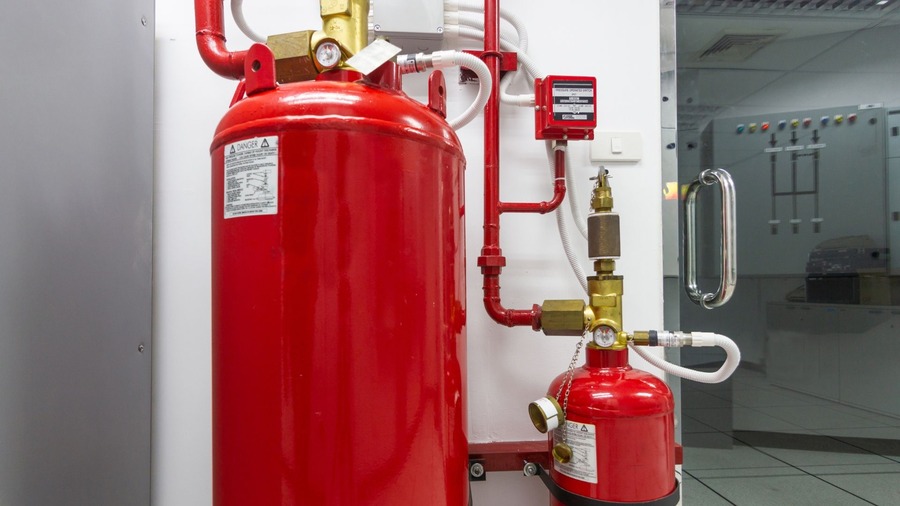
Fire Suppression Inspection Southern California Guide
Fire Suppression Inspection Southern California: What Southern California Facilities Must Know
In Southern California, fire codes do not take days off, and neither should fire protection teams. A fire suppression inspection southern california needs to happen on a schedule, with checks that prove systems will work when smoke, heat, and chaos show up. Because inspections affect compliance, insurance, and safety, facilities should plan them early and document everything like it matters, because it does. And yes, it does feel a little like getting your car checked, except the consequences are bigger and the stakes burn hotter.
So, this guide breaks down the real requirements, what inspectors look for, and how Kord Fire Protection can become a vital partner when the next inspection window arrives. For facilities operating in and around Los Angeles, Kord Fire’s Fire System Inspection Requirements Los Angeles guide offers added local context that connects system inspections with broader code expectations.

Why inspections matter in Southern California
Fire suppression systems protect people and property, but they only protect when they work. Over time, components can shift, valves can stick, nozzles can clog, and electrical devices can drift out of calibration. Therefore, routine inspections catch issues before they become costly failures. Meanwhile, local fire authorities and insurers look closely at documentation, test results, and maintenance records.
Southern California also brings its own challenges. Dust, heat cycles, and coastal humidity can add wear to equipment. Consequently, a well run inspection program becomes more than a checklist. It becomes a risk management plan that keeps life safety systems reliable. That is why many property teams pair scheduled suppression reviews with broader service planning through Kord Fire’s full fire protection services page, especially when multiple systems need attention under one roof.
Inspections are about readiness, not paperwork theater
Nobody wants a binder full of reports that looks impressive while the actual system quietly develops problems above the ceiling or behind equipment. A smart inspection process turns paperwork into proof. It shows what was checked, what passed, what did not, and what needs follow up before a minor issue becomes a very expensive surprise.
Common fire suppression systems that require inspection
Most facilities in the region use one or more of the following system types. Each has its own inspection rhythm and testing needs, so the right plan starts with identifying what is installed.
- Water based systems such as sprinkler systems, including wet, dry, and preaction setups
- Specialty sprinkler systems for specific hazards like storage racks or high piled storage
- Clean agent systems for areas where water damage must be minimized
- Foam or foam water systems for flammable liquid risks
- Kitchen hood suppression systems for commercial cooking operations
When facilities plan a fire suppression inspection southern california service, they should confirm which system components exist and which standard applies. Otherwise, people can end up inspecting the wrong equipment, and nobody wants that kind of surprise during a review. If a building includes sensitive electronics, server rooms, archives, or control equipment, teams may also need specialized support like Kord Fire’s clean agent fire suppression Southern California services.

System type changes the inspection rhythm
This is where facilities sometimes get tripped up. One site may have a sprinkler system protecting the general structure, a kitchen suppression system protecting cooking operations, and a clean agent system protecting a critical room. Those are not interchangeable, and the inspection process is not copy paste. Each system has to be reviewed in a way that fits its design, risk, and operational role.
Key inspection requirements facilities should expect
Requirements vary based on system type, occupancy, and what local authorities enforce. However, a solid inspection program typically follows a structured approach that includes visual checks, functional testing where required, and verification of alarms and control components. In addition, inspectors must verify pressure readings, condition of piping, and signs of corrosion or physical damage.
In practice, a compliant inspection often includes:
- Verification of system operational status and alarm interfaces
- Physical inspection of valves, gauges, and accessible piping
- Assessment of blockage risk around sprinkler or nozzle areas
- Review of tamper switches and supervision signals
- Documentation of findings, corrective actions, and follow up dates
Also, technicians usually verify that labels, markings, and monitoring devices remain readable. If building staff changed layouts, moved storage, or added partitions, suppression coverage can be impacted. Therefore, inspection teams should confirm that the system still matches the current use of the space.
Coverage changes are a sneaky problem
Facilities evolve faster than safety plans sometimes do. Racks get taller. Offices become storage rooms. Equipment appears where open clearance used to exist. A suppression system that matched the space perfectly two years ago can become less effective simply because the building changed around it. That is one more reason regular inspections need sharp eyes, not autopilot.
How often inspections and maintenance occur
Most fire suppression programs do not use a one size fits all schedule. Instead, they rely on different intervals for inspection, testing, and maintenance, based on the system and its components. As a result, a facility can have monthly checks for certain devices, annual inspections for key functional elements, and periodic maintenance for specific hardware.
Facilities should also track what was done last, because repeat findings can point to an underlying issue. For example, the same valve trouble or the same access obstruction may show up across multiple visits. Then the fix is not just “try again.” It is to address the root cause through maintenance, adjustments, or hardware replacement.
Teams that operate in Los Angeles often benefit from comparing inspection timing across local guidance, including Kord Fire’s Fire Inspection Frequency LA Requirements Guide and the more specific Regulation 4 Los Angeles 2026 Fire System Guide. Both help explain why one building can have several overlapping inspection intervals without anybody making it up as they go.
What inspectors document during a fire protection visit
During a professional visit, the inspection becomes more than looking around and nodding. Inspectors verify system readiness, capture evidence, and create a record that supports compliance. That means accurate reporting, clear corrective action descriptions, and proper tracking of completed work.
Facilities should expect documentation such as:
- Inspection reports that list each system and component checked
- Test results, pressure readings, and alarm verification outcomes
- Photos of accessible components and any observed defects
- Deficiency notes with clear next steps and responsible parties
- Maintenance logs that show when items were serviced or replaced
At this point, the business side matters too. A good report helps with internal audits, insurer reviews, and plan updates after renovations. Without it, teams can lose time chasing paper, and that is how small issues turn into expensive headaches. Nobody needs a fire system that is “probably fine.” In this world, they either work or they do not.
Good documentation speeds up the next visit
The better the records, the smoother the next inspection cycle becomes. Clear reports help technicians see recurring issues, confirm completed repairs, and avoid repeating the same detective work every time. That saves time, reduces confusion, and gives managers something better than crossed fingers when an auditor or insurer asks questions.
Dual column view: inspection focus and typical red flags
| Inspection focus | Typical red flags |
|---|---|
| Valve supervision and tamper status | Missing seals, unexplained device alerts, or inactive monitoring |
| Sprinkler and nozzle condition | Obstructions, paint overspray, dust buildup, corrosion, or damage |
| Pressure and gauge accuracy | Erratic readings, locked gauges, or unreadable indicators |
| Alarm interface and notification devices | Inconsistent signal behavior, wiring issues, or nuisance faults |
| Accessible coverage and layout match | New storage, partitions, or equipment that blocks coverage |
How Kord Fire Protection supports compliance and real world readiness
Local requirements can feel detailed, but a great partner helps facilities stay calm when the inspection clock starts ticking. Kord Fire Protection works with building teams to plan inspections, manage corrective actions, and keep documentation organized so compliance does not turn into a last minute scramble.
Because fire protection systems live inside real buildings, not spreadsheets, Kord can also support the practical side. For example, when a facility changes a layout, adds racks, or updates electrical monitoring, the suppression approach may need attention. Then a responsive partner can help align the system with the current environment.
Think of it like having a trusted co pilot. The facility still drives, but Kord helps navigate the inspection process without taking off at night, in fog, with a “hope it works” attitude. That is not engineering. That is gambling, and gambling burns money and time.
For facilities that want one team handling inspection readiness, repairs, and broader system support, Kord Fire’s full fire protection services page is a practical next stop. If the priority is specifically sprinkler performance and correction of deficiencies, the fire sprinkler services and repair page is a strong service-focused resource to review near the end of your planning process and before you book work.
FAQ: Fire suppression system inspections
Conclusion: Plan your next inspection with a partner that moves
Fire suppression inspection southern california requirements demand planning, documentation, and follow through, not guesswork. When facilities build an inspection schedule early, address findings fast, and keep records organized, they protect lives and reduce risk. Kord Fire Protection helps teams stay ready by coordinating the right checks, supporting corrective action, and keeping compliance clear.
If your inspection window is approaching, contact Kord Fire Protection now and get a plan that turns stress into steady progress. Start with fire sprinkler services and repair or explore full fire protection services to coordinate inspections, repairs, and long term readiness with one responsive team.

Join Our Newsletter!
Get the latest fire safety tips delivered straight to your inbox From our Newsletter.