NFPA 52 Section 19.6: LNG Supplemental Siting and Construction Requirements
Quick Answer: NFPA 52 Section 19.6 sets practical supplemental siting and construction expectations for LNG installations and related components. It focuses on hazard control through separation, construction durability, ignition source management, and verifiable installation and readiness for ongoing operation.
For a broader look at inspection readiness, testing, and preventive maintenance support, review Kord Fire Protection’s fire protection services near the start of your planning process.
What NFPA 52 Section 19.6 is designed to control
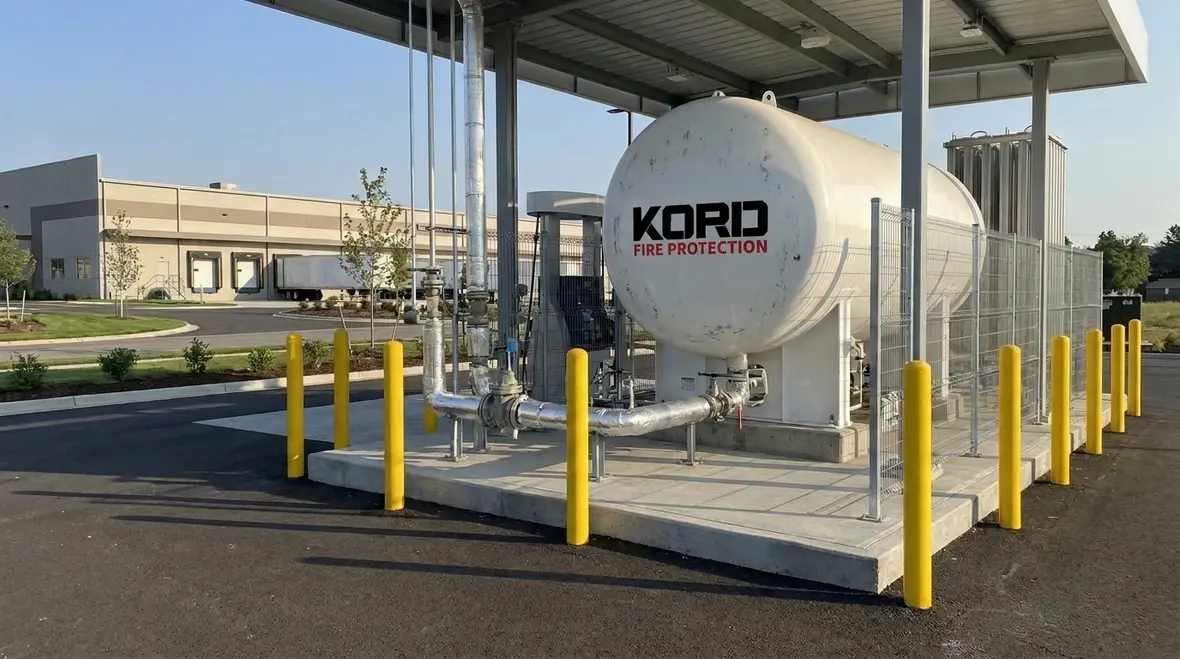
NFPA 52 Section 19.6 addresses supplemental siting and construction requirements that help prevent LNG releases from escalating into fire, explosion, or unacceptable off site impacts. In commercial and industrial settings, the operational reality is that LNG systems often interface with existing buildings, traffic patterns, utilities, and maintenance access. Section 19.6 is intended to close those gaps by requiring construction decisions that account for cryogenic hazards, vapor release behavior, and the limitations of typical facility controls.
From a compliance perspective, NFPA 52 LNG supplemental siting construction requirements are not only about where equipment sits. They also govern how components are built, protected, and made maintainable in a way that does not compromise safety during routine use.
How supplemental siting requirements change facility planning
Supplemental siting considerations typically become most visible during engineering, permitting, and early procurement. The compliance goal is to ensure that LNG related hazards remain controlled under normal operation and credible abnormal conditions.
1) Separation and interaction control with surrounding assets
Facilities often underestimate how “near” a hazard can be before operational and emergency response effectiveness declines. Supplemental siting requirements commonly drive decisions about setbacks, adjacency to buildings and occupied spaces, and pathways that influence vapor dispersion. Commercial sites with mixed occupancy, retail adjacencies, and shared loading areas require extra attention because personnel movement and service traffic can conflict with hazard control strategies.
2) Access for inspection, leak response, and maintenance
Even when siting passes initial review, real compliance failures occur later when access paths restrict inspections, inhibit safe shutdown, or delay emergency response actions. Section 19.6 expectations align with the need for practical access routes around LNG equipment and appurtenances so qualified technicians can verify condition, perform testing, and address component degradation without unsafe improvisation.
3) Construction interfaces that create ignition or exposure risks
Supplemental siting is tightly connected to construction interfaces such as pipe penetrations, cable routing, drainage and containment layouts, and enclosure boundaries. If facility standard practices ignore LNG specific requirements, these interfaces become common failure points, including damaged insulation, water intrusion, and electrical exposure that undermines the hazard reduction basis.
Construction requirements: what “compliant” looks like in the field
Construction compliance is verified through observable installation attributes, documented materials, and evidence that components will perform as intended during cryogenic conditions and potential releases.
Material durability for cryogenic operation
LNG systems experience extreme temperature swings. Construction choices must account for material compatibility at cryogenic temperatures, thermal contraction, and the long term effects of insulation performance. Non compliant substitutions or workmanship issues often show up as degraded insulation, ice formation where it should not exist, or unexpected mechanical stress at supports and connections.
Protection of piping, supports, and connections
Construction details for supports, hangers, anchoring, and flexible allowances directly impact the ability of a system to remain leak tight. Common operational problems include improper support spacing, insulation gaps at connection points, and thermal bridging that accelerates insulation breakdown.
Electrical and controls integration within hazardous areas
LNG supplemental construction requirements generally emphasize controlling ignition sources and ensuring that electrical devices, instrumentation, and wiring methods match the hazard environment and installation intent. At commercial facilities, the largest risks come from “temporary” construction changes, unverified cable routes, modifications to control cabinets, and field rework without updated documentation.
Containment, drainage, and vapor behavior alignment
Construction must support the intended containment and drainage strategy and avoid creating conditions that trap LNG or accelerate vapor ignition potential. Many compliance gaps originate from standard site grading practices, poorly designed drainage tie ins, or barriers that interfere with safe vapor dispersion and emergency response access.
If you want related reading, NFPA 52 Section 19.7: Separation Distances for LNG Facilities is a natural follow-up because it stays in the same neighborhood of planning decisions and hazard control logic.
Inspection, testing, and evidence: how compliance gets proven
NFPA 52 Section 19.6 effectively requires a compliance posture that can be verified. The practical challenge for commercial, industrial, and retail operators is maintaining consistent evidence through installation, turnover, and ongoing operation.
Documentation and commissioning evidence
Operators should expect to maintain a clean package of commissioning and acceptance documentation including installation check records, test results, and marked up drawings. Lack of traceability often triggers rework, delays, or forced outages. Commissioning evidence should specifically demonstrate that the installed arrangement matches the hazard control basis.
Inspection readiness for routine and abnormal condition verification
Because LNG systems operate in a tightly controlled hazard environment, inspections must be scheduled and performed in a way that does not undermine system integrity. A strong program checks insulation condition, signs of moisture ingress, integrity of protective coverings, component labeling, and the condition of access routes. Technicians should also verify that any changes to surrounding building operations, such as new retail foot traffic or loading bay rearrangements, do not conflict with siting assumptions.
Common failure points that drive corrective actions
- Insulation degradation at joints, supports, and penetrations that increases heat leak and accelerates icing.
- Uncontrolled ignition sources from construction changes, cable routing errors, or non compliant electrical additions.
- Containment and drainage mismatch where facility grading or drainage tie ins create unintended vapor or liquid behavior.
- Access restrictions that emerge after fit out, landscaping, or operational changes reduce inspection and emergency effectiveness.
For more on recurring deficiencies and how documentation gets reviewed in the real world, see Fire Suppression Deficiencies Found in Inspections by Kord.
Operational maintenance that sustains compliance
Compliance does not end at turnover. Supplemental siting and construction requirements must remain valid while the facility evolves. Commercial operations introduce frequent changes: tenant improvements, equipment replacements, construction staging, and updated traffic patterns.
Maintenance procedures that protect the hazard control basis
A maintenance plan should define how crews inspect and service components without compromising construction integrity. This includes clear acceptance criteria for insulation repairs, requirements for approved work practices around hazardous areas, and control of temporary equipment placements.
Change management for commercial facilities
Most compliance incidents tied to siting and construction arise after changes that are not evaluated through the LNG hazard lens. Facility owners should establish a change review workflow that routes modifications to structures, utilities, electrical systems, and adjacent use patterns through a qualified safety review before execution.
Why ongoing fire protection and safety testing matters
Kord Fire Protection supports operators with recurring compliance verification, testing readiness, and maintenance alignment so the facility remains defensible during inspections and audits. This includes helping organizations prevent recurring failure modes and improve the reliability of documentation used for regulatory review and internal governance.
For additional context on how fire protection services integrate with emergency readiness and life safety systems, see Kord Fire Protection.
Frequently Asked Questions
Take action now
Review your LNG supplemental siting and construction documentation against Section 19.6 assumptions, then validate access, electrical integration, insulation condition, and containment or drainage interfaces. If your facility has undergone recent tenant improvements, utility changes, or layout updates, schedule a compliance gap assessment now. Engage Kord Fire Protection to strengthen testing readiness, reduce common failure points, and keep your program inspection ready.

Join Our Newsletter!
Get the latest fire safety tips delivered straight to your inbox From our Newsletter.