
NFPA 52 Section 13.2: System Component Qualifications for Residential CNG Fueling
Quick Answer
NFPA 52 Section 13.2 defines how components used in residential CNG fueling systems must be qualified before installation or use. Compliance focuses on documented listing, recognized performance standards, and verified suitability for CNG service, including pressure, temperature, materials, and installation conditions.
For a broader view of how fueling systems are managed after installation, see NFPA 52 Section 4.5: Operations and Maintenance Programs for CNG Facilities. It fits naturally here because component qualification is only half the battle. Keeping those qualified parts documented, inspected, and functioning is where many sites either stay compliant or wander into avoidable trouble. ([kordfire.com](https://kordfire.com/nfpa-52-section-4-5-operations-and-maintenance-programs-for-cng-facilities/?utm_source=openai))
What NFPA 52 Section 13.2 Actually Requires for Component Qualification
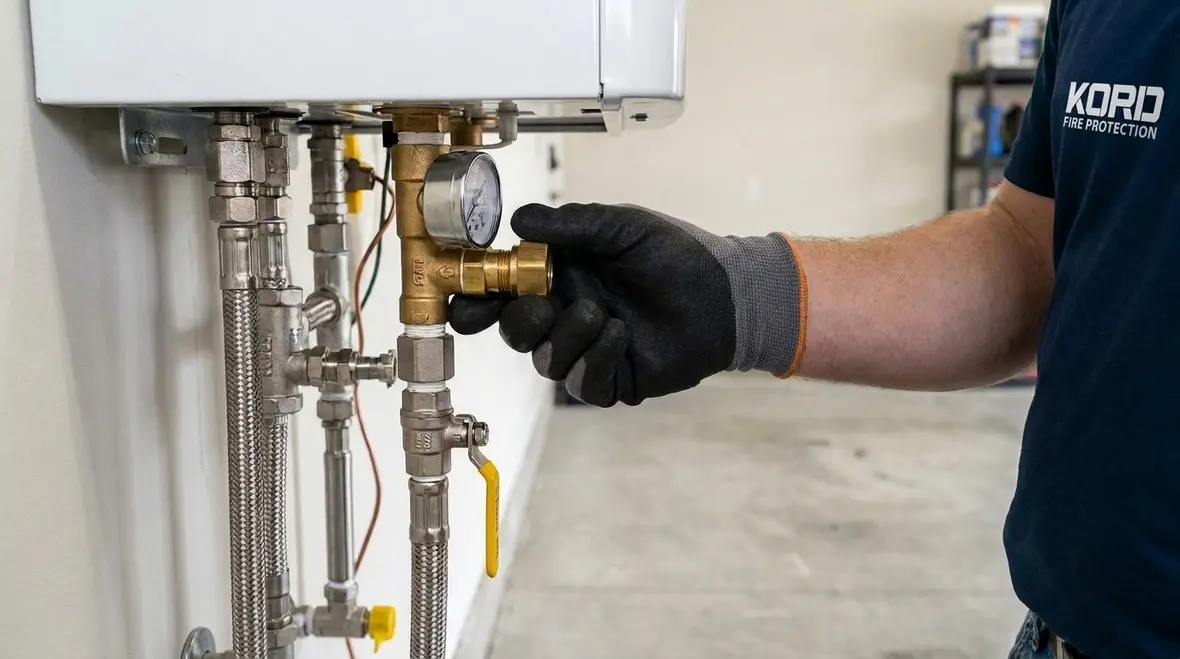
NFPA 52 residential CNG system component qualifications aim to prevent unsafe substitutions and ensure every part that touches the fueling process can withstand the mechanical and chemical stresses of compressed natural gas. Section 13.2 is not limited to regulators or storage vessels. It also governs how system builders and facility operators verify that valves, fittings, piping, pressure relief devices, connectors, and related assemblies are appropriate for CNG service and installed within the required parameters.
In practice, compliance starts long before inspection. Documentation, traceability, and compatibility between components must align with the system design and the operating envelope. A component that is “gas rated” in one context may still fail qualification requirements if it cannot be demonstrated to meet the applicable criteria for CNG fueling service.
Which Components Trigger Qualification Review
To meet NFPA 52 Section 13.2 expectations, the qualified-component review typically concentrates on items that affect containment, control, and pressure relief during normal operation and foreseeable abnormal events. Common categories include:
- Pressure-containing components such as piping, tubing, fittings, and transition pieces that connect gas pathways.
- Valves and shutoff devices used for isolation, service control, and emergency or abnormal shut down scenarios.
- Regulating and metering equipment when installed as part of the fueling system architecture.
- Pressure relief and venting components designed to manage overpressure conditions safely.
- Flexible connectors and couplings where permitted, including any temperature and pressure limitations tied to CNG service.
- Electrical and instrumentation components when integrated into the system for monitoring or safety functions.
Commercial facilities often face an additional challenge: residential-style systems installed in multi unit environments or service sites can be operated and maintained under industrial processes. This increases the need to validate qualification documentation and ensure field verification procedures match the actual configuration.
Qualification Means More Than “It Fits the Pressure Rating”
Component qualification requires demonstrable suitability, not just compatibility. Many failed projects trace back to one of the following gaps:
- Missing traceability: Labels, material certifications, or manufacturer documentation do not clearly link the installed item to the qualified design basis.
- Material and compatibility uncertainty: CNG service can impose conditions that demand specific material selections for seals, elastomers, and wetted surfaces.
- Incorrect pressure temperature assumptions: A component may be rated for a pressure level but not for the temperature range expected during fueling cycles or seasonal extremes.
- Incompatible connections: Thread types, coupling designs, and gasket materials can cause leaks or stress concentrations if not matched to the qualified system design.
- Unverified assembled components: Assemblies built in the field from qualified parts can still be noncompliant if the assembled configuration is not treated as a qualified system component where required.
From a practical compliance standpoint, inspectors and auditors generally look for a complete qualification package: what the component is, who manufactured it, what standard it was built and tested to, the maximum allowable conditions, and how it ties to the system design and installation requirements.
How NFPA 52 Compliance Workflows Typically Look in Commercial, Industrial, and Retail Settings
Residential fueling systems still require disciplined management when deployed on commercial or retail property. Common operational and documentation expectations include:
1) Incoming verification and change control
Before components arrive on site, facilities usually establish a submittal and approval workflow. The goal is to prevent last minute substitutions. Change control should capture any deviation from the documented design basis, including brand or model changes, alternative sealing materials, and revised connection methods.
2) Installation documentation and field traceability
Qualified-component claims become actionable only when installation records provide traceability. This typically includes serial numbers where applicable, installation sketches, pressure test records, and confirmation of the component’s documented ratings.
3) Testing and inspection alignment with qualification intent
Qualification does not end at purchase. Facilities must validate performance through required testing, inspection, and periodic maintenance. The most common maintenance-related failure modes include loose fittings, degraded seals, corrosion or damage from improper handling, and relief device impairment caused by contamination or incorrect reassembly.
4) Maintenance and periodic requalification practices
Commercial operators frequently implement maintenance intervals that exceed minimum expectations because downtime and safety risk carry a cost. Even when NFPA requirements focus on qualification at installation, maintenance programs must preserve the condition required by the original qualification basis.
For ongoing compliance and maintenance support, Kord Fire Protection helps facilities manage documentation, inspection readiness, and lifecycle testing so fueling systems remain aligned with NFPA expectations and site safety standards.
If you are building a broader compliance program around fueling systems and related fire protection controls, Kord Fire Protection can support documentation and inspection planning. For internal organization, facilities often coordinate with their existing fire protection scope and assurance processes. Learn more through Fire Safety System Documentation for Compliance or review NFPA 52 Section 9.3: CNG Fueling Systems Requirements for adjacent system-level considerations. ([kordfire.com](https://kordfire.com/fire-safety-system-documentation-for-compliance/?utm_source=openai))
Operational Failure Points During Qualification and Verification
Qualification requirements are frequently satisfied on paper but fail in real-world deployment. The most common operational failure points include:
- Seal and connection leakage after installation due to incorrect torque, seal mismatch, or surface damage during assembly.
- Incorrect relief device configuration resulting from incomplete installation of vent routing or improper orientation that blocks safe discharge.
- Hidden component substitution when a component is replaced during supply chain disruptions without a controlled equivalency review.
- Improper handling and transport damage to pressure-containing components and connectors, especially when stored outdoors or moved without protection.
- Inadequate recordkeeping where inspectors cannot confirm that the installed configuration matches the qualified configuration.
These are avoidable with structured verification steps and a clear definition of who approves equivalencies. Facilities that implement a repeatable qualification binder and field verification checklist typically reduce both rework and compliance risk.
How to Prepare for Inspections Under Section 13.2
Inspection readiness often depends on how quickly the facility can demonstrate qualification and maintain the link between design, installation, and ongoing condition. A practical approach includes:
- Maintain a single qualification binder containing manufacturer documentation, ratings, standards, and installation records.
- Verify component identification on site and confirm it matches the submitted and approved documents.
- Document testing and corrective actions with clear closure evidence after any leak or fault findings.
- Train maintenance staff on CNG-specific handling practices, including safe disassembly, reassembly verification, and leak detection expectations.
- Schedule periodic review of documentation completeness so qualification claims remain defensible over time.
Kord Fire Protection supports facilities with inspection readiness planning, lifecycle maintenance support, and documentation discipline so commercial and retail operators can meet NFPA 52 expectations with less disruption.
Frequently Asked Questions
Call to Action
To keep NFPA 52 residential CNG system component qualifications defensible, facilities should verify traceability before installation, maintain a complete qualification binder, and align testing and maintenance to the qualification basis. Kord Fire Protection can support inspection readiness, documentation discipline, and ongoing maintenance planning for commercial, industrial, and retail operators. Contact Kord Fire Protection to establish a practical compliance and testing schedule that reduces risk and downtime.

Join Our Newsletter!
Get the latest fire safety tips delivered straight to your inbox From our Newsletter.


