
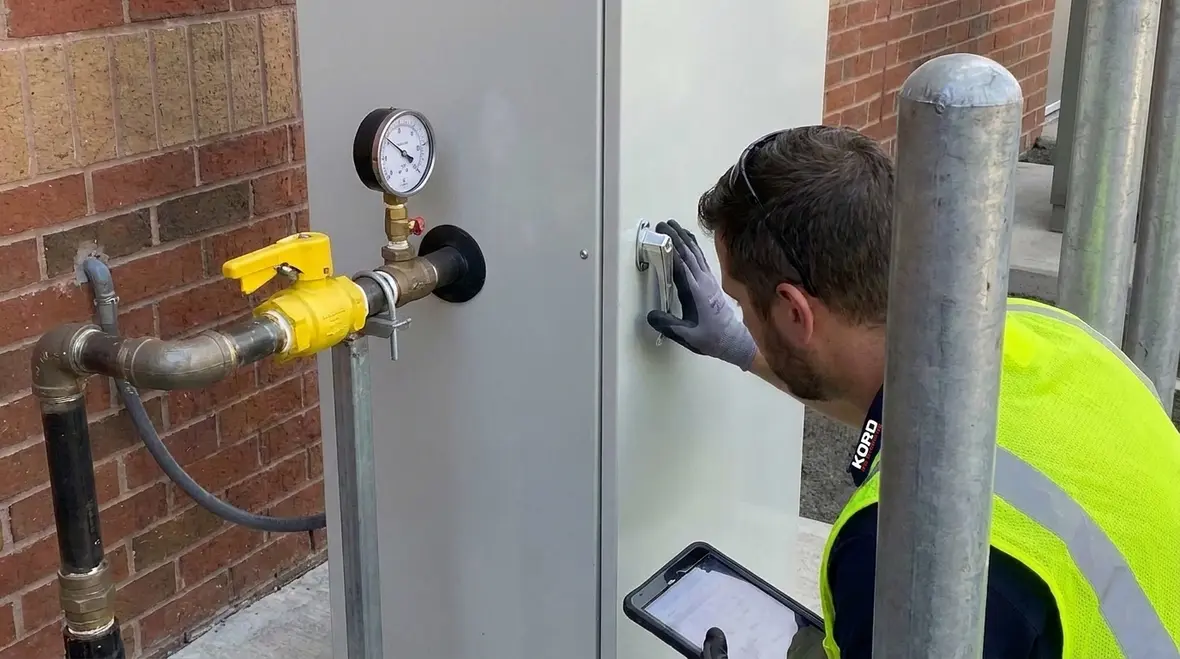
NFPA 52 Section 13.4: Installation of Residential CNG Fueling Appliances
Quick Answer
NFPA 52 Section 13.4 sets the safety expectations for installing residential natural gas vehicle (CNG) fueling appliances. The section focuses on proper siting, gas piping, venting, electrical and ignition safety, pressure relief handling, and inspection readiness. Compliance reduces leak, ignition, and overpressure risks.
For teams tightening inspection records and audit preparation, fire safety system documentation for compliance is a useful companion read near the start of this process.
What does NFPA 52 Section 13.4 require for residential CNG?
NFPA 52 Section 13.4 governs NFPA 52 residential CNG fueling appliance installation by addressing how the fueling appliance integrates with the residence, the gas supply interface, and the surrounding property environment. Even when the application is “residential,” the hazards remain commercial-grade: high pressure gas, potential release under pressure, and ignition sources that can convert a small leak into a dangerous event.
For commercial, industrial, and retail facilities with contractor-managed residential-style systems, the compliance lesson stays the same: your installation must be inspection-ready from the day of commissioning, not just “operational.” Facilities frequently require documented testing, maintenance schedules, and anomaly tracking to support insurance and authority having jurisdiction (AHJ) review.
Site selection and appliance placement: where compliance starts
Section 13.4 addresses installation conditions that directly control exposure to ignition and mitigate damage pathways if a release occurs. Proper siting typically affects four operational risk areas: vehicle fueling safety clearances, separation from ignition sources, protection from physical impact, and safe discharge behavior.
Common placement compliance challenges
Ignition source proximity: HVAC components, electrical panels, lighting transformers, and nearby grills can become unintended ignition sources if gas accumulates.
Insufficient clearance for servicing: Maintenance access must support pressure testing, regulator inspection, hose management, and control panel checks without routing technicians into hazard zones.
Inadequate protection from impact: Bollards or physical guards often prove essential where vehicles or equipment could strike the appliance or exposed piping.
Inappropriate ventilation or confined discharge pathways: Where discharge could be directed into enclosed or semi enclosed spaces, operational risk rises sharply.
From a program standpoint, commercial facilities should treat residential CNG units as a managed asset. That means maintaining a current “as installed” diagram showing distances, routing, and shutoff locations, then tying those records to inspection and maintenance work orders.
Piping, connections, and pressure control: preventing the failures you will actually see
Installation success depends on secure gas piping design, correct connection methods, and dependable pressure control and overpressure protection. In practice, inspection failures usually trace back to a handful of root causes: improper fitting selection, incorrect torque or joint preparation, damaged tubing during routing, and uncontrolled pressure relief discharge routes.
Key installation mechanics to verify
Routing integrity: Piping that runs through abrasion prone areas, near sharp edges, or through locations likely to experience impact increases risk of damage over time.
Connection quality: Whether using listed fittings or manufacturer specified coupling systems, field workmanship directly affects leak performance. Pressure cycles can amplify micro imperfections.
Pressure regulation chain: Regulators and control components must meet the appliance design requirements and remain compatible with the fuel system pressure range.
Overpressure relief handling: Any relief discharge must route to a safe location. Relief piping must remain unobstructed and supported so discharge conditions do not change after installation.
Operational testing should confirm system integrity before putting a facility in service. For facility owners, the compliance value lies in documentation: the right test results, corrected deficiencies, and verified settings tied to the appliance’s serial number and installed configuration.
Electrical safety, ignition control, and environmental conditions
Even when the fuel hazard dominates the conversation, electrical installation quality often determines whether the system can operate safely in the real world. NFPA 52 Section 13.4 requirements align with controlling ignition sources around CNG equipment and ensuring electrical components function as intended under expected weather and environmental loads.
Typical inspection and commissioning gaps
Improper conduit routing: Exposed wiring runs and poor sealing practices can compromise system reliability and safety.
Improper bonding and grounding: Fault conditions and static discharge risks rise when bonding practices do not match design intent.
Wrong component selection: Using non-listed components or mismatched ratings can create a hidden mismatch between what is installed and what is permitted.
Environmental exposure: Water ingress, condensation, and corrosive atmospheres can degrade electrical performance and create nuisance faults that mask real problems.
Commercial and industrial environments require an extra layer of discipline. The installation must match the manufacturer listing, and the facility maintenance team must understand how to verify electrical integrity during routine checks. If the system trips repeatedly, it should not be treated as “just annoying.” Trip patterns can indicate sensor drift, valve behavior changes, or wiring issues that must be corrected before they become safety problems.
Inspection, commissioning, and ongoing maintenance: what compliance depends on after installation
NFPA 52 requirements do not end when a unit turns on. For NFPA 52 residential CNG fueling appliance installation, compliance depends on a documented process that confirms safe operation, verifies that no hazardous release pathways exist, and maintains system performance over time.
Commissioning and readiness checks
Leak testing and validation: Verify that connections, joints, and pressure boundary components meet the required standards for tightness.
Functional testing: Confirm correct operation of control functions, shutdown logic, and any monitoring interfaces.
Vent and discharge verification: Ensure relief and discharge routes remain unobstructed and correctly terminated.
Identification and labeling: Use the correct signage and appliance identification to help responders and technicians find shutoffs and understand the system.
Ongoing maintenance realities
In the field, most “mystery” CNG incidents trace to component degradation, improper hose handling, contamination affecting regulators, or relief systems that were unintentionally modified. A robust maintenance program should include planned inspection intervals, trend review, and immediate action criteria when abnormal readings appear.
For facilities that manage compliance across many assets, Kord Fire Protection can help establish and sustain an inspection and maintenance workflow that supports AHJ expectations, risk management objectives, and operational uptime. This includes recordkeeping that ties testing results to the installed configuration and clearly documents corrective actions.
To extend your compliance knowledge into adjacent fuel system fundamentals, see NFPA 52 Section 9.3: CNG Fueling Systems Requirements for commercial-focused fire safety and inspection support.
How to manage AHJ conversations and documentation for safer approvals
NFPA 52 compliance often becomes a documentation and verification exercise during plan review and inspection. Facility teams that prepare early avoid delays and prevent rework caused by missing evidence or unclear installation details.
What to assemble before inspection
As built drawings: Show routing, clearances, shutoffs, and discharge termination points.
Manufacturer installation instructions: Include model specific requirements that control how the appliance is mounted and connected.
Test reports: Provide leak test results and functional checks aligned to the commissioning timeline.
Maintenance plan: Outline inspection frequency, responsibilities, and record retention.
When commercial, industrial, or retail operations are involved, the documentation should also clarify how the facility will track inspections, repairs, and replacements. Auditors look for repeatability. AHJs often look for clarity. Both benefit when the facility uses a structured maintenance and testing program supported by a qualified service partner.
Frequently Asked Questions
Conclusion and Call to Action
NFPA 52 Section 13.4 requires more than a workable install. It demands inspection-ready workmanship, safe pressure control and discharge handling, ignition controlled electrical practices, and documented commissioning plus ongoing maintenance. If you manage commercial facilities, treat these units as controlled assets with scheduled testing and traceable records. Contact Kord Fire Protection to support compliant inspections, testing, maintenance planning, and documentation that helps approvals move forward and stays safe over time.

Join Our Newsletter!
Get the latest fire safety tips delivered straight to your inbox From our Newsletter.


