NFPA 291 Section 4.11: How to Determine Hydrant Discharge Without a Pitot Gauge
Quick Answer: NFPA 291 Section 4.11 allows crews to estimate fire hydrant discharge without a pitot gauge by using the static pressure and residual pressure from a flow test, then applying the correct formula. This gives facilities, commercial sites, and industrial assets a practical way to measure water delivery when direct nozzle pressure readings are not available.
When a site needs a hydrant discharge without pitot reading, the job still has to be done with care, skill, and the right method. NFPA 291 Section 4.11 gives a clear path for estimating flow when a pitot gauge is not in play, which is handy because gear goes missing, breaks, or simply refuses to cooperate like a side character in a drama series. For industrial, retail, and commercial facilities, this process helps confirm water supply performance without guessing. It also helps teams stay ready for audits, safety reviews, and fire system checks.
If your property team is already planning a professional fire hydrant flow testing service, understanding this section makes the fieldwork and the final report a lot less mysterious. It also helps owners and managers know what the technician is doing when the pitot gauge is absent and the test still moves ahead like a calm, competent backup plan instead of a disaster sequel.
What NFPA 291 Section 4.11 Means in Practice
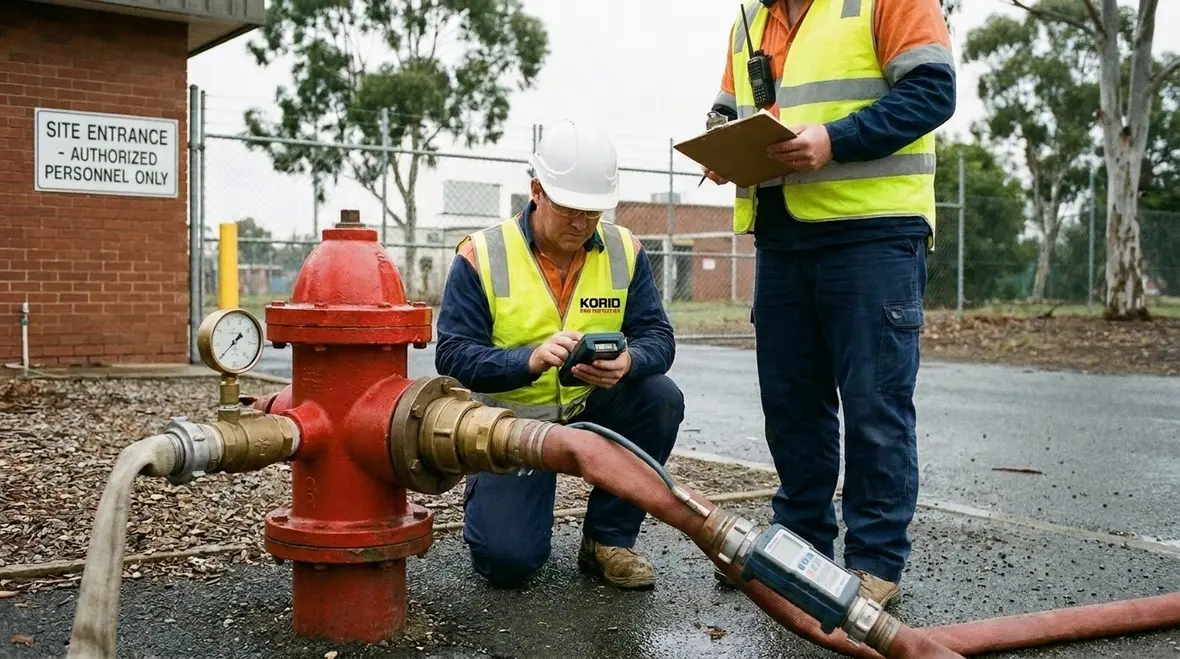
NFPA 291 is built to help teams test hydrants in a consistent way. Section 4.11 matters because it explains how to determine discharge when the usual pitot reading is not available. Instead of measuring nozzle pressure directly, the tester uses the flow data collected from the hydrant, then calculates discharge from those values.
That matters because fire safety does not stop just because a tool is missing. In the real world, a hydrant test often needs to continue, especially on busy sites where downtime can affect operations. Therefore, this section gives technicians a practical backup method while still keeping the result useful and defensible.
It also fits neatly with broader hydrant testing practice. Kord Fire Protection’s NFPA 291 fire hydrant testing and marking guide adds helpful context around consistent testing methods, pressure interpretation, and why clear documentation matters when the numbers are eventually handed to engineers, facility managers, insurers, or fire officials.
Why the backup method matters
A missing pitot gauge should not force a crew into wild guessing, test abandonment, or the classic field move of staring at the hydrant as if it might explain itself. Section 4.11 exists because water supply testing still needs a practical path forward. When done correctly, the method gives a reliable estimate that supports site planning, fire protection review, and ongoing maintenance decisions.
How Hydrant Discharge Without Pitot Is Calculated
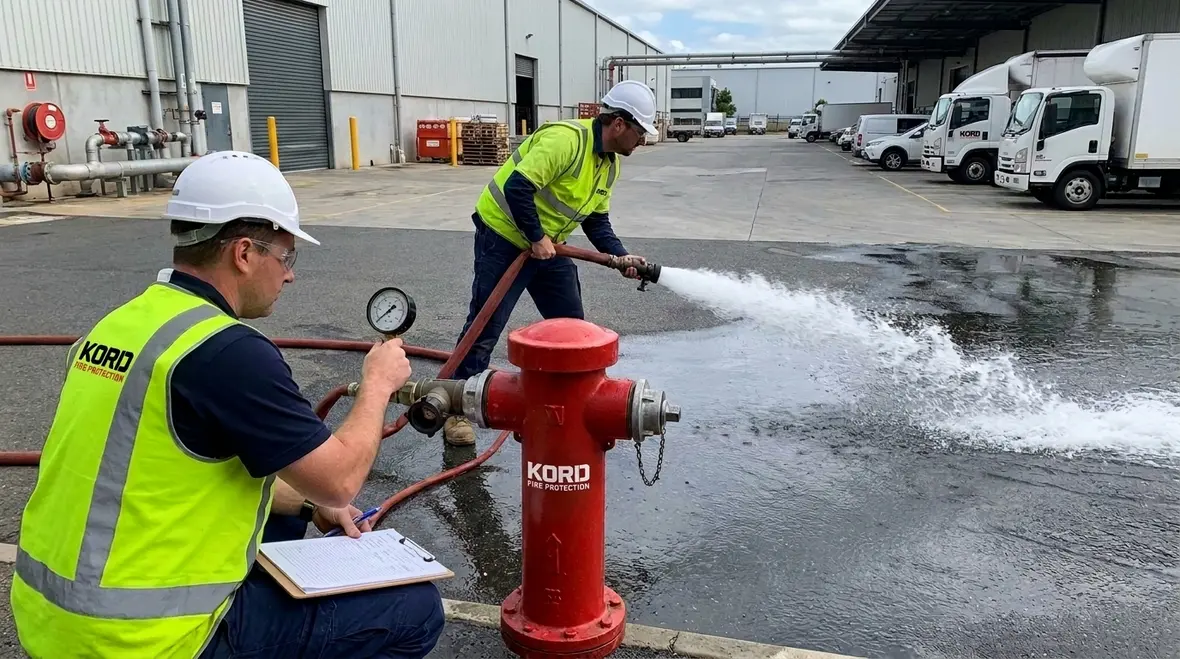
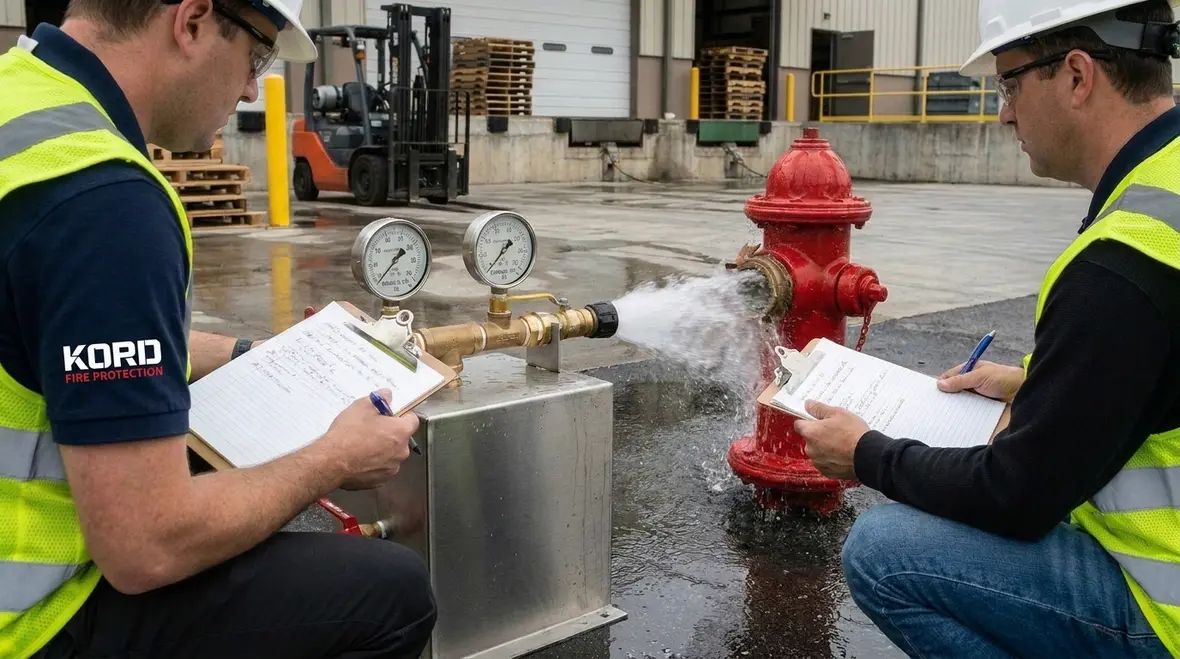
The basic idea is simple. The tester measures static pressure before flowing water, then notes residual pressure while the hydrant is flowing. Next, the discharge is estimated using the accepted flow formula. The result shows how much water the hydrant can supply under test conditions.
In plain terms, the process uses pressure change to understand water movement. That is the heart of hydrant discharge without pitot testing. If the pitot gauge is unavailable, the calculation still gives a reliable picture of hydrant performance, provided the flow test is set up correctly.
The method depends on accurate field notes, proper hydrant setup, and stable test conditions. It also depends on the crew knowing what they are looking at, because pressure numbers without context are just numbers. And numbers, unlike a good fire crew, do not make decisions on their own.
The pressure relationship that drives the estimate
Static pressure shows the system at rest. Residual pressure shows the system while water is flowing. The difference between the two reveals how the water supply responds under demand. That drop is what allows the discharge estimate to mean something in the field rather than living as a neat little theory on paper.
This is also why calibration, timing, and note taking matter so much. If the static reading is off, or the residual pressure is captured late, the final estimate will drift. A hydrant test is not complicated for the sake of being fancy. It is precise because the site may later rely on that result for upgrades, emergency planning, or proving that the water supply is ready to do its job.
Column 1
Inspect hydrant condition
Record static pressure
Flow water from the test outlet
Record residual pressure
Calculate estimated discharge
Column 2
Check for damage or access issues
Use a calibrated gauge
Keep flow conditions steady
Note readings at the right moment
Compare results with site needs
As a result, the team gets a clearer view of available water supply. Moreover, the process supports planning for firefighting demand, especially on larger commercial and industrial properties where water needs can change from one area to another.
Key Steps for a Reliable Field Test
To get a strong result, the team should follow a clear sequence.
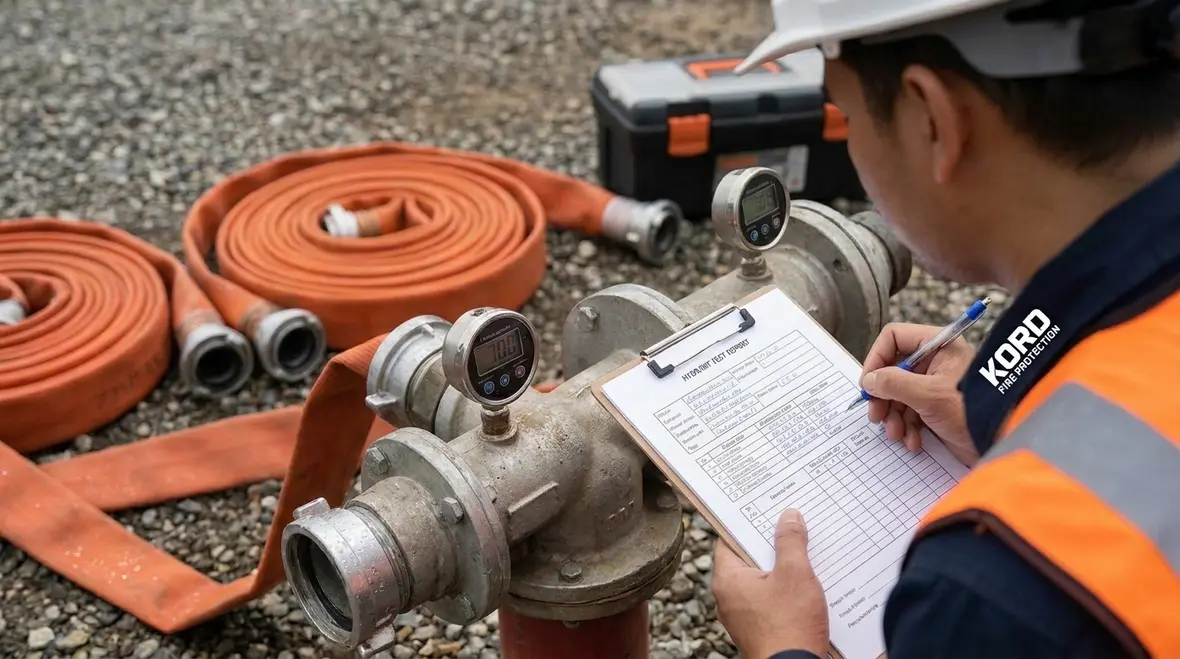
First, inspect the hydrant and confirm it is safe to test. Then measure the static pressure before any water moves. After that, flow the hydrant through the selected outlet and record the residual pressure during flow. Finally, apply the NFPA 291 method to estimate discharge.
Field habits that improve accuracy
Reliable testing is not just about the formula. It is also about the small habits that keep the data clean. Open valves in a controlled way. Watch for unstable flow. Confirm the gauge is readable and properly fitted. Make sure the crew agrees on when the reading is taken. If conditions shift mid test, note it instead of pretending the hydrant had a personality change for no reason.
Good field discipline also protects the report later. When someone asks why a result looks strong, weak, or odd, the answer should come from documented conditions rather than memory. That keeps the final numbers useful for design review, compliance records, and long range maintenance decisions.
Why This Matters for Facilities
Many sites need dependable hydrant systems for compliance, insurance, and emergency readiness. Industrial plants, logistics hubs, shopping centres, warehouses, and office complexes all rely on water supply that performs when needed. Therefore, testing is not just a box to tick. It is part of risk control.
Hydrant discharge without pitot testing becomes useful when the site team needs quick verification, when access limits the use of standard tools, or when the pitot gauge cannot be deployed safely. In those cases, a proper NFPA 291 based test still gives valuable insight. It can also help uncover weak pressure, blocked lines, or aging infrastructure before they become a bigger problem. Nobody wants to discover a pressure issue during an emergency. That would be a very expensive plot twist.
For readers wanting a little more background on how pressure figures translate into practical hydrant performance, Kord Fire Protection’s fire hydrant flow test guide to water pressure is a natural next read and fits nicely with this topic.
Where Kord Fire Protection Adds Real Value
Kord Fire Protection can become a vital partner in this service because the job needs more than a formula. It needs experience, clean reporting, and practical judgement on site. A good partner helps plan the test, manage the equipment, interpret the readings, and explain what the results mean for the facility.
For busy commercial and industrial operators, that support saves time and reduces confusion. In addition, Kord Fire Protection can help turn raw test data into action, whether that means maintenance planning, system upgrades, or compliance follow up. That kind of support matters when a site manager already has a dozen priorities and one more fire test on the calendar. With the right team, the process becomes smoother, safer, and far less stressful.
What Good Reporting Should Show
A useful hydrant test report should do more than list numbers. It should show the test location, the test date, the readings taken, the method used, and the estimated discharge. It should also note any site issues that could affect results, such as access limits, damaged fittings, or pressure changes during the test.
Clear reporting helps decision makers understand the condition of the water supply. Furthermore, it creates a record that supports compliance checks and future maintenance planning. That record can be important when multiple stakeholders manage the same site, because no one enjoys decoding mystery paperwork.
FAQ
Conclusion
NFPA 291 Section 4.11 gives facilities a practical way to determine hydrant discharge without pitot equipment, while still keeping the results useful and compliant. For industrial and commercial sites, the right testing partner can make all the difference.
Kord Fire Protection can help deliver accurate testing, clear reporting, and peace of mind. When the hydrants need to speak, it helps to have the right team listening.

Join Our Newsletter!
Get the latest fire safety tips delivered straight to your inbox From our Newsletter.