
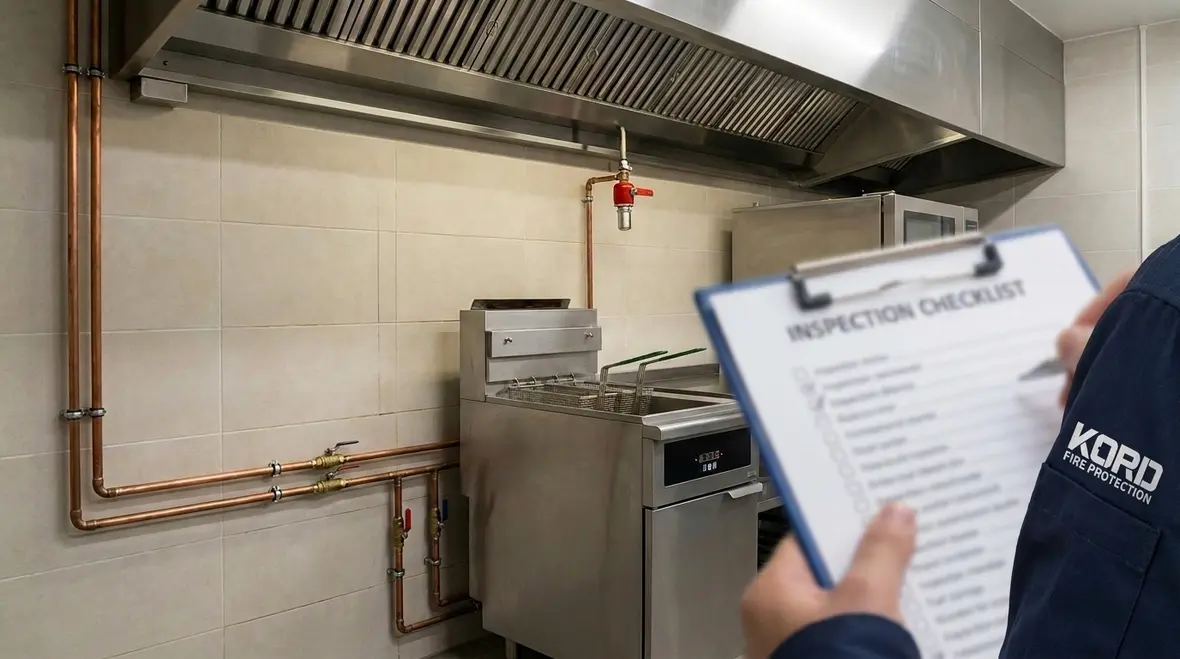
NFPA 31 Section 10.14: Restaurant Oil Cooking Appliance Installation
Quick Answer
NFPAs 31 Section 10.14 focuses on safe, code-compliant installation of restaurant oil cooking appliances. It addresses placement, ventilation and clearance considerations, piping and connections, combustion and draft stability, and inspection readiness. Proper installation reduces fire and oil discharge risks during normal operations and maintenance.
For teams also reviewing the broader kitchen protection picture, commercial kitchen fire suppression system planning fits naturally alongside appliance installation decisions, especially where hood protection, inspection access, and operational reliability all collide in the same busy cooking line.
Why Section 10.14 matters for commercial kitchens
NFPA 31 restaurant oil cooking appliance installation requirements exist because oil fueled cooking equipment behaves differently from gas appliances during ignition, flame stability changes, and malfunction conditions. A compliant installation helps prevent uncontrolled oil release, protects against overheating of combustible exposures, and supports consistent burner performance. For commercial and industrial facilities, this also reduces downtime caused by rework after inspections.
For operators and facility managers, Section 10.14 becomes a planning tool. It guides how appliances integrate with gas tight fuel systems, venting pathways, and fire protection expectations. It also impacts operational procedures, because staff must be able to access components for cleaning, verification, and testing without creating hazards.
What NFPA 31 Section 10.14 typically requires during installation
Section 10.14 is not just a checklist item. It ties installation practices to ongoing safe operation. Compliance expectations commonly include the following elements for restaurant oil cooking equipment:
1) Appliance location, support, and clearances
Safe installation starts with the physical environment. NFPA 31 restaurant oil cooking appliance installation requires correct placement to maintain required clearances to combustibles and ensure appliances remain stable under normal service conditions. Supports must be capable of handling operating loads and vibration without shifting. Improper leveling or incorrect support can cause misalignment in burner assemblies and venting connections, increasing smoke and incomplete combustion risk.
Common failure points include missing spacer components, equipment set too close to grease laden surfaces or storage areas, and conduits or ventilation ducting installed in a way that blocks required airflow or maintenance access.
2) Venting and combustion air considerations
Oil cooking appliances depend on controlled combustion. Installation practices must support proper draft and adequate combustion air. If venting arrangements are incorrect, the appliance may produce excessive soot, experience flame instability, or develop backdraft conditions. These failures can elevate fire loading in hood systems and hidden spaces.
In practice, the vent system needs correct routing, sealing integrity, and provisions that allow inspection of joints and damper or draft related components. Facilities often miss this during remodels when ductwork or ceilings are modified but vent components remain unchanged.
3) Oil supply piping, fittings, and connection integrity
Fuel piping and connections affect both day one performance and long term safety. Installation requirements support leak prevention at every joint and ensure the system maintains stable oil delivery to the burner. Improper materials, incorrect fittings, poorly supported piping, or degraded hoses can leak under thermal cycling or vibration.
High risk scenarios include unapproved components, incorrect pressure regulation, kinks in lines installed behind equipment, and joints that cannot be inspected during routine service. A small leak can become a significant hazard when it accumulates in grease collecting areas.
4) Controls, burner assemblies, and safeguards
Section 10.14 expectations also align with how the appliance protects itself. Burner controls, safety shutoffs, and ignition components must be installed so they function as intended. Any miswiring, incorrect sensor placement, or bypassing of safeguards can lead to unsafe operation during ignition attempts or flame failure.
Operational reality matters here. In commercial kitchens, maintenance schedules often get compressed. Appliances still need correct access for filter changes, burner cleaning, and verification that sensors and igniters remain positioned correctly.
5) Cleaning access and inspection readiness
Even a well-installed appliance can fail if service access is blocked. NFPA 31 restaurant oil cooking appliance installation supports access for removing burner parts, inspecting vent connections, and verifying the integrity of fuel lines and electrical components. Installations that trap wiring or surround equipment with permanent obstacles often result in poor maintenance execution.
Facilities should ensure staff can perform cleaning and inspection without damaging gaskets, disturbing vent seals, or leaving panels uninstalled after service.
How installations are inspected in the real world
Inspection and acceptance practices usually evaluate whether installation supports safe operation and whether hazards would be apparent and correctable. Inspectors and insurers typically look for evidence of:
- Correct appliance seating, anchoring, and clearance maintenance to combustibles
- Vent connections that are properly joined, sealed where required, and arranged to prevent improper airflow patterns
- Fuel piping and fittings installed with proper material selection, support, and leak resistant connections
- Controls and safety devices installed without unauthorized modifications
- Service access pathways that enable cleaning and verification
Many noncompliances surface after a remodel. Ceiling changes can alter vent pathways. New storage areas can reduce safe clearances. Staffing changes can shift maintenance habits. These operational impacts often create the gap between “installed” and “maintained.”
Operational and maintenance challenges that trigger violations
NFPA compliance depends on more than initial installation. Grease, dust accumulation, vibration, and fuel quality changes can degrade burner performance over time. The following are common triggers that lead to inspection failures or elevated risk:
Grease accumulation affecting ventilation performance
Commercial kitchens generate heavy grease loads. When soot and grease mix, they can reduce airflow efficiency and increase fire intensity if a fault occurs. Proper installation supports stable combustion and reduces excessive soot production, which then reduces fuel and vent system contamination.
Venting joint degradation and hidden leaks
Vent joints can loosen under thermal cycling. Oil can also deposit soot residues that must be cleaned. If vent components are not accessible, issues persist. This increases smoke hazards and can mask early flame instability symptoms.
Fuel line leaks and unstable delivery
Oil leaks may start slowly. A compromised line or fitting can create a persistent hazard that is difficult to detect during routine cleaning. Unstable fuel delivery can cause flame failure, nuisance shutdowns, or repeated ignition attempts. Repeated start cycles can accelerate wear of burner components.
Incorrect after hours maintenance practices
When maintenance happens at night or during peak downtime restrictions, technicians may skip steps such as confirming correct combustion characteristics or verifying that safety components remain within expected conditions. Installation must therefore support safe, repeatable maintenance to keep the appliance in a compliant state throughout its life.
Partner with Kord Fire Protection for ongoing compliance
Facilities that operate oil cooking equipment need a compliance partner that understands both installation intent and ongoing operational reality. Kord Fire Protection supports commercial, industrial, and retail customers with practical inspections, testing preparation, and maintenance planning aligned to NFPA expectations and typical authority having jurisdiction focus areas.
For additional installation guidance related to oil burning equipment, review this practical resource: NFPA 31 a practical guide to oil burning equipment installation. It helps teams translate code requirements into actionable procedures for equipment placement, venting considerations, and readiness for service activities.
When Kord Fire Protection supports your program, the goal stays consistent: keep equipment operating safely, keep documentation and access aligned to inspection expectations, and reduce the likelihood of costly rework after installation changes or kitchen renovations.
Frequently Asked Questions
Call to action
If you are planning an oil cooking appliance install or preparing for inspection, engage Kord Fire Protection early. A practical review of clearances, venting support, fuel connections, access for service, and safeguard readiness helps reduce rework and downtime. Schedule a compliance focused assessment so your NFPA 31 restaurant oil cooking appliance installation aligns with operational reality, not just installation drawings.

Join Our Newsletter!
Get the latest fire safety tips delivered straight to your inbox From our Newsletter.



