NFPA 291 Section 4.10 Pumper Outlet Hydrant Testing
Quick Answer
NFPA 291 Section 4.10 allows fire hydrant flow testing through pumper outlets when crews need a practical, controlled way to measure water supply. In industrial, commercial, and facility settings across Australia, this method helps confirm pressure, flow, and system readiness. Kord Fire Protection can support the work with testing, reporting, and site expertise.
Fire hydrant flow testing does not need to feel like a mystery wrapped in a hose reel. In fact, pumper outlet hydrant testing gives site teams a clear view of water supply performance before an emergency turns a normal day into a very expensive headline. Under NFPA 291 Section 4.10, pumper outlets can be used to help measure hydrant flow in a way that is practical, repeatable, and useful for real site planning. For industrial plants, retail complexes, and commercial facilities across Australia, that kind of insight matters.
For teams that need broader system support beyond a single test, Kord Fire Protection also offers full fire protection services that fit naturally alongside hydrant flow testing, reporting, maintenance planning, and ongoing compliance work.
What NFPA 291 Section 4.10 means for hydrant flow testing
NFPA 291 sets the tone for how hydrant flow testing should happen, and Section 4.10 gives clear direction on using pumper outlets. This matters because the hydrant system must do more than just exist on paper. It must deliver the right flow when the pressure rises and the clock starts ticking. Pumper outlet testing helps verify that the system can support fire response needs, and it also helps identify weak points before they become a problem.
For large sites, this is not just a compliance exercise. It is a risk check. It shows whether the hydrant network can feed fire crews, site equipment, and emergency response plans without falling flat like a villain in the last act. It also creates a practical baseline for future comparisons, which is useful when site infrastructure changes, occupancy loads grow, or water demand quietly shifts over time.
Why the pumper outlet method earns attention
Using a pumper outlet keeps the testing approach grounded in real world firefighting conditions. Instead of relying on assumptions about what a hydrant ought to provide, crews can measure what the system actually does under demand. That difference may sound subtle, but on a large facility it can be the line between confident planning and a nasty surprise with flashing lights.
Why pumper outlet hydrant testing works well on busy sites
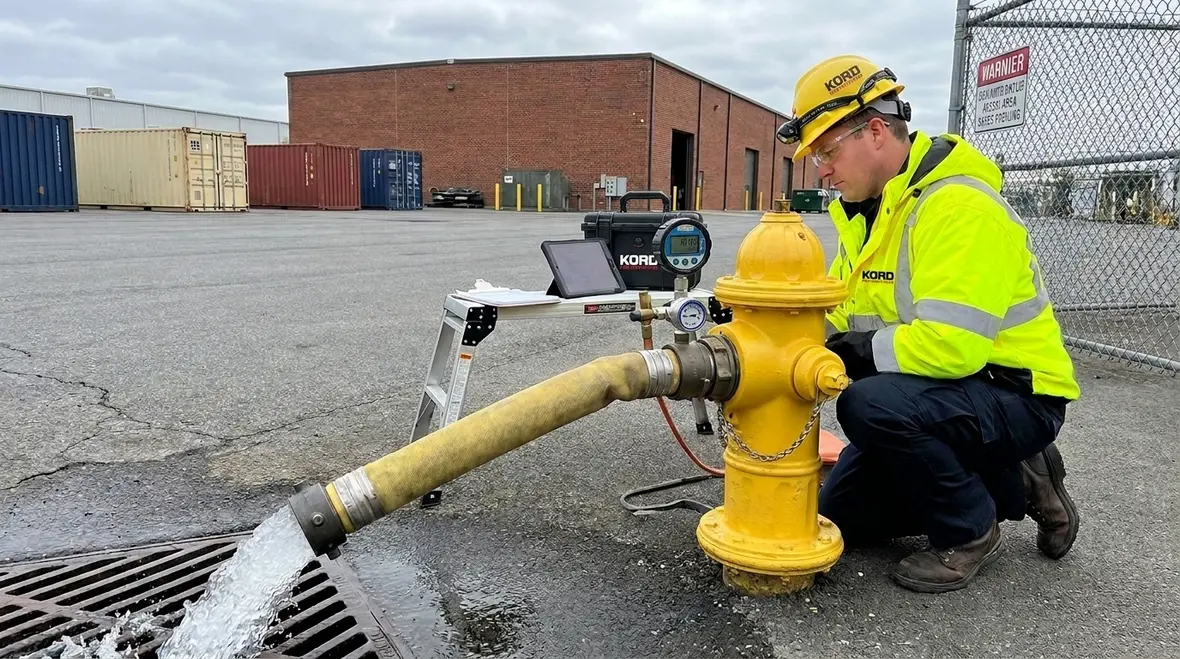
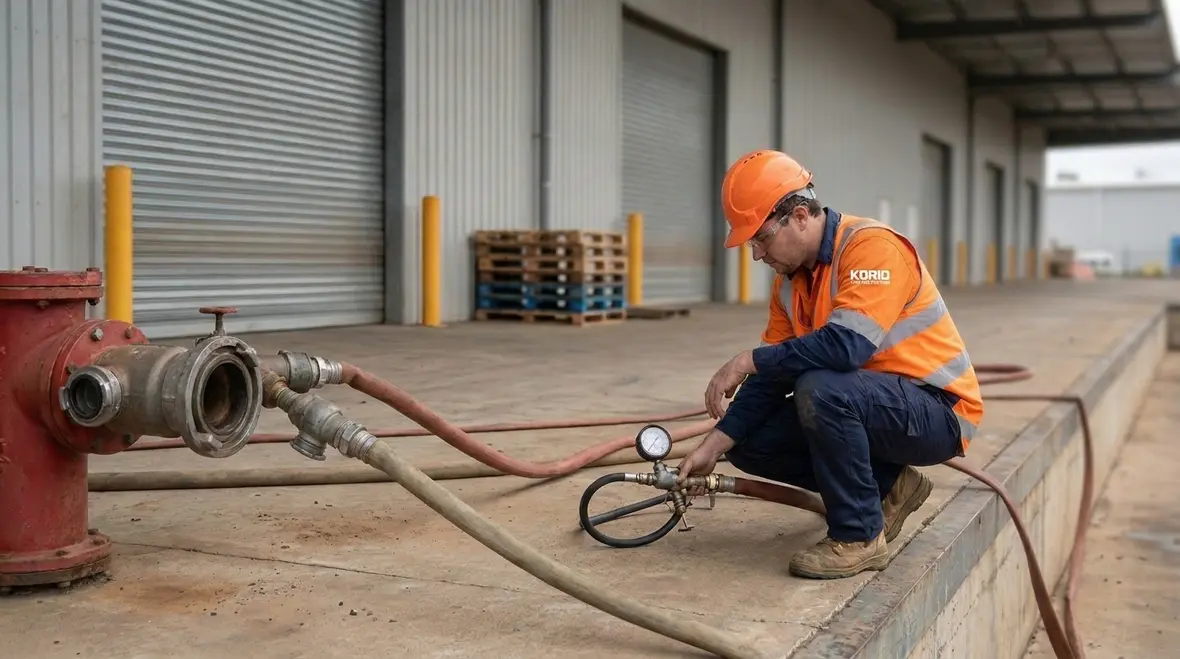
Pumper outlet testing offers a direct and practical way to assess hydrant performance. It lets the tester connect at the pumper outlet and measure flow under controlled conditions. As a result, the team can evaluate how the water supply behaves under load, not just when the system is sitting quietly on standby.
This approach suits large industrial yards, warehouses, shopping centres, hospitals, logistics sites, and manufacturing plants. These places often have complex pipe layouts, high demand, and mixed use areas. Therefore, testing must fit around operations while still delivering accurate data. The method also helps teams compare results over time, which makes it easier to spot decline before a failure turns into a fire service scramble.
Operational benefits for site managers
Busy sites rarely enjoy the luxury of stopping everything for a test. That is why this method is helpful. It supports a controlled testing setup, clearer coordination, and easier planning around vehicle movement, loading zones, shift changes, and public access. When the work is organized properly, teams get useful data without turning the site into a theatrical production titled Chaos, Water, and Cones.
- Allows practical testing at hydrants that support pumper connections
- Helps teams see how water supply performs during realistic drawdown
- Supports trend tracking over time for maintenance planning
- Fits complex commercial and industrial layouts more easily than guesswork ever could
- Improves confidence in emergency response planning and site readiness
How the testing process usually works
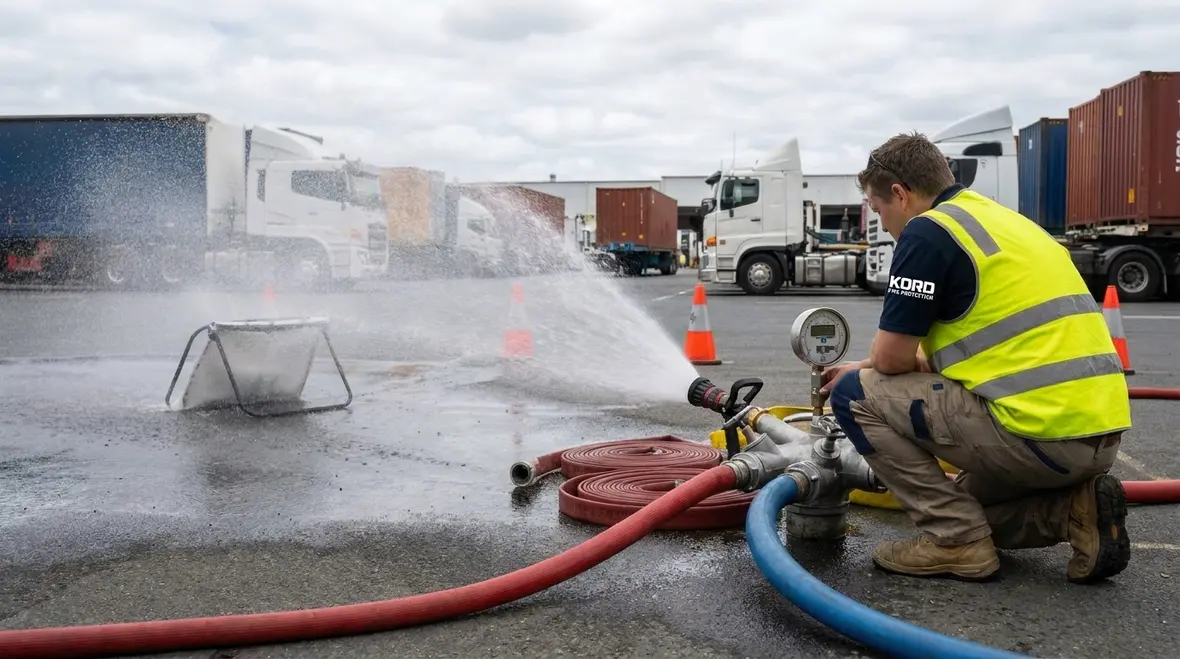
Before testing begins, the site should have a clear plan. The team checks hydrant locations, access, water sources, safety zones, and traffic control needs. Then, the tester connects equipment to the pumper outlet and measures pressure and flow during the test. In most cases, the work needs coordination with site managers, maintenance staff, and emergency planning teams.
A well run test is usually calm, methodical, and far less dramatic than the phrase water supply verification might suggest. The point is to create repeatable conditions and gather readings that actually mean something. If the setup is rushed, the numbers may still look official on paper, but official looking confusion is still confusion.
Typical items reviewed during the test
- Static pressure before water is drawn
- Residual pressure during flow
- Actual flow volume at the pumper outlet
- Hydrant condition and access issues
- Any limits in the supply network
After that, the results are reviewed and compared against the site’s fire protection needs. This is where the numbers start to tell a story. And like any good story, the ending matters more than the opening line. If the readings show reduced performance, poor access, or signs of system decline, the test gives the site an early opportunity to act before a real incident forces the issue.
Planning details that make the day smoother
Good preparation matters. Teams usually benefit from confirming who will manage access, where temporary controls are needed, how nearby operations will be protected, and which internal stakeholders need updates. On larger campuses, even a simple oversight can waste time. One locked gate or one truck parked in the wrong place can derail the neatest schedule with the determination of a very stubborn side character.
Why pumper outlet hydrant testing matters for Australian facilities
Across Australia, many facilities face the same challenge: they need reliable fire water supply, but they also need to keep business moving. That is where pumper outlet hydrant testing becomes valuable. It gives managers a way to confirm that the system can support emergency response while also meeting internal safety goals and insurance expectations.
For industrial sites, the stakes often run higher because of fuel, chemicals, machinery, or stored goods. For retail and commercial sites, the concern may center on occupant safety, asset protection, and business continuity. In either case, poor water delivery can slow response and raise damage costs. So, the test does more than meet a standard. It helps protect operations, people, and reputation.
| Site Type | Why Testing Helps |
| Industrial plants | Supports high risk areas and heavy fire demand |
| Retail centres | Helps protect customers, tenants, and trading continuity |
| Commercial facilities | Confirms water supply for building fire response plans |
| Logistics and warehousing | Checks hydrant performance across large and busy sites |
How Kord Fire Protection becomes a vital partner
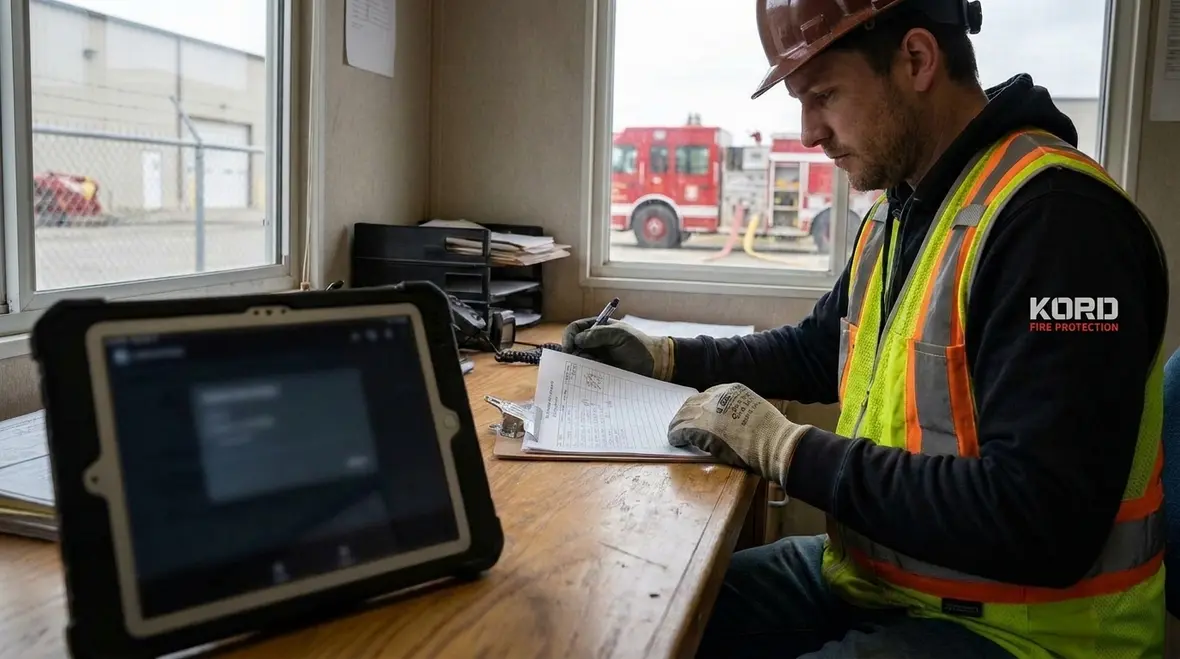
Kord Fire Protection can play a vital role in this service because hydrant testing is not just about taking readings. It is about understanding the site, the system, and the practical risks behind the numbers. A strong partner helps plan the test, manage site access, record results, and explain what the findings mean in plain language.
That kind of support matters because many facilities do not have time to translate technical data into action. Kord Fire Protection can help bridge that gap. It can work with site teams to reduce disruption, support compliance, and guide follow up steps if the system needs attention. In other words, it brings calm to a task that can otherwise feel like a fire drill with paperwork.
Readers who want more detail on the testing side of water supply performance can also explore Kord Fire Protection’s fire hydrant flow test guide to water pressure. For broader flow and marking context, it also makes sense to link this topic with the NFPA 291 fire hydrant testing and marking guide 2026.
What a capable testing partner should bring
- Clear planning before the test begins
- Safe site coordination during live operations
- Accurate pressure and flow data collection
- Practical reporting that people can actually use
- Actionable follow up recommendations when issues appear
What good reporting should show
After pumper outlet hydrant testing, the report should give a clear picture of performance. It should not hide behind vague language or glossy charts that look nice but say nothing. Good reporting should show what was tested, what was found, and what the site should do next.
- Test location and date
- Measured pressure and flow results
- Notes on hydrant condition
- Any site access or safety limits
- Action items if repairs or review are needed
When the report is clear, decision makers can act fast. That helps keep systems in shape and avoids surprises when emergency services arrive and expect the supply to perform without drama. A strong report also makes future retesting easier because it gives the next team a useful benchmark instead of a pile of cryptic notes and crossed fingers.
FAQ
Conclusion
NFPA 291 Section 4.10 gives sites a smart path for hydrant flow testing through pumper outlets. For Australian industrial, retail, and commercial facilities, the right partner can make the process smooth and useful. Kord Fire Protection can help deliver accurate testing, clear reports, and practical support.
For sites that want confidence before the emergency bells start ringing, that is a very good place to begin. A well planned test today can prevent confusion tomorrow, strengthen response planning, and keep the hydrant system from becoming the least funny joke on site.

Join Our Newsletter!
Get the latest fire safety tips delivered straight to your inbox From our Newsletter.