
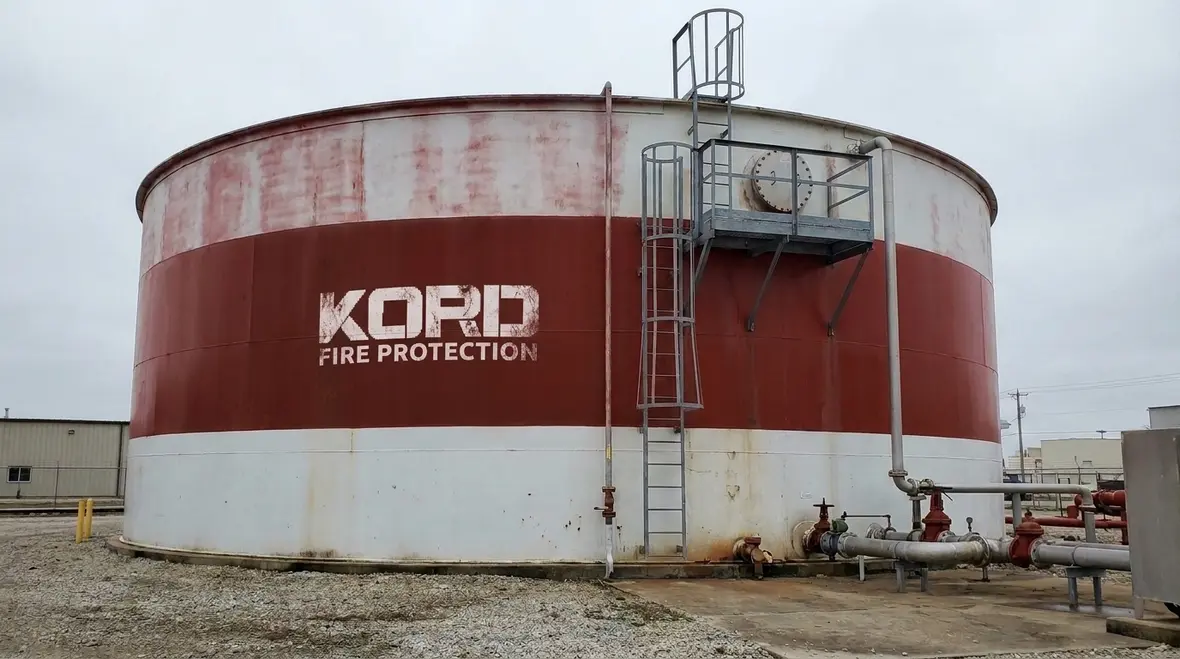
NFPA 25C Section 9.4: Water Storage Tank Maintenance and Repair Guidelines
Quick Answer: NFPA 25C Section 9.4 sets maintenance and repair expectations for water storage tanks used in fire protection systems. Facilities must follow inspection, testing, and corrective maintenance practices to preserve tank integrity, water quality, and dependable fire flow performance during operational demand.
What NFPA 25C Section 9.4 requires for water storage tank maintenance and repair
NFPA 25C Section 9.4 water storage tank maintenance repair focuses on keeping fire suppression water supply tanks in a condition that supports reliable system operation. In commercial, industrial, and retail facilities, compliance challenges typically show up as corrosion progression, contamination risk, damaged coatings, leakage at penetrations, and inadequate tank ventilation or access controls. The result can be reduced effective volume, impaired pump suction conditions, or delayed system response during an actual fire scenario.
For many facilities, the water tank is the “fuel tank” for the water based fire protection network. When tank performance degrades, every downstream component becomes more likely to struggle under demand, including fire pumps, jockey pump controls, and sprinkler system hydraulic performance. If you are reviewing this topic as part of a broader system readiness plan, it also helps to look at fire pump inspection and testing services alongside the maintenance breakdown for complete water based fire protection systems: NFPA 25 overview and water based fire protection system maintenance breakdown.
Which tanks fall under Section 9.4, and why tank condition drives fire flow
Section 9.4 applies to water storage tanks that supply water to water based fire protection systems. The tank may feed fire pumps directly, gravity systems, or combination arrangements, depending on system design. The practical compliance goal stays consistent: the tank must hold usable water that remains accessible, clean enough for system demand, and physically capable of maintaining volume without unacceptable structural loss or leakage.
From an operational standpoint, tank condition drives these performance factors:
- Available water volume: Reduced effective volume due to sediment accumulation, bio growth, or water level control issues can impact sustained fire flow.
- Hydraulic reliability: Poor suction conditions caused by sediment, stratification, or clogged intakes can contribute to pump cavitation or loss of prime.
- Integrity at penetrations: Leaks at nozzles, drains, vents, manways, and level devices can lower volume and create corrosion accelerators.
- Water quality stability: Contaminants can interfere with valves, strainers, and corrosion protection strategies.
Because these tanks support fire pump and sprinkler system performance, facilities that also maintain automatic sprinkler systems should align their expectations with the overarching sprinkler code installation and system maintenance context. For example, Kord Fire Protection provides additional installation context in NFPA 13 overview for automatic fire sprinkler system installation.
Inspection and maintenance practices: how tanks are commonly checked in the field
Effective NFPA 25C Section 9.4 maintenance follows a cycle that matches how tanks fail in reality. Many issues begin as small defects that are easy to miss without a documented inspection routine. The key is to inspect for signs that correlate directly to loss of storage capacity, water quality, or structural stability.
1) Visual inspection of structural condition and protective coatings
Technicians typically look for coating breakdown, blistering, rust staining, cracks, joint deformation, and deterioration around welded seams and bolted connections. Coating failures often precede accelerated corrosion, especially where condensation occurs in tank roofs or where splash zones exist near waterline.
- Verify that access points, platforms, and ladders remain safe and compliant.
- Check that manway gaskets or seals do not show shrinkage or damage.
- Inspect for water tracking patterns that suggest active leakage paths.
2) Verification of water level control, intakes, and operable openings
Water storage tanks often rely on level maintenance methods such as make up piping, fill control, and overflow or drain arrangements. If level control fails, the tank may not maintain minimum usable volume.
- Confirm float switches, level sensors, and alarms remain properly mounted and unobstructed.
- Check intake strainers and screens for debris accumulation.
- Inspect venting for blockage that can create air binding during drawdown.
3) Water quality and contamination risk screening
In many commercial and industrial settings, standing water conditions contribute to sediment and biological growth. Maintenance personnel typically manage contamination risk through controlled cleaning practices, monitoring, and ensuring drain systems function as designed. Contamination can also reduce effectiveness of downstream strainers and introduce operational variability under pump demand.
Where facilities coordinate water based system maintenance, Kord Fire Protection emphasizes system level readiness and documentation. Their approach supports compliance programs that integrate tank maintenance with the broader NFPA 25 maintenance strategy, as outlined in Kord Fire Protection’s NFPA 25 overview and maintenance breakdown.
Common repair triggers and failure points: what causes out of service conditions
Repairs under Section 9.4 typically become necessary when inspections reveal damage that can compromise tank integrity, water supply availability, or safe system operation. In the field, most repairs cluster around predictable failure points.
Corrosion, coating loss, and thinning at seams
Corrosion concentrates at joints, welds, and splash zones. Protective coating failure allows moisture and oxygen to contact metal surfaces, leading to accelerated rust and potential structural weakening. Repair often includes surface preparation, coating system replacement, and verification of coating thickness where applicable.
Leakage at penetrations, nozzles, and manway components
Penetrations such as drains, supply connections, level device ports, and manways create frequent leakage paths. When leaks occur, usable water volume declines and surrounding materials can corrode faster due to continuous wetting.
Debris accumulation and damaged intake screens
Sediment buildup reduces usable volume and can obstruct intakes. Damaged screens may allow particulate intrusion that increases strain on fire pump suction conditions, risking cavitation or impaired prime. Repairs may include cleaning procedures, replacement of damaged intake components, and ensuring proper intake geometry.
Vent, overflow, and air management failures
Blocked or malfunctioning vents can cause pressure differentials during drawdown. That can impact water delivery timing and create operational instability for pump suction performance. Repair typically includes clearing blockage, replacing damaged vent components, and verifying that vents remain protected from debris intrusion.
Repair execution: safe procedures that preserve tank and system performance
Repair work on a fire water storage tank affects the reliability of the entire water based fire protection system. Facilities typically coordinate repairs with emergency risk planning, system impairment controls, and contractor safety procedures. While exact steps depend on tank type and design, the operational principles below support compliant, repeatable outcomes.
Plan the work and control system impairment
Tank repairs often require isolation of sections, temporary impairment of water supply to fire pumps or other system components, or controlled draining. A documented impairment plan should address how the facility maintains fire protection coverage during the work and how the system is verified after restoration.
Use compatible materials and documented quality controls
Repairs to coatings and structural members should use compatible materials to avoid galvanic corrosion or coating incompatibility. Quality controls may include surface profile verification, correct coating system selection, proper cure times, and workmanship inspection before the tank returns to service.
Restore integrity of penetrations and sealing surfaces
Leak repairs at penetrations should include replacing gaskets, re making seals, and confirming that level devices and associated wiring remain correctly positioned. Particular attention prevents re emergence of leaks after thermal cycling and normal operating water level changes.
Clean, re certify, and verify readiness after repair
After repairs, facilities should re verify that water storage capacity is restored, that no debris remains that could affect intake conditions, and that tank associated components function as expected. Verification typically includes functional checks of pumps and control interfaces, inspection of strainer elements, and confirming correct water level behavior.
For organizations that also maintain fire sprinkler and fire pump systems, it helps to align repair verification with the broader maintenance workflows. Kord Fire Protection supports integrated compliance planning for water based systems through resources like NFPA 25 overview and system maintenance breakdown and installation context such as NFPA 13 overview.
Commercial compliance realities: documentation, scheduling, and contractor coordination
Even when repairs are technically sound, compliance can fail due to incomplete documentation, missed schedules, or unclear responsibility for corrective actions. NFPA 25C Section 9.4 water storage tank maintenance repair programs in commercial and industrial settings require clear records and predictable maintenance planning.
What facilities should document
- Inspection findings that reference visible defects and component condition.
- Repair actions including materials used, work scope, and workmanship verification.
- Before and after condition evidence when available.
- Operational verification results after tank restoration to service.
How to schedule work to minimize risk
Facilities typically schedule tank inspections and repairs during planned downtime windows when possible. If emergency conditions arise, the schedule should still include safe impairment controls, timely restoration, and verification testing to confirm the tank supports system demand.
How to partner with a qualified service provider
Kord Fire Protection positions itself as a practical compliance partner for ongoing testing, maintenance, and repair execution. That includes coordinating tank related work with pump and water based system readiness so the facility avoids piecemeal service outcomes that can create hidden risk. For industry context and additional references, fire pump and water supply information resources such as firepumps.org can help facilities validate technical assumptions around suction, reliability, and operational considerations.
Regional knowledge matters as well. For example, local code interpretations and installation expectations in California can influence how water based systems and associated components are approached. Kord Fire Protection includes helpful regional context in fire sprinkler code California explained. Additional service presence is supported through kordelectric.com and kordfire.com.au for facility planning and service coordination.
Frequently Asked Questions
Next steps for NFPA 25C Section 9.4 water storage tank readiness
Facilities should confirm their current inspection intervals, review last tank condition documentation, and identify any recurring defects such as coating deterioration, penetration leakage, or intake debris. Then they should schedule repairs with a qualified commercial service partner that can verify tank restoration and support system readiness. Contact Kord Fire Protection to align your NFPA 25C Section 9.4 water storage tank maintenance repair plan with water based fire protection system maintenance for dependable performance.

Join Our Newsletter!
Get the latest fire safety tips delivered straight to your inbox From our Newsletter.


