
NFPA 25C Section 6.5: Component Action Requirements for Standpipe Systems
Quick Answer: NFPA 25C Section 6.5 sets inspection and testing expectations for standpipe system components that require “action.” Facilities must document functional operation, verify correct valve behavior, and ensure reliable water delivery under the conditions defined by the standard. Compliance depends on consistent maintenance, trained execution, and thorough records.
What “component action” means in standpipe compliance
NFPA 25C Section 6.5 standpipe component action requirements focus on the moments when equipment must respond as designed. In practice, this includes verifying that standpipe appurtenances perform their intended function during inspection and testing, not merely that they exist, are accessible, or appear unobstructed.
For commercial, industrial, and retail facilities, this creates a practical obligation. The system must demonstrate operational readiness using repeatable procedures, controlled flow conditions when required, and accurate documentation for each test cycle. Inspectors and AHJs commonly look for consistency across locations, seasons, and system alterations.
Where NFPA 25C Section 6.5 applies in real standpipe setups
Standpipe systems vary widely. NFPA 25C Section 6.5 standpipe component action requirements apply to components that are expected to move, open, close, latch, or otherwise change state to provide water delivery or maintain system control. The “action” expectation also extends to components that can fail silently, such as valves that stick, tamper seals that are missing, or trim that does not shift as designed.
Typical components that drive “action” evaluation
- Control valves and monitoring arrangements that must demonstrate correct operational response.
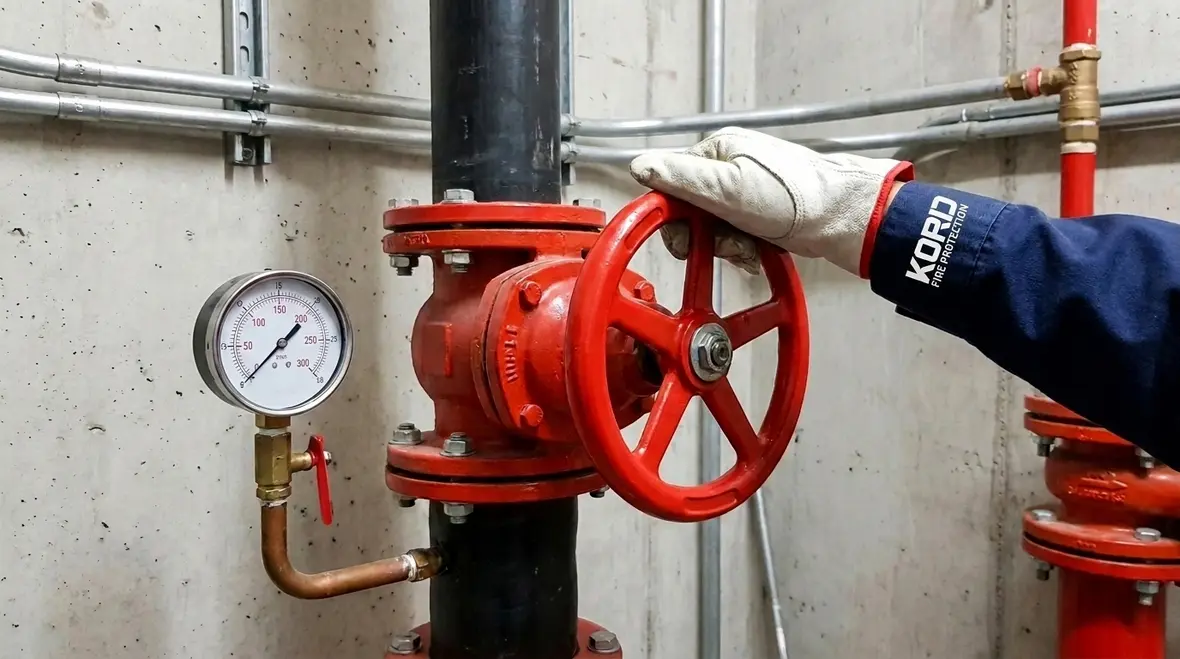
- Operating features such as handwheel or stem operation where applicable, ensuring movement does not bind.
- Trim and associated apparatus that influences valve position, supervision, or water flow initiation.
- Interfaces with alarms and supervision that must respond when the component changes state.
Facilities frequently miss compliance because the system “looks fine” during visual inspection but fails functional movement or produces incomplete supervision indications during action tests.
Operational procedures that satisfy standpipe component action
Meeting NFPA 25C Section 6.5 standpipe component action requirements requires a disciplined process. The goal is to verify reliable system behavior while minimizing unintended damage, unnecessary water discharge hazards, and repeated disruption to business operations.
Step one: Confirm system configuration and recent changes
Before any action testing, technicians validate system documentation against installed conditions. This includes verifying current standpipe elevation, hose valve type, control valve mapping, and any recent renovations affecting access, signage, or obstructions. A common failure point in commercial buildings is the mismatch between as-built diagrams and how the system was actually modified during tenant improvements.
Step two: Use controlled action testing with clear safety controls
Action testing introduces operational risk. Facilities benefit from a controlled approach that accounts for ambient conditions, water impact locations, slip hazards, and alarm system behavior. Where the procedure requires flow initiation or operational movement, teams coordinate alarm supervision impact and ensure the fire alarm monitoring pathway handles the test cycle correctly.
Step three: Validate “response” rather than “presence”
NFPA 25C Section 6.5 standpipe component action requirements do not end at physical access. The component must demonstrate the expected change of state. In practice, technicians verify the immediate outcome, such as proper valve movement, stabilization, correct supervision indication, and the absence of abnormal resistance or binding.
Step four: Document and track results for trend awareness
Documentation must show what was tested, where it was tested, who performed it, and what the system demonstrated. Trend tracking is critical in commercial facilities where multiple standpipes exist. Recurring partial movement, inconsistent indications, or repeated need for adjustment often signals emerging wear, corrosion, or water quality issues that will progress if left untreated.
For facilities that want a service baseline near the top of the planning conversation, Kord Fire Protection’s Standpipe System Class I-II-III service page fits naturally here because it connects inspection, maintenance, and installation support around the same equipment this section is talking about. ([kordfire.com](https://kordfire.com/standpipe-systems/?utm_source=openai))
Common compliance challenges and how they fail under inspection
Many findings tied to NFPA 25C Section 6.5 standpipe component action requirements do not stem from missing parts. They result from maintenance gaps, insufficient functional verification, or changes in the field that prevent action from occurring as intended.
1) Valve sticking, binding, and incomplete travel
Sticking commonly results from corrosion, mineral scale, infrequent operation, or minor misalignment after mechanical work in occupied spaces. Functional testing reveals incomplete travel even when the valve appears intact. Maintenance planning should include appropriate cleaning, lubrication practices where permitted, and verification of full movement.
2) Supervision and alarm pathways not reflecting actual component state
Where standpipe supervision is integrated with fire alarm systems, action requirements expose weaknesses in monitoring wiring, device settings, and supervision logic. A component can change state, but the supervisory panel might not reflect it correctly. Inspectors frequently request evidence that the supervision response correlates to the action.
3) Tamper, seals, and access barriers
Commercial facilities change constantly. Storage relocation, tenant modifications, and routine housekeeping can create access barriers. Seals may be removed during work and not replaced. Action testing fails when a component cannot be safely operated or when the supervising arrangement indicates unauthorized interference.
4) Incomplete coordination across disciplines
Standpipe action testing crosses fire protection, plumbing, electrical, and building operations. Facilities that treat standpipe inspection as a standalone task sometimes encounter workflow failures. Coordination prevents downtime surprises and ensures alarm response and documentation accuracy.
How commercial facilities should manage standpipe action requirements ongoing
Compliance becomes easier when the facility treats NFPA 25C Section 6.5 standpipe component action requirements as part of an integrated maintenance program. Kord Fire Protection supports commercial owners and managers with structured testing, accurate recordkeeping, and field coordination tailored to ongoing operations.
For teams already managing water based systems, Kord Fire Protection can align standpipe action checks with broader water based fire protection schedules. If the facility also maintains sprinkler systems, reviewing installation and maintenance alignment helps reduce inconsistent documentation and avoids duplicated or conflicting test plans. See additional guidance through NFPA 13 overview for installation considerations and NFPA 25 overview for water based system maintenance.
Where California jurisdictions or operational interpretations matter, teams also benefit from code awareness and practical planning. Refer to Fire sprinkler code California explained for context on how standards and enforcement expectations intersect.
Facility owners may also consult additional technical resources such as firepumps.org for pump and waterflow related understanding that often intersects with standpipe system performance.
For commercial projects with multi system scopes, coordinated service from a commercial partner can help ensure equipment access, supervision integration checks, and action test execution stay consistent from one inspection cycle to the next. For regional support, teams can also review kordelectric.com and kordfire.com.au.
Frequently Asked Questions
Next step: schedule a standpipe action readiness review
Ensure your standpipe system can demonstrate real operational response under NFPA 25C Section 6.5 standpipe component action requirements. Contact Kord Fire Protection to plan your next testing window, verify system configuration against as-built conditions, and build documentation you can present during AHJ review. A structured, repeatable program helps prevent late-cycle failures and supports safer readiness for commercial operations.

Join Our Newsletter!
Get the latest fire safety tips delivered straight to your inbox From our Newsletter.


