NFPA 25C Section 7.2: Private Fire Service Main Inspection and Corrective Action
Quick Answer: NFPA 25C Section 7.2 requires inspection of the private fire service main to confirm it remains in reliable operating condition. When deficiencies are found, corrective action must restore compliance through repairs, testing, and documentation to maintain dependable fire water supply performance.
If your facility coordinates private main reliability with pump performance, Kord Fire Protection’s fire pump service and testing support fits naturally into the planning process, especially where water supply issues can quietly drag down the whole system. Because yes, the underground piping can absolutely become the sneaky villain of the story. ([kordfire.com](https://kordfire.com/fire-pump/?utm_source=openai))
What NFPA 25C Section 7.2 actually requires
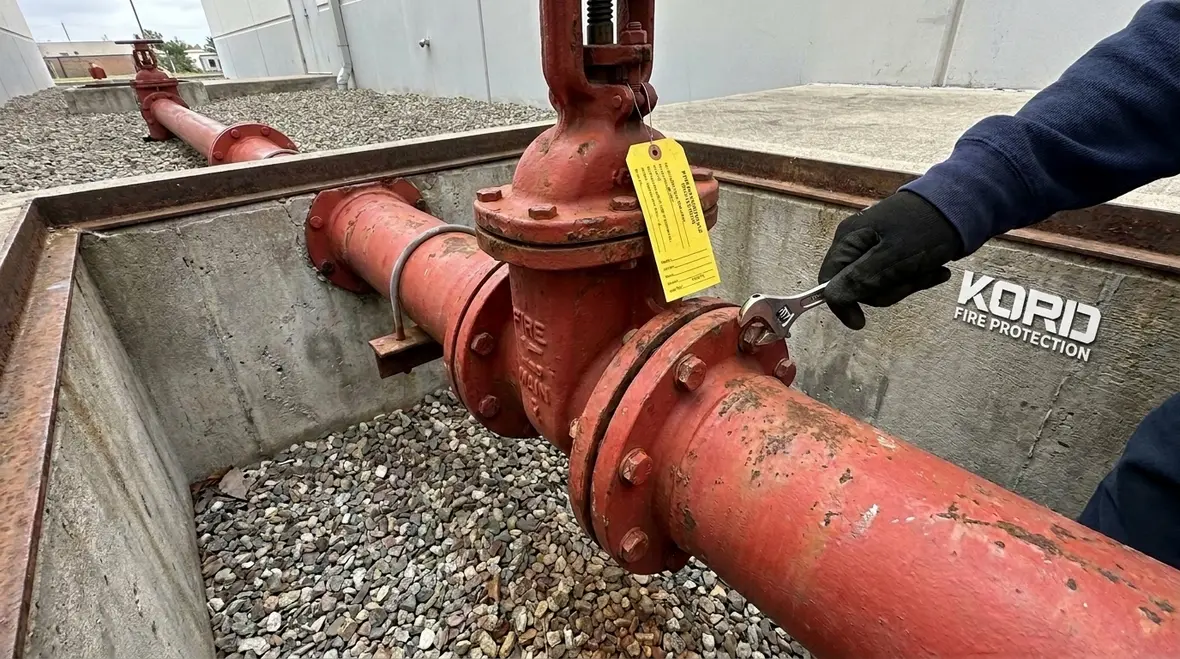
NFPA 25C Section 7.2 private fire service main inspection corrective action focuses on the underground or otherwise privately controlled piping that delivers fire water to the system. For commercial, industrial, and retail facilities, the private fire service main often carries the highest risk because it operates below ground, is exposed to corrosion or damage, and directly affects fire pump performance and system water supply. This section establishes the inspection expectations and the corrective action process when conditions indicate loss of reliability.
Facilities that maintain compliance only on paper commonly fail during operational testing. For that reason, the inspection and corrective action process must be integrated into the building maintenance plan, coordinated with fire pump testing, and supported by accurate records.
Who needs to care: private fire water supply in commercial facilities
Section 7.2 applies to the private portion of the water supply that the facility controls, including the water main feeding fire department connections, fire pumps, or other water based fire protection components. In real site operations, the private fire service main connects multiple critical systems, including:
- Fire pump suction supply and performance
- Automatic sprinkler system water supply where applicable
- Standpipe or hose valve water supply where applicable
- Fire department connection (FDC) capability
When the private main fails, the entire water supply strategy becomes unreliable. That risk is elevated in commercial and industrial environments where soil conditions, vehicle traffic above subsurface piping, and long intervals between inspections create hidden deterioration pathways.
Inspection fundamentals under Section 7.2: what to verify on site
Effective compliance starts with structured field verification. Under NFPA 25C Section 7.2 private fire service main inspection corrective action, inspectors verify both physical condition and functional readiness. The specific methods can vary by system design, but the inspection intent remains consistent: confirm the private main can deliver water at expected conditions and that connections and appurtenances remain serviceable.
1) Identify the physical system boundaries
The work begins by confirming the exact limits of the private fire service main on the as built plan and matching them to field conditions. Inspectors validate:
- Where private main ends and any public water interface begins
- Routing, depth, materials, and protection methods
- Locations of valves, meters, drains, relief devices, and check valves
- Any transitions to fire pump suction piping or FDC piping
Misidentifying the boundary is a common compliance gap. It leads to missed components or incorrect assumptions during corrective action planning.
2) Evaluate corrosion, damage, and integrity risk
Inspection practices typically target indicators of deterioration, including:
- Evidence of external corrosion at exposed valves or access points
- Signs of leakage, moisture accumulation, or subsurface settlement
- Broken, obstructed, or damaged protective covers and housings
- Damaged couplings or improper fittings at accessible junctions
Even when the main remains pressurized, small leaks can degrade reliability by lowering available pressure and air removal performance, especially when the system is called upon during a fire event.
3) Confirm appurtenances and drainage capability
Private mains commonly include appurtenances that must function correctly to support water flow and system readiness. Inspectors verify that valves move freely as designed, that drain and relief components are accessible and functional, and that any check mechanisms prevent backflow when required.
For winter climates, drainage and freeze protection become operationally critical. A main that traps water or fails to drain correctly can develop localized freezing damage and subsequent leaks.
Corrective action: how facilities restore compliance, not just pass inspection
When deficiencies occur, NFPA 25C Section 7.2 private fire service main inspection corrective action requires timely restoration of the main’s reliability. Corrective action plans must account for both immediate hazard reduction and long term durability.
Step 1: Classify the deficiency by risk to water supply
Corrective action begins with a risk based decision. Inspectors evaluate how the condition affects:
- Available flow and pressure at the fire pump suction or FDC
- Ability to deliver water under expected demand
- Potential for contamination or failure during a fire event
- Likelihood of recurrence due to root cause
This is where commercial facility standards matter. A repair that restores apparent function but leaves corrosion drivers unaddressed may fail again quickly and create repeated shutdown and cost escalation.
Step 2: Implement repairs with verified workmanship
Repairs commonly include valve refurbishment or replacement, pipe joint repair, correction of improper fittings, restoration of damaged sections, and improvements to protection measures. Work must be performed to sound plumbing and piping practices and then verified. A common pitfall is “patching” exposed areas without addressing the underlying corrosion mechanism.
Step 3: Re test and document outcomes
Corrective action does not end at repair completion. Documentation must connect the observed condition to the corrective work and then to verification results. Facilities should ensure records include:
- Inspection findings and location details
- Deficiency description and impact on water supply reliability
- Corrective action performed and materials used
- Post repair verification testing and measured results where applicable
- Updated system drawings when the work changes physical configuration
Maintaining clean records supports audit readiness and reduces contractor friction during re inspection.
Common failure points that trigger corrective action
Across commercial, industrial, and retail sites, the same root causes repeatedly create noncompliant conditions that require NFPA 25C Section 7.2 private fire service main inspection corrective action. The most frequent include:
- Corrosion at accessible valves and joints due to soil moisture, stray currents, or poor coating
- Valve issues where stems seize, packing leaks, or valve positions do not match expected configuration
- Blocked or damaged drainage components that prevent proper draining and allow freeze or trapped water
- Subsurface damage from ground movement or external loading from traffic and equipment
- Inadequate freeze protection at exposed sections or access points
Facilities that want to reduce corrective action frequency should focus on preventive measures and coordinated testing schedules, not only reactive repairs.
How to integrate main inspections with the broader fire protection maintenance program
Private fire service main reliability does not operate in isolation. It directly affects the performance of water based fire protection components, including sprinkler systems and related water supply arrangements.
For sprinkler and water based system maintenance alignment, facilities can reference these resources from Kord Fire Protection to strengthen the maintenance program structure and inspection planning:
- NFPA 13 overview for automatic fire sprinkler system installation
- NFPA 25 overview and complete water based fire protection systems maintenance breakdown
- Fire sprinkler code guidance for California explained
In practice, Kord Fire Protection coordinates private main inspections with fire pump testing and ongoing water based inspection schedules to reduce system-wide failures. That coordinated approach is essential for facilities seeking consistent compliance outcomes and fewer emergency shutdowns. ([kordfire.com](https://kordfire.com/fire-pump/?utm_source=openai))
For additional fire pump and water supply context, firepumps.org provides general industry knowledge that supports a more complete understanding of supply system performance.
Frequently Asked Questions
Next step for compliance
Ensure the private fire service main inspection corrective action process is fully planned, field verified, and documented. Kord Fire Protection supports commercial and industrial facilities with structured inspections, coordinated water supply testing, and corrective action execution designed to restore reliability, not just check a box. Contact Kord Fire Protection to schedule a Section 7.2 readiness review and build a maintenance plan aligned with your system configuration and risk profile.

Join Our Newsletter!
Get the latest fire safety tips delivered straight to your inbox From our Newsletter.