NFPA 13 Section 32.1 — Sprinkler System Inspection, Testing, and Maintenance: General Guide
Quick Answer: NFPA 13 Section 32.1 establishes a practical framework for inspecting, testing, and maintaining fire sprinkler systems to keep them reliable. It aligns owners, contractors, and inspectors on routine checks, operational testing, and corrective actions that protect life safety and property.
What NFPA 13 Section 32.1 requires, in plain commercial terms
NFPA 13 Section 32.1 is the general guide that frames how sprinkler systems must be kept in service. For commercial property teams, it translates into disciplined processes: verify system acceptance status, confirm hazards remain protected, inspect components for physical and functional condition, test to detect hidden failures, document results, and correct deficiencies promptly. This is the foundation behind effective NFPA 13 inspection testing maintenance sprinkler systems programs across retail, industrial, and mixed use facilities.
In practice, Section 32.1 focuses less on one-time acceptance and more on ongoing stewardship. It expects the system to remain ready for operation even as buildings change, equipment shifts, and routine operations stress piping, valves, and detection components.
How compliance is achieved: inspection, testing, and maintenance workflows
Effective programs typically follow a repeatable cycle. NFPA 13 Section 32.1 acts as the governance layer that ties that cycle together. A commercial compliant approach usually includes the following operational steps.
For a broader installation context that supports long-term serviceability, see this NFPA 13 overview for automatic fire sprinkler system installation.
1) Plan and document what will be checked
Facilities often miss compliance because they treat inspections as informal walk throughs. Section 32.1 emphasizes structured oversight. Companies must maintain records that identify system configurations, water supplies, valve locations, supervisory devices, and any special features such as controls, alarms, preaction, or antifreeze arrangements where applicable.
2) Inspect for physical condition and readiness
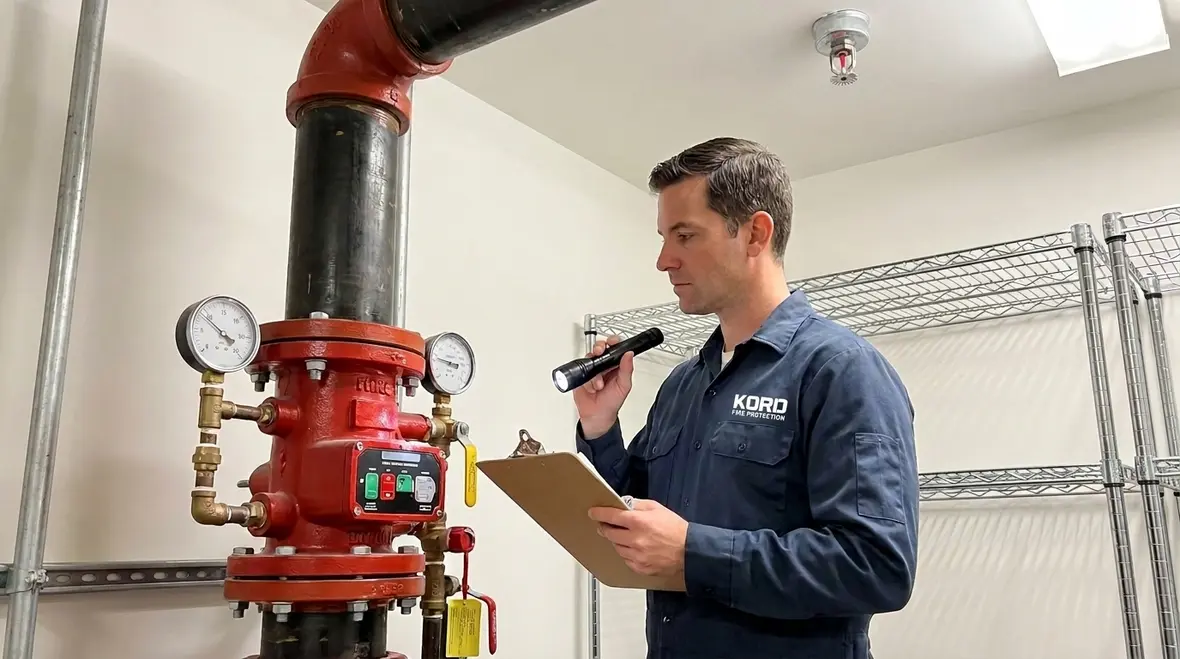
Inspections concentrate on whether sprinkler system components remain intact and unobstructed. This includes checking sprinklers for paint, damage, corrosion, leaks, and obstructions, as well as verifying that remote areas remain accessible. It also includes valve supervision integrity and confirming that supervisory signaling pathways operate correctly.
Common commercial failure points include ceiling modifications that hide sprinkler drops, improper storage practices that cover sprinkler locations, and maintenance activities that accidentally alter or disable valves, tamper switches, or detection circuits.
3) Test components to reveal functional failures
Testing activities focus on performance and signaling. Examples in sprinkler systems often include operational checks of control valves, verification of alarm and supervisory device behavior, and testing of waterflow and pressure related functions where systems use such devices. The goal is to discover hidden problems that physical inspection alone cannot detect.
4) Maintain and correct defects immediately
Maintenance activities restore the system to an operable condition. When inspections and tests identify deficiencies, corrective action must address both the component defect and the underlying cause. Typical corrective tasks include replacing impaired sprinklers, repairing damaged piping or hangers, restoring valve supervision, and correcting air or water pressure related issues.
For facility owners and property managers, Kord Fire Protection supports practical compliance planning and execution so the system stays aligned with current occupancy needs and local program expectations. For an installation context that improves long-term inspection effectiveness, see: NFPA 13 overview for automatic fire sprinkler system installation.
Where commercial facilities get tripped up during NFPA 13 inspection testing maintenance sprinkler systems
Even well designed sprinkler systems can fail reliability if inspection and maintenance programs do not reflect real-world building operations. The most frequent compliance challenges typically fall into these categories.
Valves and supervisory signaling drift from normal operation
Control valves, alarm check valves, and supervisory devices can lose proper operation due to vibration, maintenance errors, or unauthorized adjustments. A supervisory system that is not properly reporting tamper or valve position can delay response when the system needs to work. Section 32.1 creates the expectation that supervision status remains verified through inspection and testing.
Sprinklers become impaired by construction, renovations, and maintenance
Sprinklers can become obstructed or damaged during tenant improvements, lighting upgrades, HVAC reroutes, or storage changes. Protective caps, overspray, and paint application failures can also cause impairment. Commercial teams must treat changes to ceiling finishes and space use as triggers for sprinkler verification as part of the NFPA 13 inspection testing maintenance sprinkler systems approach.
Water supply and air or pressure related conditions degrade unnoticed
Hydraulic performance relies on water supply reliability. While Section 32.1 is a general guide, its intent supports ongoing checks and corrective actions that keep the system supplied and ready. Systems that use air maintenance or where pressure conditions are critical must receive attention so that a latent condition does not prevent proper operation.
Documentation gaps undermine enforceable compliance
Some facilities perform work but fail to document it in a way that matches inspection and testing expectations. When records are incomplete, it becomes difficult to demonstrate compliance, identify patterns, and support corrective action decisions. Kord Fire Protection helps commercial teams keep documentation audit ready through consistent reporting practices.
Operational mechanisms to understand before the next inspection or test
To maintain compliance confidently, commercial stakeholders benefit from knowing how key sprinkler system mechanisms behave under inspection and test conditions.
Sprinkler heads: physical and functional reliability
Sprinklers are both life safety components and test sensitive assets. Physical inspection confirms integrity, correct spacing, and absence of obstructions. Functional readiness depends on the sprinkler’s ability to operate when its operating element activates. Maintenance focuses on replacing impaired components, using correct listings, and ensuring no mismatches occur during repairs.
Waterflow and alarm signaling pathways
Sprinkler systems with waterflow detection rely on detection circuits and alarm signaling paths. Testing verifies that alarm notifications occur as intended and that supervisory devices report correct statuses. When alarms do not respond reliably, facility personnel may not receive timely alerts, which is a major operational hazard.
Valves: position, supervision, and leakage control
Valves provide control and isolation, but they also represent risk points. Inspections verify that valves remain in their required position, that supervisory signals reflect reality, and that leakage does not develop into system impairment. Maintenance addresses both valve condition and supervision integrity.
Building change management: keeping NFPA 13 inspection testing maintenance sprinkler systems aligned
Commercial and industrial operations rarely stay static. Tenant improvements, ceiling replacements, warehouse rack changes, and changing occupancies can all affect sprinkler performance. A robust program treats building change as a compliance trigger.
Create a change notification loop
When a project impacts ceilings, storage layouts, or fire alarm and control wiring, the fire protection team should receive details early. This allows sprinkler obstructions, head relocations, and valve supervision impacts to be evaluated before work proceeds and creates rework or risk.
Confirm coverage after selective modifications
Even small modifications can change how water reaches hazards. Facilities should verify that modifications do not block discharge patterns, reduce effective coverage, or alter control valve operations. This aligns with the general intent of Section 32.1 and reduces the chance of discovering issues only at annual inspection time.
For additional guidance on ongoing systems stewardship, property teams can also reference fire pump resources for critical infrastructure protection to strengthen understanding of water supply equipment that often interfaces with sprinkler reliability requirements.
FAQs about NFPA 13 inspection testing maintenance sprinkler systems (Section 32.1)
Final checklist before the next service cycle
- Verify sprinkler accessibility, no obstructions, and no physical impairment.
- Confirm control valves and supervisory devices indicate correct status.
- Complete required operational tests and validate alarm and supervisory responses.
- Document findings, track corrective actions, and close deficiencies promptly.
- Trigger sprinkler verification when renovations or storage changes occur.
For dependable compliance in busy commercial environments, engage a qualified partner early and keep inspection documentation audit ready. Kord Fire Protection can help facilities build an inspection testing maintenance plan that fits real operational schedules and occupancy changes. Start with a system review today, then schedule ongoing service to protect life safety and reduce compliance risk.
kordelectric.com and kordfire.com.au can also support broader life safety and electrical coordination where applicable.

Join Our Newsletter!
Get the latest fire safety tips delivered straight to your inbox From our Newsletter.