
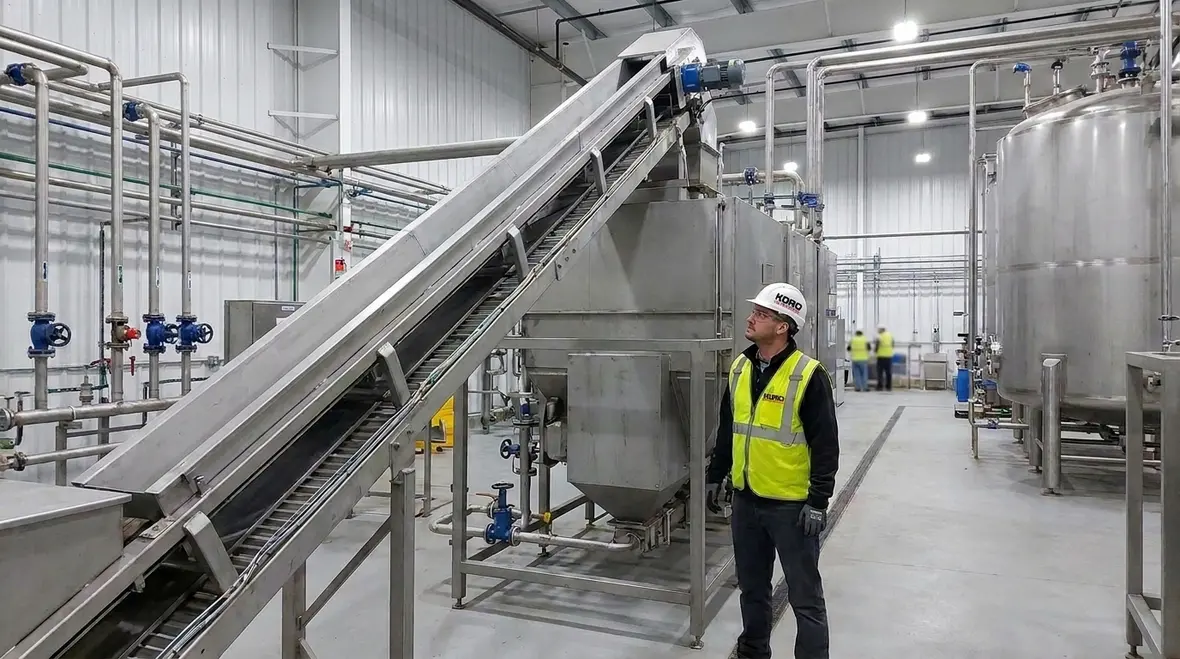
NFPA 36 Section 8.4: Extractors, Desolventizers, Toasters, Dryers, and Spent Flake Conveyors
Quick Answer: NFPA 36 Section 8.4 sets detailed fire protection expectations for extractors, desolventizers, toasters, dryers, and spent flake conveyors, including ignition source control, protection of solvent handling areas, and inspection and maintenance of critical mechanical and safety components. Compliance depends on documented equipment condition and operational discipline.
Facilities managing solvent process hazards often benefit from broader fire suppression system services that support inspection, maintenance, and code-compliant readiness across industrial protection systems.
What NFPA 36 extractor desolventizer dryer requirements cover (and why they matter)
Facilities using solvent extraction processes manage Class I flammable solvent atmospheres alongside high-temperature drying and mechanical conveyors. NFPA 36 extractor desolventizer dryer requirements within Section 8.4 focus on preventing ignition of solvent vapors and limiting fire spread where extractors, desolventizers, toasters, dryers, and spent flake conveyors concentrate heat, fuel, and potential release points. For commercial and industrial sites, the compliance challenge often comes from real-world maintenance conditions, not from the equipment design alone.
This is a common inspection gap: equipment can be installed correctly, yet routine work practices, poor housekeeping, worn seals, malfunctioning venting, or neglected interlocks gradually reduce system effectiveness. Kord Fire Protection supports ongoing compliance through inspection readiness reviews, documentation support, and practical testing and maintenance coordination for fire protection systems tied to solvent operations.
Key risk drivers in Section 8.4 solvent extraction equipment
1) Solvent vapor release and ignition potential
Extractors, desolventizers, toasters, and dryers operate with solvent-laden solids or solvents in process vessels. The hazard profile typically includes: vapor generation, fugitive emissions from seals and gaskets, solvent condensed in ductwork, and flammable atmospheres near exhaust or transfer points. Section 8.4 expectations concentrate on reducing ignition sources around these release points and ensuring equipment is maintained so it performs as intended during normal operations and upset conditions.
2) Hot surfaces and mechanical energy
Dryers and toasters introduce high-temperature surfaces and process heat. Conveyors handling spent flake transfer can create friction heat, impact at transfer chutes, and dust deposition that becomes fuel for ignition. Common failure points include misaligned conveyors, failing bearings, degraded belt scrapers, and loose or damaged covers around transfer points. These conditions can defeat the control strategy intended by the design.
3) System integrity of enclosures, vents, and exhaust routing
Vent systems and ducting are critical in solvent facilities. Even when valves, dampers, and fans function at commissioning, later modifications, corrosion, duct leaks, or incorrect damper positions can allow solvent vapors to migrate to areas not designed for flammable atmospheres. Section 8.4 compliance depends on maintaining enclosure integrity and ensuring the process ventilation and solvent handling pathways remain effective.
Extractors, desolventizers, toasters, and dryers: compliance expectations in practice
Section 8.4 addresses fire protection and operational safeguards for equipment that collectively manages solvent extraction and solvent removal. The goal is not just code adherence at installation but consistent protection across day-to-day operations.
Operational controls that inspectors look for
- Consistent operating parameters: Temperature and flow control that prevents uncontrolled vapor release and minimizes overloading of condensing or recovery components.
- Integrity of covers, access panels, and inspection ports: Proper closure and sealing practices so solvent vapors do not escape during operation.
- Maintenance discipline: Replacement of worn seals, gaskets, and insulation before they become ignition pathways or emission sources.
- Control of dust and residue: Removal of spent flake and condensed residues in and around hot equipment and transfer points.
Common ignition source controls for these units
Within the spirit of NFPA 36 Section 8.4, facilities typically need to ensure ignition sources are managed around extraction and solvent recovery zones. Inspectors commonly evaluate the practical implementation of ignition source control measures such as safe electrical practices near solvent process equipment, management of hot bearing or friction points, and proper guarding of moving parts that can spark or overheat. Where the facility uses detection, shutdown, or suppression systems, Section 8.4 expectations align with maintaining them in serviceable condition and ensuring operators understand the intended response.
Spent flake conveyors: where problems often start
Spent flake conveyors create a unique combination of mechanical friction, heat exposure, and residue handling. The compliance risk increases at transfer points, discharge chutes, and any location where solvent-laden residue could contact hot surfaces or where flammable vapor accumulation could occur due to poor enclosure or ventilation.
Design and installation features that affect compliance
- Enclosure and isolation at transfer points: Covers and sealed pathways limit vapor migration to areas where ignition sources may exist.
- Conveyor alignment and tension: Prevents mechanical binding, reduces friction heat, and avoids belt damage that can expose hot components or create sparks.
- Chute geometry and impact management: Reduces particle impact that can generate localized heating and ignition-prone conditions.
Maintenance actions that reduce failure likelihood
- Inspect and replace bearings and belt components on a defined schedule rather than after failure.
- Clean residues from around bearings, housings, and duct transitions to prevent fuel buildup near hot surfaces.
- Verify scraper and seal performance to prevent carryover and condensation buildup along the conveyor line.
Inspection, testing, and documentation: the compliance backbone
NFPA 36 processes depend heavily on sustained readiness. A typical compliance program for extractor, desolventizer, toaster, dryer, and spent flake conveyor systems should include inspection steps tied to actual risk points, supported by maintenance records and operational logs.
What “good” looks like during an audit
- Documented inspection intervals: Evidence that critical areas such as seals, vent interfaces, conveyor transfer points, and hot surfaces are checked on a schedule.
- Defect tracking and closure: Repairs to leaks, damaged insulation, worn components, and misaligned equipment closed before they become chronic emission or ignition risks.
- Operational checks: Verification that interlocks, shutdown behavior, and abnormal operating procedures remain aligned with current equipment configuration.
How Kord Fire Protection supports compliance readiness
Kord Fire Protection helps commercial and industrial operators maintain the level of safety NFPA 36 expects by supporting inspection planning, system readiness, and practical verification of fire protection controls tied to solvent extraction operations. For facilities with multiple buildings or shared services, Kord also assists with coordination practices that prevent overlooked maintenance gaps at process boundaries.
To align your fire protection and inspection program with real process risk, facilities often benefit from stronger documentation habits. For additional context on planning and recordkeeping practices, consider reviewing fire safety system documentation for compliance alongside broader Kord Fire Protection services to support ongoing compliance execution.
Frequently Asked Questions
Conclusion and call to action
NFPA 36 Section 8.4 requires more than correct initial installation. Operators must maintain equipment integrity, control ignition sources around solvent vapor risks, and keep spent flake conveyors operating as designed. Kord Fire Protection can help commercial facilities build an inspection and maintenance program that stays audit ready, reduces recurring failure points, and supports safe, reliable solvent processing. Contact Kord Fire Protection to schedule a compliance readiness review tailored to your extractor, desolventizer, toaster, dryer, and conveyor systems.

Join Our Newsletter!
Get the latest fire safety tips delivered straight to your inbox From our Newsletter.



