
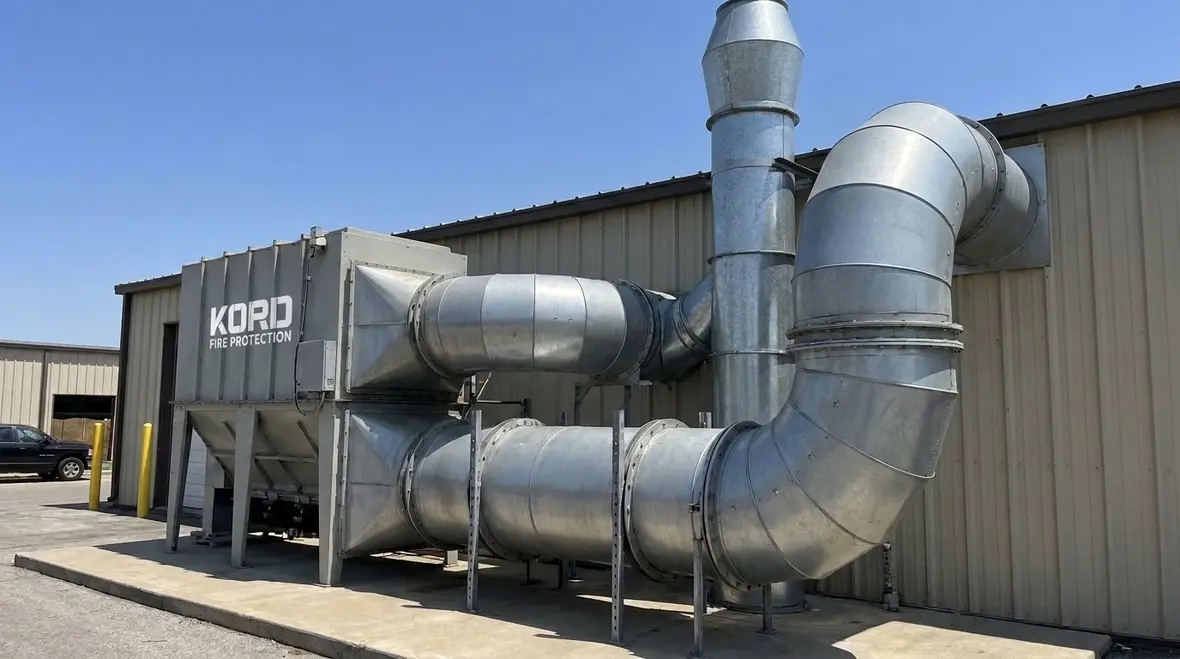
NFPA 36 Section 8.2: Venting for Extraction Process Equipment
Quick Answer
NFPA 36 Section 8.2 sets the venting design and installation expectations for extraction process equipment, focusing on safely managing flammable vapors, maintaining correct discharge routing, and ensuring vents function as intended. Facilities must align vent sizing, termination location, and maintenance practices with the standard.
For facilities tightening inspection workflows and documentation around related fire protection systems, it’s also worth reviewing fire protection services in Southern California to support practical compliance planning.
Why NFPA 36 equipment venting requirements matter in real operations
Extraction process equipment creates conditions that can rapidly shift from normal operation to hazardous vapor accumulation when ventilation, routing, or venting integrity fails. NFPA 36 equipment venting requirements address not just the presence of vents, but how vents perform under production conditions, during startups, and through changes in load, solvent use, and airflow patterns.
In commercial, industrial, and retail environments that use extraction processes, common failure points include undersized vent systems, incorrect discharge locations, damaged ducting, blocked or partially closed dampers, and inadequate inspection or documentation. These issues can undermine explosion protection and compromise overall fire safety program effectiveness.
What NFPA 36 Section 8.2 covers for extraction equipment venting
NFPA 36 Section 8.2 focuses on venting for extraction process equipment, establishing performance expectations for directing vapors and gases to a safe location. The practical objective is to prevent hazardous vapor concentrations near ignition sources and to ensure that vented materials discharge in a controlled and predictable manner.
From a compliance standpoint, Section 8.2 typically drives the design intent captured by engineers and the field verification performed by operations teams. Fire safety professionals then verify that installed systems match the approved design basis and remain capable over time. That verification commonly includes duct integrity, termination compliance, and confirmation that venting routes do not create new ignition risk areas.
For facilities where engineering diagrams and field installation do not align, inspections often reveal missing fittings, ad hoc modifications, or unsealed joints that reduce vent effectiveness. These gaps matter because extraction equipment venting must behave as a system, not as a set of components.
How venting systems typically function during extraction cycles
In extraction processes, equipment can release solvent vapors and other volatiles that must be exhausted or routed away. A properly designed vent system supports vapor removal by:
- Maintaining a predictable airflow path from the extraction process to the vent discharge point
- Reducing the risk of vapor accumulation in equipment rooms and adjacent areas
- Limiting leakage points that can form flammable atmospheres near ducts, fans, motors, or other ignition sources
- Preserving exhaust performance during variable operating conditions such as ramp up, steady-state extraction, and shutdown
Operationally, facilities must ensure that vents remain unobstructed and that fans and dampers function as intended. If airflow control is automated, the controls must accurately respond to process states. If airflow control is manual, trained personnel must follow procedures that prevent extended downtime with vents inactive.
A frequent commercial compliance challenge occurs after equipment upgrades. A vendor may replace a duct section, relocate a sensor, or alter routing for maintenance access. Even small changes can affect velocity, resistance, and pressure relationships, which can reduce capture performance. That is why ongoing inspections and change control become essential.
Common compliance pitfalls that trigger inspection findings
Even when the original design aligns with the standard, inspection findings often originate from day-to-day conditions. The following pitfalls commonly impact NFPA 36 equipment venting requirements:
- Incorrect vent routing or discharge placement: Terminations that introduce risk to personnel areas, create recirculation, or place discharges where vapors can accumulate.
- Duct leakage and loose connections: Deteriorated seals, poor flange alignment, and unsealed penetrations can reduce effectiveness and increase vapor release into protected spaces.
- Blockage and buildup: Condensate, residue, or debris can restrict airflow and change venting performance.
- Fan and damper impairment: Mechanical wear, misalignment, damaged linkages, or incorrect damper positions can lead to venting that does not occur when required.
- Unverified modifications: Field changes without updated drawings, updated calculations, or acceptance testing.
- Inadequate inspection records: Without documented checks of condition and function, facilities struggle to demonstrate compliance and trend degradation.
Facilities that operate across shifts often see the highest risk during transition periods. When maintenance windows overlap extraction schedules, vents may be temporarily isolated. If isolation procedures do not fully address the process hazard controls, the facility can lose the safety margin that the venting system provides.
Inspection, testing, and maintenance practices that keep venting effective
NFPA 36 equipment venting requirements do not end at installation. Vents must remain capable through ongoing maintenance and verification. A practical compliance program typically includes:
- Visual inspection: Check duct condition, joints, hangers, supports, and termination integrity for damage, corrosion, and leakage indicators.
- Functional verification: Confirm fans and dampers operate in the correct sequence during process start, steady-state, and shutdown conditions.
- Obstruction checks: Verify no condensate traps or internal sections build up residue that restricts flow.
- Documentation and change control: Maintain current as-built drawings and update them after any work that affects vent pathways, velocities, or discharge locations.
- Corrective maintenance: Repair leaks promptly and retest performance after duct replacements or component swaps.
In commercial facilities, Kord Fire Protection commonly supports ongoing compliance by reviewing ventilation-related fire safety interfaces, assisting with inspection workflows, and helping align documentation with facility and insurer expectations. This reduces the likelihood that maintenance activity unintentionally compromises venting performance or termination safety.
For more information on how commercial fire protection program management supports operational readiness, see Kord Fire Protection.
Teams that want to tighten recordkeeping can also review fire safety system documentation for compliance as a practical companion topic.
Design and operational coordination: who owns venting performance?
Effective compliance depends on coordination across engineering, operations, and fire safety teams. Venting performance depends on how process engineers size systems, how operations control them during extraction cycles, and how maintenance keeps them functional.
Engineering responsibilities
- Establish design assumptions for vapor generation, airflow resistance, and vent discharge intent
- Provide as-built routing and updated calculations when modifications occur
- Define acceptable performance criteria that can be checked in the field
Operations responsibilities
- Follow startup and shutdown procedures that ensure venting activates when vapor generation occurs
- Control temporary isolations during maintenance through approved procedures
- Train personnel to recognize abnormal venting conditions, such as unusual noise, vibration, or visible discharge anomalies
Fire protection and compliance responsibilities
- Verify that installed systems match approved drawings
- Support inspection and maintenance documentation that demonstrates ongoing capability
- Identify recurring failures and recommend corrective actions that reduce risk over time
When these responsibilities align, facilities can meet NFPA 36 equipment venting requirements with fewer operational surprises and stronger audit outcomes.
Frequently Asked Questions
Conclusion and call to action
NFPA 36 equipment venting requirements under Section 8.2 succeed only when systems stay aligned with the design intent throughout the equipment lifecycle. Kord Fire Protection helps commercial facilities reduce venting-related risk through inspection support, maintenance alignment, and documentation readiness. Contact Kord Fire Protection to review extraction equipment venting performance, identify high-risk gaps, and build a practical compliance and maintenance plan you can execute consistently across shifts.

Join Our Newsletter!
Get the latest fire safety tips delivered straight to your inbox From our Newsletter.



