
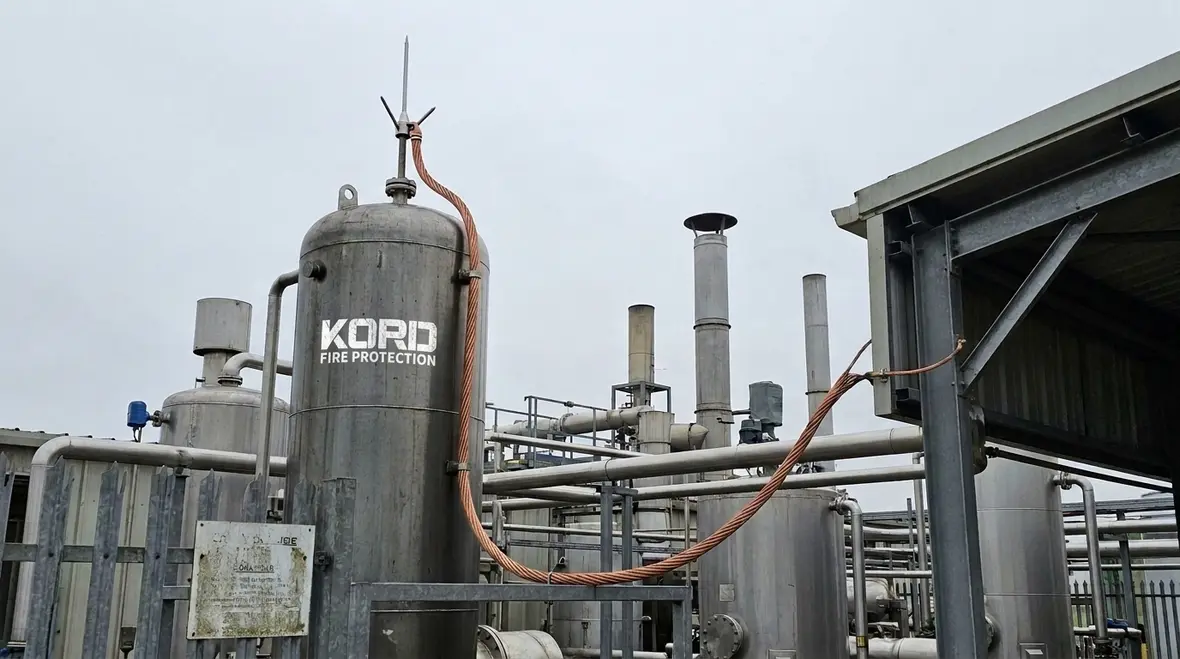
NFPA 36 Section 7.11: Lightning Protection for the Extraction Process
Quick Answer: NFPA 36 Section 7.11 requires lightning protection controls for extraction process areas to reduce ignition risk from high energy strikes. Compliance typically includes hazard evaluation, properly designed air terminals and conductors, grounding and bonding, and documented inspection and maintenance.
For facilities managing broader special hazard protection, commercial fire suppression system services often fit naturally into the same compliance conversation, especially where extraction process risks overlap with ignition control, detection, and system maintenance.
Why NFPA 36 lightning protection matters in extraction operations
Lightning protection is not just a utility or facilities issue. In extraction environments, energized systems, flammable atmospheres, and process equipment can create a path from a lightning event to ignition. NFPA 36 lightning protection extraction requirements focus on installing and maintaining a complete system that safely conducts lightning energy to earth while limiting dangerous side effects such as arcing, conductor damage, and ignition of combustible vapors or residues.
In practice, many compliance failures occur after installation, when systems are altered, corrosion develops, grounds weaken, or inspection documentation is incomplete. A compliant program therefore depends on both correct original design and disciplined ongoing verification.
Where Section 7.11 applies during extraction
NFPA 36 Section 7.11 targets lightning protection needs related to the extraction process. That usually includes areas where extraction equipment, storage of flammable or combustible liquids, and ventilation systems can contribute to combustible atmospheres.
Common facility zones that trigger review
Extraction buildings and enclosures containing process vessels, solvent transfer points, or distillation related equipment.
Outdoor mounting locations for extraction process components, pumps, manifolds, and piping supports that can become direct strike targets.
Areas with overhead ducting, stack-like exhaust components, and tall structures connected to process operations.
Zones where combustible vapors can accumulate due to normal operation, maintenance activities, or ventilation upset conditions.
Commercial and industrial facilities frequently underestimate how operational changes influence lightning risk. New equipment, reconfigured piping, added ductwork, replaced rooftops, and revised electrical routing can all change exposure pathways. Retail operations that support extraction supply chain logistics should also ensure transfer and laydown areas remain covered under the facility lightning protection narrative.
What a compliant lightning protection system must do
Section 7.11 expects a lightning protection strategy that accomplishes three core outcomes: interception of lightning at designed points, controlled conduction to earth, and effective grounding and bonding to reduce dangerous voltage gradients and side flash. A compliant system does not rely on “partial coverage” or informal visual checks.
Typical system components
Interception: properly located air terminals and connected components designed to capture a strike before it reaches process critical elements.
Conductors: continuous, securely attached down conductors sized and routed to minimize sharp bends, exposed segments, and physical damage exposure.
Grounding: a grounding system that provides a low resistance path and maintains performance as soil conditions and materials age.
Bonding and equipotential control: bonding of metal parts and connecting components to limit potential differences and arcing risks.
Operational integration that many teams miss
Even when the hardware is correct, operational integration can fail. For example, a contractor may reroute cable trays, add roof-mounted fans, or extend exhaust stacks without notifying the lightning protection responsible party. Those changes can create new strike points or disconnect components, which undermines the system’s ability to safely conduct energy. NFPA 36 lightning protection extraction requirements therefore need an internal control method: change management and documentation must match the as built reality.
Inspection, testing, and maintenance for extraction facilities
NFPA 36 compliance is sustained through scheduled inspection and evidence-based maintenance. A system that looks intact at a glance can still have degraded connections, loosened clamps, corrosion at terminations, or grounding deterioration that affects performance during a lightning event.
What inspection should verify
Physical condition: intact air terminals, secure mounts, conductor continuity, and absence of damage or missing components.
Connection integrity: clamp security, tight bonding interfaces, and no evidence of overheating or arcing damage.
Grounding performance: confirmation that grounding remains effective over time, including verification of continuity paths and condition of electrodes.
Route protection: conductors maintained away from traffic zones and protected from mechanical impacts and corrosive exposure.
System record accuracy: updated drawings, component labeling, and maintenance history that reflect modifications.
Common failure points in extraction environments
Corrosion at terminations: solvent vapor and cleaning chemicals can accelerate deterioration around exposed metallic interfaces.
Loosened hardware: roof traffic and maintenance access can impact conductor fasteners and roof attachments.
Disconnected bonding: electrical upgrades or instrumentation changes may alter equipotential paths.
Ground system aging: soil moisture cycles, erosion, and disturbed landscaping can reduce performance.
Because lightning protection reliability directly affects ignition risk reduction in extraction, many facilities benefit from a documented program that ties inspection findings to corrective work orders. Kord Fire Protection supports commercial compliance through inspection planning, evidence-based documentation, and maintenance coordination aligned to facility operational realities.
Compliance documentation and audit readiness
During insurance reviews and regulatory inspections, the most common weakness is not the absence of hardware, but incomplete records. A strong compliance file demonstrates that the system remains designed, installed, inspected, and maintained according to NFPA 36 lightning protection extraction requirements.
Recommended documentation set
As built or updated drawings showing interception points, down conductors, grounding electrodes, and bonding connections.
Inspection reports with identified deficiencies, corrective actions taken, and reinspection evidence where required.
Maintenance logs showing date, scope, and materials or component replacements.
Change management records for roof penetrations, equipment additions, cable tray routing, and exhaust stack modifications.
For facilities seeking a structured approach to documenting life safety and fire protection performance, Kord Fire Protection can help align lightning protection maintenance records with broader commercial fire safety compliance practices. For related guidance, see Kord Fire Protection.
How to implement lightning protection requirements in real projects
NFPA 36 Section 7.11 is best executed as a project workflow rather than a one time installation. The most successful compliance programs include early scoping, design verification, controlled installation, and post installation validation that reflects how the extraction process operates.
Practical implementation steps
Run a process area hazard review to define where extraction operations, transfer points, and combustible atmosphere risks overlap with lightning exposure.
Confirm system design matches the facility geometry, including roof layout, tall equipment, exhaust pathways, and conductor routing constraints.
Control installation quality with verified continuity, proper terminations, and correct bonding to metal parts that can become strike or arc paths.
Update records after construction to prevent audit gaps caused by field changes.
Adopt a maintenance schedule that accounts for access patterns, corrosion exposure, and seasonal impacts on grounding.
Commercial extraction sites often operate under tight shutdown windows. A coordinated lightning protection service plan reduces repeat visits by integrating inspection, corrective work, and documentation into one controlled cycle. That approach improves compliance consistency for multi building campuses and mixed use retail or warehouse corridors.
Frequently Asked Questions
Conclusion and call to action
Lightning protection is a critical risk control for extraction operations, and NFPA 36 Section 7.11 demands more than hardware installation. Ensure your system design, inspection evidence, and maintenance program match the as built facility and the way extraction equipment actually operates. Contact Kord Fire Protection to support compliant lightning protection inspections, corrective maintenance coordination, and documentation that holds up under audits.

Join Our Newsletter!
Get the latest fire safety tips delivered straight to your inbox From our Newsletter.



