
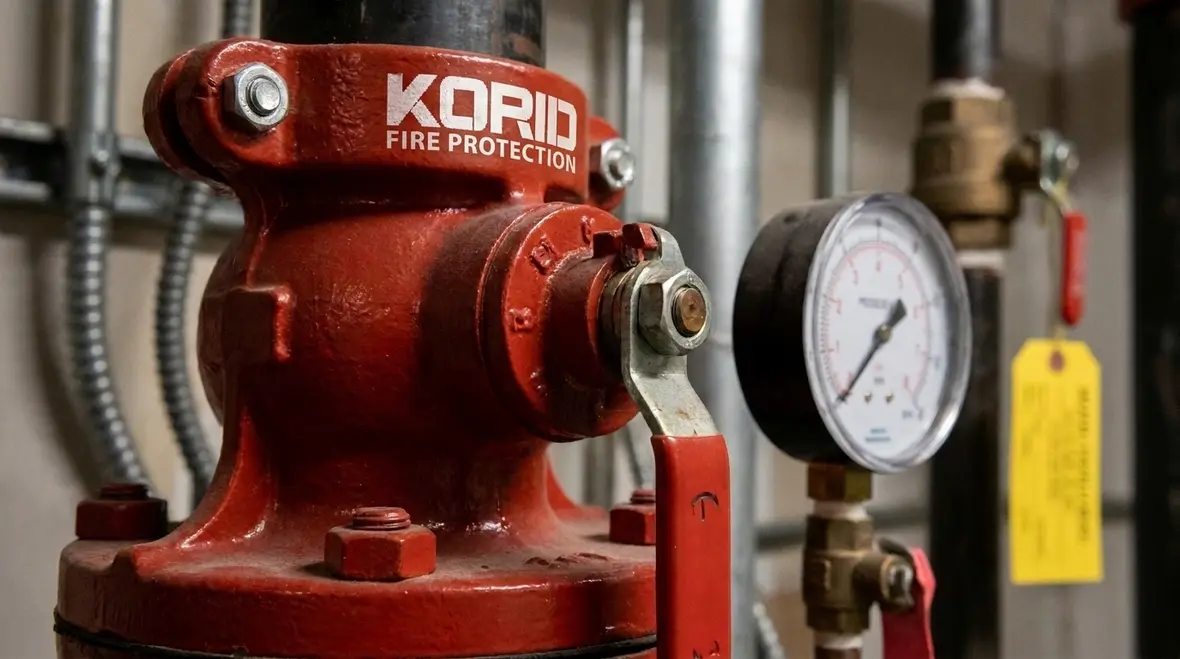
NFPA 25C Annex H: Understanding Penal Code 386 Fire System Tampering Laws in California
Quick Answer
Naming NFPA 25C Annex H in a California compliance program helps facilities align maintenance and inspection behavior with legal risk. Penal Code 386 fire system tampering laws California focus on unlawful interference with fire alarm, sprinkler, and related protective systems. A documented maintenance process reduces violations, delays, and enforcement exposure.
What NFPA 25C Annex H is trying to prevent
NFPA 25C (Inspection, Testing, and Maintenance of Water-Based Fire Protection Systems, including related guidance for sprinkler systems) includes Annex material that explains the intent behind the inspection and maintenance discipline. Annex H is commonly referenced to reinforce a core safety concept: fire protection systems must remain available, operational, and reliable.
From an operations standpoint, Annex H supports the idea that maintenance and inspection are not optional “best practices.” They are risk management. When facilities delay tests, leave valves in the wrong position, disable monitoring circuits, or remove protective components “temporarily,” the system’s readiness degrades. Annex H frames that degradation as a form of unacceptable exposure, which can intersect with regulatory scrutiny and, in some cases, criminal or civil enforcement when interference is deliberate.
In California, the compliance lens expands further because fire system tampering is addressed by Penal Code 386 fire system tampering laws California. Together, the technical intent (Annex H) and the legal intent (tampering prohibitions) push facilities toward repeatable, auditable maintenance controls.
A practical way to support that discipline is with dedicated fire sprinkler inspection and maintenance services that keep system readiness, documentation, and restoration checks from turning into a guessing game.
How Penal Code 386 connects to real fire system failure points
Commercial facility teams often assume tampering means obvious physical destruction. In practice, the risk includes both deliberate interference and actions that effectively defeat detection, notification, water delivery, or monitoring. The legal theory typically targets conduct that jeopardizes system function, especially when it is intentional or concealed.
Common “tampering adjacent” actions that create legal risk
Disabling monitoring or reporting: Leaving fire alarm supervisory signals, water flow supervision, or valve position monitoring out of service without a controlled impairment process.
Improper valve manipulation: Closing a main drain valve, alarm test valve, or sectional control valve and failing to restore it, document it, or verify it afterward.
Bypassing protective components: Removing jumpers, tamper seals, water motor gongs, or tamper switches in ways that defeat the system’s ability to indicate trouble.
“Temporary” interventions that persist: Treating a disabled device as normal operation because the operational schedule keeps slipping.
Unauthorized access and lockout gaps: Allowing contractors or staff to work near control valves, alarm check connections, or alarm devices without a permit-to-work workflow.
Where NFPA 25C inspection discipline matters most
NFPA 25C procedures emphasize consistent verification: valve supervisory status, water supply readiness, alarm device operation, and condition checks that reveal abnormal conditions early. Annex H supports the same intent. That is why compliance programs typically treat the inspection paperwork, impairment records, and test results as part of the system’s safety record, not as administrative paperwork.
Facilities that demonstrate controlled work on water-based systems typically reduce both operational failures and enforcement risk because they can show intent, authorization, and restoration verification.
Operational compliance: the inspection and maintenance workflow that holds up under scrutiny
To align with Annex H expectations and the realities of Penal Code 386 fire system tampering laws California, commercial facilities need more than periodic testing. They need a complete workflow that governs how people touch the system.
1) Control access to system components
Implement physical and procedural controls for rooms and cabinets that house fire pump controls, backflow and control valves, and alarm device connections. Maintain keys, access logs, and escort requirements for contractors. This reduces unauthorized interference and helps establish a documented chain of custody.
2) Use an impairment process with clear restoration steps
When testing requires shutdown, a controlled impairment process should define:
Who authorizes the impairment
What exactly changes in system status
How long the impairment lasts
What compensating measures get activated
How restoration is verified and documented
That documentation becomes critical when questions arise about whether a system remained available and whether the impairment was temporary, justified, and properly restored.
3) Verify critical components with a test plan, not a schedule illusion
Test plans should reflect how commercial systems behave under real conditions. Common high impact checks include water flow devices, supervisory switches on valves, alarm interfaces, and fire pump or pressure maintenance behavior where applicable.
Kord Fire Protection supports commercial, industrial, and retail facilities with ongoing compliance testing and maintenance programs designed to prevent “missed restoration” events and to keep inspection records audit-ready. For a foundation on installation and readiness factors, see: NFPA 13 overview and automatic fire sprinkler system installation.
Common commercial maintenance mistakes that look like tampering
Many enforcement concerns start with patterns, not single incidents. The most frequent triggers include repeated “off normal” findings, inconsistent restoration practices, and incomplete documentation after system work. These issues often appear in facility maintenance histories.
Mistake 1: Incomplete valve supervisory verification
Valve position and supervisory signals must match system configuration. When supervisory circuits do not reflect true valve position, the system can fail to indicate trouble when it matters.
Mistake 2: Test mode shortcuts and missing return-to-service checks
Technicians sometimes switch devices to a test state, complete the test, and assume the system returns to normal. Annex H expectations emphasize verification. A robust checklist requires return to service confirmation.
Mistake 3: Maintenance “ownership” gaps across contractors
Retail and multi tenant environments often involve multiple vendors. Without a single accountable program manager, impairments and device changes may not get closed out correctly. This increases the risk of leaving circuits disabled longer than intended.
Mistake 4: Neglecting water based system maintenance interdependencies
Water based systems are interconnected across valves, alarms, pumps, and monitoring devices. If one segment is treated as independent, other segments can remain unreliable. For a deeper maintenance breakdown, consult: NFPA 25 overview for water based fire protection systems maintenance breakdown.
California-specific planning: integrating code practice with legal risk
California enforcement typically ties fire safety compliance to the real operational condition of the system. Facilities therefore need a bridge between technical maintenance requirements and local operational expectations. For teams working with water based systems, a California focused code understanding improves both installation decisions and maintenance outcomes. See: Fire sprinkler code California explained.
Recommended compliance controls for California facilities
Written maintenance SOPs that describe exactly what “normal” looks like after each test.
Impairment logs that include start time, finish time, reason, compensating measures, and post work verification.
Tamper evidence handling that requires resealing and return of tamper protective devices immediately after authorized work.
Manager review of recurring trouble signals to detect patterns that can escalate into formal investigations.
Training for facilities staff and supervisors so non technician personnel understand what they must not do around fire system components.
For broader perspectives on fire pump reliability and inspection thinking, fire pump industry resources can support internal planning. One example resource is: NFPA 25 fire pump testing requirements guide.
Kord Fire Protection positions these controls as part of practical commercial service delivery, helping facilities maintain lawful operation and readiness while keeping inspection and testing records aligned with industry standards.
Frequently Asked Questions
Conclusion and next step
Penal Code 386 fire system tampering laws California and NFPA 25C Annex H share a common outcome: fire systems must stay available and properly maintained. A disciplined impairment workflow, controlled access, and audit ready inspection documentation prevent “temporary” disables from becoming reliability failures or legal exposures. Kord Fire Protection can help commercial facilities build and maintain a compliant testing program. Contact Kord Fire Protection to review your maintenance records, inspection scope, and impairment procedures.

Join Our Newsletter!
Get the latest fire safety tips delivered straight to your inbox From our Newsletter.


