
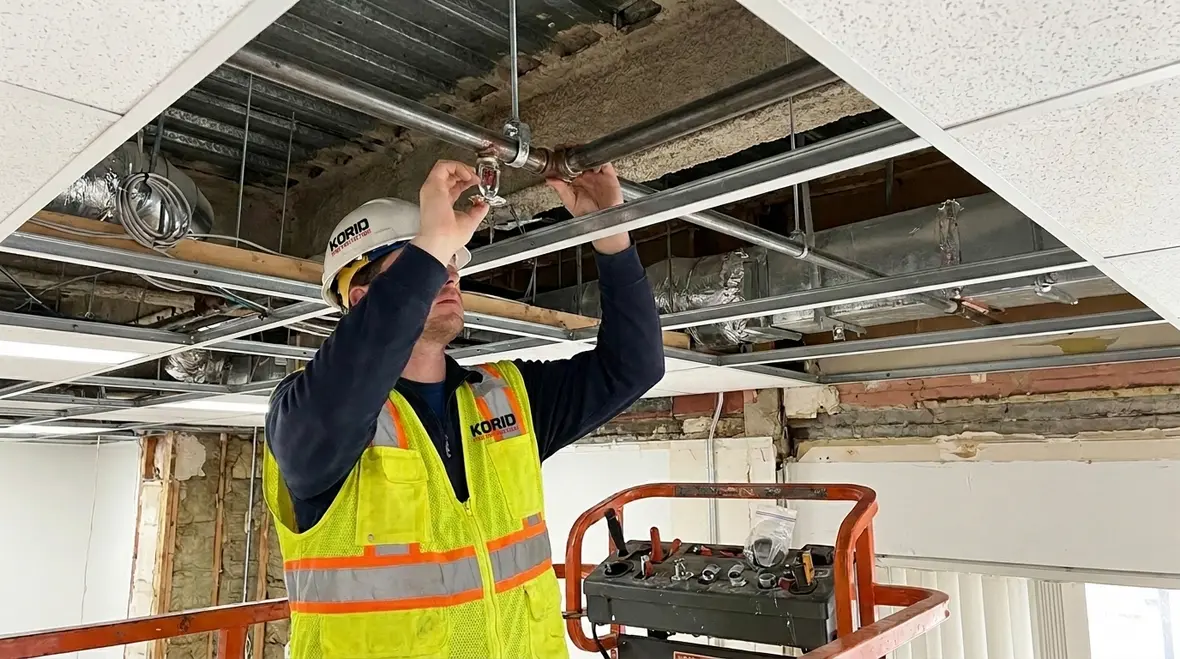
NFPA 13 Section 30.3 — Sprinkler Requirements for Existing System Modifications
Quick Answer
NFPA 13 Section 30.3 governs how sprinkler requirements apply when existing fire sprinkler systems get modified. It focuses on evaluating what parts of the system must meet current requirements, what can remain unchanged, and how installers must manage risks from alterations, including obstruction, hydraulics, and inspection readiness.
Why Section 30.3 Matters for Commercial Retrofits
Commercial, industrial, and retail facilities often renovate tenants, expand storage, alter ceiling finishes, or upgrade process equipment. Each change can affect sprinkler performance, detectability, and maintainability. In these projects, the core question becomes how to apply NFPA 13 sprinklers existing system modifications requirements without creating hidden gaps in coverage, obstruction compliance, or system reliability.
Section 30.3 supports a practical approach: protect the modified portion and any affected hydraulics or sprinklers from becoming substandard. It also recognizes real-world constraints of existing piping layouts, floor elevations, and historic installation methods. For facility owners and contractors, the compliance goal is consistent: modifications must not reduce system effectiveness beyond what the standard permits, and they must remain testable and inspectable during ongoing maintenance.
If you’re planning retrofit work, Kord Fire Protection’s fire sprinkler system service team can help connect field conditions, design intent, and compliance strategy before the project turns into a surprise parade of change orders.
For a broader technical baseline on sprinkler system installation fundamentals, see Kord Fire Protection’s NFPA 13 overview of automatic fire sprinkler system installation.
What Triggers “Existing System Modification” Under NFPA 13
Section 30.3 applies when an existing sprinkler system undergoes changes that require engineering evaluation and sprinkler selection adjustments. Typical triggers include:
- New sprinklers added to cover new work areas or changes in use
- Relocation of sprinklers due to ceiling changes, soffits, ducts, or equipment
- Change in water supply, risers, pumps, controllers, or cross main configurations
- Hydraulic changes such as pipe replacement, valve additions, or hazard reclassification driven by storage or occupancy
- Alterations to branch lines that affect sprinkler elevation, spacing, or coverage
Common compliance challenge: projects often start as “construction coordination” but become “sprinkler engineering” once field conditions reveal additional obstructions, ceiling void changes, or differing sprinkler types installed previously. In practice, NFPA 13 sprinkler requirements for existing system modifications requirements require a documented evaluation, not a field guess, because even small changes can shift discharge patterns, demand, and timing.
Commercial facilities also face inspection readiness pressures. Even if the system protects life safety, maintenance personnel must be able to inspect valves, test water flow, verify alarms, and access sprinklers without damaging the structure. That readiness impacts what can be left alone and what must change.
How Section 30.3 Typically Limits “Leave It As Is” Options
When modifications occur, Section 30.3 generally requires the modified or affected parts to comply with the applicable provisions of NFPA 13, while the existing portions may sometimes remain unchanged if they continue to meet the standard’s intent. The operational reality is that leaving sections unchanged becomes less likely as the scope expands.
1) Modified sprinklers must match the protection objectives
If sprinklers are added or replaced, they must be appropriate for the hazard, ambient conditions, and spacing regime. That includes correct temperature rating selection, orifice and K factor coordination, and sprinkler orientation requirements for the given ceiling type and mounting geometry.
2) Affected hydraulics usually require reevaluation
Even when piping changes seem local, branch line adjustments can alter pressures at sprinklers. Section 30.3 driven updates frequently require recalculation for water demand and distribution, especially where:
- Pipe material and internal roughness differ from the original system
- Valves or fittings are added or relocated
- Sprinkler sets or design areas change due to added sprinklers
- Hazard category or design density changes
3) Obstruction and ceiling conditions become “non negotiable”
Relocations and new work often create new obstructions, ceiling height changes, or duct placements that can affect sprinkler spray patterns. In commercial ceiling retrofits, this becomes a frequent failure point: field teams must verify obstruction rules, sprinkler to deck distances, and deflector positioning for the installed environment.
For system-wide background on coordination, Kord Fire Protection’s what counts as a fire protection system article adds useful context when retrofit scope starts touching more than just sprinkler heads and branch lines.
Engineering and Field Procedures That Keep Modifications Audit Proof
In real projects, Section 30.3 compliance often succeeds or fails based on jobsite execution. The following operational steps help contractors, engineers, and facility teams align with NFPA 13 expectations and reduce common denial reasons during inspection.
Document the as built condition before designing changes
Start with field verification of:
- Sprinkler types, K factors, temperature ratings, and finishes
- Pipe sizes, materials, and routing under ceilings
- Riser and pressure parameters, including pump curve or controller behavior if applicable
- Ceiling elevations and obstruction sources, including structural beams and ducting
Commercial facility standards typically require traceable records for warranty, insurance compliance, and future maintenance. Kord Fire Protection supports these requirements by aligning modification drawings with practical field constraints and ongoing service needs.
Recalculate demand and confirm water supply adequacy
When modifications affect the design area or discharge requirements, design teams should update hydraulic calculations and verify that water supply performance supports the modified set. This includes checking:
- Pressure losses through added or replaced fittings
- Friction losses based on updated pipe lengths and materials
- Demand at remote areas where the most unfavorable conditions exist
Verify sprinkler spacing and placement tolerances
Existing systems may have non identical spacing compared to current layouts due to past design practice. Section 30.3 changes should focus on preventing coverage gaps. That typically means the modified bay or room must be engineered so the resulting layout meets the applicable criteria, rather than matching the old plan’s inconsistencies.
A high frequency failure point occurs when contractors field adjust sprinkler positions to avoid conflicts without an engineering change order. Even when the work looks “close enough,” the spray pattern and coverage math can change.
Plan serviceability and inspection access during installation
Modifications must preserve the ability to:
- Inspect sprinklers for damage, corrosion, and proper orientation
- Perform alarm testing and water flow tests
- Operate main and auxiliary valves without obstruction
- Access drain points and monitor system pressure or impairment features
Maintenance readiness also matters for impairment management. Tenants frequently request ceilings to be closed quickly after construction, which can delay sprinkler verification and create schedule risk. A coordinated compliance schedule reduces rework and field reinspection.
Common Compliance Pitfalls in Existing System Modifications
Many projects follow a reasonable process, but still stumble on predictable pitfalls. The following issues align with how inspectors and insurers often evaluate NFPA 13 sprinkler requirements for existing system modifications requirements.
- Replacing sprinklers without matching application criteria: Using the wrong temperature rating, orientation, or hazard listing can undermine reliability.
- Ignoring ceiling obstruction effects: New ductwork or soffits can push sprinklers into non compliant obstruction regimes.
- Assuming “minor piping changes” do not affect hydraulics: Branch line alterations can change pressure at the sprinkler and invalidate design assumptions.
- Creating concealed impairment: Cutting into concealed spaces or adding components without verifying flow paths and access points.
- Failing to coordinate with other trades: Sprinkler relocation requests often arrive without the information needed to evaluate spacing, elevation, and obstructions.
- Documentation gaps: Missing model numbers, hydraulic recalcs, sprinkler lists, or install records increases compliance friction later.
Facility owners typically reduce risk by selecting a single accountable partner for design coordination, installation oversight, and long term inspection and maintenance. Kord Fire Protection positions teams to address both compliance and service outcomes, which helps commercial portfolios maintain consistent standards between tenant improvements.
For related maintenance planning, Kord Fire Protection’s automatic sprinkler control valves maintenance guide pairs nicely with modification work that affects valves, access, and future testing routines.
Inspection, Acceptance, and Ongoing Maintenance After Modifications
Section 30.3 compliance does not end at installation. Existing systems must remain fully operational and maintainable. After modifications, the system should be managed through:
Acceptance verification
- Record the final sprinkler layout, including changes to spacing, types, and locations
- Confirm valve supervisory status, alarm interfaces, and water flow operation
- Validate as installed conditions match the approved submittals and calculations
Inspection readiness for commercial operations
Commercial facilities typically operate under tight schedules. Yet sprinkler inspection routines require access to the system and unobstructed views of sprinkler elements. Modifications should not create future “hidden work,” such as covering sprinklers or removing access paths for test and inspection.
Ongoing maintenance and impairment management
After retrofit work, systems face heightened risk of impairment due to debris, partial closures, or temporary valve adjustments that were not restored. A maintenance partner can help ensure:
- Valves return to normal supervisory configurations
- Drains, inspectors, and test connections operate correctly
- Sprinklers remain unobstructed and undamaged
Kord Fire Protection supports ongoing compliance through scheduled service, documentation updates, and field verification so the modified sections remain aligned with the installed conditions that the calculations and listings assume.
Frequently Asked Questions
Call to Action
For projects involving ceiling changes, hazard reclassifications, or new piping runs, Kord Fire Protection can help teams meet NFPA 13 sprinklers existing system modifications requirements through field verification, hydraulic review support, and installation and maintenance coordination. Request an assessment so your retrofit design stays inspection ready and serviceable for the life of the facility.

Join Our Newsletter!
Get the latest fire safety tips delivered straight to your inbox From our Newsletter.


