What Counts as a Fire Protection System?
There is a certain comfort in knowing that when heat rises and smoke curls, something stands ready to respond. A true fire protection system does not panic. It does not hesitate. It detects, reacts, and contains. At Kord Fire Protection, technicians often explain it this way: a real system is like a well trained orchestra. Every part knows its role. Every part plays in time. And if one musician decides to take a coffee break, well, the whole concert falls apart.
This article takes a steady walk through what counts as a complete fire defense setup and what does not. Because, surprisingly, not every red device on a wall qualifies. Some tools protect. Some alert. Some simply sit there looking heroic. So let us separate Hollywood drama from real world safety.
What Actually Makes a Fire Protection System
When people hear the phrase fire protection system, they often picture sprinklers raining down water in slow motion like a movie scene. However, the reality is both more technical and more impressive.
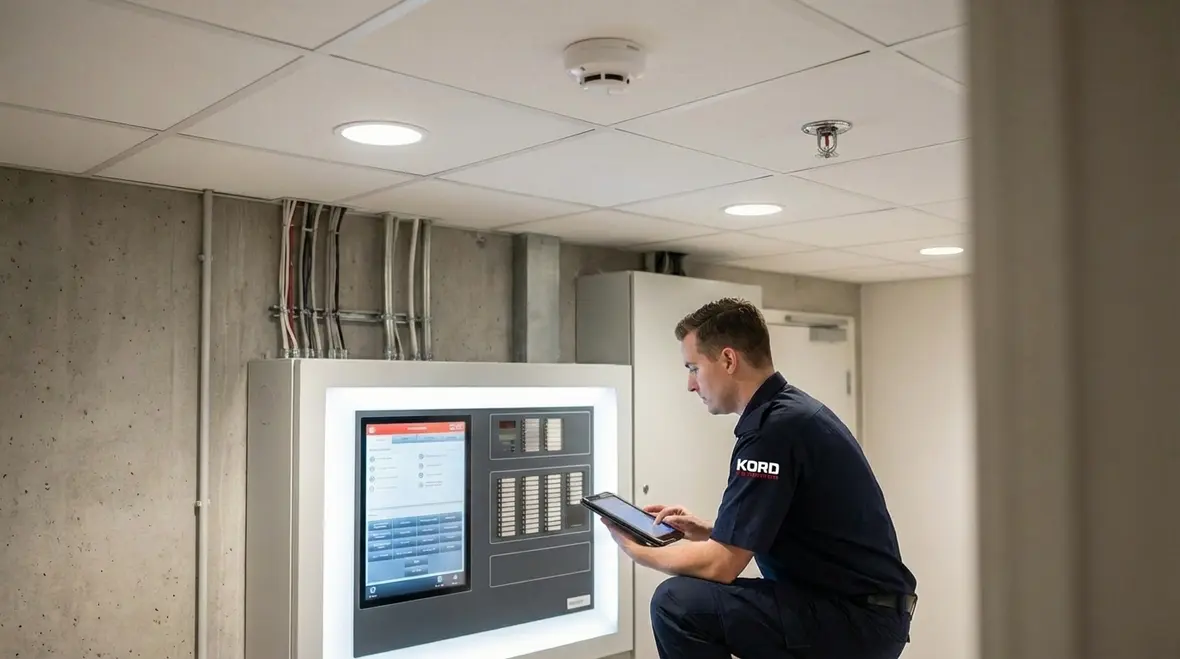
A true system consists of connected components designed to detect, control, and sometimes suppress fire automatically. The key word here is connected. A single device does not form a system. Instead, it must work as part of a network with a shared purpose.
Kord fire protection technicians explain that three elements usually define a legitimate setup:
Detection
Smoke detectors, heat sensors, or flame detectors that recognize danger early.
Notification
Alarms, strobes, and communication panels that alert occupants and emergency services.
Suppression or Control
Sprinklers, clean agent discharge, standpipes, or other methods that limit fire growth.
Because these elements operate together, the system responds even when no one is around to play hero. In other words, it does not rely on someone shouting “Fire!” like they are auditioning for a stage play.
If you want to see how this looks in practice, systems that combine alarm panels, sprinklers, and clean agent suppression—like those described in Kord Fire’s smart fire monitoring and data-driven safety systems article—are classic examples of truly integrated fire protection.

Components That Work Together and Why Integration Matters
A building may contain dozens of safety devices. Nevertheless, without integration, they remain isolated tools rather than a coordinated defense network.
Integration means the alarm panel communicates with sensors. It means the suppression equipment activates based on detection. It means signals transmit to monitoring services. As a result, response time drops dramatically.
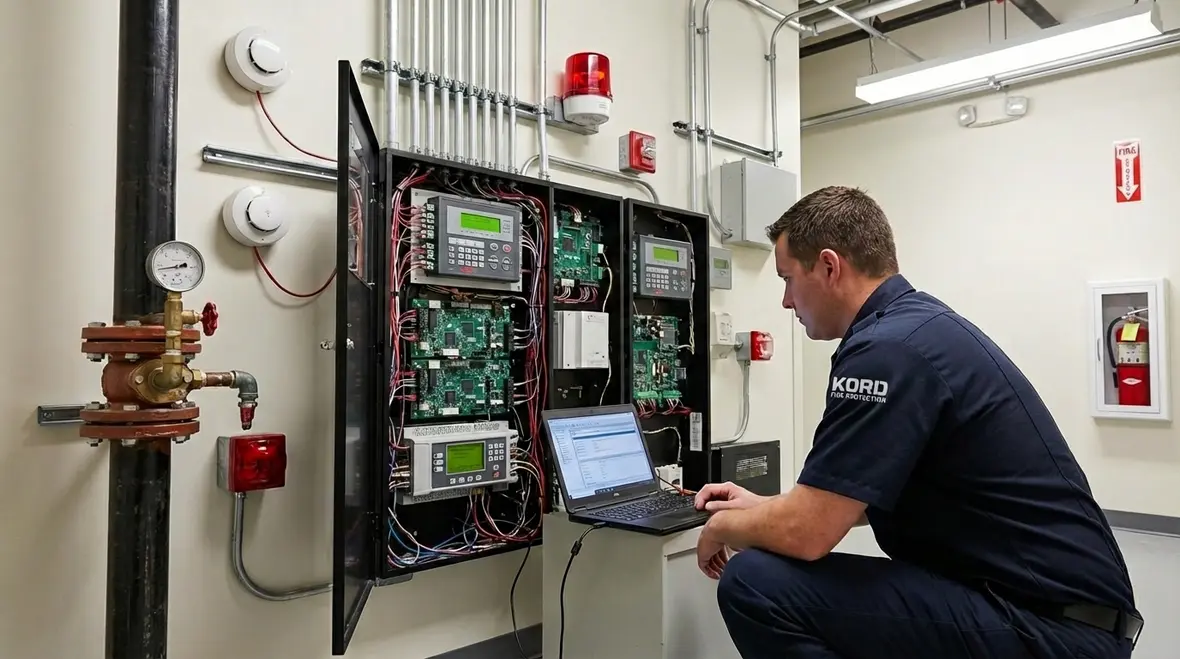
Kord fire protection technicians often point out that modern panels act like mission control. They monitor inputs, process signals, and trigger outputs. If smoke appears in one zone, the panel identifies the location and activates appropriate responses. Meanwhile, it logs the event for review.
Without this coordination, devices operate independently. That is like having a basketball team where every player dribbles in a different direction. Technically athletic. Practically chaos.
Moreover, integration supports compliance. Building codes require specific interactions between alarm and suppression equipment. Therefore, when components work together, inspections go smoother. Insurance providers also look more favorably on properly connected systems.
This is also where monitored systems shine. When alarms, detectors, and suppression tie into remote monitoring—like the fire alarm monitoring services Kord provides across Southern California—emergency responders can be notified even if a building is empty.
What Does Not Count as a Fire Protection System
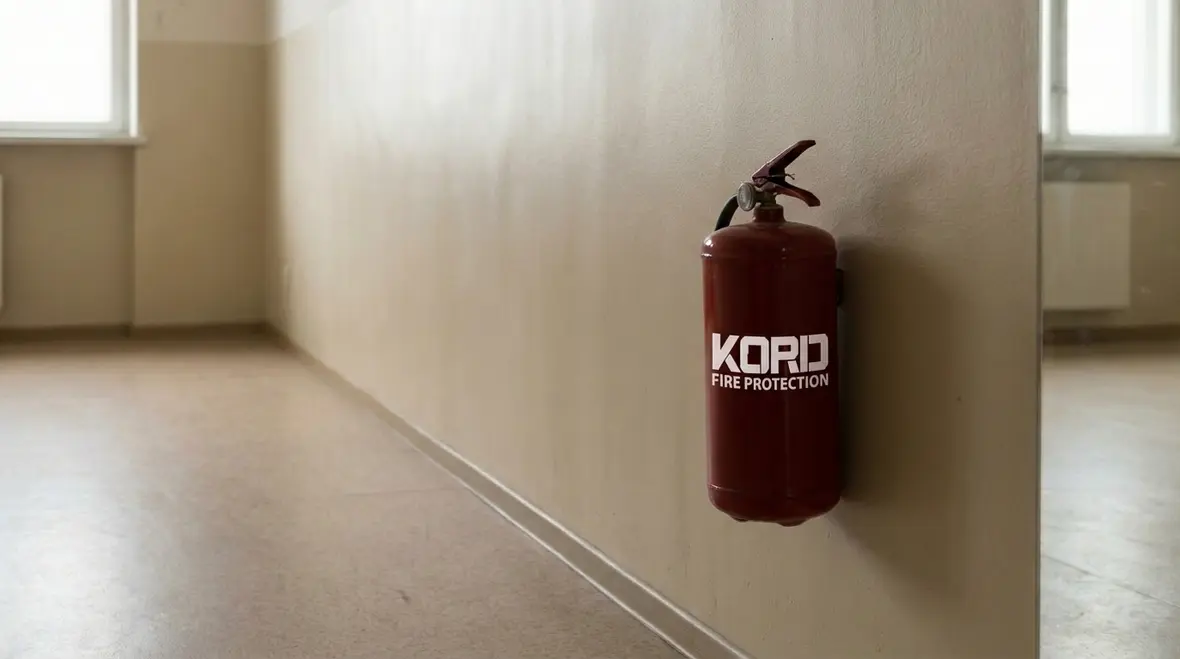
Here is where misconceptions often arise. A single fire extinguisher mounted on a wall does not qualify as a fire protection system. It is important. It is necessary. But it is not a system.
Similarly, battery powered smoke alarms in a small residence may provide warning. However, unless they are interconnected and tied into a broader network, they function as stand alone devices.
Kord fire protection technicians gently remind clients that emergency lighting, exit signs, and safety plans are critical for life safety. Still, they are support measures rather than integrated fire suppression or alarm systems.
Counts as a System
Integrated alarm panel with multiple detectors
Automatic sprinkler network connected to water supply
Clean agent suppression tied to detection and release controls
Monitored alarm setup with central station reporting
Does Not Count as a System
Single standalone smoke detector
One portable fire extinguisher
Fire blanket stored in a cabinet
Unmonitored local horn only
The difference lies in automation, connectivity, and coordination. A system responds whether anyone presses a button or not.
Active Versus Passive Fire Protection Explained
In conversations about safety infrastructure, two categories often surface: active and passive protection. Although both play vital roles, only active measures usually form what professionals label as a fire protection system.
What Is Active Fire Protection?
Active protection includes alarms, sprinklers, suppression agents, and control panels. These components move, signal, discharge, or otherwise act in response to fire conditions.
What Is Passive Fire Protection?
Passive protection, on the other hand, involves fire rated walls, doors, dampers, and structural coatings. These elements resist fire spread by design. They do not activate. They simply perform.
Kord fire protection technicians describe passive measures as the quiet guardians of a building. They stand firm like a seasoned security guard who has seen it all and barely blinks. Yet, while passive features are essential, they do not detect or alert. Therefore, they do not meet the full definition of a coordinated fire defense system on their own.
When both active and passive strategies work together, safety improves dramatically. The active setup detects and fights the fire. Meanwhile, passive barriers slow its spread. That partnership can mean the difference between a contained incident and a headline story.
How Building Codes Define a Fire Protection System
Building codes and standards provide structure to this discussion. They outline what qualifies as a compliant system, how it must perform, and how often it requires inspection.
Codes typically demand:
- Approved detection devices placed according to occupancy type
- Control panels listed for fire alarm use
- Reliable water supply for sprinkler networks
- Regular testing and documented maintenance
- Monitoring where required by occupancy risk
Because regulations vary by region and building use, professional guidance becomes critical. Kord fire protection technicians spend significant time helping property owners interpret these rules. They assess occupancy loads, hazard levels, and structural layouts. Then they recommend solutions that satisfy both safety and compliance.
Ignoring code requirements does not just risk fines. It increases liability. In the unfortunate event of a fire, investigators review whether installed systems met standards. Consequently, proper installation and documentation matter as much as the hardware itself.
If you are curious how standards shape real-world design, Kord’s overview of NFPA 13 automatic fire sprinkler system installation shows how codes translate into practical system layouts that actually work under pressure.
Why Professional Design and Maintenance Matter
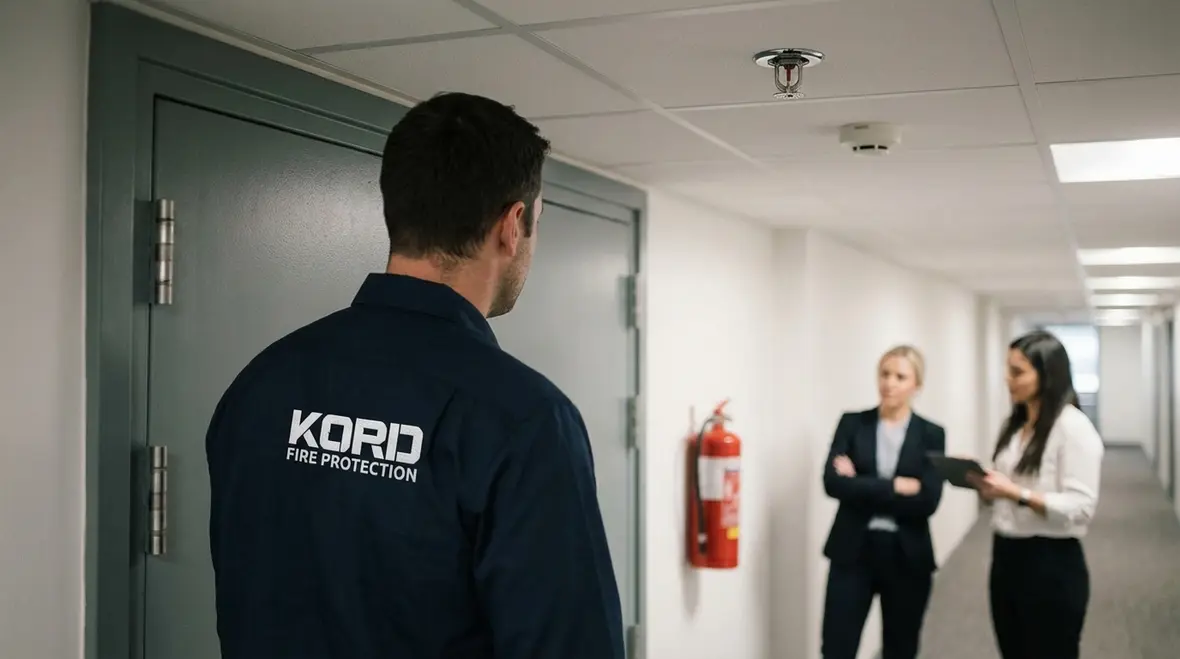
Even the most advanced equipment can fail if installed poorly or neglected. A true fire protection system requires thoughtful design, precise installation, and routine care.
Design Starts With Risk
Design begins with risk assessment. For example, a data center may require clean agent suppression to protect electronics. A warehouse storing flammable liquids may need specialized sprinkler heads. Offices, schools, and healthcare facilities each present unique hazards.
Installation Quality Makes or Breaks Performance
After design, installation must follow strict guidelines. Pipe sizing, detector spacing, and wiring integrity directly affect performance. Kord fire protection technicians emphasize that shortcuts during installation often surface during emergencies. And that is the worst possible time for surprises.
Maintenance Keeps Systems Ready
Maintenance keeps the system reliable. Regular inspections identify corrosion, blocked sprinkler heads, low pressure issues, or outdated batteries. Furthermore, testing verifies that alarms communicate properly with monitoring services.
Think of it like maintaining a car. One would not skip oil changes and then expect a cross country road trip to go smoothly. Similarly, a neglected system may look fine on the surface while hiding silent failures.
For many property owners, partnering with a full-service provider—like Kord Fire’s fire protection and safety inspection team in Los Angeles—means design, installation, and maintenance all stay aligned with the same code-driven strategy.
Common Myths That Create Confusion
Myths tend to spread faster than facts. Therefore, it helps to address a few common misunderstandings.
Myth One: “If a Building Has Sprinklers, It Is Fully Protected.”
In reality, sprinklers control fire growth, but without proper detection and notification, occupants may not evacuate quickly.
Myth Two: “Small Businesses Do Not Need a Comprehensive Setup.”
However, local codes often require alarm and suppression measures based on occupancy and size, not company fame.
Myth Three: “Systems Rarely Activate Accidentally, So Maintenance Is Optional.”
While modern technology reduces false alarms, poor maintenance increases that risk. Regular service keeps performance accurate.
Kord fire protection technicians often use humor when addressing these myths. They might say that relying on a single extinguisher for a large facility is like bringing a water pistol to a dragon fight. Amusing image. Terrible strategy.
Frequently Asked Questions
Clarity Brings Confidence
Understanding what qualifies as a coordinated fire defense setup removes guesswork. A true fire protection system involves detection, notification, suppression, and integration. It operates automatically. It complies with code. It receives regular care. Anything less may still provide value, but it does not offer the same level of coordinated response.
If a property owner wants certainty rather than assumptions, the next step is simple. Reach out to Kord Fire Protection. Their technicians explain, design, and maintain systems that stand ready when it matters most. Because when smoke rises, confidence should not.
To explore system options and local support, you can start with Kord’s full-service fire protection page or review specialized services like foam fire suppression systems for high-hazard or flammable liquid areas.
Know Your Weapon Before You Fight the Flame
Kord Fire Protection is your go-to when it comes to all things fire protection. For over 20 years, we’ve been serving Southern California with the quality service and equipment to keep your home or business safe at all times. Our competitive prices reflect our unwavering commitment to protecting what matters most in the event of a fire emergency. Give us a call, send an email, or use that form!

Join Our Newsletter!
Get the latest fire safety tips delivered straight to your inbox From our Newsletter.