NFPA 13 Section 30.2 — Component Requirements for Existing Sprinkler Systems
Quick Answer: NFPA 13 Section 30.2 explains how existing sprinkler system components must be evaluated and brought into compliance when alterations occur. It focuses on suitable parts, compatibility with current design intent, and practical inspection and maintenance to sustain fire protection performance.
Why NFPA 13 components existing sprinkler systems requirements get enforced during upgrades
Existing sprinkler systems often continue operating for decades while facilities change ownership, occupancy, layout, and building codes. When contractors modify, extend, or repair these systems, inspectors and insurers expect that the NFPA 13 components existing sprinkler systems requirements in Section 30.2 will be addressed. The goal stays consistent: maintain reliable water delivery, valve supervision, fire protection effectiveness, and safe operation of the system as an integrated whole.
For commercial, industrial, and retail properties, compliance is rarely limited to adding new sprinklers. Field crews must also manage component matching, concealed conditions, cross connection risks, and the operational impact of partial retrofits. Practical compliance often determines whether a project passes plan review, commissioning, and final inspection without costly rework.
If your project involves upgrades, repairs, or readiness planning, a natural next step is reviewing fire sprinkler system service and repair so the compliance conversation starts with the actual field conditions, not wishful thinking. ([kordfire.com](https://kordfire.com/fire-sprinkler-service/?utm_source=openai))
What Section 30.2 actually requires for existing system components
Section 30.2 applies when an existing sprinkler system undergoes work that changes the system configuration or performance. In real projects, this includes adding heads for tenant improvements, replacing damaged piping, upgrading fire department connections, relocating valves, or restoring parts that failed during construction or renovations.
Key compliance focus: suitable, compatible, and properly installed components
When existing components are reused, altered, or supplemented, the system must continue to meet the intent of NFPA 13 design. That means components should be suitable for the service conditions and compatible with the existing installation. Common field issues include incompatible sprinkler or fitting styles, mismatched thread standards, incorrect sealing methods, and valves that are not properly supervised or accessible for inspection and testing.
Operational performance: water flow must not be compromised
Fire protection systems fail when hydraulic performance changes without a corresponding design basis. Section 30.2 drives attention to how components affect flow, pressure loss, discharge characteristics, and system response. Even “small” changes such as different pipe schedule assumptions, added fittings, or altered routing can shift performance enough to trigger inspection concerns.
Installation quality: workmanship becomes a compliance item
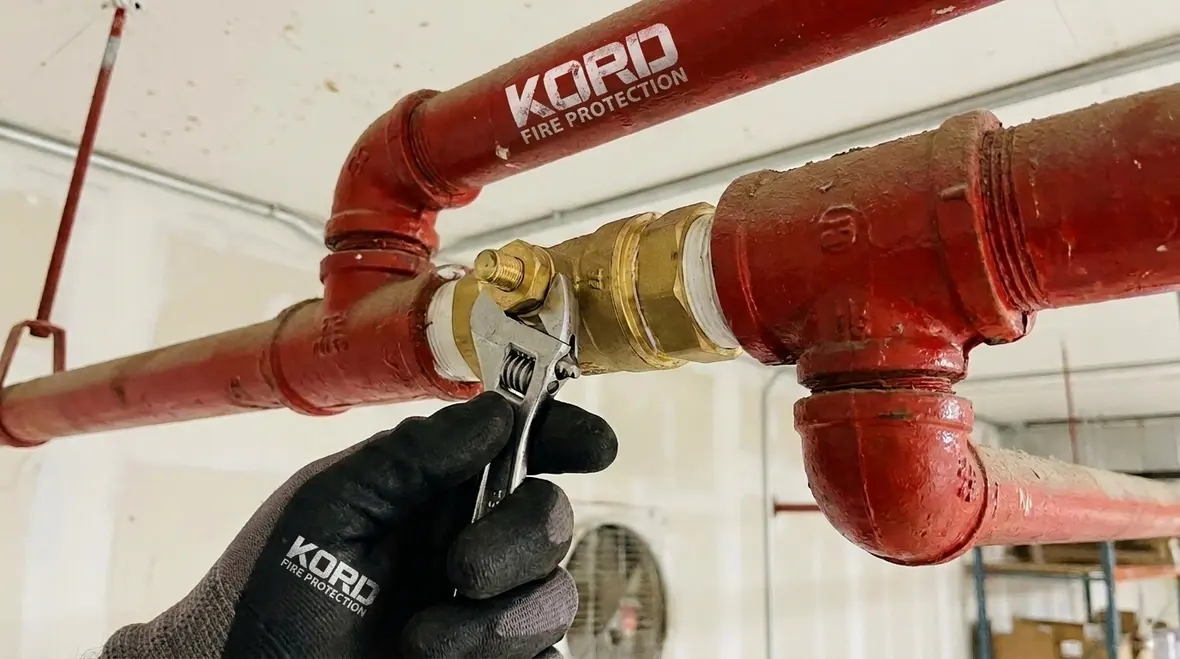
Existing systems frequently include older installation methods. Section 30.2 does not excuse poor workmanship. Crews must install components to current safety and functional expectations, including correct torque and thread engagement where applicable, proper hangers and support, correct orientation of backflow devices and check valves, and leak free joining.
How installers and inspectors evaluate existing system components in the field
In commercial facilities, the verification process blends documentation review with hands on inspection. Inspectors typically look for evidence that components meet required listings, that modifications stay coordinated with the existing layout, and that system operation remains dependable.
Verification step one: confirm what is already in the system
Before replacing parts, crews should identify existing conditions. That includes mapping water supply and control valves, documenting system type, identifying sprinkler temperature and hazard classification, and confirming pipe material and joining method. Many “surprise” noncompliances come from undocumented changes made by prior contractors.
Verification step two: confirm component identity and listing
Sprinkler compatibility and control valve selection are common points of failure. Inspectors want assurance that the installed component matches the intended configuration and is acceptable for the system type and conditions. For example, the wrong sprinkler orientation, incorrect temperature rating, or mismatch between K factors can disrupt coverage and performance.
Verification step three: confirm supervision, accessibility, and testability
Section 30.2 discussions often land on whether components allow proper inspection and maintenance. Control valves must remain accessible, properly supervised where required, and capable of functional testing. Obstructions, locked enclosures without access, failed supervisory circuits, or valves that cannot be fully restored to service commonly trigger delays.
Link to foundational installation context
For a broader baseline on how automatic sprinkler systems are installed and maintained, reference the overview here: NFPA 13 overview of automatic fire sprinkler system installation. ([kordfire.com](https://kordfire.com/nfpa-13-overview-automatic-fire-sprinkler-system-installation/?utm_source=openai))
Common compliance challenges under Section 30.2 in commercial and industrial facilities
Field reality drives most compliance friction. Facilities experience modifications that stress existing systems, such as changes to ceiling heights, the installation of new electrical rooms, or reconfiguration of stockrooms and retail sales floors. These are typical scenarios where Section 30.2 component requirements become operational.
1) Mismatched sprinkler generations and temperature ratings
Existing systems may include sprinkler types from different production eras. Even if they look similar, differences in K factor, deflector style, or temperature rating can matter. When adding or replacing sprinklers, teams must ensure correct selection and placement consistent with the system design intent.
2) Repairing damaged piping with “close enough” fittings
Repair scope often expands beyond the visibly damaged section. Crews may replace pipe and fittings but fail to maintain matching material properties, joining technique, or equivalent hydraulic performance. When inspectors observe deviations, they may require re-evaluation, additional testing, or design documentation.
3) Valve and control component issues during renovations
Tenant improvements frequently reroute ceilings, conceal valve locations, or relocate access points. Even when sprinkler coverage remains acceptable, compromised valve access or failed supervision can lead to partial approval, punch list items, or refusal to accept final closeout.
4) Hidden conditions that affect water delivery
Concealed spaces and ceiling voids conceal corrosion, obstruction, or improper support. Existing systems can also contain debris or intermittent leaks that become evident during hydrostatic testing or flow testing. Kord Fire Protection field teams emphasize inspection-driven remediation to keep system performance reliable.
Inspection, testing, and maintenance practices that keep Section 30.2 compliant
Component compliance does not end at installation. Maintaining component performance is where many facilities succeed or fail long term. For existing systems, routine inspection and testing should specifically validate that the integrated system still responds as intended after repairs and modifications.
Inspection routines that prevent repeat failures
- Verify valve position indicators, supervisory switches, and alarm interfaces after any construction work.
- Check for obstructions at sprinkler locations, including stored materials and ceiling modifications.
- Inspect hangers, seismic restraints where applicable, and waterway integrity after piping alterations.
Testing that confirms functional water delivery
- Perform system waterflow and alarm testing using documented procedures and coordinated notification.
- Conduct main drain and flow tests as required by the site maintenance plan and applicable standards.
- Retest after any component change that could affect hydraulics, including valve replacements and pipe fitting modifications.
Why partnering matters for ongoing compliance
Commercial facilities need repeatable processes, accurate records, and trained technicians who understand how existing systems behave. Kord Fire Protection supports ongoing compliance through service plans, commissioning assistance after modifications, and documentation control so that future inspections do not restart the same problems.
For broader industry context on water based fire protection and system performance considerations, also review resources at firepumps.org.
Additional regional information can be found via kordelectric.com and kordfire.com.au.
Frequently Asked Questions
Get Section 30.2 ready before work begins
Confident compliance starts with site specific evaluation of existing components, compatibility checks, and a testing plan that aligns with how the system must operate after modifications. Kord Fire Protection can help commercial teams plan upgrades, verify component suitability, and execute inspection and testing without leaving compliance gaps for the final inspection. Contact Kord Fire Protection now to scope your project and protect your sprinkler performance.

Join Our Newsletter!
Get the latest fire safety tips delivered straight to your inbox From our Newsletter.