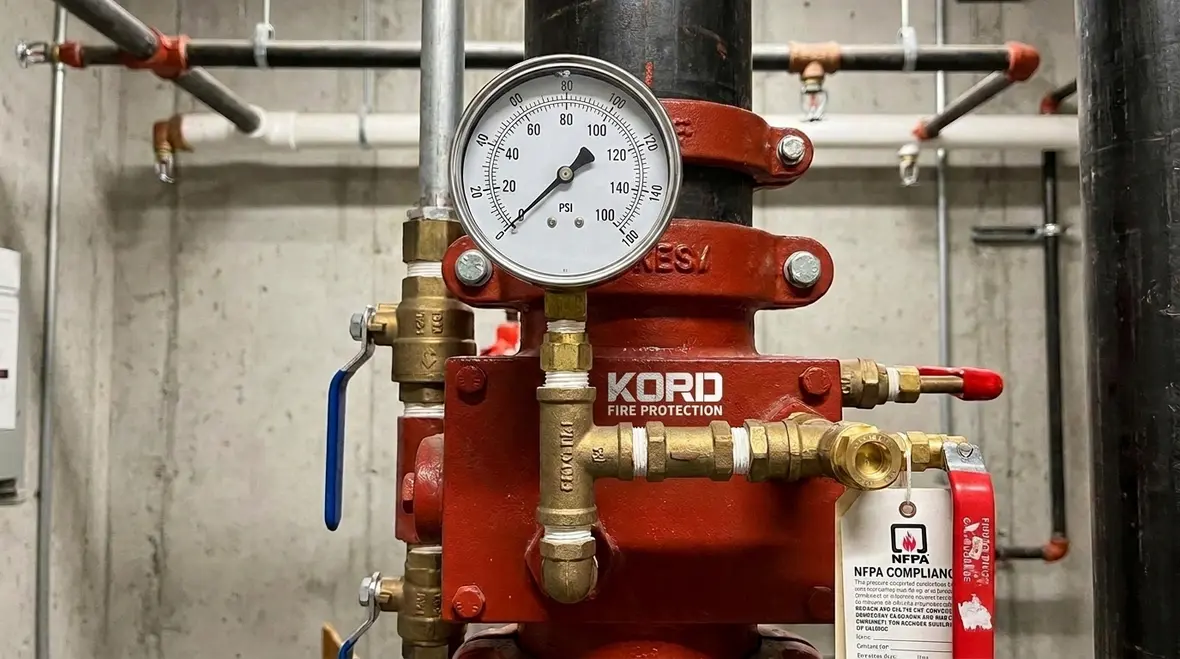
NFPA 13 Section 28.2 — Hydraulic Calculation Procedures for Sprinkler Systems
NFPA 13 hydraulic calculation procedures sprinkler systems define the framework for computing design pressures and flows in sprinkler networks. Section 28.2 provides methodical steps, data inputs, and verification checks to ensure reliable coverage, minimize friction losses, and confirm adequate supply under fire conditions.
For broader system context before diving into the math, review NFPA 13 automatic fire sprinkler system installation requirements. If you want a more design focused companion piece, Kord Fire’s sprinkler system hydraulic calculations basics article fits naturally here too.
Understanding NFPA 13 Section 28.2 and Its Scope
The scope of Section 28.2 centers on establishing a standardized approach to hydraulic calculations for water based sprinkler systems. It covers the methods, data requirements, and validation steps necessary to verify that a system can deliver the required water supply to each sprinkler head when a demand occurs. Compliance supports reliable performance in commercial, industrial, and retail environments, where water supply reliability and accurate hydraulics are critical.
What this section is really doing
- System types covered: wet pipe, dry pipe, deluge, and combined configurations commonly found in commercial facilities.
- Calculation objectives: determine pressures, flows, and friction losses to meet sprinkler head requirements.
- Documentation expectations: record inputs, methods, and verification results for ongoing audits and maintenance.
Data Inputs and System Types in Hydraulic Calculations
Accurate hydraulic calculations start with comprehensive data inputs. Designers must capture system topology, pipe sizes, fittings, elevation changes, sprinkler head types and activations, and the available water supply. Correct classification of the building as commercial or industrial informs demand factors and helps align calculations with real world usage patterns.
Core inputs that make or break the numbers
- Network topology: layout and routing of branches to determine remote head protections and potential pressure differentials.
- Pipe materials and roughness: influence friction losses and dynamic pressure throughout the network.
- Water supply characteristics: source pressure, static pressure, and available flow at the most critical point.
- Sprinkler characteristics: discharge coefficients, K factors, and head clearance requirements.
- Elevation and backflow considerations: site grade changes and regulatory backflow prevention impacts.
Calculation Methods and Procedures in 28.2
Section 28.2 prescribes structured hydraulic methods to quantify pressure and flow across a sprinkler network. Practitioners typically follow a sequence that starts with defining the design area, selects a calculation approach, applies friction and elevation losses, and ends with verification against code requirements. It also demands clear documentation of assumptions and verification tests.
The usual workflow, minus the mystery
- Design area and node identification: determine the critical zones that drive minimum pressures and flows.
- Friction loss calculations: apply accepted methods such as Hazen Williams or Darcy Weisbach to quantify pipe friction.
- Hydraulic grade line and pressure targets: establish pressure at the most remote or critical head to ensure reliable operation.
- Elevation and surge considerations: account for a building’s vertical changes and dynamic events during demand.
- Verification and validation: compare calculations with field testing and manufacturer data to confirm performance.
Practical Compliance and Documentation for Commercial Facilities
Commercial facilities face unique compliance challenges. Office towers, shopping centers, and industrial warehouses require precise hydraulics to support occupancy patterns, seasonal demand, and staged fire protection strategies. Local amendments, backflow prevention, and integration with existing water mains complicate calculations. Documentation must be thorough to support inspections, amendments, and ongoing maintenance.
Where compliance gets practical
- Occupancy and hazard categorization: influences demand factors and sprinkler density requirements.
- Water supply reliability: utilities may impose seasonal or daily fluctuations that influence design margins.
- Regulatory alignment: ensure adherence to local amendments and fire code interpretations alongside NFPA 13.
- Change management: document any modifications to piping, sprinklers, or occupancy that impact hydraulics.
Maintenance, Inspection and Verification Protocols
Maintenance and periodic verification are essential to sustain hydraulic integrity. In addition to design calculations, facilities should implement a program that aligns with NFPA 25 for inspection, testing, and maintenance of water based systems. Recalculations are warranted after major modifications, significant pipe work, or changes in water supply performance.
Keeping the system honest over time
- Routine inspections: verify integrity of pipes, valves, and sprinkler heads to preserve design hydraulics.
- Testing and commissioning: confirm actual flows and pressures meet calculated requirements during activation tests.
- Recalculation triggers: changes to layout, components, or occupancy demand necessitate updated hydraulics.
- Documentation upkeep: maintain up to date drawings, calculations, test results, and maintenance records for audits.
For teams managing ongoing inspection issues, Kord Fire also covers common recordkeeping and performance gaps in NFPA 25 fire sprinkler maintenance deficiencies, which pairs well with hydraulic verification and follow up documentation.
Role of a Fire Protection Partner in Maintaining Compliance
Working with a qualified fire protection partner ensures ongoing compliance with NFPA 13 28.2. A partner provides design validation, hydraulic calculation reviews, field verifications, and a proactive maintenance program. For commercial facilities, a reliable partner helps reduce risk, optimize water use, and simplify regulatory adherence.
Why experienced review still matters
- Design validation: independent review of hydraulic calculations for accuracy and code alignment.
- Field verification: on site checks of pipe networks, water supply, and sprinkler activation characteristics.
- Maintenance programs: scheduled testing, performance audits, and documentation updates.
Frequently Asked Questions
Conclusion and call to action
For commercial facilities seeking reliable NFPA 13 hydraulic calculation procedures sprinkler systems compliance, contact Kord Fire Protection for hydraulic calculation reviews, system design verification, and ongoing testing and maintenance. Our team ensures alignment with NFPA 13 28.2 requirements, reduces risk, and keeps facilities compliant across retail, industrial, and office environments.

Join Our Newsletter!
Get the latest fire safety tips delivered straight to your inbox From our Newsletter.