NFPA 13 Section 28.3 — Hose Allowance in Sprinkler System Design
NFPA 13 Section 28.3 Hose Allowance in Sprinkler System Design
Quick Answer: NFPA 13 Section 28.3 defines NFPA 13 hose allowance sprinkler system design as the deliberate hydraulic demand added for hose streams. Designers determine hose connections, expected flows, and friction losses to maintain pressure during concurrent sprinkler and hose operation in commercial facilities.
Understanding Hose Allowance: What Section 28.3 Covers
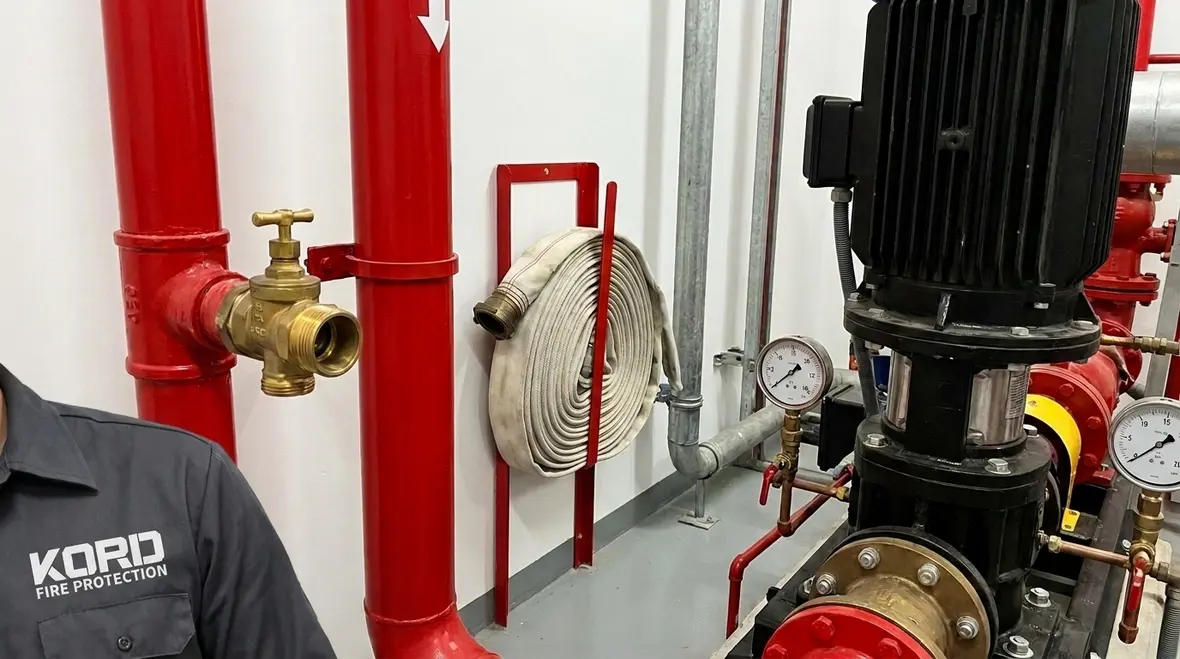
The hose allowance is a design adjustment that accounts for the additional demand created when hose lines are deployed from standpipes during a fire event. Section 28.3 specifies that hydraulic calculations reflect not only the sprinkler heads but also the hose streams that may be used in occupied areas. This ensures supply lines, pumps, and residual pressures remain adequate across the building, from the lowest level to the top floor. For commercial facilities such as offices, retail centers, and multi-tenant spaces, this consideration is critical to avoid pressure shortfalls during a firefighting operation.
For a broader foundation on sprinkler installation rules, see NFPA 13 automatic fire sprinkler system installation requirements. It fits naturally here because hose allowance only makes sense when the full sprinkler design framework is already nailed down.
Calculating the Hose Allowance for Your Facility
- Identify the number and location of hose connections required by the occupancy and system type.
- Determine the maximum expected hose stream demand based on hose size, length, and the number of active connections in critical zones.
- Incorporate the hose allowance into the hydraulic model as an added demand. Use approved methods and software to combine sprinkler and hose stream flows accurately.
- Document all assumptions, flow rates, and friction losses alongside the project drawings and specifications for review by authorities having jurisdiction.
- Validate the model with contractor field data during commissioning to confirm nozzle pressures and pump performance meet target values.
In practice the NFPA 13 hose allowance sprinkler system design adds a calculated demand to the hydraulic model. This ensures the system remains capable of delivering both sprinkler coverage and hose stream protection without compromising critical zones.
Impact on Hydraulic Calculations and System Design
Adding a hose allowance changes pump head requirements, pipe sizing, and valve coordination. The extra demand reduces the available pressure margin for the most remote or elevation challenged zones. In tall buildings or long branch lines, the hose allowance can significantly influence feeder sizing, pipe diameters, and pump selection. Designers must verify that the resulting system maintains required pressures at all sprinkler heads when hose streams are in use, particularly under peak demand scenarios.
When pump performance becomes part of the equation, it also helps to review fire pump testing requirements under NFPA 25. Because nothing says “confidence” like proving the pump can actually deliver when the math stops being theoretical.
Compliance, Inspection and Maintenance Challenges for Commercial Facilities
Commercial, industrial, and retail facilities face ongoing challenges in maintaining compliance with hose allowance requirements. Regular verification of the hydraulic model against as built conditions is essential, as is maintaining hose stations, signage, and accessibility. Routine testing should follow NFPA 25 practices for water based systems and NFPA 14 standpipe requirements depending on system configuration. Clear documentation aids inspections and reduces downtime during audits. Partnering with a qualified contractor helps ensure that design decisions remain aligned with evolving codes and site realities.
Best Practices for Implementation with Kord Fire Protection
Kord Fire Protection brings design review, hydraulic calculations, field verification, and commissioning together to address hose allowance needs in NFPA 13. Their team analyzes occupancy types, calculates hose stream demands, and confirms that pump performance and pipe sizing support concurrent operation. The service extends into ongoing maintenance, testing, and updates to reflect changes in occupancy or equipment. This integrated approach minimizes compliance gaps and supports reliable facilities operation in commercial, industrial, and retail environments.
Frequently Asked Questions
Conclusion and Call to Action
Accurate hose allowance design is essential for reliable fire protection in commercial facilities. Kord Fire Protection offers expert assessment of NFPA 13 hose allowance sprinkler system design, hydraulic calculations, commissioning, and ongoing maintenance. To ensure code compliance and uninterrupted protection, schedule a comprehensive review with Kord Fire Protection today. Contact us to initiate design validation, system testing, and a tailored maintenance program for your facility.

Join Our Newsletter!
Get the latest fire safety tips delivered straight to your inbox From our Newsletter.