NFPA 13 Section 27.32 — Aircraft Engine Test Facilities Sprinkler Protection
NFPA 13 Section 27.32 Aircraft Engine Test Facilities Sprinkler Protection
NFPA 13 aircraft engine test facilities sprinkler protection governs sprinkler selection, placement, water supply, and testing for facilities that perform engine tests. Section 27.32 sets hazard classifications, pipe layouts, and inspection requirements to ensure reliable protection while meeting commercial facility standards.
For teams reviewing broader sprinkler design rules before diving into this niche application, NFPA 13 automatic fire sprinkler system installation requirements provide useful context on how system layout, water supply, and component selection come together in commercial settings.
Scope and Hazard Classification
Aircraft engine test facilities present distinctive fire protection challenges because test cells contain flammable fuels, oils, and high energy equipment. NFPA 13 aircraft engine test facilities sprinkler protection requires a disciplined hazard assessment to determine the appropriate level of protection. Designers must account for fuel containment, potential spill paths, ignition sources, and ventilation strategies that affect how sprinklers perform. The standard emphasizes segregated zones, distinct protection for each test cell, and coordination with other codes and standards to ensure that protection remains effective during operation and maintenance. In practice, this means aligning sprinkler density, head types, and activation criteria with the specific risk profile of each test bay while maintaining access for ongoing servicing by commercial fire protection teams such as Kord Fire Protection.
Why hazard classification cannot be guesswork
This is one of those spaces where “close enough” is doing way too much emotional labor. If the hazard profile changes because fuel handling, ventilation, or operating procedures shift, the sprinkler strategy may need to shift with it.
Design Concepts for Test Cells
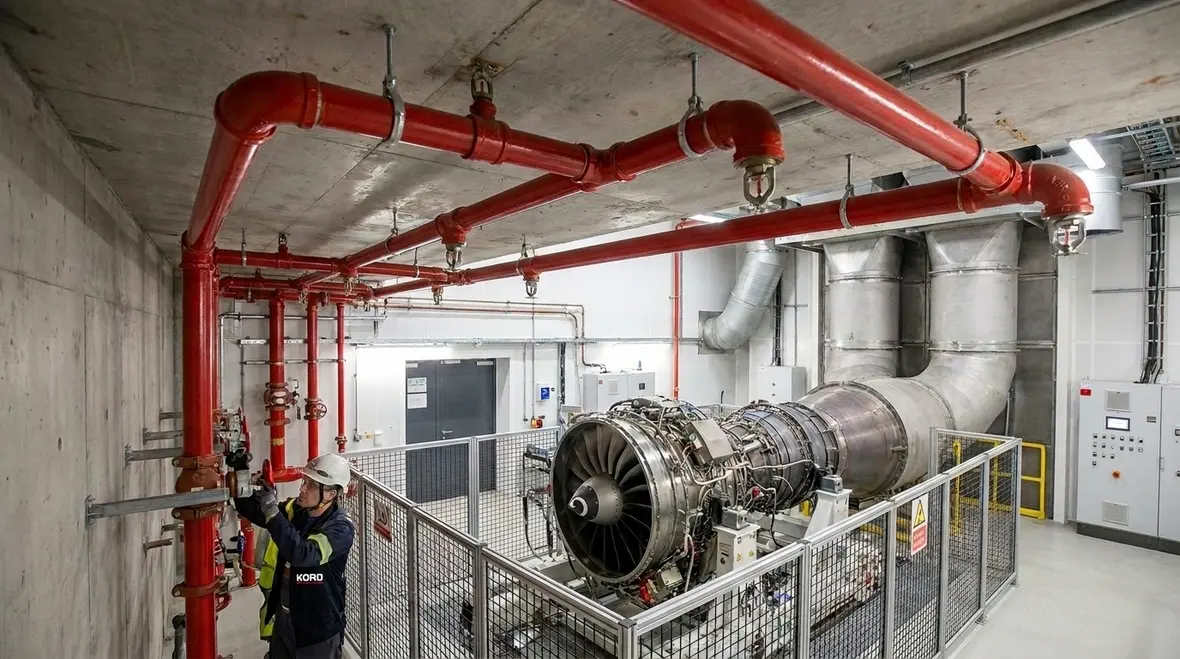
Designers implement a protection philosophy that prioritizes early detection and targeted water application in the engine test cell. The layout typically isolates the test cell from adjacent spaces to limit water damage and to maintain life safety. In high hazard environments, automatic sprinkler protection is complemented by active fire detection and rapid shutdown mechanisms. Designers choose sprinkler head types and patterns that reliably cover engines, exhaust ports, and containment areas without excessive water damage to sensitive testing equipment. For NFPA 13 aircraft engine test facilities sprinkler protection, coordination with testing procedures, ventilation systems, and exhaust handling is essential to prevent nuisance activations and ensure reliable performance during a test run.
Coordination matters more than heroics
A well designed system should not depend on last minute improvisation. It should work with the room, the engine, the airflow, and the testing sequence instead of fighting all four at once.
Water Supply, Piping, and Pumping Considerations
A robust water supply is critical for aircraft engine test facilities sprinkler protection. Systems rely on adequately sized mains, reliable pump stations, and backflow prevention to deliver required density to the protected zones. Redundancy is commonly achieved through standby pumps or dual power sources to maintain operation during power interruptions. Piping arrangements must minimize the risk of cross contamination and permit rapid isolation if maintenance is required. In practice, facilities often specify a dedicated water supply that remains independent from building fire protection and life safety systems to ensure that engine testing does not compromise other occupancies on site. Regular testing of pumps, demand entries, and alarm signaling is essential to maintain compliance with NFPA 13 aircraft engine test facilities sprinkler protection.
That maintenance side of the equation becomes much easier to manage when inspection, testing, and documentation are treated as a program instead of a scramble. Kord’s article on NFPA 25 inspection, testing, and maintenance definitions is a helpful companion for teams building repeatable compliance workflows.
Sprinkler Heads, Activation Criteria and Placement
Head selection and placement are tailored to the high hazard environment of engine testing. Section 27.32 guides designers toward coverage that protects the engine, test chamber walls, and any fuel handling areas without creating blind spots. In many installations, fast response heads or specialty heads are used to improve activation performance while limiting collateral water damage. Activation criteria consider the presence of ventilation, ducts, and exhaust plumes that can influence sprinkler response. Regular field verification during commissioning and routine maintenance helps ensure that head spacing, obstruction clearances, and visibility in the test area remain within design intent. For owners and operators, this translates into dependable protection with predictable water release patterns during a test sequence.
Placement needs to respect the real airflow
On paper, coverage can look beautiful. In a live test cell with exhaust movement and obstructions, paper does not get the final vote.
Inspection, Testing and Maintenance Requirements
Ongoing compliance hinges on disciplined inspection and testing. NFPA 13 aircraft engine test facilities sprinkler protection requires a documented maintenance program that covers head replacement, leakage checks, valve operation, and alarm verification. Routine inspections identify obstructions, corrosion, or physical damage to piping and sprinkler heads. Functional tests verify that water control valves, alarms, and interlocks operate as intended, and that backflow preventers function correctly. Because test facilities operate under elevated risk, schedules for inspection are typically more frequent than standard occupancies, with formal reviews after major maintenance or facility modifications. Engaging a dedicated commercial service partner such as Kord Fire Protection helps ensure adherence to NFPA 13 aircraft engine test facilities sprinkler protection and alignment with NFPA 25 for periodic testing and NFPA 72 for detection and signaling.
Practical Compliance Challenges for Commercial Facilities
Commercial, industrial, and retail facilities hosting engine test operations face several practical challenges. First, maintaining adequate water supply and pump redundancy requires reliable utility coordination and on site testing at least annually. Second, ensuring proper access for maintenance staff to isolated test cells while keeping adjacent spaces protected prevents accidental system impairment. Third, evolving test programs may introduce new fuel handling or storage configurations that require revised protection schemes. Finally, documentation and traceability are essential; up to date drawings, test reports, and maintenance logs demonstrate due diligence to regulators, insurers, and facility operators. Kord Fire Protection supports these needs by delivering design reviews, annual inspections, and proactive maintenance plans aligned with NFPA 13 aircraft engine test facilities sprinkler protection.
Frequently Asked Questions
For facilities that rely on engine testing, partnering with a dedicated fire protection professional is essential. Kord Fire Protection provides design, installation, testing, and ongoing maintenance services to maintain compliance with NFPA 13 aircraft engine test facilities sprinkler protection. Contact Kord today to schedule a site assessment, review your protection strategy, and implement a proactive maintenance program that minimizes risk and keeps operations running smoothly.

Join Our Newsletter!
Get the latest fire safety tips delivered straight to your inbox From our Newsletter.