
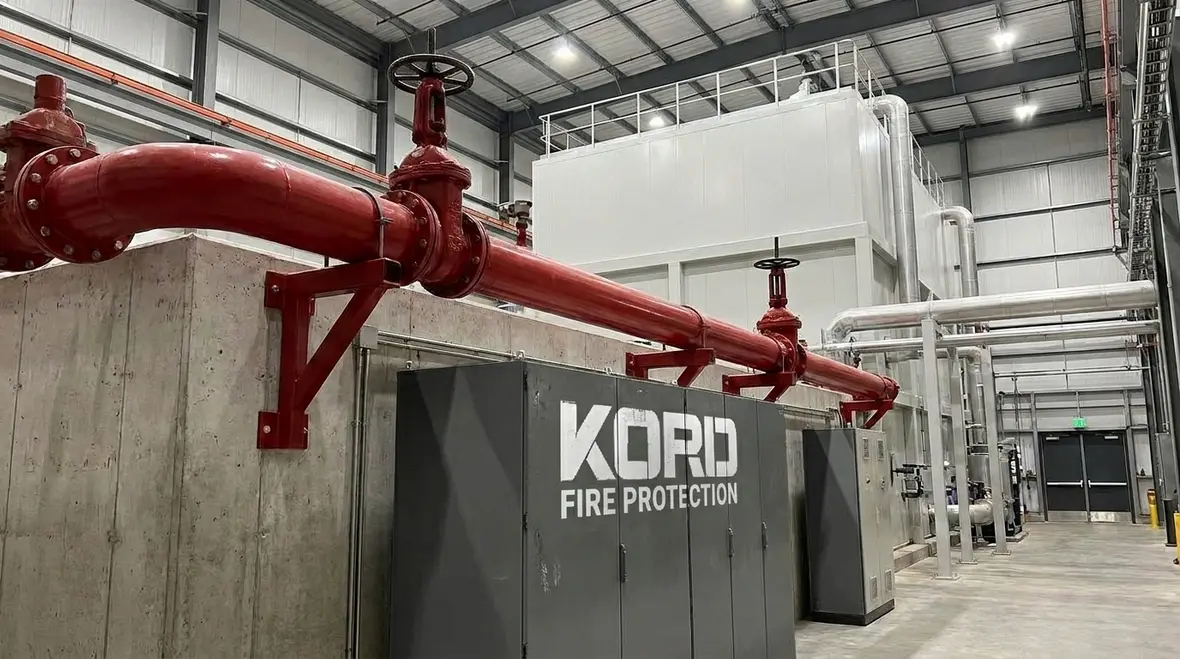
NFPA 13 Section 27.33 — Advanced Light Water Reactor Electric Generating Plants
NFPA 13 Section 27.33 and Advanced Light Water Reactor Electric Generating Plants
Quick Answer: NFPA 13 advanced light water reactor electric generating sprinkler requirements are defined in Section 27.33 to govern the design, installation, testing and maintenance of sprinkler systems for ALWR facilities. The standard prioritizes reliable water supply, seismic resilience, and robust inspection regimes. Compliance relies on experienced partners.
For a broader foundation before getting into this specialized section, review NFPA 13 automatic fire sprinkler system installation requirements. If your facility also depends on pump reliability to support compliance, our related guide on NFPA 25 fire pump testing requirements fits naturally into the bigger picture.
Overview and Scope of NFPA 13 Section 27.33 for ALWR Plants
Advanced Light Water Reactor electric generating plants require specialized sprinkler design. NFPA 13 Section 27.33 defines the scope for ALWRs, aligning water based protection with high reliability and safety goals. The NFPA 13 advanced light water reactor electric generating sprinkler provisions address system separation, hydraulic design and compatibility with safety systems while ensuring minimal risk to critical equipment. Industry practitioners should expect rigorous coordination with plant safety cases, licensing requirements and plant design authority reviews.
Why this section matters in real world plant design
This is where ordinary sprinkler conversations leave the room and highly specialized coordination walks in with a clipboard. ALWR facilities are not forgiving environments for vague design intent, so Section 27.33 pushes teams toward disciplined layouts, dependable performance, and clean documentation that can stand up to review.
Key Design and System Requirements for the ALWR Context
- The NFPA 13 advanced light water reactor electric generating sprinkler provisions require explicit zoning and hydraulic separation to protect safety systems from water damage.
- Water supply redundancy includes multiple pump trains and stored water to meet post fire requirements without interrupting safety functions.
- Seismic bracing and flexible connections are required to maintain system integrity during design basis earthquakes.
- Detection, alarm and supervisory coverage must coordinate with plant safety systems and control room interfaces.
- Post indicator valves and supervisory control must be reliably exercised without impacting plant operations.
Design details that tend to cause headaches
The complexity is not just in picking components. It is in making sure every sprinkler decision plays nicely with structural demands, electrical systems, operating procedures, and safety functions. That is a lot of personalities in one room, and unlike a sitcom, nobody laughs when coordination fails.
Inspection Testing and Maintenance Obligations
Maintenance programs align with NFPA 13 Section 27.33 and NFPA 25 practices. The program typically includes monthly supervisory checks, quarterly valve exercising, annual system flow tests and hydrostatic testing on defined intervals. Tasks cover corrosion control, insulation integrity, head alignment and ensuring unobstructed sprinkler paths. Documentation supports regulatory readiness, and Kord Fire Protection provides scheduling, testing and reporting for compliance.
Documentation is not optional busywork
In these environments, records do more than fill folders. They prove the system was inspected, tested, maintained, and reviewed with intent. When auditors, insurers, or regulators ask questions, good documentation keeps the conversation short and far less dramatic.
Equipment Mechanisms and Common Failure Points
ALWR sprinkler systems rely on reliable water supply pumps, check valves, backflow preventers and alarm devices. Common failure points include valve sticking, corrosion, scaling, clogged sprinkler heads, leaks and power supply interruptions. Regular testing and preventive maintenance reduce these risks and ensure reliable water delivery to critical zones. The NFPA 13 advanced light water reactor electric generating sprinkler design emphasizes corrosion resistance and compatibility with containment environments.
Small failures rarely stay small
A sticky valve or scaled component might look minor during a casual walkthrough, but critical fire protection systems do not grade on a curve. If water delivery hesitates when it matters, the system has already failed the only test anyone actually cares about.
Compliance Challenges in Commercial, Industrial and Retail Facilities
Commercial facilities adopting ALWR sprinkler requirements face space constraints, access limitations and documentation burdens. The need to coordinate between fire protection, electrical, mechanical and safety groups increases complexity. Facilities must maintain as built drawings, test records and change management to satisfy regulators and insurers. Kord Fire Protection helps navigation through licensing reviews, audits and ongoing maintenance planning for facilities applying these specialized standards.
Cross discipline coordination is where projects win or wobble
Even well funded projects can get tangled when design changes move faster than record updates. The more teams involved, the more valuable a partner becomes who can keep drawings, testing, and maintenance planning pointed in the same direction.
Partnering with Kord Fire Protection for Ongoing Compliance
Kord Fire Protection provides a full ALWR sprinkler program using NFPA 13 27.33 guidelines. The firm’s services include risk assessments, hydraulic design reviews, valve exercising, hydrostatic testing, system modifications and documentation management. The team maintains regulatory ready reports and offers 24 7 emergency response for critical facilities.
Conclusion and next steps are best addressed with a qualified partner. Enduring compliance requires aligned design, disciplined maintenance, thorough documentation and timely reporting. A partner with ALWR experience can deliver tailored solutions that meet regulatory expectations while protecting commercial, industrial and retail assets.
To keep your ALWR sprinkler program compliant, contact Kord Fire Protection for a comprehensive NFPA 13 27.33 assessment, inspection scheduling, and ongoing maintenance. Our engineers deliver qualified expertise, rapid service and complete documentation for regulatory reviews. Schedule a consultation now to secure reliable fire protection across commercial, industrial and retail facilities.
Frequently Asked Questions

Join Our Newsletter!
Get the latest fire safety tips delivered straight to your inbox From our Newsletter.


