NFPA 25 Inspection Testing Maintenance Definitions Guide
Quick answer: NFPA 25 §§ 3.1-3.7 lays out the core definitions that shape how facilities plan inspection, testing, and maintenance of fire protection systems. When a site team uses these terms correctly, work stays consistent, compliant, and clear. Kord Fire Protection can act as a trusted partner to keep schedules tight and findings actionable.
If your team needs a broader support structure behind those definitions, Kord’s full fire protection services page shows how inspection, testing, maintenance, repairs, and compliance support can fit into one coordinated program.
NFPA 25 basics for facility work
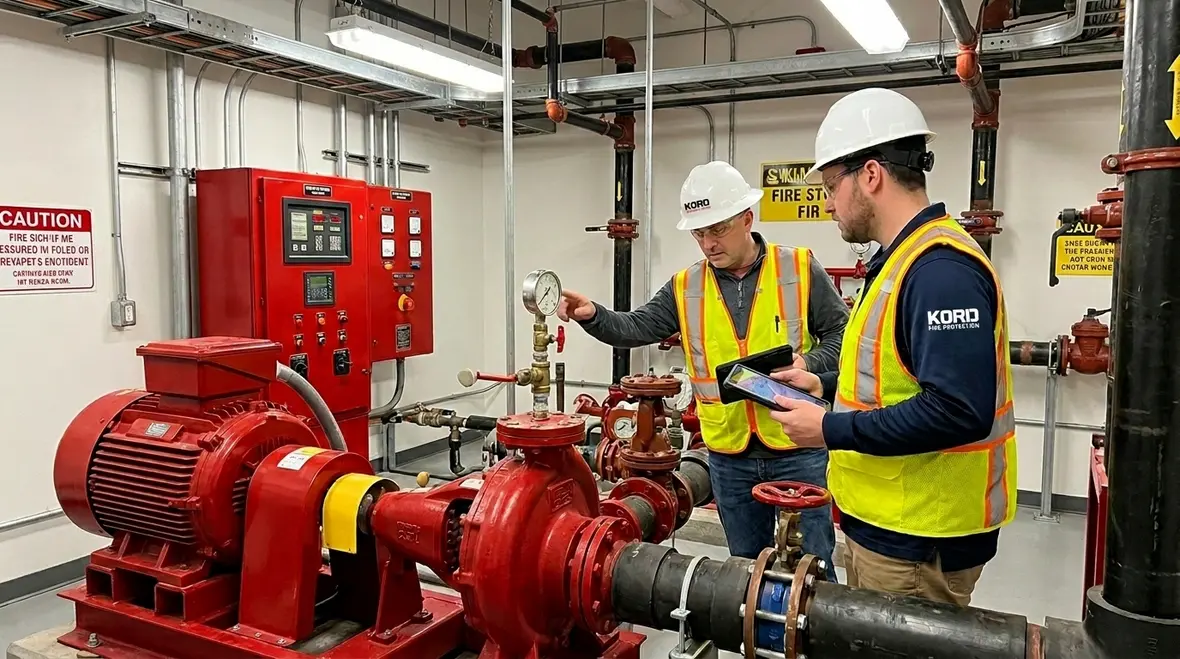
Inside NFPA 25, the document anchors a facility team’s workflow using inspection, testing, and maintenance terms. In practical terms, inspection means visual checks and required verification of condition. Testing means procedures that measure performance, while maintenance means scheduled work that keeps equipment within required limits. These definitions, found in §§ 3.1-3.7, guide how a facility manager writes plans, assigns responsibilities, and documents results. And yes, it also helps avoid the classic problem of “someone touched the equipment, but nobody knows what they checked.”
For industrial, retail, and commercial sites across Australia, that clarity matters even more. Equipment runs harder, spaces change faster, and risk does not take weekends off. So the facility manager benefits when everyone uses the same definitions and the same language before work begins.
Why NFPA 25 definitions matter at the site level
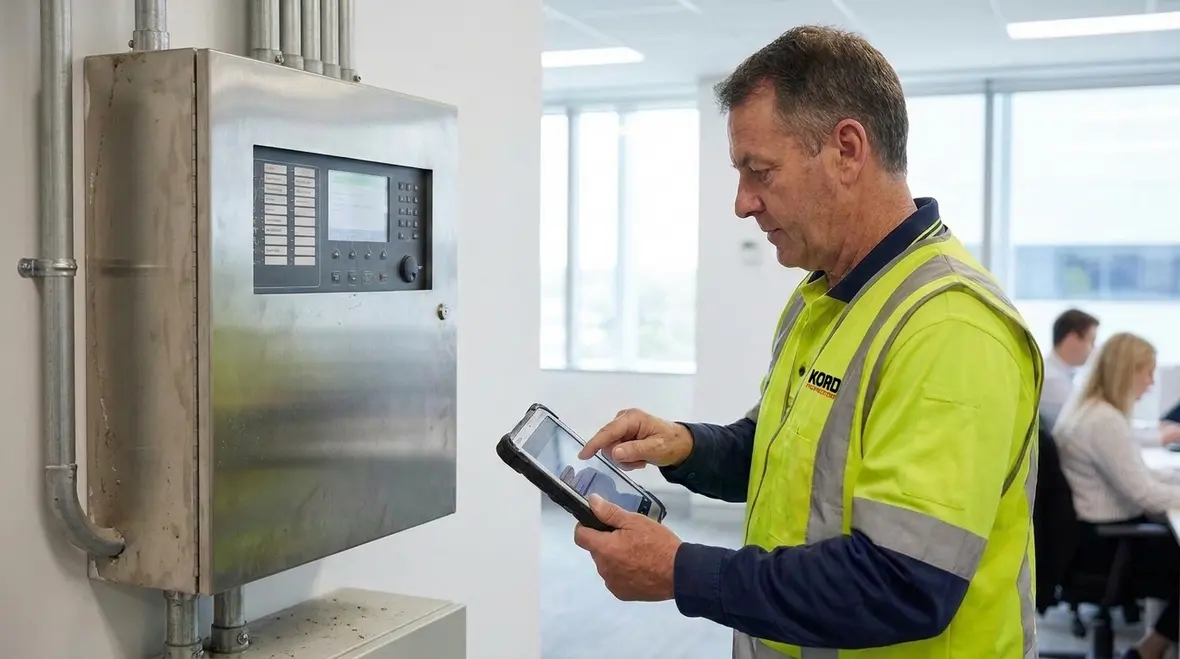
When a facility team uses the correct NFPA 25 inspection, testing, and maintenance definitions, it reduces guesswork and prevents mismatched expectations. For example, an inspector and a contractor might both “look at” a device, but only one action truly counts as an inspection under the standard. Meanwhile, testing requires performance steps that go beyond observation. Maintenance, then, is the planned corrective and upkeep work that returns a system to its required condition.
As a result, documentation becomes easier to audit. Then, when issues show up, the team can link findings to the right category of work. That link matters because it changes the response: inspection findings often require investigation, testing findings often require measurement-based correction, and maintenance needs tend to involve schedules, parts, and service records.
And if anyone says, “It’s basically the same thing,” the facility manager can respond with calm confidence. “Sure. The fire suppression system and the fire alarm system are also ‘basically the same thing’ to someone who has never tried to reset them.”
Key NFPA 25 term set in §§ 3.1-3.7
This section highlights the key definitions that facility managers use when building and verifying inspection, testing, and maintenance programs. While each facility adapts the plan to its systems and site conditions, the terms stay the same. Kord Fire Protection typically starts by mapping each system’s scope to the correct definition, so teams do not drift into “tribal knowledge” that changes with staff turnover.
3.1 What an “inspection” really means
An inspection involves visual and other checks specified by the standard to confirm the system or component appears in the required condition. Importantly, it does not replace performance testing. Instead, it acts as the first line of verification that supports the later steps.
In busy Australian workplaces, inspection work often faces time pressure. Still, a disciplined approach catches obvious issues early, like missing labels, abnormal conditions, or signs of damage. That early capture can reduce the chance that a later test fails because something obvious was already sitting there, like a loose cover daring someone to notice it.
3.2 How “testing” differs from inspection
Testing uses procedures that measure performance or function against the required criteria. It confirms whether equipment works the way it must, under defined conditions. Therefore, testing carries a different level of certainty than inspection does.
When testing gets delayed, systems may still look fine, but performance can drift. For instance, the device can appear intact while internal tolerances change. Then the first real clue arrives during testing, not during inspection, and suddenly the facility team is back in scramble mode.
3.3 What “maintenance” covers
Maintenance is the scheduled actions that keep components within required condition. This includes corrective steps, replacement of worn parts, and other upkeep that sustains performance over time. Maintenance is not just “fixing when something breaks.” It supports reliability.
For facility leaders, maintenance definitions help translate results into work orders. They also help justify resources because maintenance ties back to the standard’s expectations, not just budget preferences.
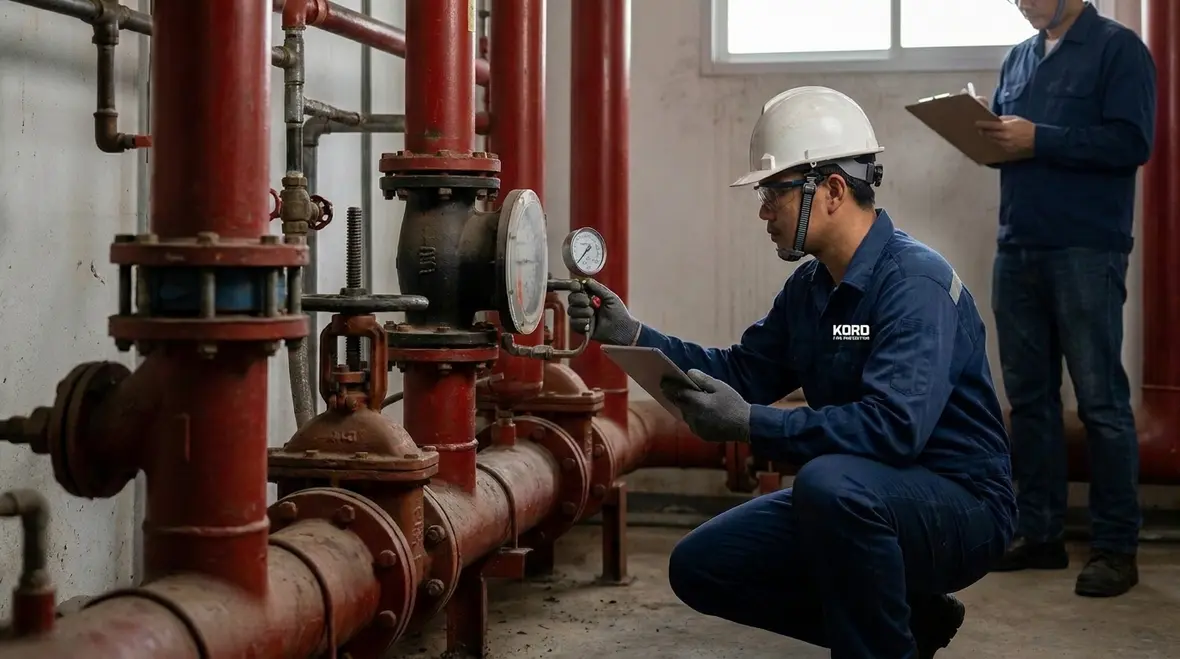
3.4 Understanding “schedules” and program structure
NFPA 25 uses a structured approach to ensure activities happen at the right frequency. Schedules connect the calendar to the facility’s risk profile and equipment arrangement. Therefore, the facility manager benefits from a plan that includes dates, responsibility, and documented outcomes.
When schedules remain vague, the site team often reverts to reactive service. Reactive service is how costs rise, uptime falls, and everyone learns new vocabulary for frustration. A clear program keeps work predictable.
3.5 Documentation and records as a living asset
Documentation supports traceability. It shows what happened, when it happened, and what the results mean. As a result, the facility manager can track trends, spot recurring failures, and show evidence of compliance.
This matters for audits, insurance conversations, and contractor coordination. It also matters when a new team member takes over and needs context fast.
If your team wants a larger framework for how those records connect to recurring service, Kord’s full lifecycle of fire protection servicing article helps connect inspections, maintenance logs, and long-term reliability in a way that makes the paperwork feel slightly less like a second job.
3.6 “Authority” and how roles get clarified
NFPA 25 defines terms that help clarify who is responsible for the program, who performs work, and how results connect to facility operations. In practice, this reduces miscommunication between facility staff, contractors, and operations managers.
When roles stay unclear, work still gets done, but it may land in the wrong bucket. And once it lands in the wrong bucket, it is harder to correct later without rework.
3.7 System and component boundaries for the facility plan
The standard’s definitions help define what the program covers at the system and component level. In other words, a facility manager needs a clear boundary for scope so the inspection testing maintenance program does not miss pieces.
For large sites, that scope clarity prevents “that one panel nobody owns.” It also supports coordinated shutdown planning when testing requires access.
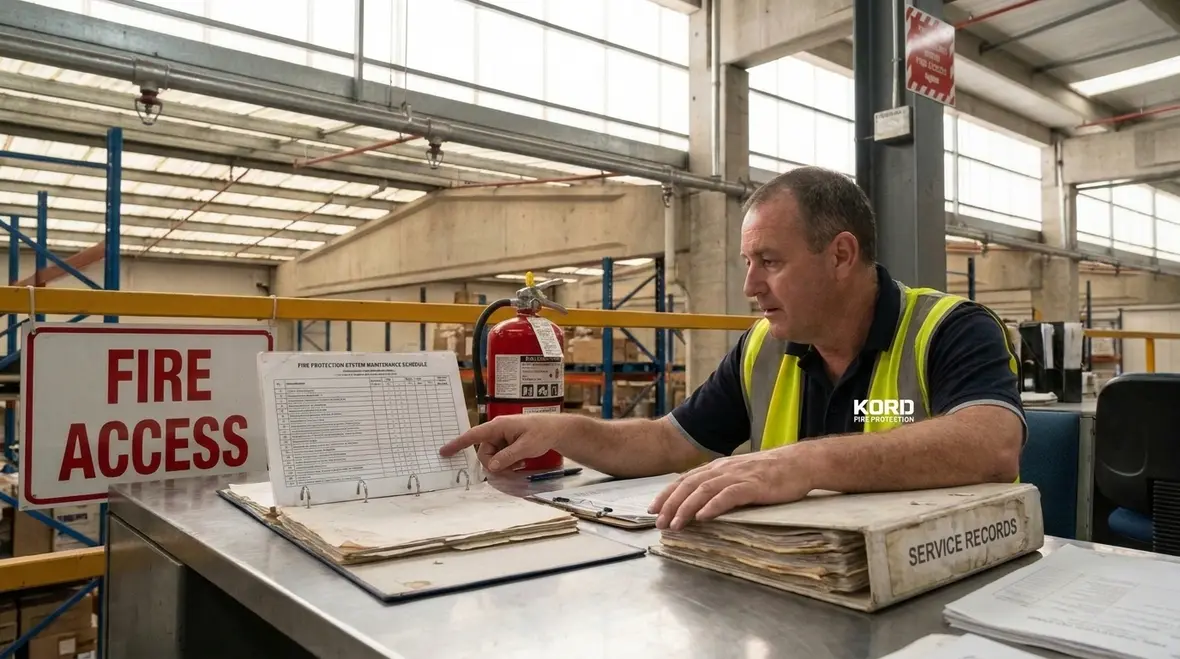
How facility managers build inspection testing maintenance programs that hold up
After the team confirms the definition set, the facility manager should build the program in a way that survives real operations. That means linking equipment inventories to the correct activities, then mapping schedules to site constraints. It also means writing procedures that reflect how the facility actually runs.
At industrial sites in Australia, shutdown windows can be short. Retail sites may have strict trading hours. Commercial buildings often share services with multiple tenants. Therefore, the program must plan for access and coordination rather than treating inspection testing maintenance like a solo task.
This is where Kord Fire Protection becomes vital. Kord can partner with the facility team to align scope, timing, and documentation expectations. In many cases, Kord helps convert standard language into a practical site workflow so the facility manager does not spend evenings translating terms instead of improving safety outcomes.
Dual column example: from definition to on site action
| NFPA 25 definition use | What the facility team does |
|---|---|
| Inspection | Checks condition and verification steps, then flags issues for review before testing exposes hidden performance drift |
| Testing | Runs performance and functional procedures, then records results against required criteria for objective decisions |
| Maintenance | Schedules corrective work and preventive upkeep, then documents actions to restore required condition |
Common pitfalls in compliance, and how to avoid them
Even strong facilities can stumble when teams treat definitions like suggestions. Here are frequent issues, and how a facility manager can prevent them.
Mislabeling work
Teams sometimes record a performance check as an inspection, or they log maintenance as testing. Then the record stops telling the truth about what happened. Instead, Kord Fire Protection typically helps facilities standardise how results are recorded so each entry reflects the correct definition.
Skipping evidence links
When documentation does not connect findings to the right next action, the program loses its value. Therefore, each work outcome should feed into the next scheduled step, corrective work, or follow up review.
Ignoring site change
Facilities rarely stay still. Meanwhile, renovations, new racks, altered layouts, and updated tenancy arrangements can affect access, coverage, and system conditions. Because the standard relies on scope and component boundaries, the facility team should update inventories and coverage assumptions when changes occur.
Assuming “someone will remember”
This is the most expensive belief in the building. Yet it shows up constantly. Instead, the facility manager should rely on scheduled processes and clear records, then verify that the right work happens at the right frequency.
And for the record, fire protection is not like a TV show where the writers explain it later in the final episode. It is more like real life, where prevention is the plot twist you want.
How Kord Fire Protection supports the NFPA 25 workflow
Kord Fire Protection can become a vital partner by helping facilities implement the inspection testing maintenance definitions in a way that works in the real world. This support typically includes aligning program scope with the correct system boundaries, scheduling activities around site operations, and maintaining clear documentation that helps facility leaders make decisions.
Then, when findings occur, Kord can help translate outcomes into practical next steps, so the facility manager does not have to guess whether the result calls for investigation, testing repeat, or maintenance corrective work. That reduces downtime, improves response speed, and keeps compliance work from becoming a never ending spreadsheet marathon.
For a related deep dive, Kord’s NFPA 25 overview and complete water-based fire protection systems maintenance breakdown is a natural next read if your team wants to move from definition language into broader program execution.
FAQ
Conclusion and CTA
A facility manager who understands NFPA 25 §§ 3.1-3.7 builds a safer program and a calmer workflow. With clear inspection testing maintenance definitions, the site team tracks results correctly, plans smarter, and responds faster.
If Kord Fire Protection supports your program, you get practical scheduling help, disciplined documentation, and actionable next steps. Reach out to Kord Fire Protection and make your fire protection work as reliable as your best operational plan.

Join Our Newsletter!
Get the latest fire safety tips delivered straight to your inbox From our Newsletter.