
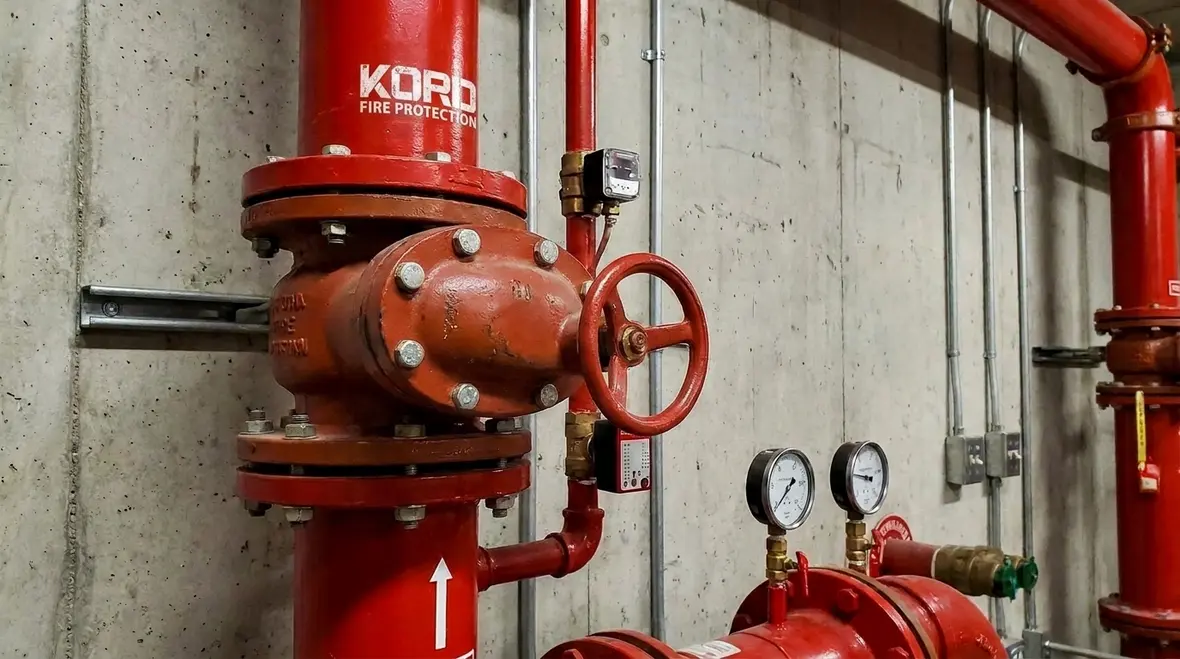
NFPA 13 Section 16.17 — Signage Requirements for Sprinkler Systems
NFPA 13 Section 16.17 Signage Requirements for Sprinkler Systems
Quick Answer: NFPA 13 Section 16.17 governs the labeling and directional signage for all sprinkler system components, aligning with NFPA 13 signage requirements sprinkler systems that target visibility, durability, and standardized identification. Proper signage supports rapid response and ongoing maintenance in commercial facilities.
If your facility is reviewing signage as part of a broader system check, it helps to pair that work with fire sprinkler system service so inspections, repairs, documentation, and labeling stay connected instead of turning into four separate projects with four separate headaches.
Overview and scope of NFPA 13 16.17
Section 16.17 establishes the purpose and intent of system signage within the NFPA 13 framework. The rule focuses on ensuring that critical sprinkler system elements are clearly identified, easy to locate, and legible under normal and emergency conditions. The scope covers new installations as well as retrofits in commercial, industrial, and retail facilities, emphasizing consistency across buildings and sites. For facility managers, this means a standardized approach to labeling that reduces confusion during testing, inspections, and emergencies.
For a broader code context, Kord Fire Protection’s NFPA 13 overview of automatic fire sprinkler system installation is a useful companion read when you want to connect signage requirements to the larger installation standard.
Signage types and placement best practices
- Valve and control signage: Clearly identify main, sectional, and zone valves with readable text and arrows directing valve operation paths.
- Riser room and cabinet signage: Provide a directory that lists each riser, its zone, and the corresponding floor or area served.
- Alarm and monitoring signage: Mark fire alarm panels, supervisory devices, and flow alarms to facilitate rapid fault location.
- Standpipe and Fire Department Connections (FDC) signage: Indicate connection type, hose availability, and entry points for emergency responders.
- Sprinkler head and system component signs: Identify head types, alarms, and critical components such as detectors or test valves.
- Directional and access signage: Use arrows and legible text to guide personnel to valves, rooms, and equipment locations without obstructing access.
Placement should maximize visibility and readability. Signs are typically mounted at consistent heights in mechanical rooms, near primary access points, and directly adjacent to the components they describe. In mixed occupancies, use standardized color contrast and bilingual wording where applicable to meet local requirements and support diverse maintenance teams.
Why placement consistency matters
Consistent placement helps technicians, inspectors, and emergency responders scan a space faster without playing a scavenger hunt in the riser room. When labels appear at predictable heights and in predictable locations, people waste less time figuring out what they are looking at and more time doing what they came to do.
Material, visibility and illumination requirements
- Durability: Signs should use corrosion resistant substrates such as anodized aluminum or durable plastics rated for the installation environment.
- Legibility: High contrast lettering with a clear sans serif font improves readability at a distance and in low light.
- Lighting: Where signs are not in reliably lit spaces, provide artificial lighting or photoluminescent materials to ensure legibility during power outages.
- Tamper resistance: Use tamper resistant fasteners or mounting methods to deter removal or vandalism.
Color coding and symbol usage should align with the facility’s overall signage program. Consistency reduces errors during maintenance and when the building is inspected by authorities having jurisdiction. Kord Fire Protection recommends a signage audit to verify material choices, mounting heights, and legibility across all zones.
Where visibility usually falls apart
Usually not in the design meeting, of course. Visibility problems tend to show up later when a shelf appears in front of a valve sign, a door swing covers a directional marker, or a room that was “always lit” suddenly is not. That is why field verification matters more than good intentions on a plan set.
Compliance, inspection and maintenance requirements
Signage is part of a facility’s ongoing fire protection program. Visual inspections should occur during routine system checks, with a formal sign inventory included in annual or semi annual testing cycles. Any damaged, obscured, or illegible signage must be repaired or replaced promptly. Documentation should reflect the location, wording, and maintenance history of each sign.
Events such as renovations, equipment changes, or occupancy upgrades require updating signage to reflect current configurations. In commercial settings, delayed or incomplete signage updates can lead to misidentification during service calls, increasing downtime and risk. Regular coordination between building management, fire protection contractors, and the AHJ is essential for sustained compliance.
A related commercial fire safety audit step by step process can also help teams catch missing labels, blocked signs, and documentation gaps before those little problems turn into larger inspection surprises.
Practical compliance challenges in commercial facilities
- Layout complexity: Multi tenant spaces, high ceilings, and dense mechanical cores complicate sign placement and readability.
- Access and obstruction: Signs may be blocked by doors, shelving, or new equipment; proactive site surveys prevent obstruction issues.
- Renovation and turnover: Frequent tenant changes require timely updates to signage inventories and drawings.
- Environmental exposure: Moisture, heat, and chemicals in some facilities demand durable signage and protective coatings.
- Documentation sync: As built drawings often lag field changes; linking signage to BIM or maintenance software improves accuracy.
In these scenarios, partnering with a seasoned commercial service provider such as Kord Fire Protection helps ensure that signage remains compliant, up to date, and aligned with ongoing maintenance plans. A proactive program minimizes downtime and supports safer building operations.
The real world problem with “we’ll update it later”
“Later” is how a directional sign points to a room that no longer exists, a riser label still references an old tenant, or a maintenance team walks into the wrong area first. None of that is dramatic until it becomes dramatic, which is a terrible time to discover your signage program has been running on vibes.
Documentation, training and lifecycle management
- As built records: Update drawings and equipment lists to reflect current signage locations and content after every modification.
- Maintenance training: Train facilities staff and contractors to recognize standard signage and know where to find critical components quickly.
- Lifecycle planning: Establish replacement intervals for signs based on material wear, exposure, and local climate conditions.
Effective lifecycle management reduces the risk of outdated or misleading signage. It also supports regulatory audits and owner operator confidence by maintaining a clear trail from installation to routine maintenance.
Frequently Asked Questions
Conclusion and call to action
Maintaining NFPA 13 signage requirements sprinkler systems is essential for safety, reliability, and regulatory compliance in commercial facilities. Kord Fire Protection provides comprehensive signage audits, installation, and ongoing maintenance programs tailored to your building type. Our experts verify visibility, accessibility, and documentation, coordinate updates with renovations, and integrate signage into your overall fire protection management plan. Schedule a site assessment with Kord Fire Protection today to ensure your signage supports rapid response and consistent maintenance outcomes across all facilities.

Join Our Newsletter!
Get the latest fire safety tips delivered straight to your inbox From our Newsletter.


