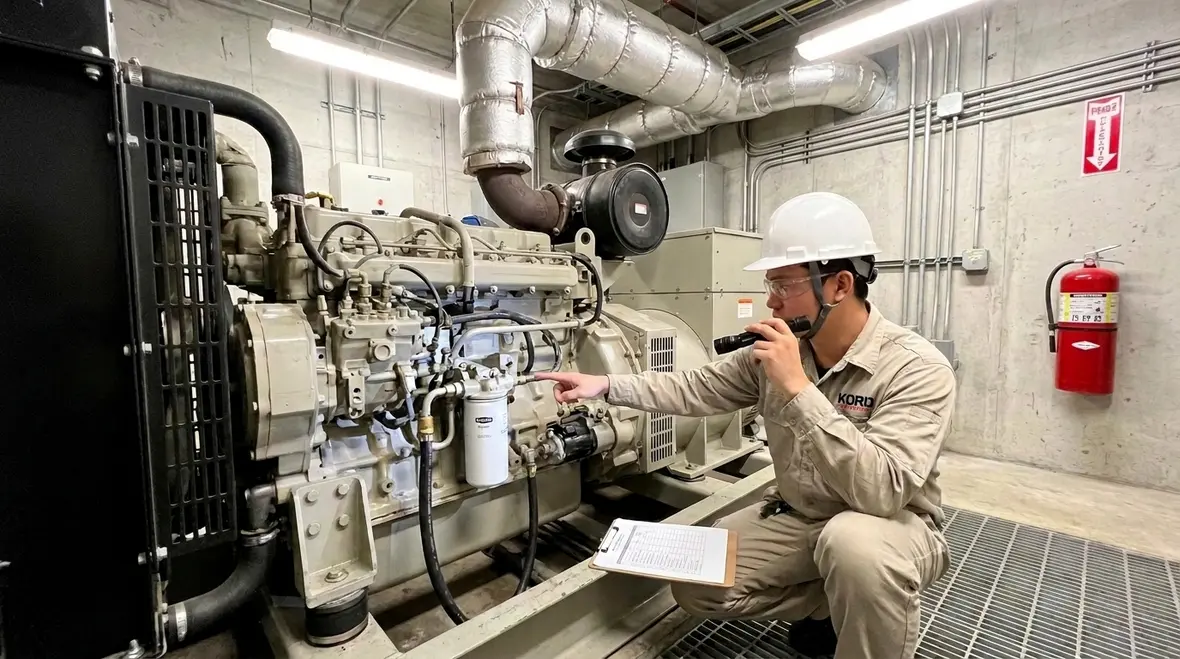
NFPA 37 Section 1.2 Purpose: Fire and Explosion Prevention Goals for Engine Installations
Quick Answer
NFPA 37 Section 1.2 establishes the overarching fire and explosion prevention goals for engine installations. It sets the intent to reduce ignition sources, limit hazardous conditions, and support safe design, operation, and maintenance. Facilities that follow these goals improve risk controls and inspection readiness.
For a broader service path that supports inspections, maintenance, repairs, and compliance planning, facilities can also review fire protection services in Southern California from Kord Fire Protection.
What does NFPA 37 Section 1.2 set out to accomplish?
The NFPA 37 purpose fire explosion prevention engine installations is not just a regulatory statement. Section 1.2 frames how designers, installers, operators, and maintenance teams should think about hazard control when engines introduce ignition sources, heat, friction, pressure, and fuel energy into occupied or high activity environments. For commercial, industrial, and retail facilities, that mindset is what connects the standard’s technical requirements to day to day performance during normal operation and abnormal conditions.
In practice, compliance depends on more than installing equipment. It requires maintaining engineered safeguards so they continue to function as intended through wear, contamination, aging, and changes in facility use.
NFPA 37 Section 1.2 purpose: The prevention goals behind the requirements
Section 1.2 focuses on preventing fires and explosions by controlling the conditions that allow ignition and escalation. It emphasizes goals that translate into design and operational controls for engine installations, especially where fuel, exhaust, electrical components, rotating parts, and flammable vapors or residues can intersect.
1) Reduce ignition potential from engine related hazards
Engine systems generate ignition capable energy through hot surfaces, exhaust temperatures, electrical faults, mechanical friction, and sparking. The section’s purpose supports requirements that help limit exposure of flammable atmospheres to ignition sources, including controls associated with exhaust routing, spark producing components, and proper installation clearances.
2) Limit the likelihood of fuel leakage and uncontrolled release
Fire and explosion events frequently start with uncontrolled fuel release. The prevention goals support strict attention to fuel system integrity, leak detection and reporting, secure routing, appropriate sealing practices, and maintenance that addresses deterioration and vibration induced wear.
3) Maintain safe operation so safeguards remain effective
Safeguards are not “install and forget.” NFPA 37’s intent aligns with maintenance and inspection practices that confirm the system remains in compliance as components age. For commercial facilities, this includes verifying that protective devices continue to operate within expected performance parameters, and that operational practices do not defeat protective design features.
Where compliance breaks down in real engine installations
Facilities often treat engine installation compliance as a one time project. Section 1.2 purpose is a performance goal that can be undermined long after the commissioning phase by maintenance gaps, undocumented modifications, and environmental changes.
Common failure points that increase fire and explosion risk
- Exhaust system degradation: corrosion, misalignment, damaged supports, or blocked discharge paths can increase heat transfer to nearby combustibles.
- Fuel system integrity loss: cracked hoses, loosened fittings, degraded gaskets, and vibration induced abrasion.
- Electrical faults: damaged wiring insulation, moisture intrusion, and improper terminations that can create unintended ignition sources.
- Accumulated residues: oil, grease, and dust accumulation that lowers ignition thresholds and accelerates fire growth.
- Improper housekeeping and storage: combustible materials placed too close to engine areas or stored in prohibited locations.
Commercial operational realities that affect outcomes
Retail and light commercial spaces often change tenancy, storage practices, and equipment layouts. Industrial sites may add process materials over time. These changes can shift the hazard profile even if the engine has not been modified. Section 1.2 purpose becomes the checkpoint that prompts facilities to confirm that engineering controls remain appropriate for current conditions.
How facilities should translate Section 1.2 purpose into safe procedures
To meet the intent behind NFPA 37 purpose fire explosion prevention engine installations, facilities should build an operating model that links engineering safeguards to routine and documented verification.
1) Establish inspection and maintenance triggers
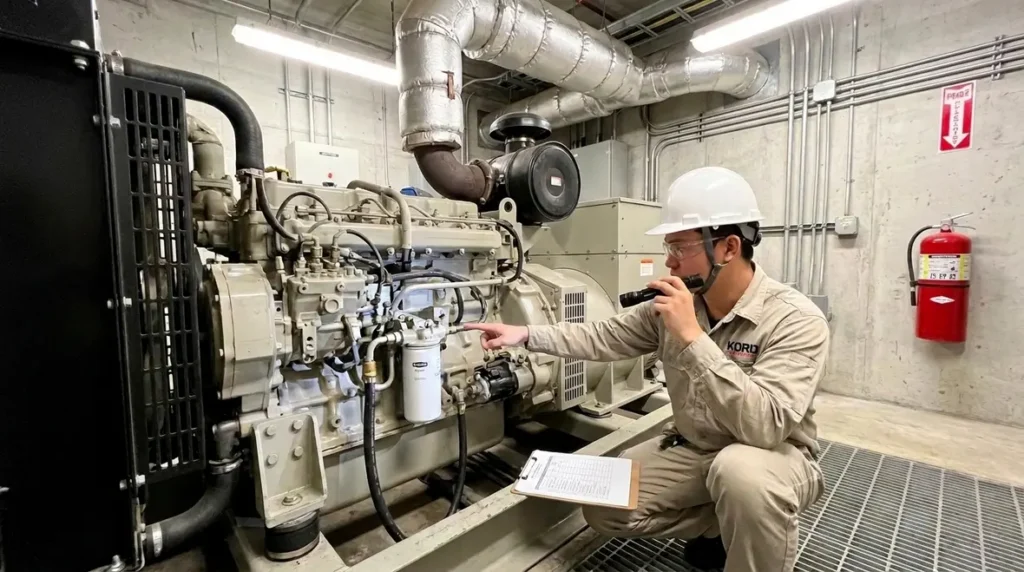
Effective programs define what gets checked, how often, and what conditions require corrective action. Typical focus areas include visible fuel leaks, exhaust pathway integrity, protective guarding, electrical connection condition, and evidence of abnormal operation such as overheating, unusual noise, or intermittent fault indicators.
2) Confirm protective measures stay in place after modifications
Engine rooms and mechanical spaces often get modified. Fans, piping, cable trays, and storage racks can be repositioned. The prevention goals require that any work maintains required clearances, does not block ventilation paths, and does not compromise engineered barriers or shielding.
3) Implement cleaning and residue control as a risk reduction task
Residues around engines can turn small ignition events into faster developing fires. A residue control routine should coordinate with maintenance schedules, including verification that cleaning methods do not introduce ignition hazards or disturb fuel lines and electrical conduits.
4) Maintain operator awareness and abnormal condition response
Engine abnormal conditions can represent early warning stages. Facilities should train staff to recognize warning signs and to initiate safe shutdown or escalation procedures that align with site protocols. Documentation matters because it demonstrates that the facility operates with the prevention goals in mind, not just the written standard.
Teams building out recurring checks may also find it useful to review Kord Fire Protection’s article on proactive maintenance for fire pump system reliability, especially where inspection planning, housekeeping, and long term documentation all need to work together.
Why Kord Fire Protection supports ongoing compliance for engine installations
NFPA 37 Section 1.2 purpose sets goals that depend on sustained performance. Kord Fire Protection supports commercial and industrial facilities by helping establish practical compliance pathways that connect inspection discipline, documentation, and maintenance verification to real operational risk.
Where engine areas face evolving storage, tenant changes, or deferred maintenance, a structured fire protection partner can help close gaps through coordinated assessments and program recommendations. For additional commercial fire system guidance, facilities can review Kord Fire Protection’s commercial fire protection services to understand how ongoing support strengthens readiness.
Frequently Asked Questions
Next step: build a prevention-focused engine maintenance and inspection plan
Facilities should review engine installation hazards against the prevention goals of NFPA 37 Section 1.2 and confirm that inspections and corrective actions stay current with site conditions. Engage a qualified partner to support ongoing testing, documentation, and maintenance verification so your engine installation continues to meet the intent of NFPA 37 purpose fire explosion prevention engine installations. Contact Kord Fire Protection to plan your next compliance review and maintenance support.

Join Our Newsletter!
Get the latest fire safety tips delivered straight to your inbox From our Newsletter.