NFPA 13 Section 17.4 — Installation of Pipe Hangers for Sprinklers
NFPA 13 Section 17.4 Installation of Pipe Hangers for Sprinklers
Quick Answer: NFPA 13 installation pipe hangers sprinklers require hangers to be securely attached to structural members at defined intervals, with listed support devices that accommodate thermal movement, proper clearance, and accessible spacing for inspection and maintenance. Compliance reduces leakage risk and ensures sprinkler performance under demand.
If you are reviewing this section as part of a larger compliance plan, it helps to understand how hanger rules fit into the bigger picture of NFPA 13 automatic fire sprinkler system installation. And if you need hands-on support with design, retrofits, repairs, or inspections, Kord Fire’s fire sprinkler system service is a natural next step for commercial facilities that want fewer headaches and better documentation.
Overview and Why It Matters for Commercial Facilities
In commercial, industrial, and retail facilities, pipe hangers support critical fire protection infrastructure. Section 17.4 specifies that hangers must be suitable for the piping and environment, properly anchored, and configured to resist dynamic forces from water hammer, gravity, and seismic activity. Proper installation minimizes risk to tenants and asset protection.
Hanger Types and Materials You Should Consider
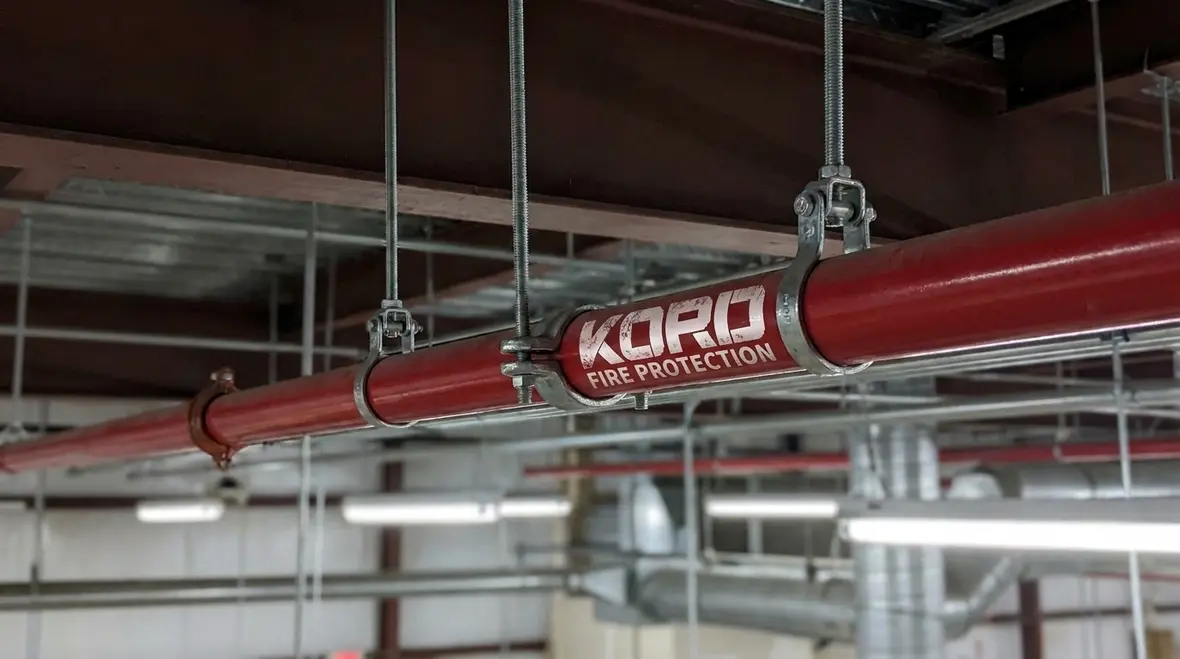
Choosing the right hanger type is essential for durability and reliability. Listed clevis hangers, adjustable supports, and beam clamps offer different load paths and vibration resistance. Material choice matters; steel is typical for steel piping, copper or CPVC may require compatible supports, and corrosion resistant finishes protect hangers in damp or chemical environments. When possible, select hangers with a solid mounting plate and appropriate isolation to prevent galvanic corrosion.
- Clevis hangers for standard steel piping
- Adjustable hangers for zoning and alignment
- Beam clamps and strap hangers for structural members
- Seismic and vibration resistant options for high movement areas
Installation Requirements and Spacing Guidelines
Follow the exact placement and mounting requirements per the piping material and system type. Hangers must be anchored into structural members rather than ceiling tiles or non structural elements. Spacing should reflect pipe size, weight, and local amendments; provide for thermal expansion and contraction while maintaining accessibility for testing and maintenance. The goal is to maintain alignment and prevent stress on joints.
In practice, projects should reference the guideline for NFPA 13 installation pipe hangers sprinklers to set base spacing and anchor types consistent with the job location and building code.
Inspection, Testing, and Maintenance Implications
Regular inspection and testing are integral. Visual checks should occur during annual testing, after seismic events, or after renovations. Look for loose fasteners, corrosion, bent supports, or hangers contacting moving parts or insulation. Documentation should capture hanger type, location, mounting method, and any remediation actions. Consider non destructive testing for corrosion or material fatigue when needed.
Common Failure Points and How to Avoid Them
- Inadequate support leading to sagging or pipe movement
- Use of non listed or mismatched hangers for the pipe size or environment
- Insufficient clearance or interference with insulation, ducts, or cables
- Corrosion or wear on threaded rods and anchors
- Improper fastening causing bolt loosening and joint stress
Mitigation includes selecting listed hangers sized for the pipe, ensuring proper anchorage into structural members, using corrosion resistant hardware, and documenting a hanger plan as part of the facility management program.
Compliance Strategies for Commercial Facilities
For commercial facilities such as offices, warehouses, and retail centers, maintaining NFPA 13 compliance for installation pipe hangers through 17.4 requires a proactive program. Create and maintain a hanger schedule, coordinate with structural and fire protection teams, and maintain clear tagging and as built drawings. Regular maintenance and rapid response to changes protect system performance and tenant safety.
- Establish a panel for mechanical and fire protection coordination
- Use listed hangers and correct fasteners for each application
- Keep records with manufacturer information and installation dates
Partner with Kord Fire Protection to perform design reviews, hanger installations, inspections, and ongoing maintenance. Their team ensures that commercial facilities meet current standards while minimizing downtime and disruption to operations.
Frequently Asked Questions
Conclusion and call to action Kord Fire Protection provides end to end NFPA 13 hanger design, installation, inspection, and maintenance services for commercial facilities. Schedule an assessment today to confirm your pipe hangers comply with Section 17.4 and remain protection ready for tenants and assets. Contact us to begin the conversation.

Join Our Newsletter!
Get the latest fire safety tips delivered straight to your inbox From our Newsletter.