Commercial Fire Safety Audit: Step by Step Process
What happens in a commercial fire safety audit, step by step
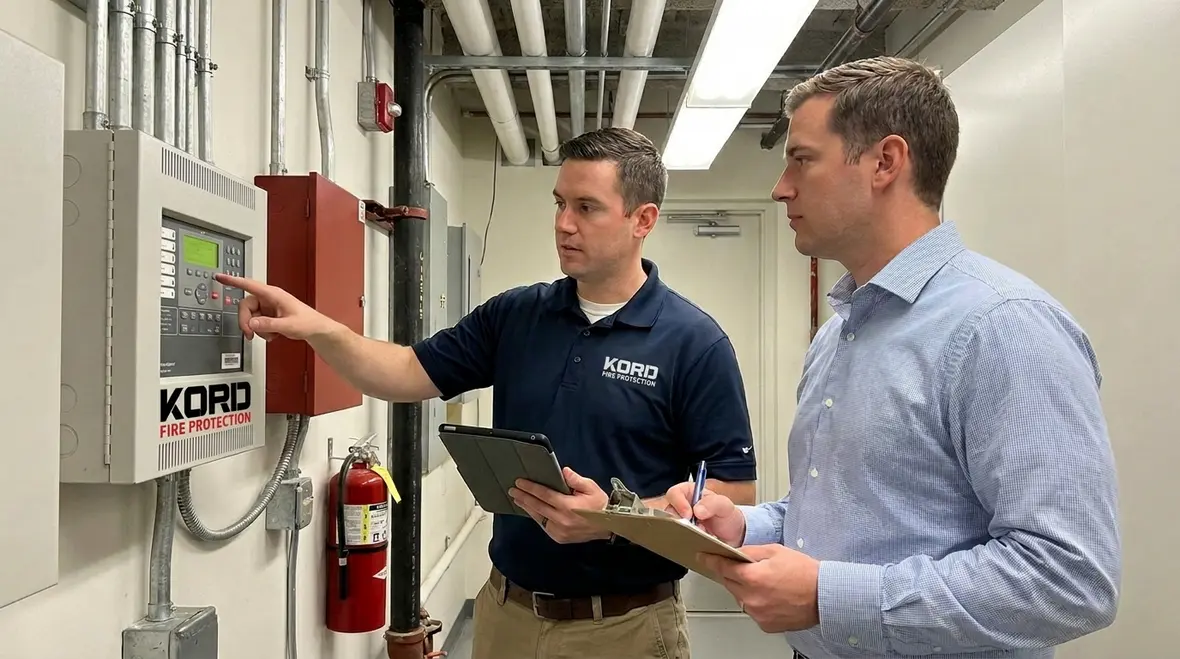
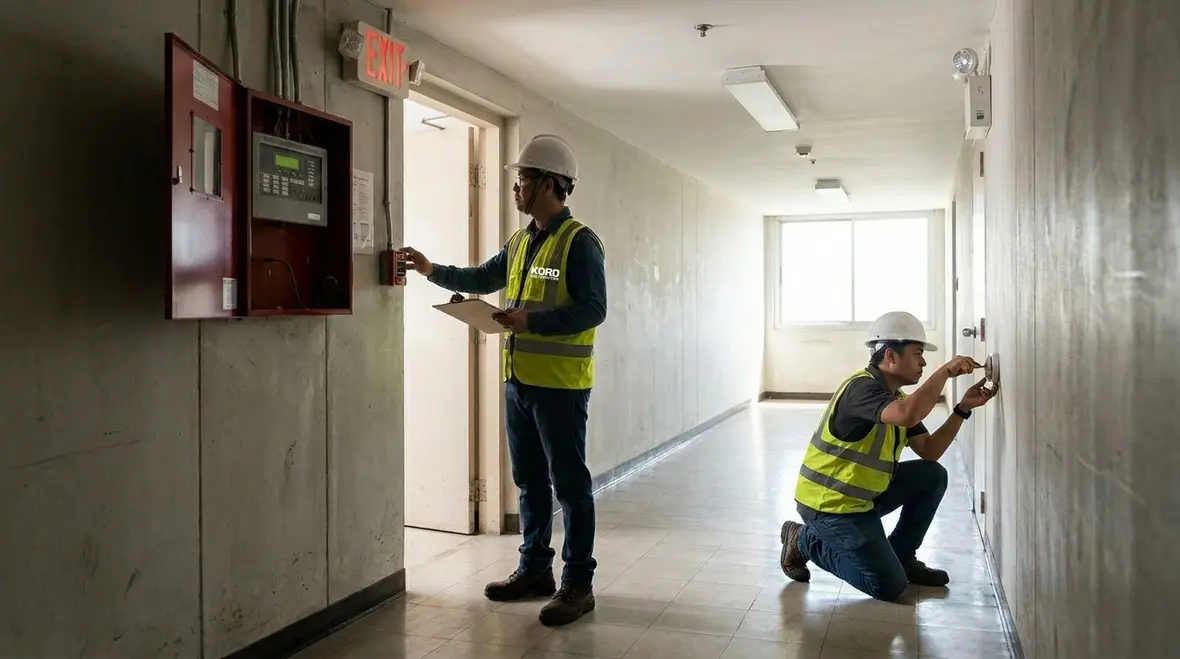
A commercial fire safety audit is not a dramatic movie scene with blinking lights and everyone yelling, “Evacuate!” It is a careful, real-world review that helps commercial sites reduce risk, meet code, and fix problems before they grow teeth. In fact, a commercial fire safety audit from Kord Fire Protection usually starts with a clear plan, then moves into observations, testing, documentation, and practical recommendations. Throughout the process, Kord Fire Protection technicians explain what they see in plain language, so owners and managers understand the “why,” not just the “what.”
And yes, you can keep your calm. These audits tend to feel more like a structured walkthrough than a surprise inspection. Still, the details matter, because fire protection does not forgive guesswork.
Before the walkthrough: records, goals, and site readiness
To begin, Kord Fire Protection technicians review what the business already has. This often includes prior inspection reports, fire alarm documentation, extinguisher logs, sprinkler or suppression records, and any recent repairs. Next, they confirm the audit scope with the site contact, such as which floors, systems, and building types fall under the review.
Then the team maps the facility layout and operational schedule. For example, if the site runs overnight production or uses high heat processes, the audit plan adjusts. As a result, the review covers relevant zones and does not rely on a single quick glance.
What Kord Fire Protection technicians inspect during the visit
During the on-site portion, technicians walk the building in a logical flow. First, they focus on life safety items that affect people directly. Then they move to property protection systems that reduce damage and business downtime. Finally, they check supporting details that often get overlooked, like access and housekeeping.
- Fire alarm panels, initiating devices, and notification appliances
- Sprinkler systems, standpipes, control valves, and related signage
- Fire extinguishers, mounting, access, and inspection tags
- Emergency lighting and exit signs, including visibility and placement
- Fire doors and rated assemblies, including operation and obstructions
- Kitchen or process hazards, if the site has specialized equipment
- Housekeeping in mechanical rooms and electrical spaces
How the team verifies alarms, suppression, and detection performance
Next, the audit shifts from visual checks into verification. Technicians use available test methods and documentation to confirm systems operate as intended. Depending on the facility, they may review test history and, where appropriate, conduct functional checks in safe, controlled ways.
For fire detection, the team looks at device placement, environment conditions, and maintenance signals. For fire alarm notification, they confirm audibility and arrangement so occupants can act fast. For sprinkler or suppression, they verify condition of key components and confirm that maintenance records align with expected performance.
To keep things clear, the technicians often translate findings into real outcomes. For example, if a device has a trend of failures, they explain how that affects time to alert. Likewise, if signage or access paths block a system feature, they explain how that delays response. It is practical, not scary. Fire safety is serious, but the explanation does not have to feel like a lecture from a substitute teacher who never read the manual.
What documents and evidence get reviewed for code compliance
After system checks, a strong audit spends time on paperwork, because fire protection rules live in the details. Kord Fire Protection technicians review service records, inspection intervals, test logs, and corrective action history. In addition, they verify that the facility maintains required documentation in a usable format.
Evidence reviewed
- Inspection and testing logs
- Maintenance records and service reports
- As-built information and updates
- Training or readiness documentation
What it supports
- System reliability over time
- Consistency with local code needs
- Repeat fixes rather than repeat issues
- Faster, safer corrective actions
Common findings in commercial fire safety audits, and what fixes look like
- Blocked access to electrical rooms, valves, or extinguisher locations
- Expired or missing extinguisher tags and inconsistent inspection records
- Exit routes with doors that do not latch properly or are kept obstructed
- Emergency lighting issues that only appear during tests
- Maintenance gaps that leave small problems untracked
- Signage that is hard to read during normal traffic flow
Receiving the report and turning recommendations into action
Once the review ends, the audit team compiles the findings into a structured report. This is where the job becomes actionable. The report generally includes the observations, the reason they matter, and the recommended corrective steps.
Then the next phase starts: implementation. Kord Fire Protection technicians often walk through the report with the site lead so managers know what to address first. After that, they help connect each recommendation to the most efficient next step, including scheduling, parts needs, and documentation updates.
If your facility needs clarity, structure, and a plan that actually gets used, a commercial fire safety audit is the right next step.
Explore fire alarm service systems or contact Kord Fire Protection today to schedule your audit.

Join Our Newsletter!
Get the latest fire safety tips delivered straight to your inbox From our Newsletter.