NFPA 12 Section 8.2: CO2 Standpipe System Hazard Specifications
NFPA 12 CO2 standpipe hazards require rigorous hazard specifications that protect occupants while delivering effective fire suppression. Section 8.2 directs a formal hazard analysis, clear design and operation criteria, and disciplined maintenance. For commercial facilities, this framework translates into practical, auditable controls that minimize asphyxiation risk and ensure predictable system performance when a CO2 standpipe is called into action.
If your team is reviewing system readiness, CO2 fire suppression systems service is a practical place to compare inspection, testing, repair, and support options before small issues decide to become expensive personalities.
What NFPA 12 Section 8.2 Covers for CO2 Standpipe Hazards
Section 8.2 establishes the hazard evaluation framework used to manage carbon dioxide standpipe systems. It requires identifying potential hazard scenarios, assessing occupancy risk, and detailing how the system will respond under fire conditions. The section also specifies documentation needs, alarm and interlock requirements, and the interplay with related life safety systems. In practice, this means facilities must map hazard profiles, establish safe operating boundaries, and maintain verifiable records showing compliance with NFPA 12 CO2 standpipe hazards.
- Formal hazard analysis of occupied and unoccupied spaces adjacent to CO2 standpipes
- Clear interfaces with life safety, ventilation, and annunciation systems
- Defined interlocks, shutoffs, and fail-safe sequences
- Signage, labeling, and occupancy controls to prevent inadvertent exposure
- Comprehensive documentation and testing records for audits
Design and Installation Considerations for NFPA 12 CO2 Standpipe Hazards
Design decisions under NFPA 12 CO2 standpipe hazards must account for occupant protection, reliable delivery, and rescue access. This section emphasizes analyzing occupancy characteristics, space geometry, and enclosure integrity to determine appropriate standpipe placement and gas distribution strategies. Designers should plan for controlled release sequences, minimum clearance intervals for personnel near discharge points, and compatibility with existing fire suppression and detection systems. The goal is to achieve effective extinguishment while maintaining a safe path to egress for occupants and responders.
Key design considerations
- Zoning and area coverage aligned with fire hazard profiles
- Protection of egress routes and occupant evacuation time
- Controlled discharge sequencing and interlocks with building systems
- Materials compatibility and corrosion controls for CO2 piping
- Clear signage and access for rapid system verification during maintenance
Practically, commercial facilities such as data centers, museums, and critical warehouses rely on meticulous design reviews to satisfy NFPA 12 CO2 standpipe hazards requirements. A well planned design reduces the likelihood of unintended gas exposure to occupants while ensuring the standpipe delivers the intended discharge pattern during a fire event. Kord Fire Protection routinely performs design reviews that align with Section 8.2 expectations and local code requirements.
For a related look at real-world discharge behavior, what happens during a CO2 fire suppression discharge gives useful context on timing, alarms, and how controlled release sequences behave when things get serious.
Inspection, Testing, and Maintenance Protocols
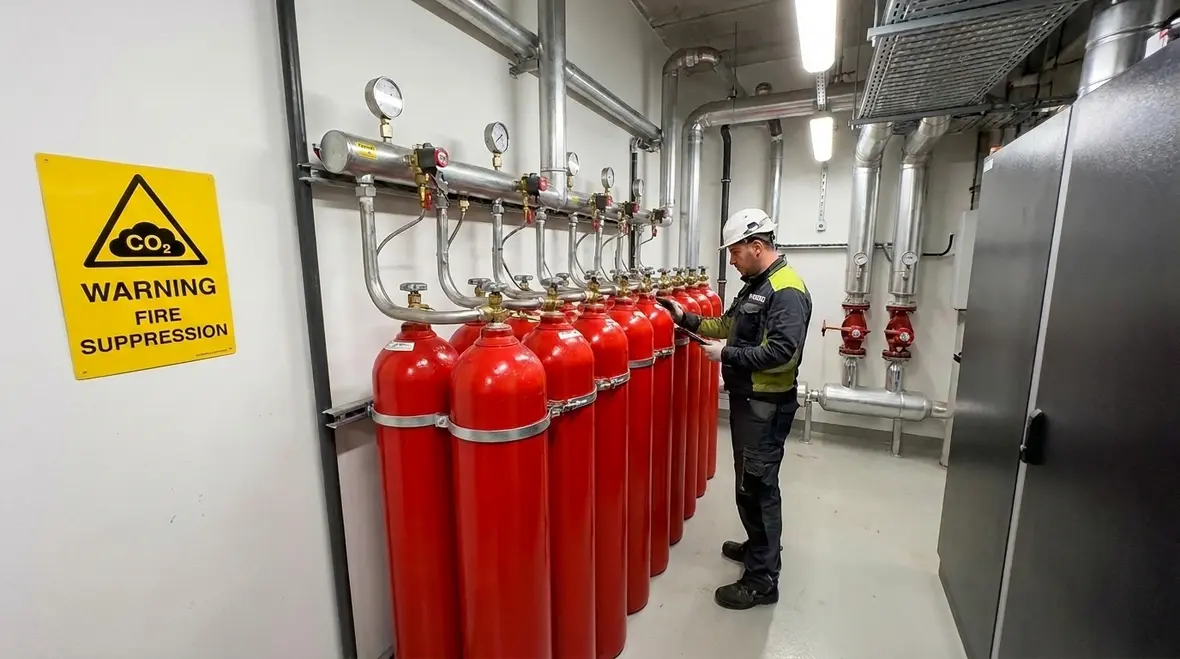
Maintenance is the backbone of NFPA 12 CO2 standpipe hazards reliability. The standard mandates a structured program of inspections, functional tests, and preventive maintenance. Routine activities focus on ensuring the integrity of supply cylinders, associated valves, piping, release devices, and interlocks. Documentation must capture every inspection and test, with clear records for compliance verification and future audits. In occupied facilities, maintenance plans must coordinate with operations to minimize disruption and preserve safety margins.
- Monthly visual inspections of cylinders, valves, gauges, and connectors
- Functional tests of shutoff devices and interlocks at scheduled intervals
- Leak testing and pressure checks for CO2 piping and distribution networks
- Hydrostatic or pneumatic tests per NFPA 12 schedule and manufacturer guidance
- Calibration and verification of warning alarms, annunciators, and control interfaces
Effective maintenance requires a documented, facility-wide schedule with assigned responsibilities. Regular audits help identify creeping corrosion, gasket degradation, or misaligned actuators before a system event occurs. Facilities in retail and industrial sectors benefit from a formal service partner who tracks compliance milestones, performs emergency drills, and implements corrective actions promptly.
Teams that want a closer look at recurring readiness gaps can also review CO2 suppression deficiencies and readiness review, which fits naturally with the maintenance and documentation side of this topic.
Operational Procedures, Training, and Safety Measures
Operational readiness for NFPA 12 CO2 standpipe hazards involves coordinated procedures that govern activation, discharges, and post-event actions. Training should cover hazard awareness, safe interaction with CO2 release points, and clear steps for emergency personnel. Procedures must specify who can authorize discharges, how to isolate areas, and how to communicate with occupants. Coordination with local fire departments and on-site security improves response effectiveness and minimizes exposure risk during a release scenario.
- Pre-discharge safety assessments and area clearance requirements
- Clear authority and communication channels for CO2 release activation
- Occupant notification and evacuation protocols integrated with building alarms
- Lockout/tagout and permit-to-work procedures for maintenance activities
In practice, commercial facilities face challenges such as crew shifts, contractor access, and evolving tenant configurations. Training programs must reflect these realities and be updated after occupancy changes. Effective operator training and annual refreshers are essential components of NFPA 12 CO2 standpipe hazards compliance and risk reduction.
Common Failure Points and Mitigation Strategies
Understanding typical failure modes helps facilities prioritize preventive action. Common issues in CO2 standpipe systems include valve leakage, seal deterioration, corrosion of piping, misalignment of interlocks, and inadequate documentation. Environmental factors such as humidity, temperature swings, and occupancy patterns can accelerate wear. Proactive mitigations include routine wear checks, corrosion protection, functional testing of release mechanisms, and robust recordkeeping. Proactive maintenance reduces the likelihood of an unplanned discharge that could endanger occupants.
- Valve and seal leakage leading to unintended discharge or pressure loss
- Corrosion or material degradation in CO2 piping and manifolds
- Interlock sequencing failures or misconfigurations during maintenance
- Inadequate signage or missed documentation complicating emergency response
Facilities should implement a preventive maintenance program that addresses these risk factors, with periodic reviews to reflect changes in occupancy and use. Kord Fire Protection brings specialized expertise to identify and remediate these vulnerabilities, ensuring protective measures remain aligned with NFPA 12 CO2 standpipe hazards expectations.
Kord Fire Protection: Your Partner for NFPA 12 CO2 Standpipe Hazards Compliance
As a leading commercial fire protection partner, Kord Fire Protection supports ongoing compliance, testing, and maintenance of CO2 standpipe systems in varied facilities. Services include hazard analyses aligned with NFPA 12 Section 8.2, design reviews to meet current occupancy needs, preventive maintenance scheduling, functional testing, and thorough documentation. Our team coordinates with facility managers to minimize disruption while maintaining safety margins and regulatory readiness. With Kord, commercial, industrial, and retail facilities gain a trusted ally for durability and compliance.
Frequently Asked Questions
Conclusion and Call to Action
NFPA 12 CO2 standpipe hazards demand disciplined hazard specifications, meticulous design, robust maintenance, and proactive training. Kord Fire Protection stands ready to deliver comprehensive compliance programs, routine testing, and responsive service that aligns with your facility’s operational realities. Contact Kord today to schedule a facility assessment, develop a tailored maintenance plan, and establish a clear path to sustained NFPA 12 CO2 standpipe hazards compliance. Your safety and uptime depend on it.
Call to action: Schedule a risk assessment with Kord Fire Protection to review NFPA 12 CO2 standpipe hazards, optimize your maintenance calendar, and strengthen your facility’s fire protection posture.

Join Our Newsletter!
Get the latest fire safety tips delivered straight to your inbox From our Newsletter.