
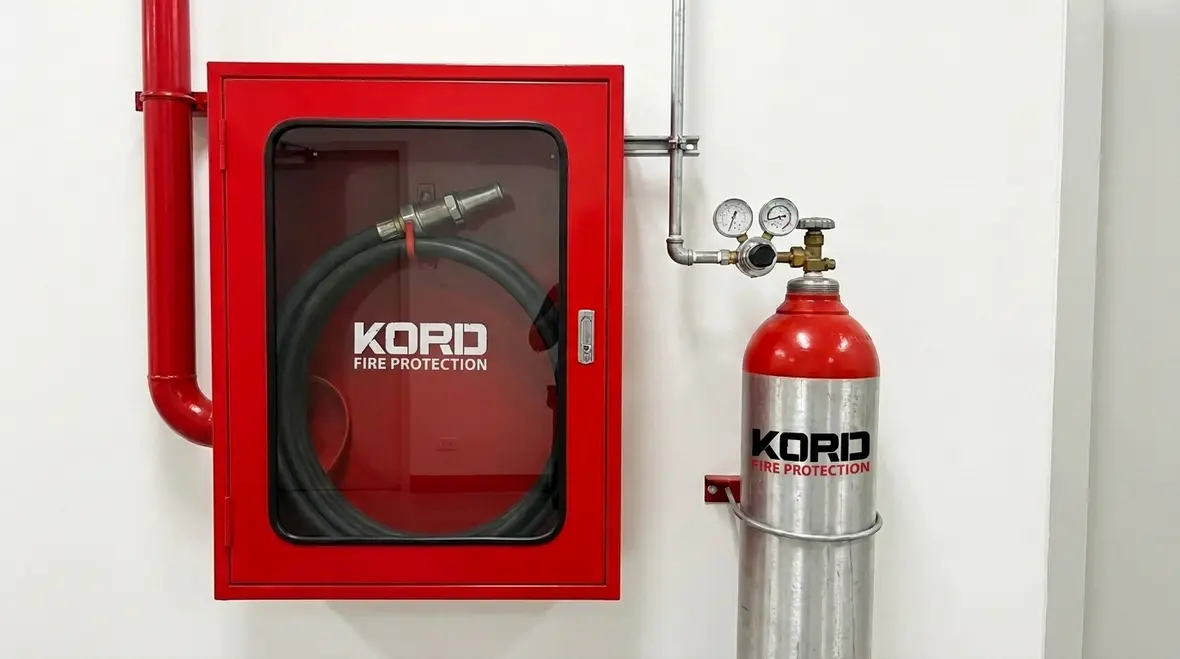
NFPA 12 Section 7.4: CO2 Hand Hose Line System Requirements
NFPA 12 Section 7.4 CO2 Hand Hose Line System Requirements
Quick Answer: NFPA 12 CO2 hand hose line requirements govern the design, placement, operation and maintenance of manually operated CO2 hose systems in commercial facilities. Proper adherence enables rapid, controlled suppression while protecting occupants and assets. The standard informs installers, facility managers and maintenance teams on best practices and documentation.
For facilities reviewing broader suppression strategy, commercial fire suppression system services can help connect CO2 hand hose line planning with inspection, testing, and long-term compliance support.
Overview of NFPA 12 Section 7.4
NFPA 12 Section 7.4 focuses on CO2 hand hose line systems as a manually activated adjunct to automatic CO2 suppression. It defines when hand lines are required, how they should be installed, and how operators should access and use them during a fire event. The section emphasizes controlled deployment, visibility of components, and compatibility with related life safety and building codes. In commercial, industrial and retail settings, this guidance translates into practical, auditable requirements for site-specific protection strategies and ongoing documentation.
Core Components and Operational Principles
The effectiveness of a CO2 hand hose line rests on a precise combination of hardware, accessibility and demonstrable readiness. Key components and how they work together include:
- CO2 cylinders and discharge hoses delivering a controlled plume to the fire area.
- Hand hose reels or cabinets that provide protected, ready access for trained personnel.
- Nozzles and control valves enabling operator control of discharge direction and coverage.
- Manual pull stations or ignition handles for immediate activation by occupants or staff.
- Pressure gauges, check valves and relief devices to monitor charge status and protect against overpressure.
- Alarm signaling and interlock interfaces coordinating with building fire alarms and annunciation systems.
- Documentation and labeling ensuring every cabinet, cylinder and hose is clearly identified and recorded.
Understanding the interaction of these elements is critical for reliable suppression and minimizing unintended exposure to occupants. The phrase NFPA 12 CO2 hand hose line requirements appears repeatedly in design guides to ensure that each component aligns with the intended performance criteria and maintenance expectations.
Design and Installation Considerations for Commercial Facilities
Successful implementation depends on balancing protection, egress, and operation. The following subsections outline the main design and installation challenges and how to address them.
Placement, Accessibility and Visibility
Hand hose cabinets must be placed so that trained personnel can reach them quickly without obstructing travel paths. Cabinets should be mounted at appropriate heights, with unobstructed access within reach and clear signage. In high-occupancy spaces, consider additional cabinets to minimize response time and to comply with sightline requirements in NFPA guidance.
Integration with Building Systems
Coordination with fire alarm, supervision, and building management systems is essential. The hand hose activation should not conflict with automatic suppression sequences unless planned to coordinate release logic. Proper interconnection reduces false activations and ensures clear, auditable events in incident reports.
Environment, Clearance and Durability
CO2 hand hose lines operate in variable environments. Installations must account for humidity, corrosion risk, temperature extremes and physical risk to hoses and cabinets. Use corrosion-resistant cabinets, secure mounting, and protective enclosures where required to maintain readiness over the facility life cycle.
Inspection, Testing and Maintenance Protocols
A robust maintenance program is essential to meet NFPA 12 CO2 hand hose line requirements and to sustain operational reliability. The program should be documented, audited and executed by qualified personnel.
Routine Inspections
Conduct visual inspections on a regular basis to verify cabinet integrity, hose condition, nozzle operability and the absence of obstructions. Check tags, seals and the presence of clear operating instructions. Record any damage, corrosion or misalignment and address promptly.
Functional Testing and Validation
Functionality tests confirm that activation mechanisms operate smoothly, alarms and interlocks respond appropriately, and the hose line delivers CO2 as designed. After any discharge, inspect for residual leakage, recharge the system and verify reset procedures before returning to service.
Documentation and Record Keeping
Maintain logs detailing inspection dates, personnel, findings, corrective actions and recharge dates. Documentation provides traceability for audits, insurance reviews and code compliance verifications. Ensure records are readily accessible for facility management and authorities having jurisdiction. For a deeper look at the value of logs and corrective action tracking, see maintenance records and global standards.
Common Failure Points and Troubleshooting
Understanding frequent failure modes helps prevent unexpected downtime and unsafe activations. Typical issues include:
- Leakage from cylinders or fittings due to wear, corrosion or improper assembly.
- Valve or actuator failures preventing timely discharge when required.
- Damage to hoses or cabinets from impact, vibration or environmental exposure.
- Obstructed access or mislabeled cabinets causing delayed response or misidentification in an emergency.
- Inadequate interface with alarms leading to missed or conflicting notifications during activation.
Addressing these failures requires a disciplined approach: routine preventive maintenance, component replacement on schedule, staff training, and adherence to manufacturers’ instructions and NFPA 12 guidance. Corrective actions should be logged and verified by qualified technicians to ensure continued compliance with NFPA 12 CO2 hand hose line requirements.
Partnering with a Trusted Service Provider for Ongoing Compliance
Commercial facilities benefit from a proactive service partnership that integrates testing, maintenance, documentation and equipment updates. A qualified provider helps ensure compliance with NFPA 12 CO2 hand hose line requirements while aligning with facility operations, capital planning and safety program budgets. Kord Fire Protection offers practical support across inspection, recharge, calibration, leak detection and system upgrades, delivering reliable protection for industrial, retail and office campuses. Engaging a trusted partner reduces risk and supports continuous readiness. For organizations managing larger CO2 installations, Kord Fire’s NFPA 12 compliance guide for carbon dioxide extinguishing systems is a useful related resource.
Frequently Asked Questions
Conclusion and Next Steps
Ensuring compliance with NFPA 12 CO2 hand hose line requirements requires disciplined design, meticulous installation, regular inspections and timely maintenance. Facilities should adopt a formal program, maintain thorough records and engage a proven partner for audits and repairs. To elevate safety and readiness across your portfolio, contact Kord Fire Protection to schedule a compliance evaluation, performance testing and a tailored maintenance plan for CO2 hand hose line systems.

Join Our Newsletter!
Get the latest fire safety tips delivered straight to your inbox From our Newsletter.


