
Water Misting System Maintenance Guide
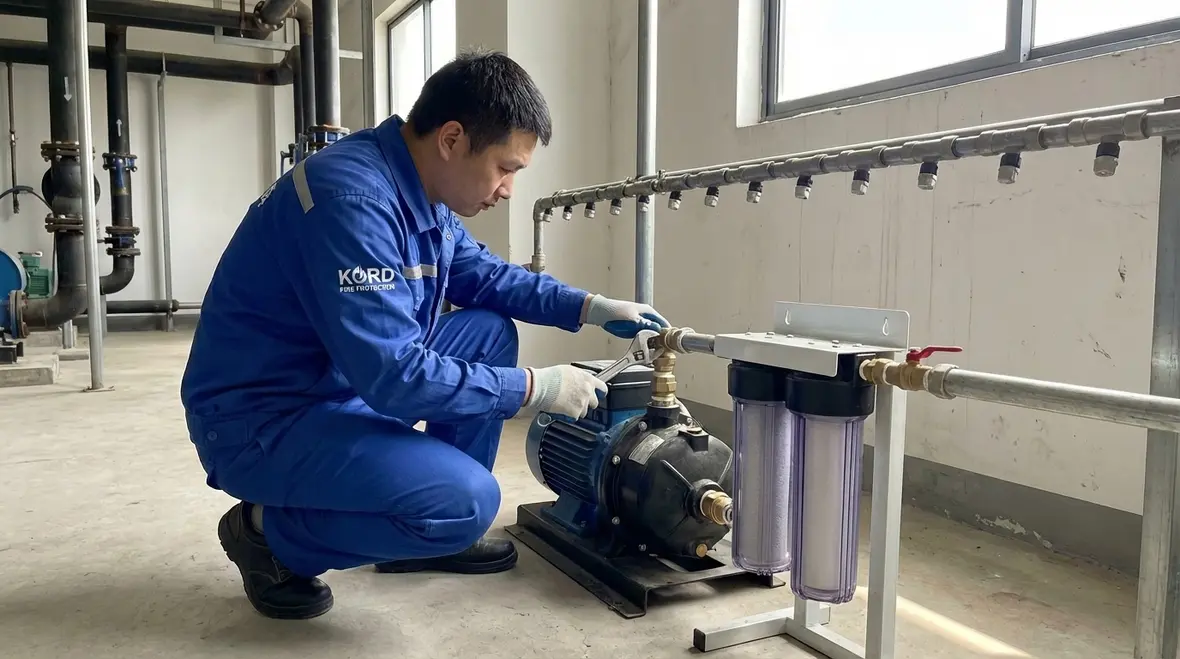
Water misting system maintenance is not glamorous. It does not trend on social media. No one writes songs about clean filters or properly balanced pump pressure. And yet, behind every efficient cooling line or fire suppression setup stands a system that survives on care, precision, and routine attention. Kord Fire Protection technicians often explain it this way: a misting system is like a high performance athlete. It can perform beautifully under pressure, but only if someone is paying attention to its health behind the scenes.
This article explores how filters, nozzles, and pump health work together, why regular servicing matters, and how proper upkeep protects both property and people. Because while mist looks light and effortless, the machinery behind it certainly is not.
Understanding the Core of Water Misting System Maintenance
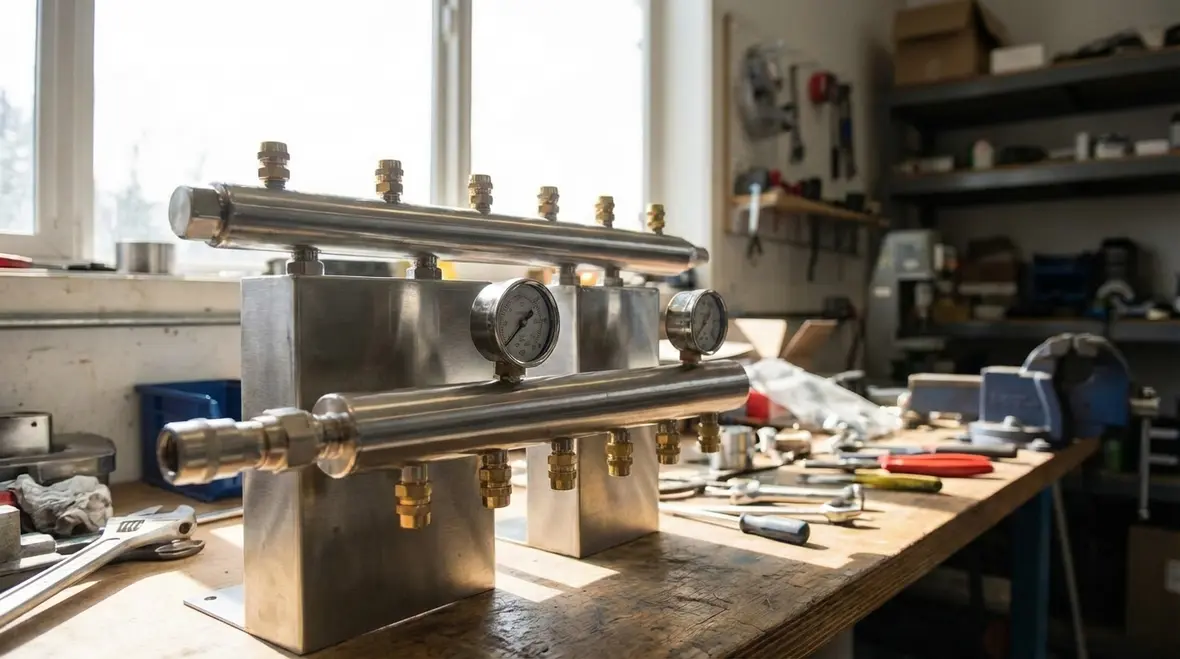
A water misting system operates on a simple idea. It pushes water through specialized nozzles at high pressure, creating ultra fine droplets. These droplets cool air, suppress dust, or control fire depending on the application. However, simplicity in concept does not mean simplicity in operation.
Effective water misting system maintenance focuses on three primary components:
- Filtration systems
- Nozzles
- Pumps and pressure controls
Each element supports the others. Therefore, when one part weakens, the entire system feels the strain. Kord Fire Protection technicians frequently remind clients that ignoring one clogged filter is like ignoring a check engine light. The system might still run, but it is quietly begging for help.
Moreover, regular inspections prevent small inefficiencies from becoming expensive failures. Over time, mineral buildup, debris, and pressure fluctuations create wear that no system can escape. Fortunately, consistent service keeps those forces in check.
Why Clean Filters Are the Unsung Heroes
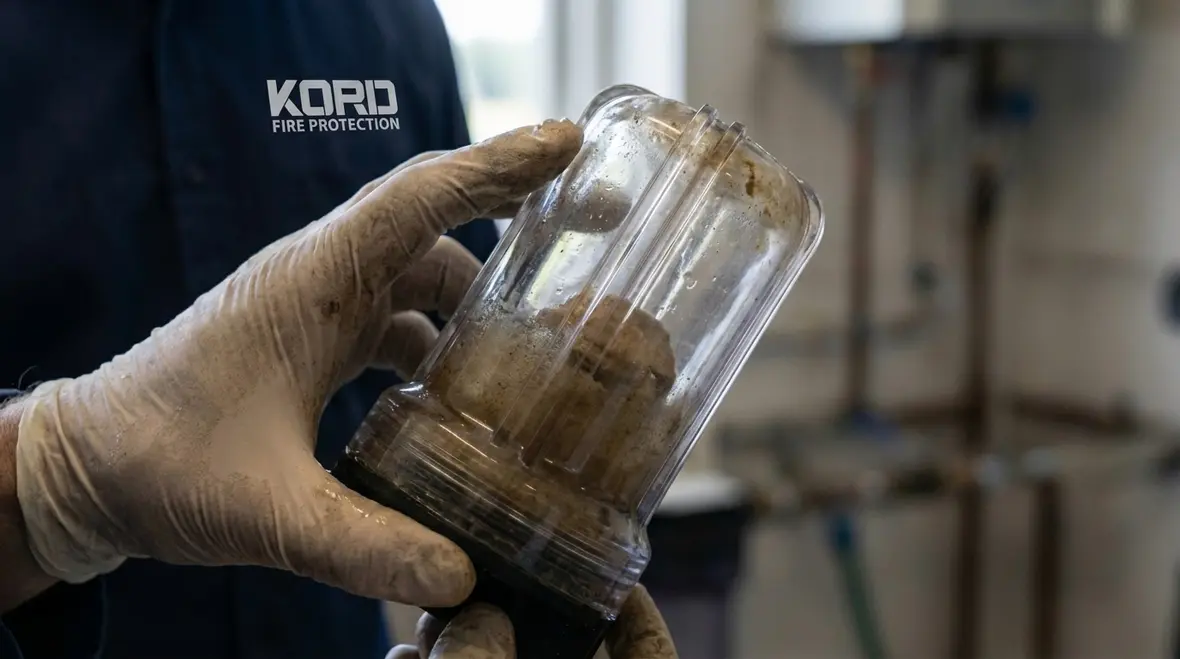
Filters rarely receive applause. Yet they quietly protect every downstream component. They trap sediment, minerals, rust particles, and debris before those contaminants reach the nozzles and pump.
Without proper filtration, several issues appear:
- Clogged nozzles
- Reduced mist quality
- Increased pump strain
- Higher energy consumption
Because misting systems rely on precision orifices, even microscopic debris can alter spray patterns. Consequently, uneven mist distribution reduces cooling efficiency or compromises fire suppression coverage.
Kord Fire Protection technicians explain that filter maintenance should follow a structured schedule rather than guesswork. For example, high mineral water areas may require more frequent cartridge replacement. Additionally, systems operating daily experience faster buildup than seasonal installations.
Technicians typically inspect:
- Filter housing seals for leaks
- Cartridge condition and discoloration
- Pressure drop across the filter
If pressure drops significantly before and after the filter, restriction is likely present. As a result, the pump must work harder. And pumps, much like overworked coffee machines, eventually protest.
Routine filter service, therefore, forms the first line of defense in any responsible water misting system maintenance plan.
Nozzle Care and Spray Precision
Nozzles are where the magic happens. They transform ordinary water into controlled mist through extremely small openings. However, that precision makes them vulnerable.
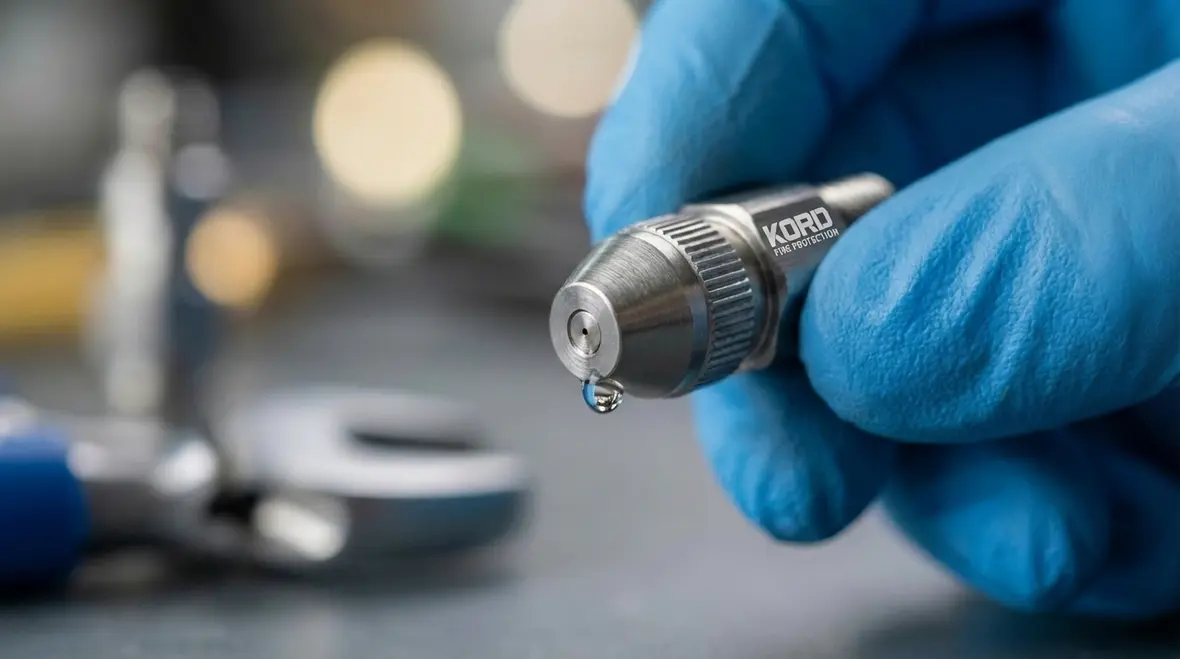
Mineral deposits accumulate gradually. At first, performance changes are subtle. A slightly heavier droplet. A minor shift in spray angle. Yet over time, those changes compound.
Clogged or partially blocked nozzles cause:
- Dripping instead of misting
- Uneven distribution patterns
- Reduced cooling or suppression effectiveness
- Increased system pressure
Consequently, ignoring nozzle buildup creates a ripple effect that stresses the pump and reduces overall efficiency.
Kord Fire Protection technicians often demonstrate how even a tiny calcium deposit alters atomization. It is a bit like putting a thumb over a garden hose, except far more precise and far less forgiving. They typically recommend periodic removal and inspection of nozzles, especially in regions with hard water.
Cleaning methods may include:
- Soaking in manufacturer approved descaling solutions
- Using ultrasonic cleaning equipment
- Replacing worn or damaged nozzle tips
Importantly, technicians avoid using metal objects to clear blockages. Although it may seem efficient, scratching the orifice permanently alters spray performance. In other words, a paperclip is not a maintenance tool.
Consistent nozzle care ensures that the mist remains fine, uniform, and effective. And when it comes to fire suppression applications, precision is not optional. It is critical.
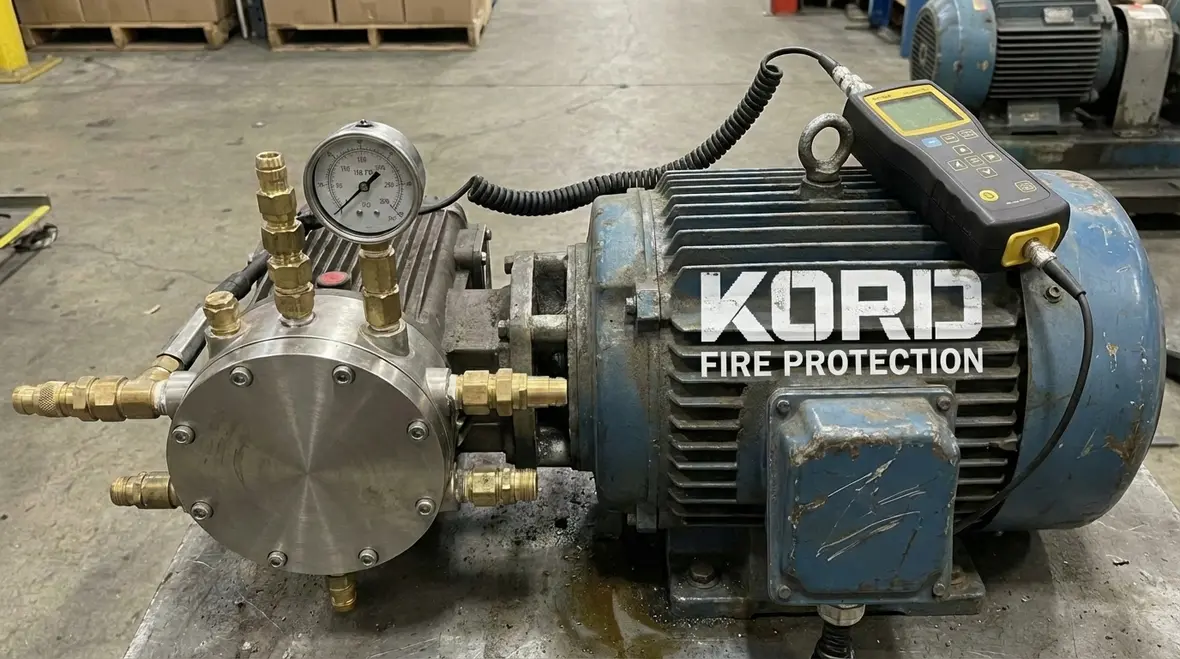
Pump Health: The Beating Heart of the System
If filters are the guardians and nozzles are the artists, then the pump is the heart. It generates the pressure required to atomize water properly. Without adequate pressure, mist becomes droplets. With excessive pressure, components wear prematurely.
Maintaining pump health involves monitoring several factors:
- Operating pressure levels
- Motor temperature
- Vibration patterns
- Seal integrity
Because pumps operate under demanding conditions, small irregularities often signal deeper issues. For instance, unusual vibration may indicate bearing wear. Likewise, fluctuating pressure could point to intake restrictions or valve concerns.
Kord Fire Protection technicians emphasize that preventative servicing costs far less than emergency repairs. A neglected pump can fail without warning, which may leave cooling systems ineffective during peak heat or fire suppression systems compromised when needed most.
Routine pump maintenance often includes:
- Lubricating moving components where applicable
- Inspecting electrical connections
- Testing pressure regulators
- Verifying automatic shutoff controls
Additionally, technicians analyze pump run cycles. Excessive cycling can signal leaks or pressure inconsistencies. Addressing those early prevents mechanical fatigue.
In truth, a well maintained pump hums steadily and quietly. When it starts sounding like a dramatic movie soundtrack building tension, it is probably time for inspection.
How Often Should a System Be Serviced?
This question surfaces frequently, and understandably so. The answer depends on usage, water quality, and system complexity. However, most professionals recommend structured inspections at least twice per year.
For high demand or commercial fire protection systems, quarterly evaluations may be more appropriate. Meanwhile, seasonal patio cooling setups may require pre season and post season servicing.
Technicians typically follow a checklist that includes:
- Full system flush
- Filter replacement
- Nozzle inspection and cleaning
- Pump pressure calibration
- Leak detection across lines and fittings
Regular water misting system maintenance also includes documenting service results. Records provide insight into performance trends and help identify recurring issues. Furthermore, documentation supports compliance in regulated fire protection environments.
As Kord Fire Protection technicians often say, maintenance is not about reacting to failure. It is about preventing it quietly and consistently.
Common Issues and Professional Solutions
This structured approach allows technicians to diagnose efficiently rather than guess. Moreover, it ensures that solutions address root causes instead of symptoms.
| Common Issue | Professional Response |
| Uneven mist distribution | Inspect and clean nozzles, verify pressure balance |
| Low system pressure | Check pump performance, inspect for leaks or clogged filters |
| Excessive pump noise | Evaluate bearings, alignment, and lubrication |
| Dripping lines after shutdown | Test solenoid valves and pressure relief mechanisms |
| Frequent filter clogging | Assess water source quality and upgrade filtration stages |
For example, replacing nozzles repeatedly without addressing poor filtration only treats the surface problem. Therefore, professionals evaluate the system holistically. That big picture mindset defines effective water misting system maintenance.
If you want to dive deeper into how these systems protect sensitive spaces, explore Kord Fire Protection’s overview of water mist fire suppression for sensitive environments. It connects the dots between design choices and the maintenance practices that keep them performing at their best.
Extending System Lifespan Through Preventative Care
Longevity does not happen by accident. It results from deliberate care. Systems that receive consistent attention often operate reliably for many years. In contrast, neglected systems show premature wear.
Preventative strategies include:
- Installing water softening solutions in hard water regions
- Monitoring system pressure digitally where possible
- Scheduling annual professional inspections
- Training on site staff to recognize warning signs
Furthermore, small daily observations matter. If mist patterns shift or unusual sounds develop, early reporting prevents escalation. Kord Fire Protection technicians encourage property managers to treat these systems with the same respect given to HVAC or fire alarms.
After all, misting systems often operate quietly in the background. They do not demand attention until something changes. However, that quiet reliability depends entirely on proactive service.
In many ways, maintaining these systems resembles caring for a classic car. With regular tune ups, it performs smoothly. Ignore it long enough, and suddenly you are on the side of the road wondering where things went wrong.
For properties that rely heavily on mist or have complex suppression layouts, partnering with a team that specializes in water mist system service ensures maintenance plans match system design and code expectations.
FAQ: Quick Answers About System Care
Conclusion: Protect Performance Before Problems Begin
Water mist systems operate with quiet precision, yet their reliability depends on disciplined care. Through consistent filter replacement, careful nozzle inspection, and vigilant pump monitoring, performance remains strong and dependable. Kord Fire Protection technicians stand ready to guide property owners through proactive servicing that protects both equipment and safety.
Schedule a professional evaluation today and ensure your system continues to operate smoothly, efficiently, and without unwelcome surprises. To align your maintenance plan with code requirements and best practices, connect with Kord Fire Protection’s dedicated Water Mist System Services team and turn quiet reliability into your everyday standard.
Know Your Weapon Before You Fight the Flame
Kord Fire Protection is your go-to when it comes to all things fire protection. For over 20 years, we’ve been serving Southern California with the quality service and equipment to keep your home or business safe at all times. Our competitive prices reflect our unwavering commitment to protecting what matters most in the event of a fire emergency. Give us a call, send an email, or use that form!

Join Our Newsletter!
Get the latest fire safety tips delivered straight to your inbox From our Newsletter.


