Kitchen Fire Suppression Southern California by Kord Fire
Kitchen Fire Suppression Southern California can feel like one of those “it won’t happen to us” topics until it does. And in Southern California, where kitchens power high volume restaurants, busy catering operations, and even commercial breakrooms, fire risks stay real. Fortunately, modern kitchen fire suppression systems are designed to detect, control, and put out grease and cooking related fires before they spread. Then again, fire does not care about excuses, budgets, or how busy the night shift is. That is exactly why property owners and restaurant operators benefit from a smart, code compliant approach, plus a partner who can keep everything working long after installation.
Kitchen fire suppression systems work how they do
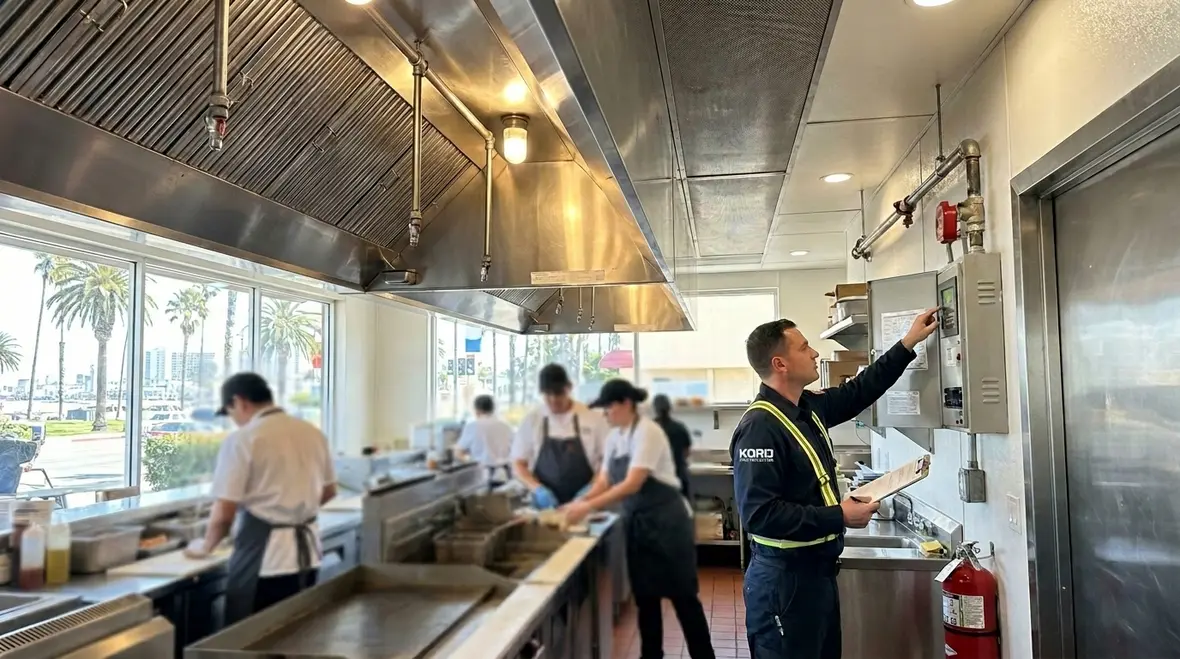
Most kitchen fires start with grease, vapor, or high heat near cooking equipment. In response, suppression systems monitor the cooking area and trigger an action when heat and flame conditions match a set threshold. Typically, they combine a protected hood area with nozzles mounted to discharge an extinguishing agent when a fire is detected.
When the system triggers, it releases the agent into the hood and duct space to stop the fire’s oxygen supply and cool hot surfaces. As a result, grease fires get controlled quickly, and the spread through the ductwork becomes far less likely. In other words, the system is not just a “sprinkler in disguise.” It is built for the specific physics of cooking fires, including the messy reality that grease can keep burning even when someone turns off the burner and hopes for the best.
That design approach lines up with Kord Fire’s broader guidance on commercial kitchen fire suppression systems, where hood coverage, wet chemical discharge, and equipment specific protection all work together instead of pretending one generic fix will somehow solve every fire problem in the room.
Why wet chemical protection matters in real kitchens
Modern systems are built to handle the realities of high temperature cooking oils and fast paced kitchens. That is also why many operators review Kord Fire’s UL 300 restaurant hood fire suppression guide when they want to understand why current system design is far more than a metal canister and a hopeful attitude.
What Southern California code expectations usually demand
Southern California jurisdictions tend to enforce fire and life safety rules that focus on hazards unique to kitchens. Therefore, kitchens that run deep fryers, char broilers, flat tops, and high output ranges need protection that matches the layout and risk level. Fire authorities also expect proper installation, clear maintenance, and documented testing.
Because requirements can vary by city and building type, the right path is a site specific plan. That plan usually includes system design details, approvals, inspections, and ongoing service. Next, the hood, duct, and suppression components need to align with manufacturer and inspection standards. Without that, a system can look installed while still underperforming when it matters most.
And since nobody wants the comedic tragedy of failing an inspection, property managers often treat compliance and service as a regular process, not a last minute scramble. Kord Fire also points operators toward UL 300 and restaurant hood suppression systems for a clearer look at how compliant components and ongoing service fit together in actual restaurant environments.
Documentation is not glamorous, but it saves headaches
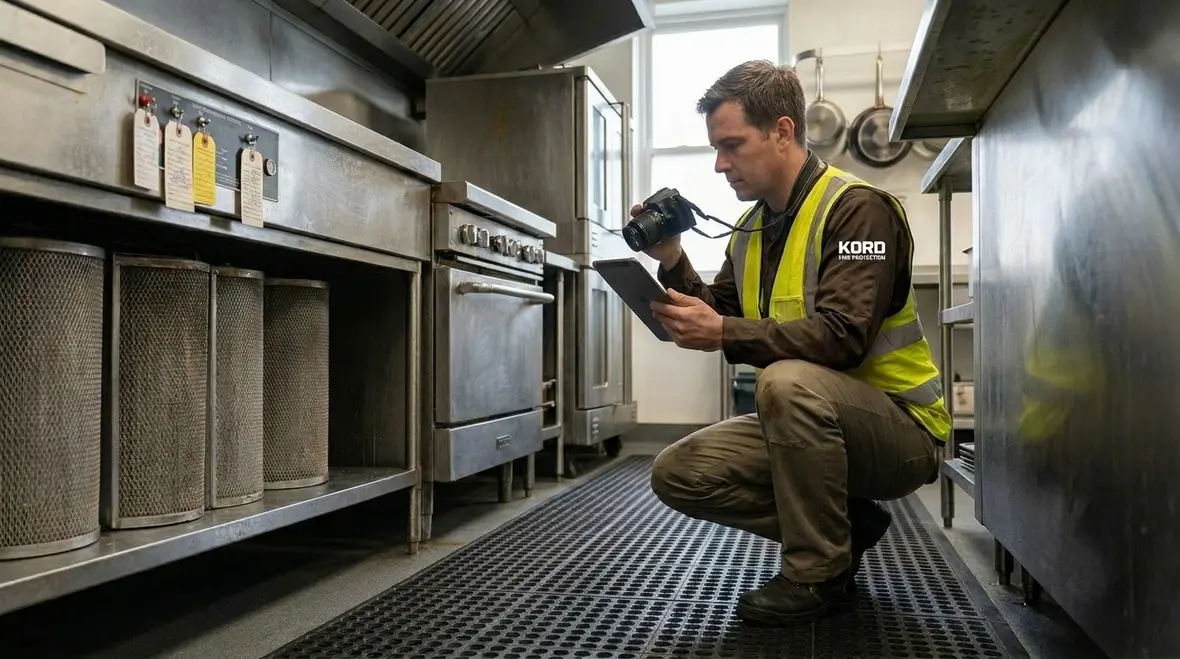
Permits, inspection records, service tags, and system details may not be the most thrilling cast members in the kitchen safety story, but they matter. They confirm that the installed setup matches the intended design and gives owners a much easier path when agencies, landlords, or insurers want proof that everything is in order.
Key parts of a commercial hood suppression setup
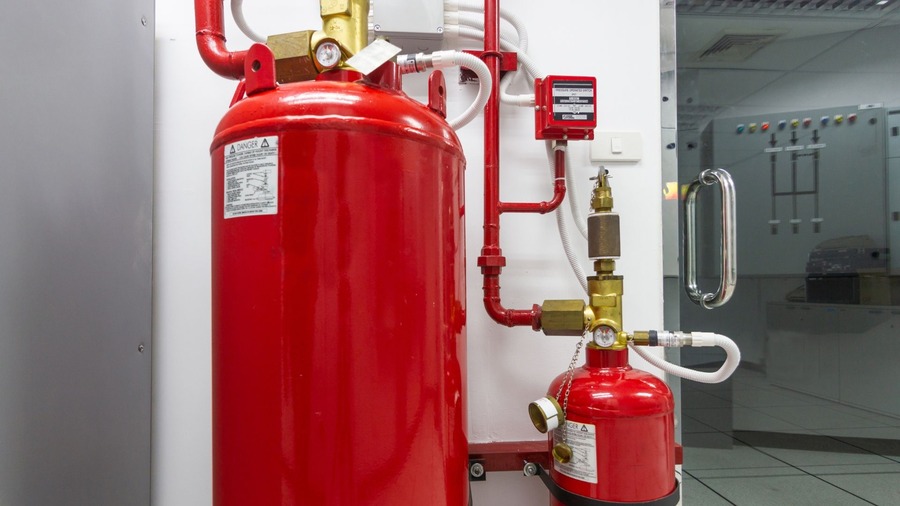
Commercial kitchen suppression is a team effort made of several components that must work together. Here are the main parts technicians plan, install, and service:
- Hood and duct coverage that directs agent into the right airflow path
- Nozzles and piping arranged to ensure the correct discharge pattern
- Detection system that reacts to heat and flame conditions
- Control panel and manual release for safe operation and override capability
- Extinguishing agent selected to match the cooking environment
- Inspection and service ports so technicians can test without guesswork
Then comes the part many owners overlook: maintenance. Even a properly designed system can underperform if it sits unserviced. Filters, residue, corrosion, and small changes in the hood environment can affect performance. So service teams do not just “look at it.” They verify the condition, test readiness, and make sure the system stays ready for an actual emergency, not just for the showroom version.
The components only work when they work together
Nozzle placement, detection response, fuel shutoff behavior, and agent quantity all have to cooperate. If one piece is off, the rest of the system can lose effectiveness in a hurry. That is part of why Kord Fire’s resource on what kitchen fire suppression covers and does not cover is useful for owners who want a sharper sense of where protection starts, where it ends, and why precision matters.
Common installation mistakes that trigger future problems
In Southern California, crews often work around existing buildouts, busy schedules, and tight ventilation spaces. Still, a few mistakes show up again and again. For example, systems can fail to meet coverage requirements if someone adjusts the hood layout without recalculating nozzle placement. Also, wrong electrical connections or loosely secured piping can cause operational issues during activation.
Another frequent issue involves improper agent quantity or outdated components. While it may seem harmless today, it can matter tomorrow. If the system triggers with the wrong discharge capability, firefighting time is lost, and that is the one currency nobody wants to spend.
Finally, a lack of clear documentation causes delays later. Inspections, permits, and service records are not paperwork for fun. They help verify that the system matches the design and stays compliant through changes in operations.
Interlocks and equipment changes deserve real attention
Electrical and fuel shutoff coordination is one of those details people rarely celebrate until it goes wrong. Kord Fire’s article on commercial kitchen fire suppression electrical interlocks is a strong reminder that activation logic, shutdown sequencing, and testing cannot be left to improvisation. Kitchens are for specials, not surprise failures.
How Kord Fire Protection becomes a vital partner
Installation matters, but long term readiness matters more. That is where Kord Fire Protection can become a vital partner with kitchen fire suppression jobs. They support the full lifecycle, helping owners maintain performance, meet compliance expectations, and reduce downtime that can wreck a kitchen schedule.
First, a good partner treats inspections and service like a plan, not an afterthought. When technicians check detection, verify discharge capability, and inspect components for wear, the system stays reliable. Next, they help manage documentation so owners can move through inspections without needless delays. And because kitchens evolve, a team with experience can assess changes in cooking equipment, hood modifications, and airflow behavior to ensure the system still fits the real risk.
Yes, the kitchen team is busy. But fire readiness should not be left to vibes. Kord Fire Protection helps ensure the suppression system stays ready, so operators can focus on cooking, not wondering whether the system is “probably fine,” which is a phrase that has never stopped a fire from doing its job.
For restaurants that need a direct service path, Kord Fire’s UL300 restaurant systems page is the most relevant destination to explore near term protection, inspections, upgrades, and support for active cooking environments.
Best practices for maintenance and safety that actually stick
Even with strong hardware, daily habits influence risk. Maintenance and safety procedures should reinforce the suppression system, not fight it. Property managers and chefs can reduce hazard exposure by following clean hood routines, keeping grease filters in good condition, and training staff to report irregularities quickly.
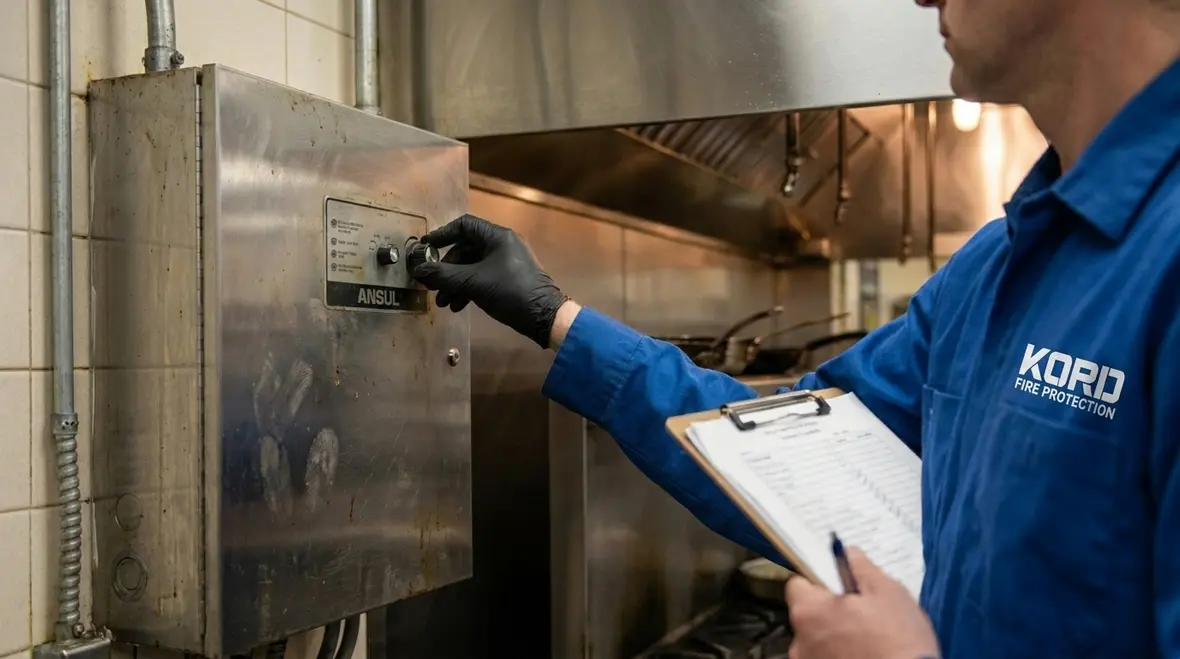
Technicians then perform service tasks such as testing detection components, inspecting nozzles and piping, and checking control system status. They also verify that manuals, labels, and access points remain visible. When the system can be reached fast during emergencies, the response time improves.
In addition, owners should plan service schedules in advance. That way, maintenance does not collide with peak catering weekends or holiday rush. As a result, kitchens avoid rushed repairs and keep operations stable. The system stays dependable, and inspections become routine instead of stressful.
Small habits support the big hardware
A suppression system is not meant to replace housekeeping, staff awareness, or sensible service scheduling. It works best when the kitchen team does its part too. Clean filters, visible pull stations, updated labels, and prompt reporting of changes all help keep the protection strategy grounded in reality instead of optimism.
FAQ about kitchen suppression systems in Southern California
Conclusion
Kitchen fire suppression systems are not optional for serious kitchens in Southern California. They reduce spread, protect ductwork, and support safe response when cooking hazards ignite. However, a system only performs as well as its installation, maintenance, and documentation. That is why business owners should partner with an experienced team that treats readiness as a long term commitment.
Kord Fire Protection can help keep kitchen fire suppression southern california systems inspection ready and reliable. If you are planning upgrades, service, or a more complete protection strategy, explore UL300 restaurant systems and learn more about commercial kitchen fire suppression systems to keep the operation you worked hard to build protected without leaving safety to chance.

Join Our Newsletter!
Get the latest fire safety tips delivered straight to your inbox From our Newsletter.