Kidde Fenwal Fire Suppression Detection Control Systems
Reliable Kidde Fenwal fire suppression detection and control systems for safer operations
In many facilities, Kidde Fenwal fire suppression detection and control systems stand guard with the quiet confidence of a dependable security guard who never needs coffee breaks. These systems monitor for fire signs, confirm conditions, and then trigger the right response, helping protect people, property, and critical equipment. And while the technology matters, successful outcomes depend on the full chain: proper design, clean wiring, accurate sensing, and smart programming that matches how the site actually operates.
That is where Kord Fire Protection can become a vital partner. They help teams move from “we installed something” to “we can trust it when it counts.” Because in fire protection, optimism is nice, but verification is better. (Yes, that is the boring part. The good news is it prevents the dramatic part.)
How detection and control work together in practice
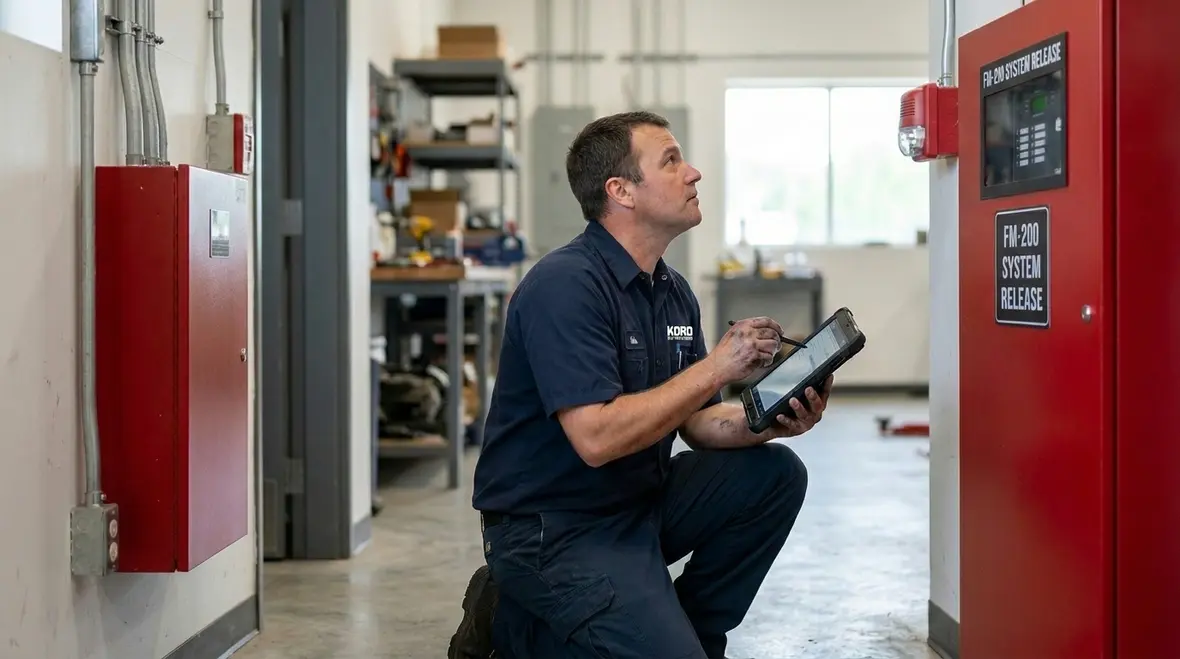
Kidde Fenwal fire suppression systems link detection devices to a control panel that makes decisions fast and correctly. First, detection equipment watches for fire related clues such as heat, smoke, or flame signals, depending on the hazard. Then, the control system evaluates those signals using programmed logic and alarm thresholds.
Next, the panel coordinates output actions. That may include activating a release control circuit, starting auxiliary devices, or notifying building occupants. Meanwhile, the system monitors for faults, supervises wiring, and records events so operators can understand what happened and when.
In short, the detection side finds the problem. The control side handles the response. As a result, the system becomes more than a box on a wall. It becomes a controlled process. And when that process is tuned to the site, it avoids both missed events and nuisance triggers.
That same coordination mindset shows up across modern building protection strategy, which is why topics like fire suppression system integration for life safety matter so much when facilities want systems to behave like a team instead of like distant cousins at an awkward family reunion.
Why site specific logic matters
A detection panel is only as useful as the logic behind it. If the site needs cross zoning, staged outputs, shutdowns, or release delays, the programming must support those decisions clearly. A well configured system helps operators understand conditions quickly, respond confidently, and avoid the kind of confusion that turns a manageable event into a long afternoon.
Choosing the right setup for the hazard
Fire protection does not work on “one size fits all” logic. Facilities vary by equipment layout, ventilation patterns, fuel types, and how quickly a fire might grow. Therefore, a strong approach starts with hazard analysis and continues through system design.
Kidde Fenwal fire suppression detection and control setups typically match device selection and placement to the environment. In engine rooms or equipment areas, heat and airflow behave differently than in electrical cabinets. Likewise, spaces with high dust levels can challenge certain sensing types. Consequently, proper selection reduces the risk of false alarms while supporting timely activation.
Kord Fire Protection supports this decision process by aligning system design with real operational conditions. They help teams avoid guesswork, and they document what they change so it stays maintainable long after the install date.
Hazard analysis before hardware
Before anyone starts mounting devices and pulling cable, the smarter move is understanding the actual hazard. What could ignite, how fast could it spread, what equipment needs shutdown, and what area needs agent discharge all affect the final layout. Skipping that step is like buying shoes before checking your size and then acting surprised when walking becomes an adventure.
Facilities dealing with broader connected systems may also benefit from reading commercial fire alarm integration for safe building automation, since detection and control decisions rarely live in isolation once a building grows more complex.
Wiring, supervision, and signal integrity
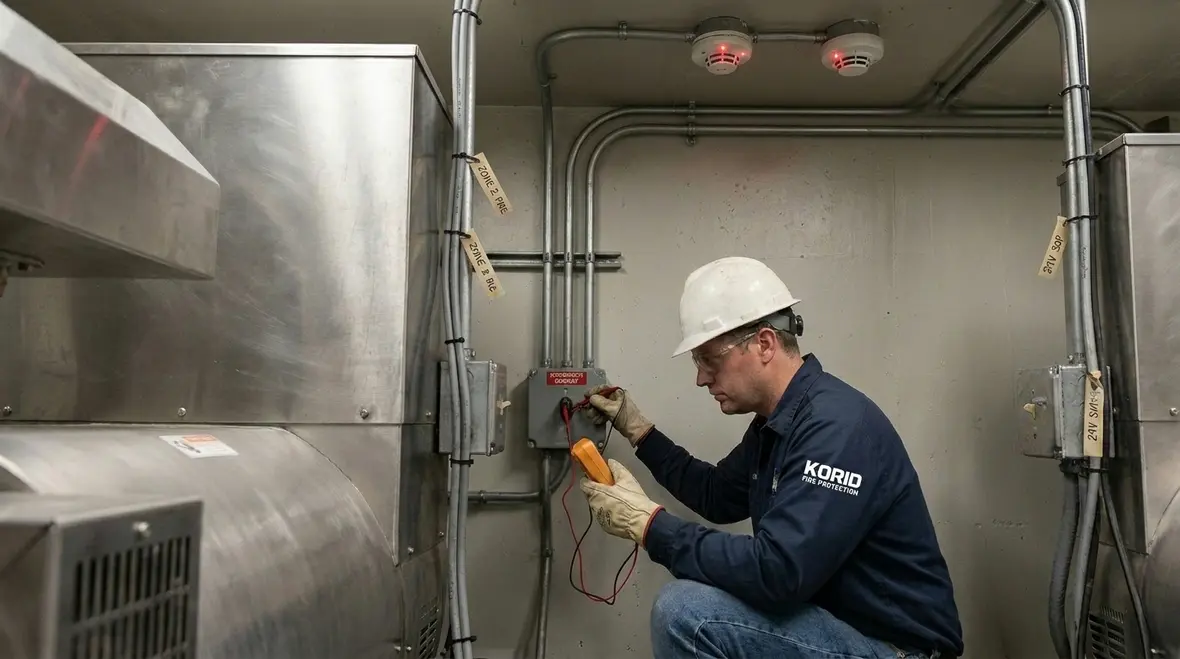
Detection and control systems rely on signals traveling cleanly and consistently. If wiring runs through noisy electrical paths, if terminations loosen, or if circuits do not supervise correctly, performance can degrade without warning. Therefore, jobsite discipline matters.
Proper installation includes secure terminations, correct polarity where required, and supervision wiring that stays intact. Even small issues like pinched conductors or poor labeling can create trouble during testing. Then, during an inspection, the system might show faults that slow operations and cause expensive rework.
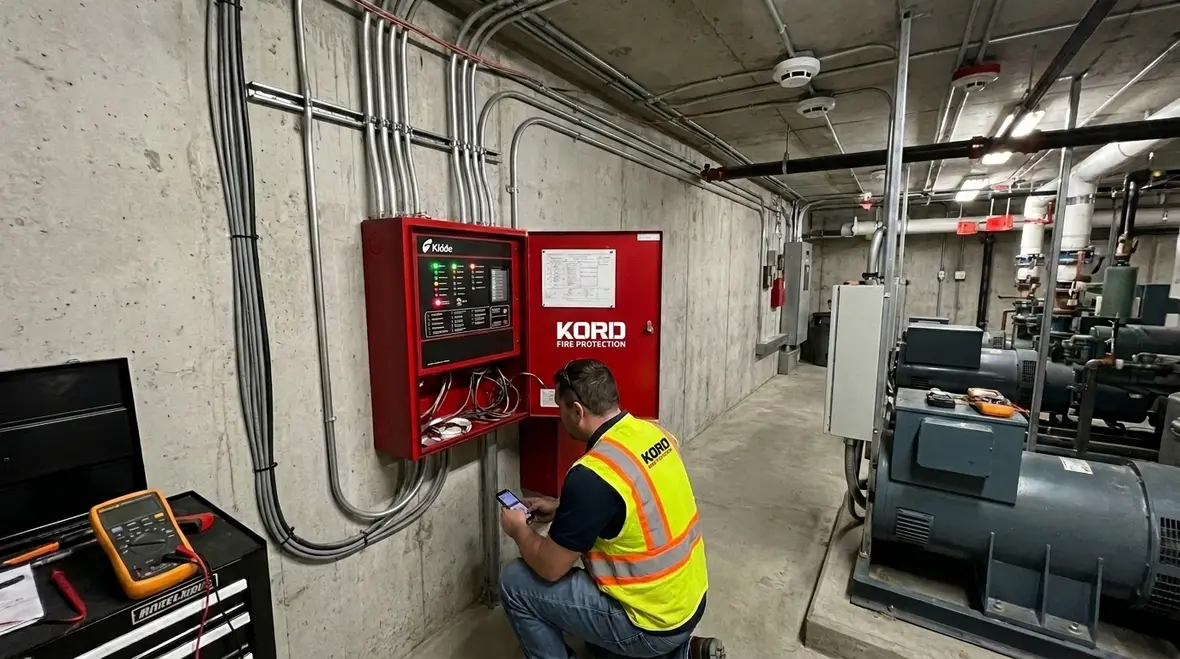
Because of this, Kord Fire Protection places emphasis on installation quality and test readiness. They help teams ensure that the system remains stable over time. And yes, labeled wiring is thrilling in the way a fire drill is thrilling. Still, it makes everything run smoother when the pressure hits.
The value of clean documentation
Signal integrity is not just about copper and terminals. It is also about documentation that makes future service faster and less error prone. Circuit maps, device labels, panel programming notes, and test records all help maintenance teams understand what is installed and what changed. When those details are missing, troubleshooting can become a detective story nobody asked for.
Programming, zoning, and control outputs that make sense
Once detection devices feed the control panel, the logic inside the panel shapes the final behavior. Zones decide where the system listens. Timers confirm conditions or coordinate delays. Output circuits control how the system releases agent or triggers related actions.
That is why programming should reflect the site’s workflow and safety goals. For example, some spaces may need verification steps before release. Other areas might require immediate action because the hazard can escalate quickly. Additionally, the system might need interlocks tied to doors, fans, or shutoffs.
Kidde Fenwal solutions often support flexible control schemes, but flexibility only helps when programming matches the actual equipment and procedures. Kord Fire Protection assists by aligning programming with site requirements and local expectations. This helps reduce uncertainty and supports consistent operation for maintenance teams and operators.
Outputs should support real operations
A panel can do many things, but that does not mean it should do random things simply because the menu allowed it. Good programming supports clear release logic, proper alarm sequencing, needed equipment shutdowns, and occupant notification that makes sense for the space. The goal is a response that is deliberate, repeatable, and understandable during both testing and an actual event.
For teams comparing wider connected strategies, commercial fire suppression integration with smart automation offers useful context on how suppression coordination should serve safety first, not gadget enthusiasm.

Testing, inspection, and maintenance that keeps the system dependable
After installation, the work should not stop. Fire detection and control systems need ongoing testing to confirm device response, panel performance, and correct supervision. Also, components can drift in performance due to environment, vibration, or dust.
Routine service often includes verifying detection device health, checking panel event logs, testing alarm outputs, and confirming correct control behavior under supervised conditions. During maintenance, technicians should also review changes to the facility, since new machinery or added partitions can affect airflow and sensing performance.
Kord Fire Protection helps keep Kidde Fenwal fire suppression systems in peak shape through structured inspection routines. They support teams with documentation and clear findings so the system remains reliable, not mysterious. Because when a system performs flawlessly during testing, everyone sleeps better. And if anyone claims they do not care, they are either lying or they have never seen a nuisance alarm at 2 a.m.
Maintenance should evolve with the building
Buildings change. Equipment gets swapped, partitions move, airflow patterns shift, and operating schedules become something entirely different from the original plan. A dependable maintenance program catches those changes early and checks whether the suppression detection and control strategy still fits the space. That is how a system stays useful instead of becoming a historical artifact with indicator lights.
Related reading like how commercial building fire safety systems work can also help facility teams understand how alarms, suppression, and notification overlap in day to day protection planning.
Why Kord Fire Protection becomes a long term partner
Some contractors install a system and then disappear like a magician after the applause. Kord Fire Protection takes a different approach. They aim to be a vital partner because detection and control systems operate across many moving parts: design decisions, wiring quality, panel programming, commissioning, then repeated maintenance over time.
Moreover, businesses need someone who can translate technical details into practical actions. If the system triggers events, teams need clean explanations and clear next steps. If the site changes, teams need support to adjust coverage and maintain compliance.
In addition, Kord Fire Protection helps reduce downtime risk. When maintenance is planned and findings are documented, facilities avoid surprise shutdowns and emergency repairs. As a result, the system stays ready, and operations stay steady.
FAQ
Get dependable detection and control support from Kord Fire Protection
When facilities depend on Kidde Fenwal fire suppression detection and control systems, they deserve more than a one time install. They need careful design alignment, solid wiring practices, thoughtful control programming, and maintenance that verifies performance. Kord Fire Protection helps teams protect people and equipment with service that stays consistent through changing conditions.
If your system needs commissioning, inspection, or ongoing support, connect with Kord Fire Protection through their full fire protection services page. It is a practical next step for facilities that want dependable support in the real world, not just a binder full of paperwork and very confident checkmarks.

Join Our Newsletter!
Get the latest fire safety tips delivered straight to your inbox From our Newsletter.