DMP Fire Alarm Panel Suppression Monitoring Benefits
Keeps watch, then alerts fast. That is the job of a DMP fire alarm panel, and it sits at the center of modern fire safety work. It monitors signals, organizes trouble conditions, and helps drive actions when smoke, heat, or suppression events show up. Meanwhile, suppression monitoring turns “something happened” into clear, usable information for the site team and the responding service provider. With the right setup, the system does not just react. It guides decisions. And yes, if fire protection were a sitcom, this would be the character that actually reads the manual.
That is a big reason many facilities connect panel intelligence with clear status reporting instead of settling for vague alerts. Kord Fire Protection has also published a useful overview on advanced fire alarm control panel technology that supports the same idea: the panel should help teams understand events, not just hear them. When suppression monitoring is built and programmed correctly, the panel becomes less of a noisemaker and more of a decision engine with good timing.
Why suppression monitoring matters for real sites
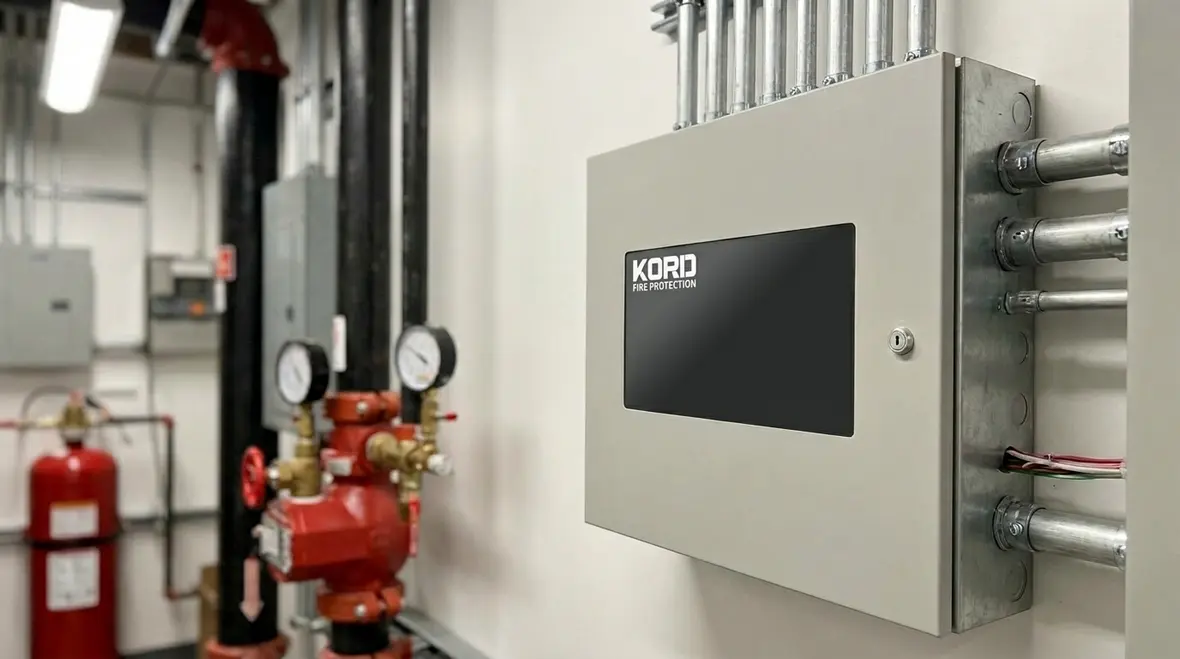
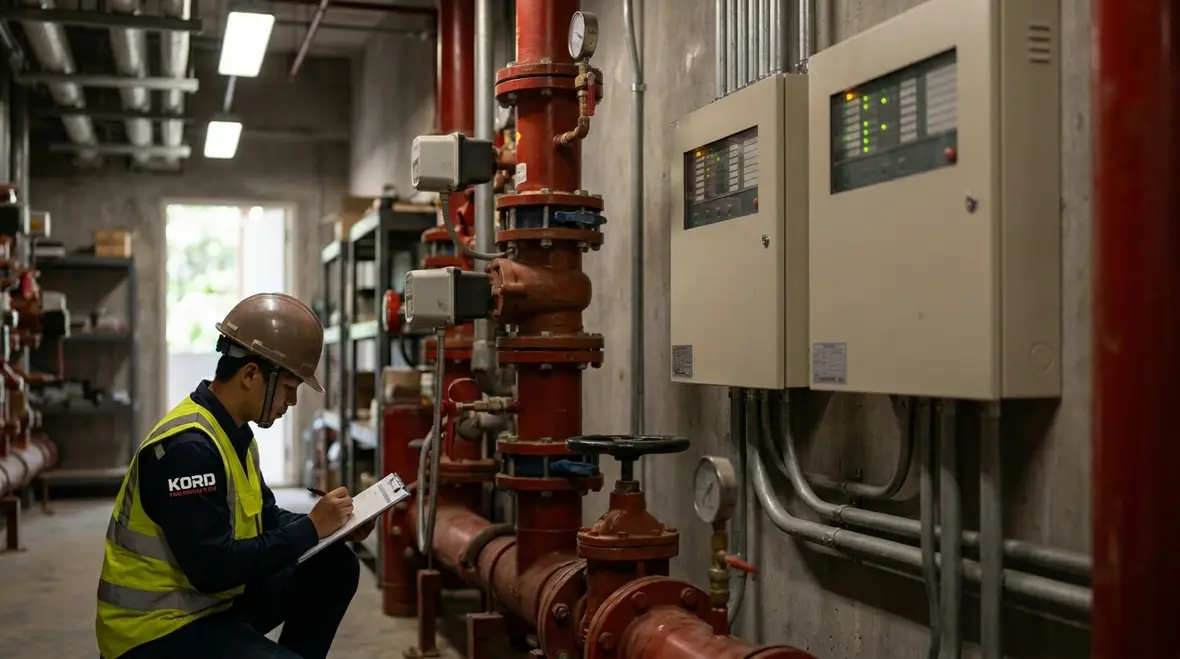
When a suppression system activates, the building needs more than a basic alarm. It needs verified status, location awareness, and usable outputs that match what the suppression released, where it released, and whether other equipment must respond. For example, the system may need to report flow switch changes, valve position feedback, sprinkler waterflow states, or supervisory trouble signals tied to release control devices.
In practice, suppression monitoring helps prevent the classic problem of “the alarm went off, but we still do not know what happened.” Instead, the DMP fire alarm panel can coordinate related events so the right parties get the right signal the moment it happens. Furthermore, proper monitoring supports quicker investigations after the fact, because the record shows what changed and when.
And because people are busy and phones are distracting, the system should do the heavy lifting. That is where good monitoring earns its keep. It turns scattered bits of information into one readable story, which is especially useful when staff must respond quickly and nobody has time for detective work.
How a DMP fire alarm panel integrates with suppression signals
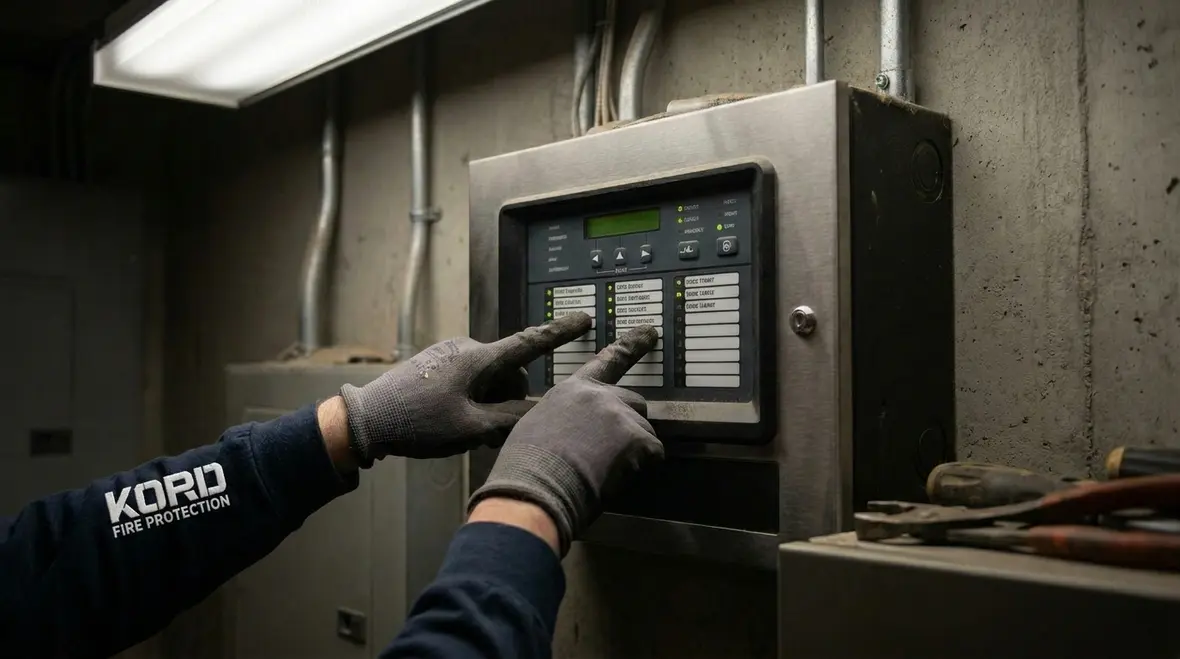
Integration is where the work stops being theoretical and starts working in the real world. A well planned setup uses the DMP fire alarm panel to accept, supervise, and report suppression related inputs while also driving outputs that align with the site’s fire safety plan. This includes supervised zones, trouble reporting paths, and output control for functions like alarm annunciation, fan control, door release, or notification sequencing.
Additionally, the panel should handle both alarm and supervisory conditions. Supervisory signals tell the team that a device needs attention but does not require full evacuation by itself. However, ignoring that signal can lead to failure later, which is the kind of plot twist no one wants.
To keep reliability high, the site should use correct wiring practices, proper supervision types, and clean labeling. Then, the panel can translate sensor activity into reports that make sense for operators, inspectors, and service technicians. That same cause and effect mindset also appears in Kord Fire Protection’s article on how smoke detectors communicate with alarm panels, which is worth reviewing if the team wants a clearer picture of signal flow.
Signals that should never feel mysterious
Good integration does not just connect wires. It gives meaning to conditions. If a valve tamper changes state, a waterflow switch trips, or a release module reports trouble, the panel should identify the point in a way that makes sense to the people reading it. The goal is simple: less guesswork, faster action, fewer calls that begin with “Can someone explain what this thing is trying to tell us?”
What signals should the system watch and report
Suppression monitoring typically focuses on status signals that confirm the system’s health and action. Instead of only relying on a single alarm event, good monitoring gathers multiple inputs that support decision making. The most common categories include detection and device inputs, supervisory feedback, and control circuit status.
For many sites, monitoring may include:
- Valve and switch supervisory states that confirm readiness
- Flow switch or release related feedback to confirm operation
- Device trouble signals such as wiring faults or circuit interruptions
- Auxiliary contacts that tie into release control modules
- Notification and building interface outputs for coordinated response
Then, the panel can present those conditions in a clear way. As a result, staff do not need to guess which part of the system acted. They can move through the site’s documented steps and restore normal conditions faster after an event. If teams want another angle on signal coordination, Kord Fire Protection’s post about fire suppression control panels and power distribution adds helpful context around the control side of the setup.
Designing for troubleshooting, not just for alarms
Many systems get designed for the moment of alarm. Yet, the daily value comes from maintenance, troubleshooting, and verification. Therefore, the setup should support service teams with consistent reporting, logical labeling, and stable supervision. When that happens, technicians spend less time chasing vague trouble indicators like they are on a mystery hunt from an old TV drama.
To accomplish that, teams should:
- Map device locations to panel points with clear naming conventions
- Ensure supervision types match the device manufacturer requirements
- Test suppression related signals using documented methods
- Verify that notification and control outputs perform as intended
- Review historical logs so the site learns from each test
Also, the system should stay readable under stress. When alarms pile up, confusion spreads faster than fire. So, the configuration should keep priorities clear and avoid mixing events that belong in separate categories. Kord Fire Protection’s article on detecting fire alarm panel faults before they fail is a strong companion read for teams focused on reliability and faster service.
Readable systems save time
A panel that reports clearly is easier to inspect, easier to reset, and much easier to explain to the next technician who shows up. That may not sound glamorous, but in life safety work, glamorous is overrated and readable is gold.
How Kord Fire Protection becomes a vital partner
Even the best equipment cannot perform well without a partner who understands the job. Kord Fire Protection can step in as that partner by supporting installation planning, system programming support, and ongoing service that keeps suppression monitoring accurate. In other words, they do not only show up when something beeps. They help prevent problems before they turn into expensive surprises.
Because every building carries its own risks, Kord Fire Protection can align the panel behavior with site needs and documented procedures. Then, they can help ensure the fire safety plan connects to the system’s actual outputs. This reduces “checkbox compliance” and increases real operational readiness.
And yes, the occasional joke still applies. A fire alarm system should not be treated like a smoke detector that only gets attention after midnight. Kord Fire Protection helps the site run the system like it matters, because it does. For a broader look at support options, the company’s full fire protection services page is the right place to explore near-term service needs and longer-term readiness.
Commissioning and testing steps that keep monitoring trustworthy
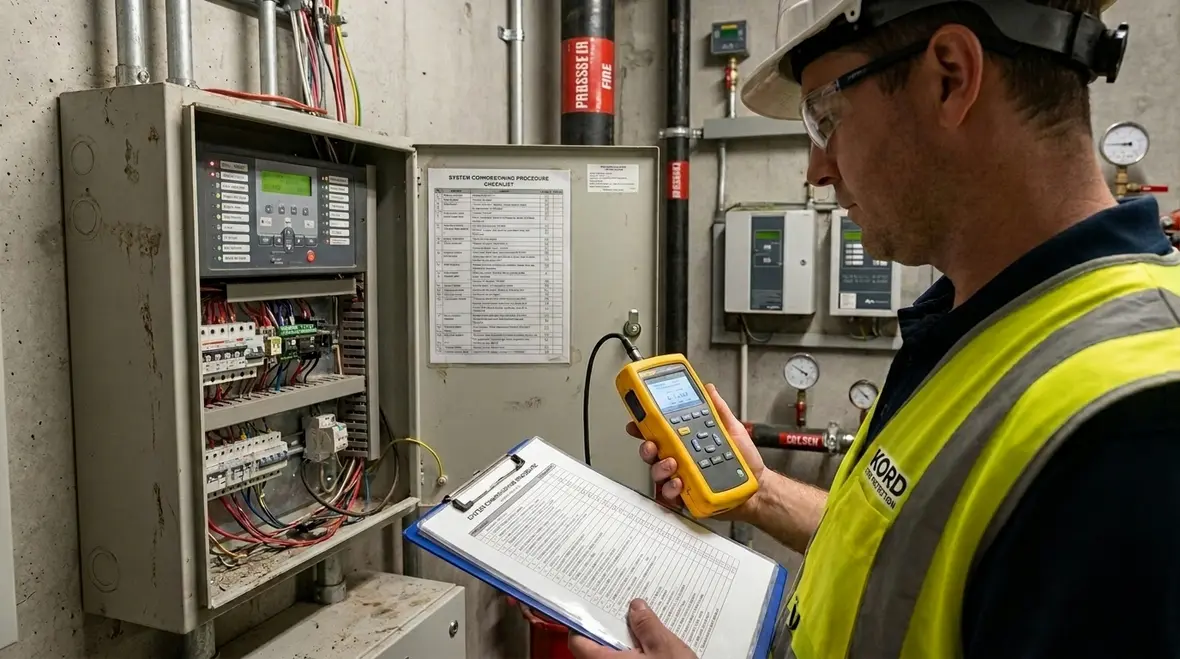
Commissioning turns configuration into confidence. During testing, the team should verify that each suppression monitoring path responds correctly and reports the right condition at the right time. This includes verifying point supervision, trouble handling, and alarm transitions. In addition, the team should confirm output behavior for notification and building control functions linked to suppression activation.
After initial commissioning, routine testing and inspection should follow a consistent schedule. Moreover, documentation should stay up to date, because systems drift over time due to changes, renovations, or equipment replacements. When the record stays current, service becomes faster, and troubleshooting becomes less painful.
Finally, the training piece matters. Operators and maintenance staff should understand what supervisory signals mean, what alarm states require, and how to respond without guessing. That part is not flashy, but it is often the difference between smooth recovery and a long afternoon full of confused phone calls.
Dual column view: key benefits and common outcomes
| Benefit | What the site experiences |
| Clear suppression status reporting | Operators identify what activated and where, without guesswork |
| Supervisory trouble visibility | Maintenance addresses issues before they affect reliability |
| Coordinated outputs | Notification and control functions match the safety plan |
| Better service records | Faster testing, smoother inspections, fewer repeat calls |
FAQ about suppression monitoring and DMP systems
Request a readiness review from Kord Fire Protection
Fire safety should not rely on luck or last minute fixes. If a site wants suppression monitoring that stays clear, dependable, and easy to service, it should schedule a readiness review with Kord Fire Protection. The team can evaluate integration with the panel, validate suppression status reporting, and recommend next steps that match the site’s risks.
Take control now, so the next event finds a system that already understands what to do. Contact Kord Fire Protection today and explore the company’s fire alarm monitoring and fire protection service options to move from reactive fixes to real readiness.

Join Our Newsletter!
Get the latest fire safety tips delivered straight to your inbox From our Newsletter.