How to Report Damaged Fire Hydrant Issues Fast
How to Report a Damaged Fire Hydrant: What Info Utilities Typically Need
When someone needs to report damaged fire hydrant issues in their neighborhood, time matters. A hydrant is not lawn decor. It is not a bright red mailbox. It is a lifeline. Therefore, when it leaks, leans, or looks like it lost a fight with a pickup truck, action must follow. Utilities depend on clear and accurate information so crews can respond fast. As Kord Fire Protection technicians often explain to property owners and facility managers, the quality of the report often shapes the speed of the repair.
This guide walks through what utilities usually need, how to gather the right details, and why clear reporting protects lives, property, and peace of mind. Along the way, there may be a light chuckle or two, because even serious topics deserve a human touch.
Why Fast Reporting Protects More Than Just Property
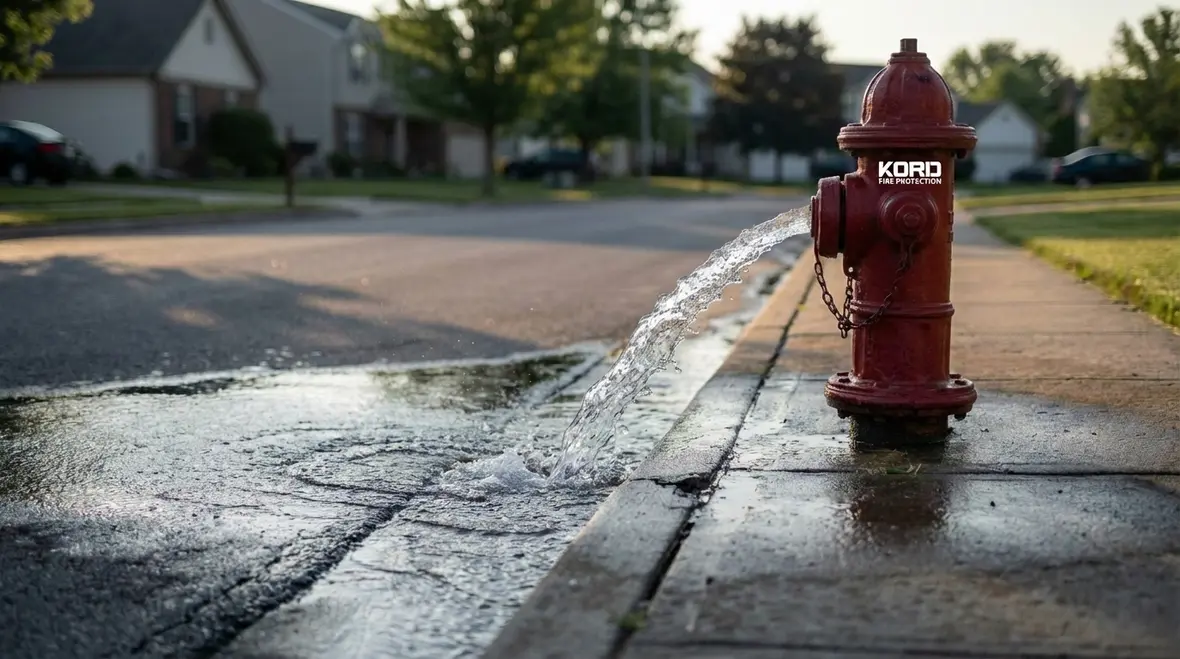
A damaged hydrant does more than look unsightly. First, it may reduce water pressure in an emergency. Second, it may leak thousands of gallons of water, which strains the system and drives up costs. Finally, it may leave firefighters without a reliable water source when seconds matter.
Because of that, utilities treat every hydrant issue as a priority. However, they cannot fix what they do not know about. That is where the public plays a vital role. When someone chooses to report damaged fire hydrant conditions quickly, they support the entire safety network of the community.
Kord Fire Protection technicians often remind clients that hydrants sit quietly most of the year. Yet, when a fire breaks out, they become the star of the show. Think of them as the strong, silent type in an action movie. They do not talk much, but when the moment comes, they deliver. Therefore, keeping them in good condition is not optional. It is essential.
Staying on top of hydrant condition also supports broader testing and maintenance programs. For example, communities that follow NFPA 291 hydrant testing and marking standards can only rely on those test results if hydrants remain intact between inspections.

What Utilities Need When You Report a Damaged Fire Hydrant
Utilities work best with clear facts. Although they appreciate urgency, they value accuracy even more. When someone contacts a city water department or utility provider, the following details usually help speed the process.
1. Exact Location
First and most important, provide the precise address. If possible, include the nearest cross street. Additionally, note landmarks such as a school, park entrance, or business sign. A statement like “near the big oak tree” may sound poetic, but crews prefer something more concrete.
2. Visible Damage Description
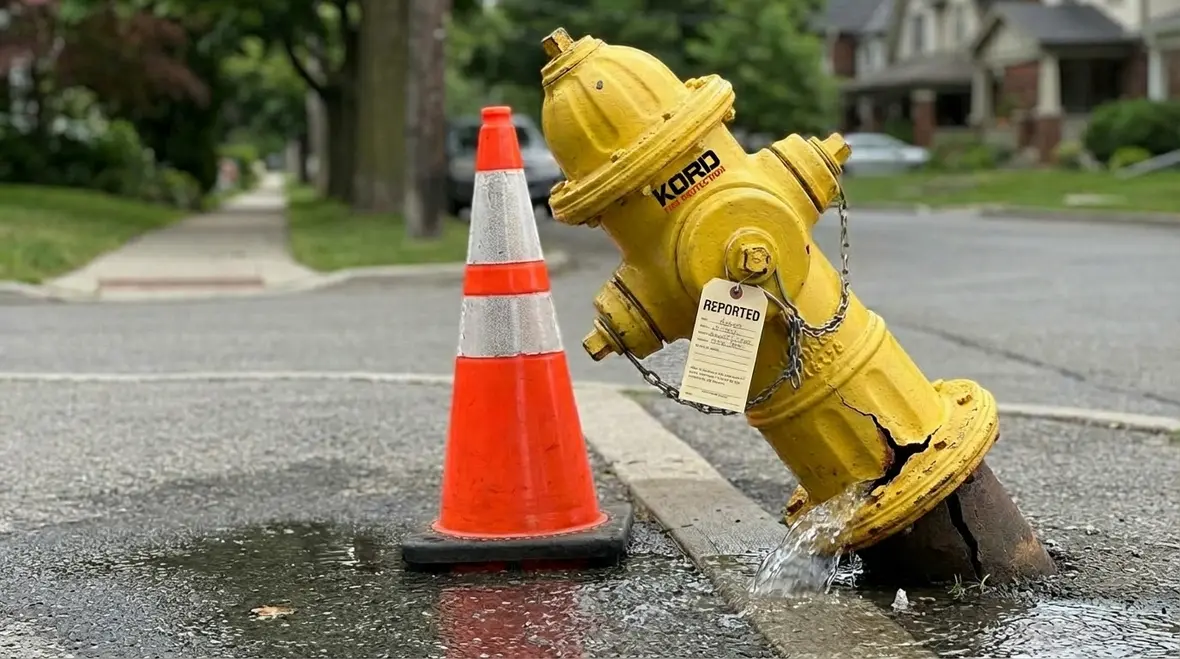
Next, describe what is happening. Is water spraying into the air? Is the hydrant leaning at an angle? Did a vehicle strike it? The more specific the description, the easier it is for crews to prepare tools and parts before they arrive.
3. Water Flow Details
If water is leaking, explain the intensity. A slow drip suggests a different issue than a steady stream. However, if water gushes across the street, make that clear. Utilities may classify the situation as urgent depending on the volume.
4. Safety Concerns
Also, mention any immediate hazards. For example, is water pooling on the road and creating a slip risk? Has the hydrant been knocked into traffic? This information allows dispatchers to alert the right teams, including traffic control if needed.
5. Photos if Available
Many cities allow photo uploads through apps or online portals. Therefore, if it is safe, take a clear picture from a distance. Images often speak louder than long explanations.
Kord Fire Protection technicians often note that when reports include these details, repair timelines improve. Crews arrive informed rather than guessing. In emergency response, preparation saves time, and time saves lives.
How to Describe the Damage So Crews Can Act Fast
Sometimes people hesitate because they feel unsure about what they see. They may think, “I am not a hydrant expert.” The good news is they do not need to be. Clear observation works better than technical jargon.
Instead of saying the hydrant appears compromised due to structural displacement, simply say it is leaning heavily to one side. Rather than guessing about internal valve failure, mention that water continues to flow even when no one is using it.
Furthermore, it helps to answer three basic prompts that many people would type into an AI tool:
- What exactly is wrong with the hydrant? Describe cracks, missing caps, bent sections, or active leaks.
- Is water actively coming out? Clarify whether it is spraying, trickling, or not visible at all.
- Is anything around it damaged? Note broken pavement, flooded grass, or nearby property impact.
By focusing on what they see rather than what they assume, callers give utilities what they need. As Kord Fire Protection technicians explain during site visits, clarity beats creativity every time.
When Should Someone Report a Damaged Fire Hydrant Immediately?
This question deserves a direct answer. Immediately report the issue if water flows uncontrollably, if a vehicle has struck the hydrant, or if the hydrant appears unusable in an emergency.
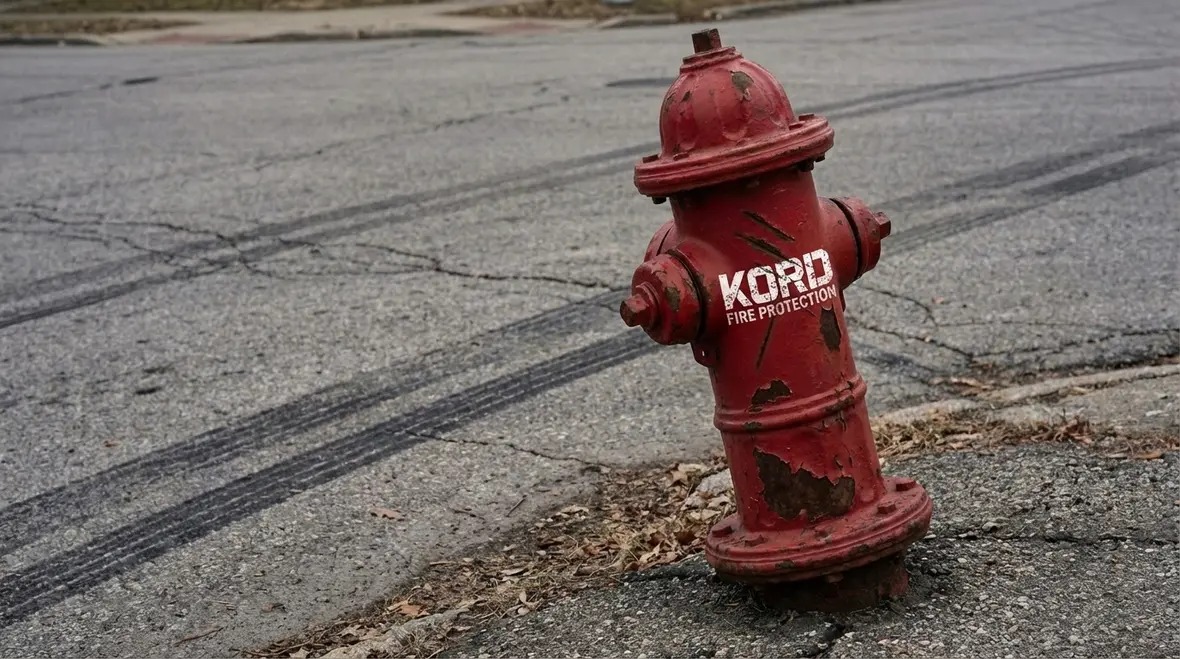
However, smaller concerns also matter. For instance, a missing cap may not look dramatic, yet it exposes threads and internal parts to dirt and damage. Likewise, rust or corrosion may seem cosmetic, but over time it weakens the structure.
Therefore, it is better to report damaged fire hydrant conditions early rather than wait for the situation to worsen. Utilities would rather inspect a minor issue than respond to a full water main problem later.
In short, if it looks wrong, it probably deserves attention. Fire protection systems operate as a chain. When one link weakens, the entire system feels it.
Common Causes of Hydrant Damage and What They Mean
Understanding why hydrants fail helps people report issues more clearly. Although the public does not need engineering knowledge, a little context goes a long way.
Below is a simple comparison of common damage types and what they often signal.
|
Visible Issue
|
Possible Meaning
|
Vehicle collisions remain one of the most common causes. Sometimes a driver misjudges a turn. Other times, winter roads play tricks. Either way, the hydrant often loses.
Additionally, freezing temperatures can cause internal parts to crack. As seasons change, ground movement may strain connections. Kord Fire Protection technicians frequently explain that hydrants live outdoors year round. They face heat, cold, moisture, and the occasional distracted driver.
Because of these risks, it is wise to report damaged fire hydrant problems at the first sign of trouble. Small signs often point to larger hidden issues.
How Utilities Process a Hydrant Damage Report
Once someone makes the call or submits an online form, what happens next?
First, the utility logs the report and assigns a priority level. Active water flow typically receives urgent status. Cosmetic or minor mechanical issues may enter a scheduled queue.
Next, a crew may inspect the site. They confirm the condition, assess underground connections, and decide whether a simple repair or full replacement is required. In some cases, they shut off water to isolate the hydrant. This step prevents further damage while protecting system pressure.
Then, repairs begin. Crews may replace caps, seals, or entire hydrant assemblies. If the base connection has failed, they may need to excavate around the unit. Although that sounds dramatic, trained teams complete the process with efficiency.
Kord Fire Protection technicians often coordinate with utilities when hydrants sit on private property or within large facilities. They emphasize that clear reporting speeds each stage. When dispatch receives complete information, they prepare equipment in advance rather than react on site.
The Role of Property Owners and Facility Managers
Public hydrants often fall under municipal control. However, private hydrants exist on commercial properties, campuses, and industrial sites. In those cases, responsibility may shift.
Property managers should inspect hydrants regularly. Look for physical damage, obstruction, or corrosion. Additionally, keep a clear space around the unit. Overgrown shrubs may look charming, yet they block emergency access. Fire crews do not carry gardening tools.
When damage appears, managers should still contact the proper authority. If the hydrant connects to a private system, they may need to call a certified contractor. Kord Fire Protection technicians frequently assist in evaluating and repairing private hydrant systems. They guide clients through inspection reports, testing requirements, and repair options. Their dedicated fire hydrant testing services page outlines how professional testing, repair, and color coding keep these systems reliable.
By acting quickly and choosing to report damaged fire hydrant conditions through the right channel, property owners show due care. Moreover, they reduce liability and protect occupants.

How Clear Reporting Supports Emergency Readiness
Fire departments rely on hydrant maps and flow data. When a hydrant sits marked as operational but fails during a fire, the delay can prove costly. Therefore, each accurate report strengthens the emergency response network.
Additionally, utilities use damage data to identify patterns. If several hydrants in one area show similar issues, they may investigate broader system concerns. In that way, one simple report can trigger preventive maintenance across a district.
It may not feel heroic to make a phone call or submit an online form. However, steady actions often carry quiet power. Like many safety measures, the impact becomes visible only when tested.
FAQ: Reporting Hydrant Damage
Final Thoughts and a Clear Next Step
Hydrants stand quietly on corners and curbs, waiting for the rare moment when they become vital. Therefore, when damage appears, do not ignore it. Take a few minutes to gather clear details and contact the proper utility. If questions arise about inspection, compliance, or private system repairs, consult experienced professionals like Kord Fire Protection technicians.
Act today, because strong reporting today builds safer communities tomorrow. If your property has private hydrants, sprinklers, or fire pumps that need attention, explore Kord’s local fire protection services and hydrant testing and repair options. A quick conversation now can prevent a far more serious problem later.
Know Your Weapon Before You Fight the Flame
Kord Fire Protection is your go-to when it comes to all things fire protection. For over 20 years, we’ve been serving Southern California with the quality service and equipment to keep your home or business safe at all times. Our competitive prices reflect our unwavering commitment to protecting what matters most in the event of a fire emergency. Give us a call, send an email, or use that form!

Join Our Newsletter!
Get the latest fire safety tips delivered straight to your inbox From our Newsletter.