
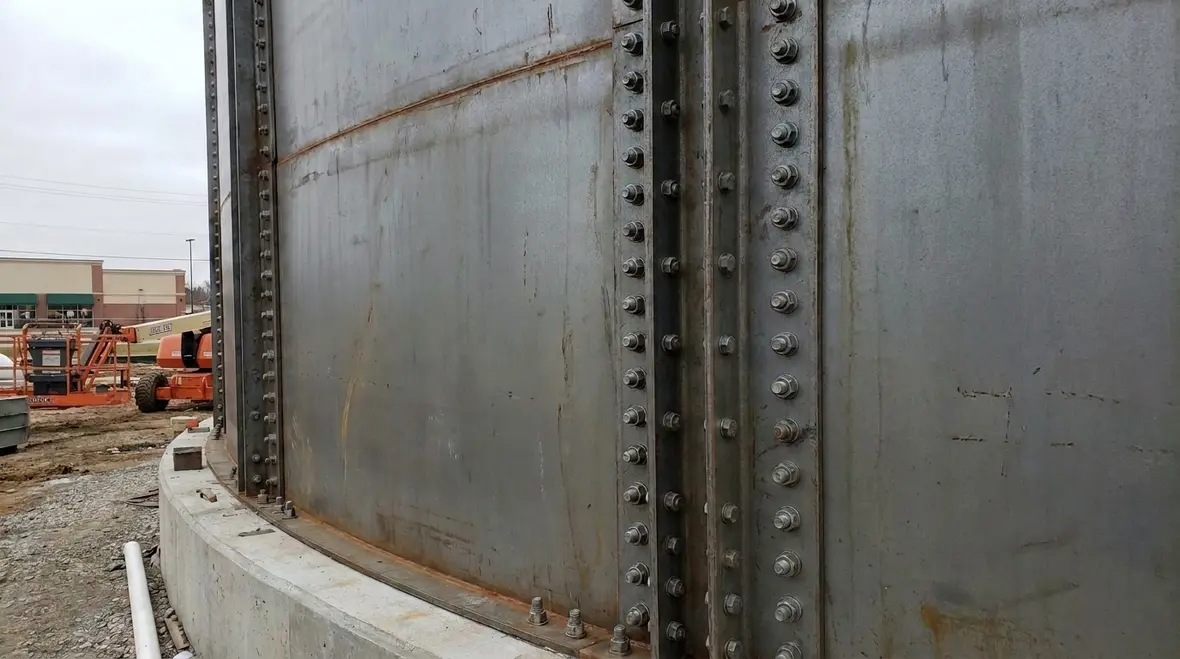
NFPA 22 Section 6.2: Materials, Fabrication, and Installation of Bolted Steel Tanks
Quick Answer
NFPA 22 Section 6.2 sets enforceable expectations for materials, fabrication, and installation of bolted steel water tanks used in fire protection systems. Compliance centers on verified steel quality, controlled bolted connections, correct welding or joining practices where applicable, sound support design, and inspection ready installation for long term reliability.
Facilities that need broader inspection, testing, and maintenance support for connected water-based systems can review Kord Fire Protection’s fire protection services in Southern California before diving into the tank specific requirements.
What Section 6.2 covers, and why it matters for fire protection performance
NFPA 22 treats the water supply tank as a system component that must deliver reliable flow during fire events. Section 6.2 focuses on how bolted steel water tanks are built and installed, not just how they look on delivery. That distinction becomes critical for commercial, industrial, and retail facilities where tanks face vibration, foundation movement, water chemistry effects, condensation cycling, and ongoing inspection demands.
For facilities evaluating materials fabrication installation bolted steel water tanks, the key compliance challenge is proving that every connection detail, material specification, and installation step matches the design intent and the tank manufacturer’s approved documentation. When details drift during field fabrication or assembly, operational reliability and AHJ acceptance often suffer.
Materials: selecting steel that performs in real fire service conditions
Section 6.2 requires that tank materials meet specified quality and suitability for the intended use. In practice, this means verifying the following before fabrication or assembly begins:
- Material traceability for plate and structural components, including mill certificates and matching specification grades.
- Compatibility with water exposure, including considerations for corrosion allowance, lining or coating systems when used, and water treatment realities common in commercial facilities.
- Correct thickness and tolerances for base plates, shell plates, and any reinforcement sections. Small deviations can amplify stress at bolted joints over time.
- Quality of hardware, including bolts, nuts, washers, and any gaskets or sealants used at joints, with verification of grade and finish.
Common failure point: projects sometimes substitute “equivalent” hardware to resolve procurement delays. Even when the substitute matches a nominal dimension, it can introduce different yield strength, coating thickness, or thread condition that changes clamp force and corrosion performance at bolted connections.
Fabrication: controlling plate prep, joint fit up, and bolted connection integrity
Fabrication quality determines whether bolted steel water tanks remain tight, aligned, and structurally sound over years of service. Section 6.2 expectations typically drive these fabrication controls:
Plate forming and edge preparation
- Maintain proper rolling or forming procedures so shell geometry stays within the manufacturer’s limits.
- Prepare edges and contact surfaces to support consistent joint compression and to reduce leakage pathways.
- Protect formed components from damage that can create stress concentrations, especially near bolt patterns.
Bolted joint workmanship
- Ensure bolt holes are drilled or processed to required tolerances for the specified bolt fit.
- Use correct gasket material or joint seal method where required, ensuring it seats evenly and does not roll or pinch during assembly.
- Prevent contamination of joint surfaces, including oil, debris, and scale, which can reduce sealing effectiveness.
Welding or joining interfaces, where applicable
Even for bolted tanks, some fabrication interfaces may involve tack welds, attachment welds, or controlled joining depending on design. Section 6.2 supports the principle that fabrication must follow approved details, maintain integrity of the metalwork, and avoid unapproved field alterations that undermine structural and leakage performance.
Commercial compliance reality: fabrication records matter. For facilities, the easiest path to AHJ readiness includes organized documentation that links material certificates, fabrication procedures, bolt hardware specifications, and assembly tolerances to the final tank as installed.
Installation: foundations, supports, alignment, and torque controlled assembly
Installation translates the fabrication intent into field performance. In bolted steel water tanks, the highest risk items often involve support and connection practices that vary by contractor or jobsite conditions.
Foundation and structural support
- Verify the tank base and foundation meet design load requirements, including settlement considerations.
- Confirm levelness and alignment before shell assembly so bolted joints do not experience uneven clamp loading.
- Address corrosion prevention at contact points between tank and foundation materials.
Shell alignment and joint fit
- Follow the erection sequence to maintain circularity and avoid forced fit at bolt lines.
- Prevent distortion that can create localized gaps at joints, leading to leakage during hydrostatic testing and long term water exposure.
Bolts: torque, tightening sequence, and inspection readiness
Section 6.2 emphasizes that installed bolted joints must be assembled to the required workmanship standard. In operational terms, this usually means:
- Use a documented tightening method consistent with the manufacturer’s design, including torque or tension control if specified.
- Apply a tightening sequence that equalizes stress across the joint to avoid warping and uneven clamp force.
- Confirm that all bolts are installed and seated correctly with proper washer placement and thread condition.
Common failure point: “finish tightening later” on multi day installs. If the project pauses before final torque verification, joint loads can relax and alignment can shift due to handling and partial filling. That creates rework risk and can complicate inspection documentation.
Inspection, testing, and ongoing maintenance to sustain compliance
NFPA 22 compliance does not end with installation. Bolted steel water tanks require inspection and maintenance practices that keep bolted joints, supports, and corrosion protection functioning as intended.
Initial inspection and acceptance
- Verify installation matches approved drawings and manufacturer documentation.
- Confirm joint sealing method application, bolt spacing, and overall workmanship.
- Support documentation for hydrostatic testing results where applicable to the tank system design.
Routine maintenance priorities for bolted joints
- Monitor for seepage or leakage around bolted seams and inspection access points.
- Check coating or lining performance and address localized corrosion early.
- Retighten procedures, when permitted by the design and manufacturer, must follow the same controlled practices used in installation. Random field retorquing without sequence control increases the chance of distortion and renewed leakage.
If your facility needs a structured approach to fire protection water tank compliance and operational readiness, Kord Fire Protection supports commercial tank inspections, maintenance coordination, and documentation practices aligned with how NFPA 22 and AHJ expectations are applied in the field. For an overview of how NFPA 22 regulates water tank fire protection, use this resource: how NFPA 22 regulates fire protection water tanks.
How to avoid common noncompliance issues during projects and retrofits
Many compliance gaps happen at the interfaces between design intent, contractor execution, and documentation. The most preventable issues include:
- Hardware substitutions without documented equivalency and approval.
- Uncontrolled field fit that forces shell alignment and damages sealing surfaces.
- Insufficient torque verification and lack of recordkeeping for tightening sequence and method.
- Foundation or support deviations that allow movement, stressing bolted joints over time.
- Missing inspection evidence such as material traceability, assembly records, and test results required to demonstrate compliance readiness.
Practical takeaway: compliance success improves when the project team treats tank fabrication and materials fabrication installation bolted steel water tanks as a documented quality process, not a procurement transaction. Kord Fire Protection can help facilities establish repeatable documentation workflows and maintenance schedules so inspections do not become a last minute scramble.
Frequently Asked Questions
Conclusion and next step
Section 6.2 drives tank reliability by enforcing the details that directly affect bolted joint integrity, leakage risk, and long term structural performance. If your facility is building, modifying, or maintaining a water tank supporting a fire protection system, confirm materials traceability, verify bolted assembly workmanship, and plan maintenance that protects joint clamp force and corrosion performance. Contact Kord Fire Protection for a compliance focused review, inspection support, and ongoing maintenance planning.

Join Our Newsletter!
Get the latest fire safety tips delivered straight to your inbox From our Newsletter.



