
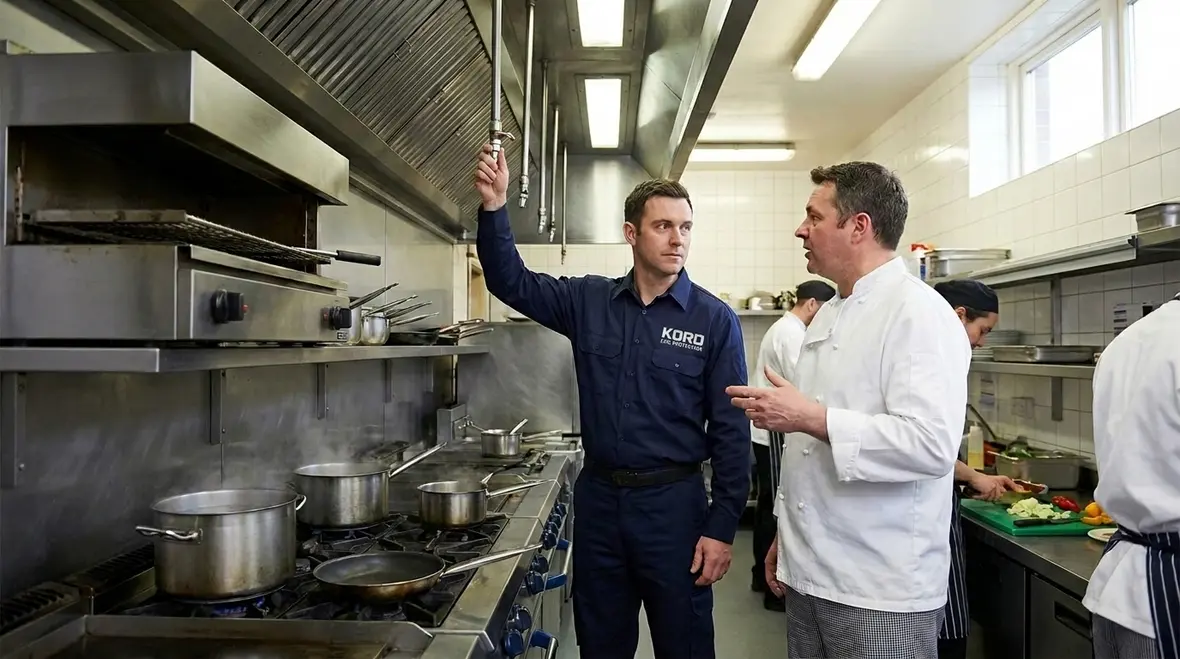
Hotel Kitchen Fire Suppression Inspections by Kord
Hotels run on schedules, smiles, and the quiet confidence that every system will behave. When it comes to the back of house, hotel kitchen fire suppression is not a “nice to have.” It is the shield that helps protect cooks, guests, kitchens, and payroll. In this article, a hotel owner, GM, or safety manager will see how a well designed suppression system works, how inspections should run, and how Kord Fire Protection can become a vital partner when teams need speed, reliability, and good documentation. And yes, nobody wants a kitchen fire any more than they want their dining room music stuck on one sad playlist. Still, fires do not care about vibes. They care about fuel, heat, and time.
First, let’s map the real world: a hotel kitchen is busy, grease loads build up, and cooking temperatures climb fast. Because of that, suppression systems must respond quickly and in a way that matches commercial cooking equipment. When suppression is planned well, it helps limit damage, supports evacuation, and gives firefighters a safer situation. Hotels also benefit when inspections are scheduled before the busy season rather than during it, because nobody enjoys a last minute scramble that lands in the middle of breakfast service.
How commercial kitchen suppression works in hotels
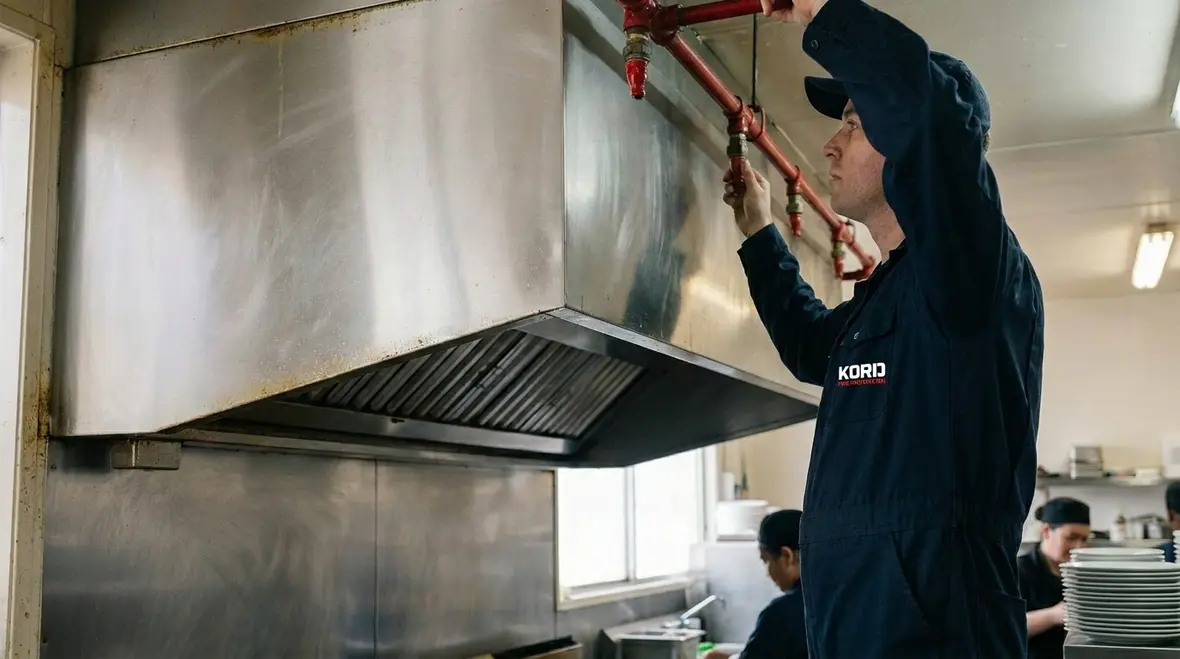
Commercial kitchen fires rarely start as a dramatic movie moment. They often begin with something small: a grease flare, a fryer issue, or a hood area that becomes a little too loaded. Therefore, the suppression goal focuses on the cooking area where flames can take off. In hotels, that matters even more because a kitchen incident can affect room service, banquets, restaurants, employee areas, and the guest experience all at once.
Most hotel hotel kitchen fire suppression setups protect the hoods, ducts, and the equipment they serve. Typically, the system includes detection devices, a control head, distribution piping, and an extinguishing agent. When heat or flames reach set triggers, the system releases the agent to smother the fire and reduce heat. Kord also explains this broader protection layout in its companion guide on commercial kitchen fire suppression systems, which helps owners understand what is being protected and why.
In practice, this means the fire does not get a chance to spread through the hood system like it is auditioning for a horror sequel. Additionally, the system works alongside emergency procedures, alarms, and staff training. Suppression is not a replacement for good habits, but it acts fast when habits fall behind. In many hotel properties, the smartest approach is to pair system maintenance with routine reviews of emergency shutoffs, pull stations, and kitchen line changes.
Why hotel kitchens need fast, equipment specific coverage
Hotels rarely operate one simple cooking setup. A single property may run breakfast lines, banquet prep, bar kitchens, and late night service. Because of that, systems should match the actual appliances under the hood, not some old layout from two menu revisions ago. If fryers were added, charbroilers moved, or cooking loads changed, inspections should catch that before a small mismatch becomes a big problem.
What fire hazards hotels face every week
Hotels face a mix of cooking styles, menu changes, and equipment upgrades. As a result, the risk profile shifts. One week the kitchen handles more fryers. The next week, a renovation adds new equipment. Meanwhile, grease accumulation can increase if cleaning cycles slip or filters are not managed properly. Those changes do not always look dramatic on paper, but they absolutely matter when a system is expected to perform in seconds.
Common hazards include grease on hood surfaces, oil mist in the exhaust stream, and blocked or improperly maintained filters. Also, some hotels use high heat salamanders, charbroilers, and deep fryers during peak service, which increases the chance of rapid flare ups. Kord’s article on what kitchen fire suppression covers and does not cover is especially useful here because it helps teams separate assumptions from actual system scope.
And because kitchens run on human effort, staff turnover and training gaps can quietly raise risk. Even strong teams can miss a detail during a busy weekend. So, a strong suppression plan includes not only the hardware, but also the procedures and documentation that keep the system reliable. That is where regular checklists, visible service tags, and clear ownership of safety tasks stop small oversights from becoming recurring headaches.
The hazards that inspections catch before guests ever notice
A good inspection can reveal clogged nozzles, expired links, poor access to pull stations, or mismatched appliance coverage without interrupting the guest side of the business. That matters in hospitality, where the smooth front of house often depends on a disciplined, well maintained back of house. Put another way, the best fire protection work is the kind your guests never have to hear about.
Where compliance and inspections often trip teams up
Compliance does not fail all at once. It usually fails in small places: a missed inspection window, a partial record, or a technician note that does not match the actual equipment layout. Therefore, hotel leaders need a system that can prove readiness. Kord’s restaurant hood fire suppression inspection checklist guide shows how consistent inspection steps help prevent those little misses from stacking into something costly.
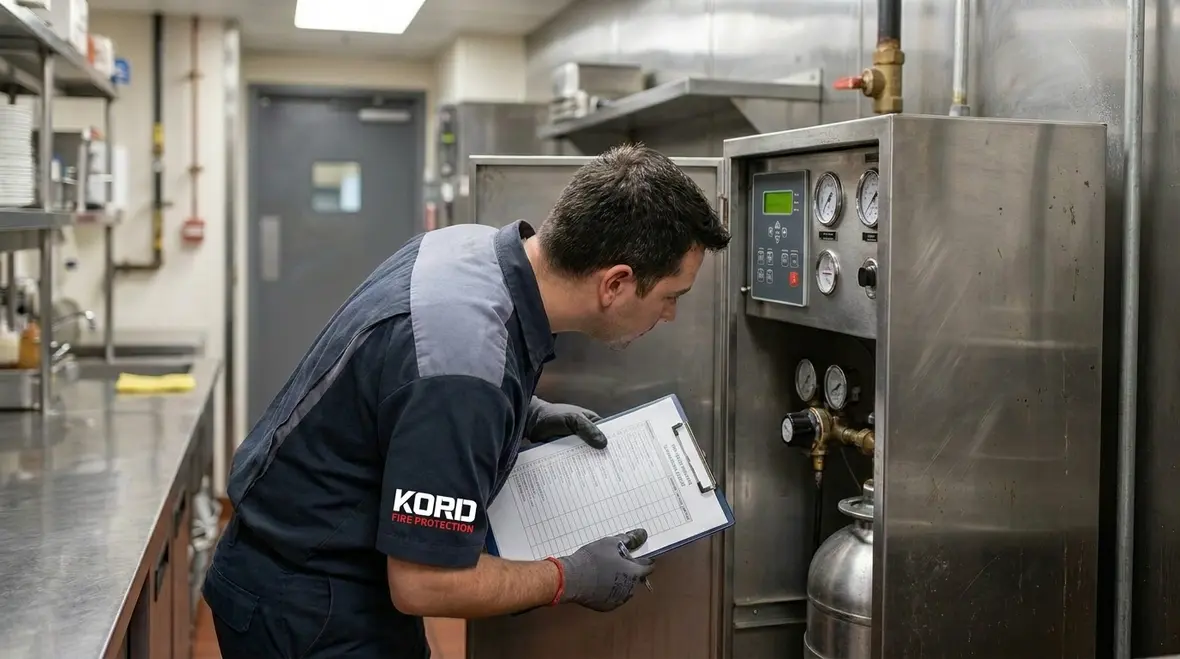
Inspections should verify key parts such as detection devices, agent cylinder condition, pressure readings, nozzle condition, and proper operation of release mechanisms. In addition, they should check the condition of hoods and duct systems, because a suppression system can only do its job if airflow and capture performance stay within expected limits. If the physical kitchen has changed since the last service, that should be reviewed too, because systems cannot protect equipment they were never updated to cover.
Documentation matters because it helps hotels meet audits, insurance requirements, and internal safety reviews. If something needs service, the paperwork should clearly show what was repaired and what was tested. Otherwise, everyone ends up guessing later, which is a great way to turn a safety conversation into a blame game. Nobody wants that. Clear reports also help engineering teams, kitchen managers, and ownership stay aligned instead of piecing together a maintenance story from memory.
Design choices that protect guests and keep kitchens running
A hotel kitchen is not a lab. It is a working facility that still needs speed and calm service. That means design choices should balance protection, operations, and maintenance needs. The right setup helps the system react quickly while still fitting the reality of prep schedules, banquet surges, and equipment access for service teams.
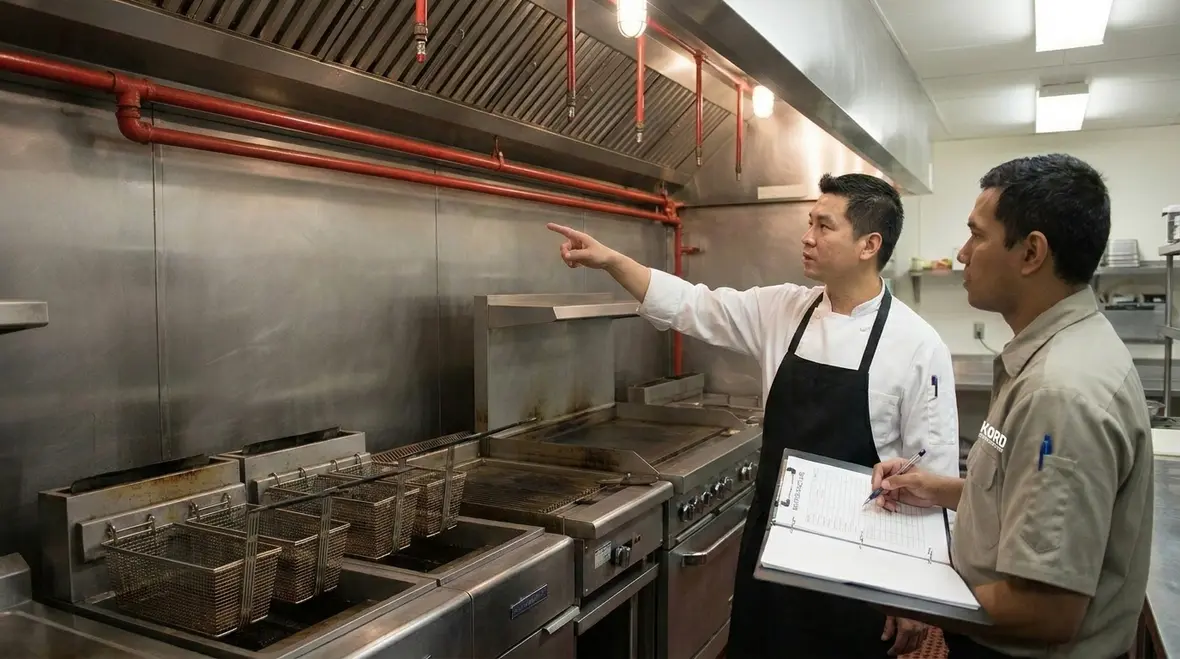
Effective systems often use the right agent for the cooking hazards, correct zoning to match the hood layout, and placement that supports fast discharge. Moreover, they should coordinate with alarm systems and emergency plans so staff know what to do immediately after discharge. Hotels reviewing upgrades should also understand how modern standards shape system performance, which is why Kord’s UL 300 restaurant hood fire suppression guide is a helpful read for operations teams.
Kitchens also vary across brands and properties. For that reason, hotels should avoid one size fits all assumptions. A property with multiple cooking lines may need clear separation and controlled release areas. Meanwhile, a smaller property might have a simpler layout but still needs proper coverage for its hood and exhaust. Design works best when it follows the actual cooking process rather than forcing the kitchen to pretend it is something it is not.
Interlocks, shutoffs, and the details that matter
One design detail that deserves more attention is how suppression connects with electrical and fuel shutoffs. When discharge happens, the kitchen should not keep feeding the fire source. Kord touches on this in its piece about commercial kitchen fire suppression electrical interlocks, which is useful for hotel teams coordinating between kitchen operations, facilities, and contractors.
Kord Fire Protection as a vital partner for suppression services
This is where Kord Fire Protection becomes more than a vendor. In a hotel, time and clarity matter. When a suppression system needs service, hotels want a partner who communicates well, schedules work without disrupting meal prep, and handles documentation with care. A hospitality property does not need mystery, delays, or a paperwork scavenger hunt after a service call.
Kord Fire Protection can support the full lifecycle. That can include inspections, testing, and maintenance planning that aligns with property calendars. In addition, a strong partner helps hotels understand what the results mean, not just what the numbers say. When teams can see trends, they act sooner and avoid surprises. That kind of consistency matters when a hotel balances guest expectations, operating costs, staffing realities, and compliance all at once.
Also, Kord Fire Protection helps hotels connect suppression performance to the real risks in kitchens. Because suppression does not work in isolation, the best outcomes come from combining system checks with guidance on hood upkeep, filter management, and readiness routines. Put simply, it is like having a co pilot who checks the instruments and also watches the weather. For teams that need a direct service path, Kord’s UL300 restaurant systems service page is the right next stop.
Dual column details for service planning
FAQ: Hotel kitchen fire suppression
Get a safer kitchen with a clear next step
A hotel kitchen can stay focused on great food while the safety team builds real protection behind the scenes. When hotel kitchen fire suppression is designed, inspected, and maintained with discipline, hotels gain faster response, clearer records, and less chaos when something unexpected happens. Kord Fire Protection helps owners plan services, verify performance, and keep systems ready for the next busy shift.
If this year’s inspection calendar is creeping up like a sitcom cliffhanger, now is the time to schedule a review. Reach out to Kord Fire Protection’s UL300 restaurant systems team and protect the kitchen before the alarm becomes the headline. For hotels comparing service support more broadly, Kord’s fire protection resources and kitchen safety articles offer a practical next read.

Join Our Newsletter!
Get the latest fire safety tips delivered straight to your inbox From our Newsletter.



