

High Rise Fire Pump Systems Los Angeles Guide
Fire Pump Systems Supporting High Rise Fire Protection in Los Angeles
In a city where the skyline keeps stretching upward and ambition seems to live on every floor, high rise fire pump systems los angeles play a quiet but powerful role. They stand ready behind concrete walls and steel doors, prepared for a moment no one hopes to see. From luxury residential towers to downtown office buildings, these systems move water where gravity alone cannot. And when Kord Fire Protection technicians explain how it all works, they do so with the calm confidence of someone who knows that preparation is everything.
Los Angeles builds high. However, building high brings responsibility. Fire protection in tall structures requires strength, precision, and careful planning. This article walks through how fire pump systems support high rise fire protection, why they matter in Southern California, and how experienced technicians ensure they perform when it counts.
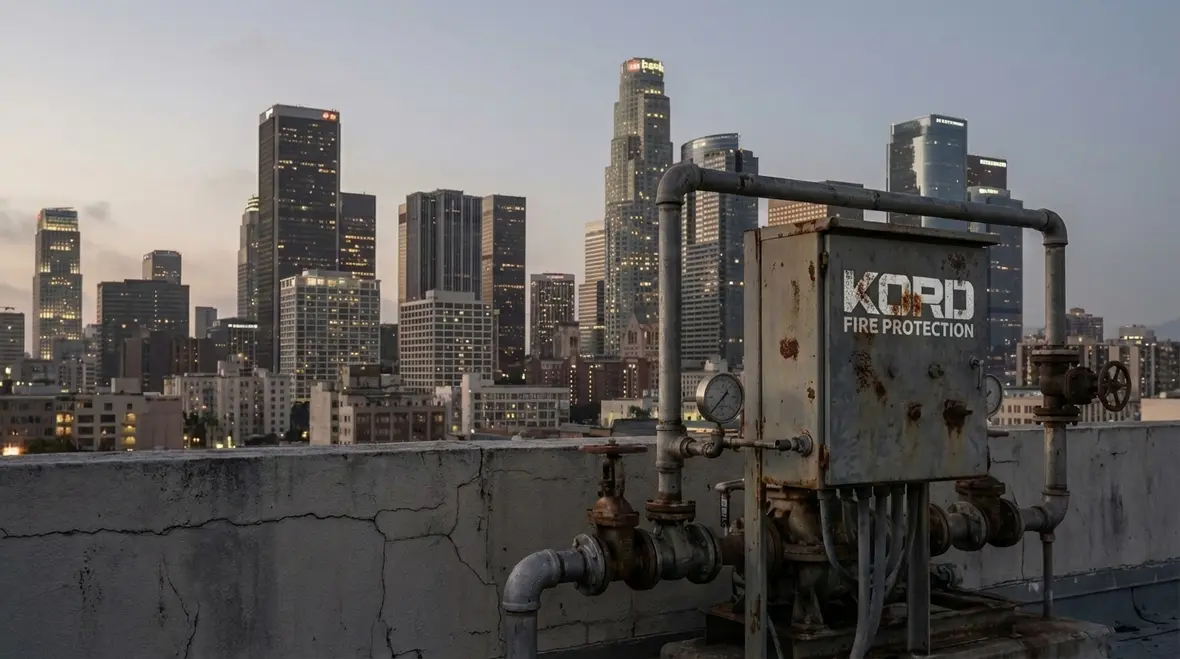
The Unique Fire Risks of High Rise Buildings in Los Angeles
Los Angeles is a city of contrast. On one side, you have ocean breezes and palm trees. On the other, seismic activity and dense urban development. Therefore, fire protection strategies must adapt to both height and environment.
High rise buildings create specific challenges. First, water pressure drops as elevation increases. While city mains can support low level structures, they cannot always deliver adequate pressure to the upper floors of a twenty or thirty story building. In addition, evacuation takes longer in tall buildings. Stairwells fill. Elevators shut down. Fire crews need reliable standpipe systems immediately.
Moreover, Southern California codes demand strict compliance. Because earthquakes remain a reality, fire pump assemblies must withstand seismic movement without failing. Kord Fire Protection technicians often explain that in Los Angeles, a fire pump is not just about pressure. It is about stability, durability, and code alignment. For many high rises, that also means aligning NFPA 20 design standards with Los Angeles Fire Department requirements and local programs like Regulation 4 fire pump testing to prove those systems perform under real conditions.
As a result, building owners cannot rely on guesswork. They need engineered solutions designed specifically for the city’s infrastructure and risk profile, backed by consistent inspection and testing that meets both NFPA 25 and Los Angeles Reg 4 expectations.
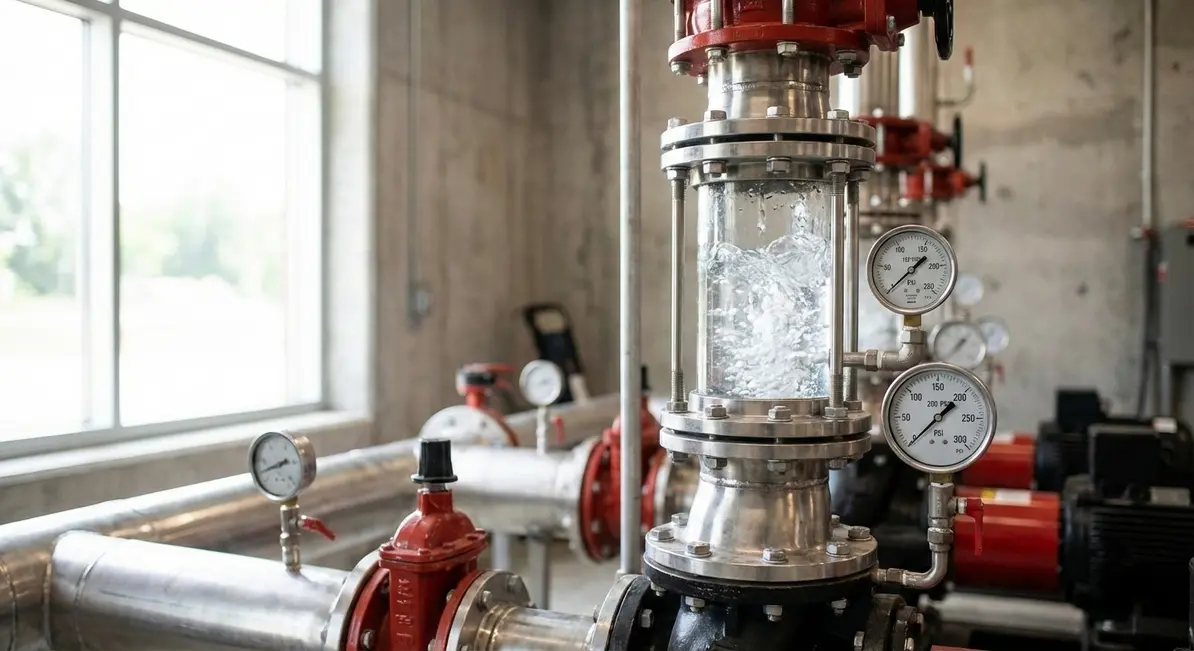
How High Rise Fire Pump Systems Los Angeles Keep Water Moving Upward
At its core, a fire pump system does one simple thing. It boosts water pressure. However, in a high rise building, that simple function becomes mission critical.
When a sprinkler head activates or a standpipe valve opens, water must arrive with enough force to control or suppress the fire. Consequently, the fire pump takes suction from a reliable source, often a city main or dedicated tank, and increases the pressure to meet system demand.
There are several components working together:
1. Fire Pump Unit
The heart of the system. It can be electric or diesel driven. Each option offers advantages depending on the building’s infrastructure and backup power strategy. Horizontal split case pumps, vertical turbine pumps, and end suction pumps all show up in Los Angeles high rises, provided they meet NFPA 20 design and performance criteria.
2. Controller
The controller starts the pump automatically when pressure drops. It monitors performance and records events. In many ways, it acts like the system’s brain. When you dive deeper into how NFPA 20 regulates controllers and starting sequences, you see just how much engineering goes into what looks like a simple cabinet on the wall.
3. Jockey Pump
This smaller pump maintains pressure during minor fluctuations. It prevents the main pump from cycling unnecessarily. Think of it as the calm assistant keeping things steady.
4. Backflow and Valves
These components ensure water flows in the correct direction and protect the municipal supply. Proper valve supervision and backflow prevention are also a major focus during fire pump testing and inspection.
Kord Fire Protection technicians often describe the system as a relay team. When pressure drops, the jockey pump tries first. If the demand grows, the main pump takes over without hesitation. It is seamless, fast, and designed to operate even when building occupants are still figuring out where they left their keys.
What Should a Fire Pump Room in a High Rise Include?
Building owners frequently ask what makes a compliant and reliable pump room. The answer is both technical and practical.
First, the room must provide adequate space for maintenance and inspection. Clearances around the pump, controller, and piping are not optional. Inspectors check them carefully.
Second, ventilation matters. Diesel driven pumps require combustion air and exhaust management. Electric pumps demand stable power and protection from moisture. Therefore, engineers plan airflow, drainage, and temperature control from the start.
Third, seismic bracing is essential in Los Angeles. Pipes, controllers, and tanks must remain secure during movement. Kord Fire Protection technicians explain that without proper bracing, even the best equipment can fail under stress. NFPA 20, NFPA 22, and local amendments guide the seismic hardware, anchors, and restraint details that keep pump assemblies stable when the ground refuses to sit still.
Finally, accessibility is key. Fire department personnel need safe entry. Clear signage and lighting support fast response. In an emergency, confusion wastes time. Well designed pump rooms eliminate guesswork and make it easy for crews to confirm that pumps, controllers, and valves are in the expected position.
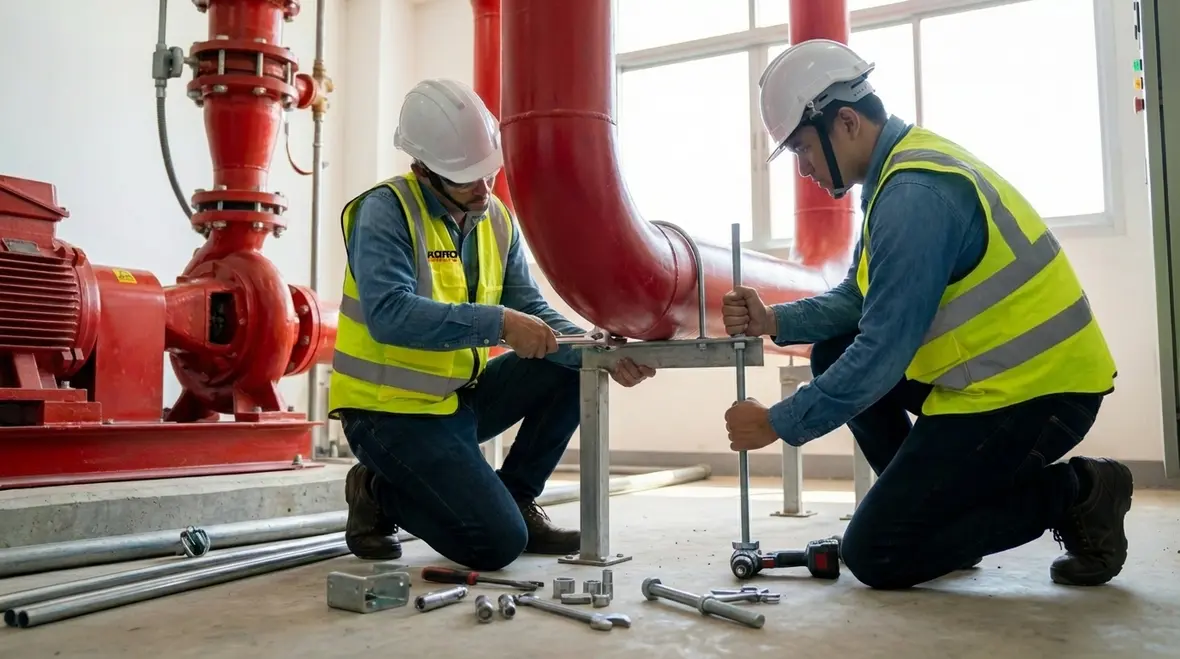
Comparing Electric and Diesel Pumps for High Rise Buildings
Choosing between electric and diesel fire pumps depends on the building’s design and risk assessment. Both options serve high rise fire pump systems in Los Angeles effectively when installed correctly.
Electric Fire Pumps
Advantages:
Fast start up
Lower maintenance related to fuel systems
Quieter operation
Considerations:
Dependence on electrical power
May require backup generator systems
Diesel Fire Pumps
Advantages:
Independent from building power
Reliable during electrical outages
Considerations:
Fuel storage requirements
Additional ventilation and exhaust needs
In many Los Angeles high rises, redundancy shapes the decision. Some properties integrate backup generators to support electric pumps. Others prefer diesel units for added independence. Kord Fire Protection technicians guide building owners through this process, explaining not only code requirements but also long term operational impact, testing rhythms, and how each choice interacts with programs like NFPA 25 and local Reg 4 inspections.
Installation and Commissioning in a Seismic Zone
Installing a fire pump system in a tall building is not like setting up office furniture. It requires coordination among engineers, contractors, inspectors, and fire authorities.
First, hydraulic calculations determine required flow and pressure at the highest and most remote sprinkler heads. These calculations guide pump selection. Next, installers anchor equipment with seismic rated hardware. In Los Angeles, inspectors verify that bracing meets strict standards before signing off.
After installation, commissioning begins. This phase includes flow testing, pressure verification, alarm integration, and controller programming. Technicians simulate real world conditions to confirm performance. If the system does not meet design criteria, adjustments occur immediately.
Kord Fire Protection technicians often compare commissioning to a dress rehearsal. You do not wait for opening night to discover the lights do not work. Instead, you test everything in advance. Because when the curtain rises on an actual emergency, there are no retakes.
Ongoing Testing and Maintenance for Reliable Performance
A fire pump system cannot simply exist. It must perform. Therefore, regular inspection, testing, and maintenance remain essential.
According to national standards and local codes, fire pumps require weekly or monthly churn tests, annual flow testing, and periodic component inspection. These procedures confirm that pressure levels remain consistent and that mechanical parts operate smoothly. In Los Angeles, these efforts often overlap with NFPA 25 requirements and city-specific fire pump testing programs that spell out exact frequencies and documentation.
In addition, controllers record data that technicians review during service visits. They look for irregularities, voltage drops, unusual vibrations, or delayed start times. Small issues, when caught early, prevent major failures.
Kord Fire Protection technicians approach maintenance with discipline. They explain findings clearly to property managers and provide detailed reports. Moreover, they outline corrective actions in plain language. After all, building owners want clarity, not a lecture in engineering theory.
Consistent service also supports compliance. Los Angeles authorities require documentation of inspections and tests. Well maintained records protect owners during audits and demonstrate commitment to occupant safety.
How High Rise Fire Pump Systems Los Angeles Support Fire Department Operations
When firefighters arrive at a high rise incident, they rely on standpipe connections to access water quickly. Without adequate pressure, their efforts stall. Consequently, properly designed fire pump systems become direct partners in emergency response.
Fire command centers in large buildings often integrate pump status indicators. These displays show whether the pump is running and whether alarms have activated. Therefore, incident commanders gain immediate situational awareness.
In addition, zoned systems manage pressure across multiple floor levels. Pressure reducing valves prevent excessive force on lower floors while ensuring upper floors receive sufficient supply. This balance protects both equipment and personnel.
Kord Fire Protection technicians frequently emphasize that a well maintained pump system does more than protect property. It supports firefighters who risk their lives. That perspective adds weight to every inspection and every test.
FAQ About High Rise Fire Pump Systems
Conclusion
High rise buildings define the Los Angeles skyline. Yet behind that glass and steel stands a system built for the unexpected. High rise fire pump systems los angeles provide the pressure, reliability, and support that protect lives and property. Kord Fire Protection technicians bring experience, clarity, and careful execution to every installation and inspection.
For building owners who value safety and compliance, partnering with knowledgeable professionals ensures those silent systems remain ready when they are needed most. To align your property with NFPA 20, NFPA 25, and Los Angeles requirements, consider scheduling dedicated fire pump testing and inspection services with a team that understands high rise demands from the suction source to the top floor standpipe outlet.
If your building also needs broader life safety support beyond the pump room, Kord Fire offers comprehensive fire sprinkler testing in Los Angeles County so your sprinkler, standpipe, alarm, and pump systems work together as a single, reliable defense.
Know Your Weapon Before You Fight the Flame
Kord Fire Protection is your go-to when it comes to all things fire protection. For over 20 years, we’ve been serving Southern California with the quality service and equipment to keep your home or business safe at all times. Our competitive prices reflect our unwavering commitment to protecting what matters most in the event of a fire emergency. Give us a call, send an email, or use that form!

Join Our Newsletter!
Get the latest fire safety tips delivered straight to your inbox From our Newsletter.


