Foam Fire Suppression for Fuel Storage Areas
When a facility stores fuel, the risk never clocks out. That is why foam fire suppression for fuel storage areas deserves real attention, real planning, and real execution. In the right system, foam blankets the fuel surface, slows heat transfer, and helps stop vapors from feeding the fire. Meanwhile, the right design choices protect tanks, containment basins, and transfer areas where small mistakes can turn into big headlines. And yes, people still treat fire protection like it is optional, the way someone treats a smoke alarm battery that “surely” will last. In reality, fuel storage fire suppression needs disciplined engineering and on site support that stays consistent from design through maintenance. Kord Fire Protection can become a vital partner in this work, helping facilities move from “we have equipment” to “we have dependable coverage.”
Why foam works where fuel stays put
Foam suppression is not magic. It is physics doing its job. For fuel storage locations, the goal is to break the fire triangle by reducing vapor release and cooling the fuel surface. Foam forms a blanket that spreads over burning liquids, which helps cut off oxygen and limits heat feedback. As the foam degrades, it keeps producing new foam with the right application rate, so the blanket stays where it needs to be.
Also, fuel tanks and bunded containment areas do not behave like test props. They hold heat, they shift with wind and weather, and they create uneven flow paths. Therefore, fuel storage fire suppression planning must address the shape of the area, the depth of the liquid, and how quickly the system must apply foam. In other words, the system must perform under real conditions, not just on paper. Kord’s own guidance on foam system fire protection for flammable liquids reinforces that the right solution depends on fuel type, storage method, and layout, while its foam fire suppression systems page highlights how these systems support storage tanks and high hazard liquid risks.
Where foam systems get installed in fuel storage areas
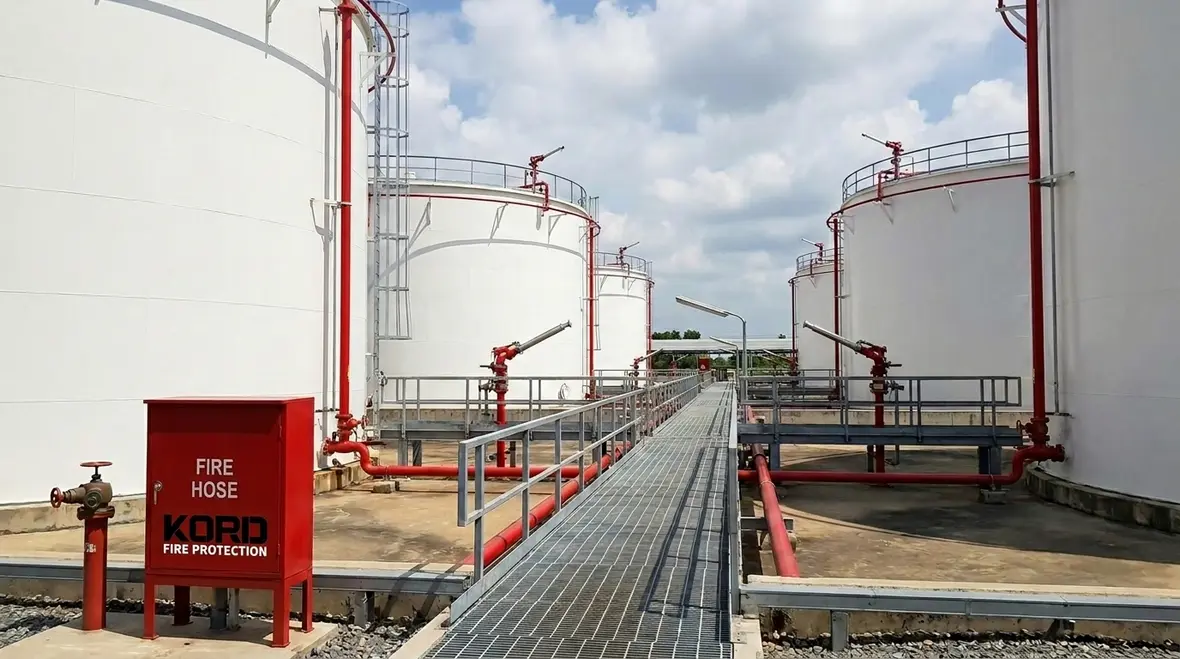
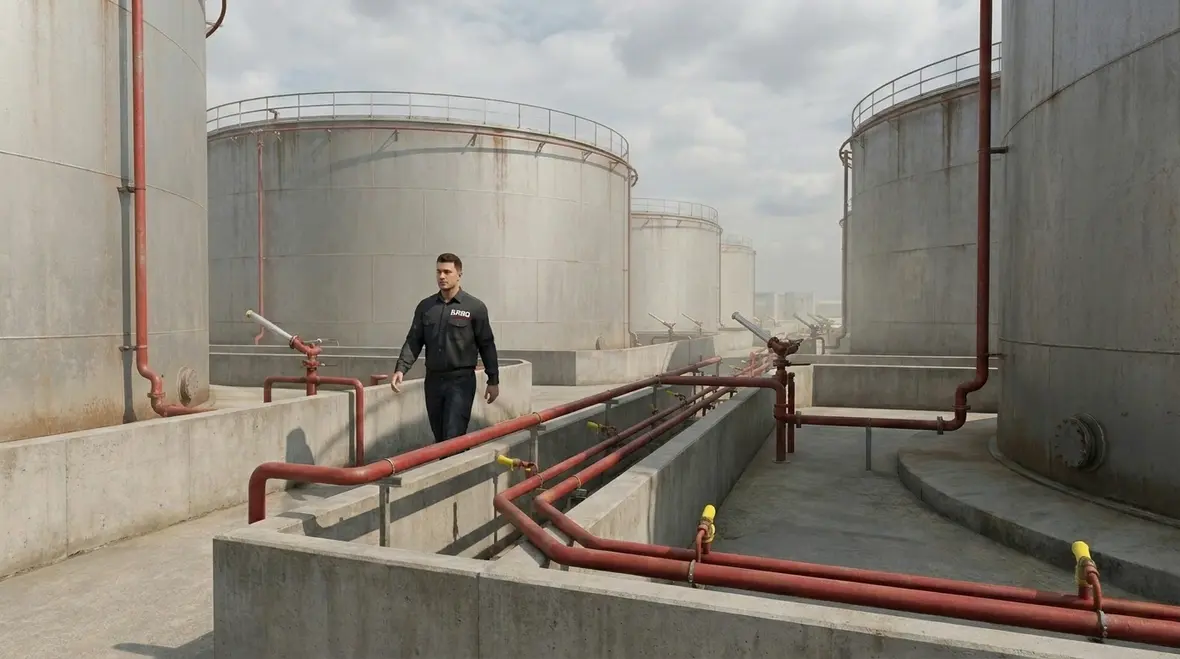
Facilities usually focus foam protection on the “high consequence zones” where a fire is likely to start and where it can spread. Those zones often include tank farms, pump and manifold areas, loading and unloading racks, and secondary containment basins. Each location needs coverage that matches the likely fire size and the way foam will reach the hazard.
For tank tops and bunded areas, systems often rely on monitors, fixed nozzles, or application devices that can deliver foam over a wide surface area. For drainage and transfer regions, foam may integrate with containment design so runoff does not carry burning fuel into unexpected corners. Transitioning from one zone to another matters, so design teams consider wind effects, obstructions, and the placement of foam components so the system can still deliver when conditions change.
Coverage has to follow the hazard, not the floor plan
This is where some facilities get a little too confident. A pump island is not the same as a loading rack, and a loading rack is not the same as a containment basin after a windy afternoon and a bad transfer. Effective layouts account for how liquid can move, where ignition sources sit, and what parts of the site turn into problem amplifiers when things go sideways. Kord’s broader overview of fire suppression system types makes the same point in plain terms: fuel and chemical storage zones demand more than water alone.
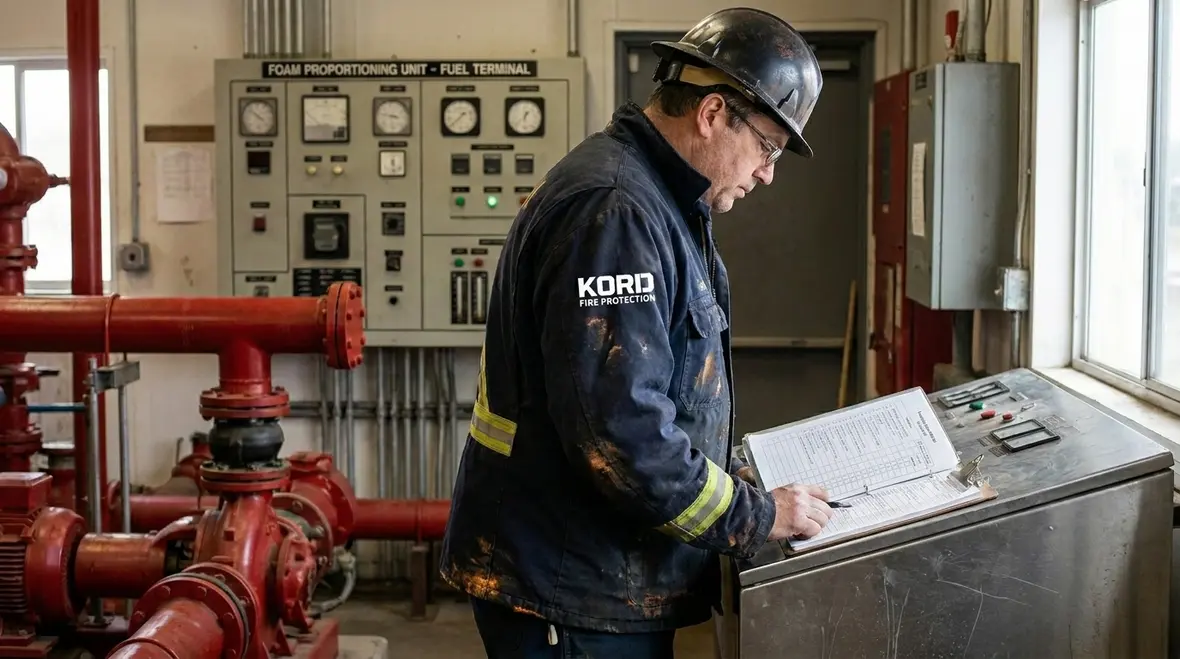
How system design should match tank size and fire scenarios
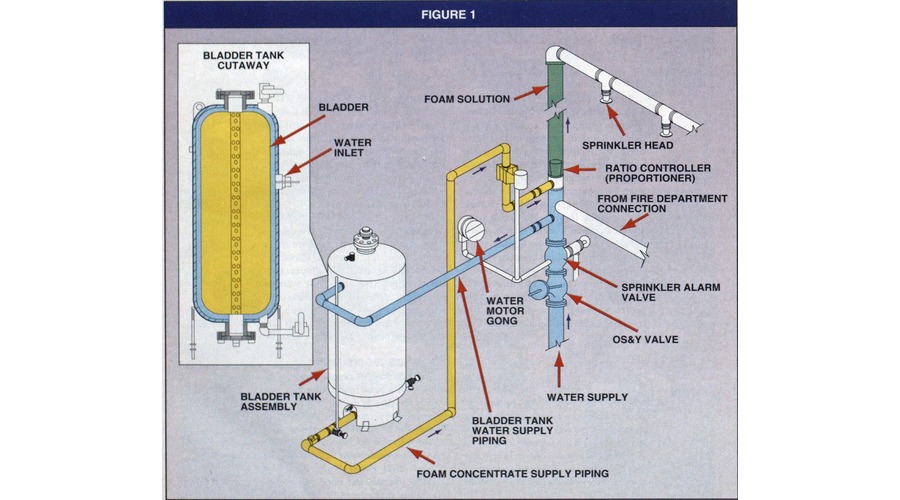
Strong fuel storage fire suppression programs start with scenario planning. Designers evaluate credible releases, likely fire growth, and how foam should be applied to stop the fire early. They then select foam concentrate type, water supply, concentrate proportioning, and discharge devices based on the expected demand.
Next comes hydraulics. Foam systems rely on flow rates, pressure ranges, and effective discharge patterns. If the water supply cannot sustain the needed flow, the system may spray, but it may not deliver the blanket the hazard demands. Additionally, foam systems need compatibility with the foam concentrate and the environment. Some fuels call for specific foam chemistries, and the wrong selection can reduce extinguishing performance. Kord’s industrial foam fire suppression systems article also points out that proportioning equipment, discharge devices, and detection all need to work as one coordinated package instead of acting like strangers sharing a hallway.
Finally, responders need clarity. The best design includes labels, access paths, and training that ties the system layout to real actions. Because when the alarm hits, no one wants a scavenger hunt for a valve. That is how you get the kind of delay that turns “contained” into “complicated,” and nobody likes complicated.
Foam selection is not a guessing game
Facilities also need to think ahead about environmental and compliance concerns tied to concentrate choice. Kord’s piece on eco friendly fire suppression foam without PFAS explains why many owners are reevaluating older foam agents and moving toward options that support both protection goals and long term site responsibility. Good suppression planning does not stop at extinguishment. It also asks what the system leaves behind.
Testing, inspection, and maintenance that do not get skipped
Fire protection systems should age like fine equipment, not like an expired coupon. Foam systems require periodic inspection to verify valves, piping, proportioners, and discharge devices stay in working condition. In many facilities, the weak link is not the hardware. It is deferred maintenance and the slow drift away from the original test baseline.
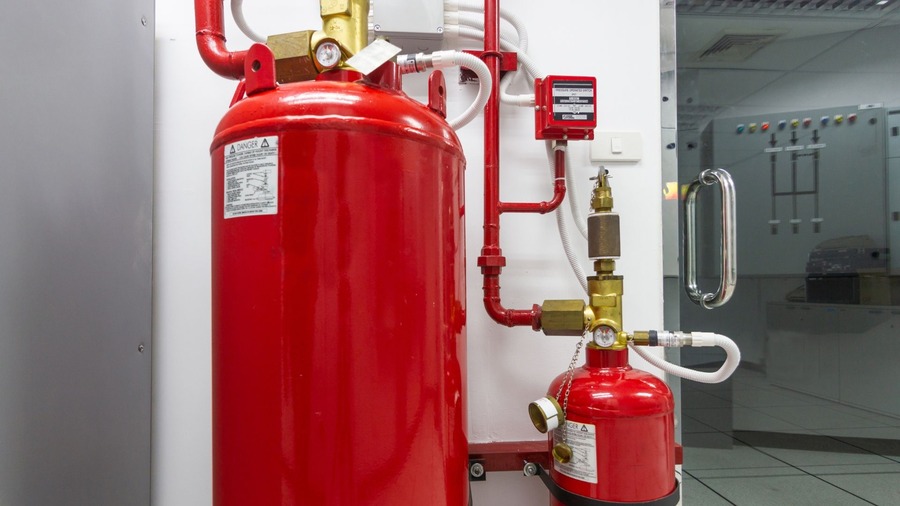
Good programs follow a schedule that checks system readiness and confirms foam quality where required. Teams may inspect foam concentrate tanks, verify proportioning performance, and test that discharge patterns match design intent. Where local codes require it, periodic flow testing and functional checks help ensure the system can deliver the right foam solution at the right pressure.
Just as important, maintenance plans should include documentation. That way, operators can trace what was tested, when it was done, and what was corrected. In a real incident, that history supports faster decision making, because everyone can rely on facts rather than assumptions. Kord’s article on fire suppression system integration is a useful reminder that suppression equipment still depends on coordinated controls, alerts, and site readiness to perform when it counts.
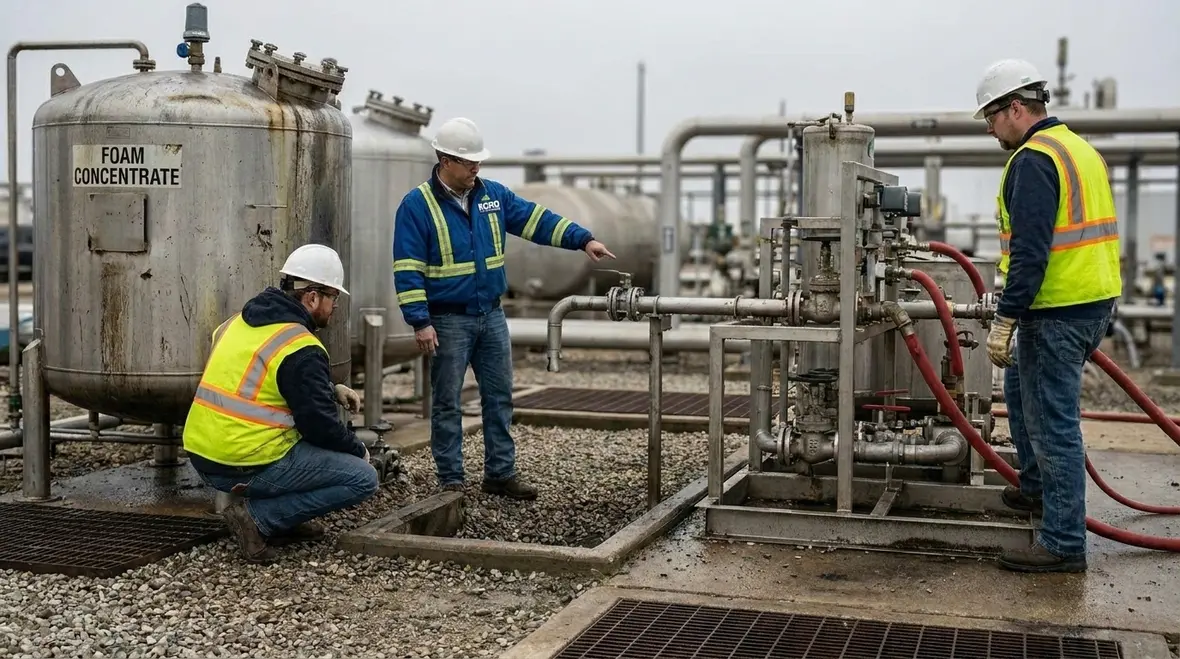
Kord Fire Protection as the dependable partner on the job
Foam fire suppression for fuel storage areas involves many moving pieces, from design to training to ongoing maintenance. That is where kord fire protection can become a vital partner. A strong partner does not simply “sell and leave.” Instead, they align with site teams, clarify responsibilities, and help facilities build a program that stays operational over time.
For example, when Kord Fire Protection supports a facility, it can help coordinate system requirements with site conditions, assist with documentation needs, and support maintenance planning so the system stays aligned with the original intent. Moreover, it can support training so responders understand how foam application works, where it will discharge, and how to ensure the system reaches the hazard quickly.
In short, Kord Fire Protection helps keep the project from becoming a static binder on a shelf. Because fire protection does not care about paperwork. It cares about performance. If you need a broader look at support options across inspections, repairs, alarms, extinguishers, and suppression work, Kord’s full fire protection services page shows how the company positions foam systems within a larger life safety program.
Common pitfalls that create coverage gaps
Even well designed systems can underperform if the facility introduces changes after installation. One common pitfall is physical alteration: barriers added, piping rerouted, new equipment placed, or containment geometry modified. These changes can redirect foam coverage, reduce reach, or block discharge patterns.
Another pitfall is supply problems. If water supply capacity changes due to new demands or aging infrastructure, foam application may fall short. Also, proportioning equipment that drifts out of spec can alter foam strength, which can reduce extinguishing performance.
There is also the human factor. Facilities sometimes train once and then stop. Yet systems evolve, shifts change, and procedures drift. When staff cannot confidently operate valves or confirm system readiness, response time suffers. That is the moment when even the best fuel storage fire suppression system can get undermined.
To avoid these failures, facilities should treat foam systems like critical process equipment. Inspect, update, and retrain as the site changes, not only when insurance asks. It is less glamorous than emergency heroics, but also far more effective, which is rude to the movie industry but helpful to everyone else.
FAQ about foam fire suppression for fuel storage
Request a foam fire suppression plan with Kord
Foam fire suppression for fuel storage areas should deliver reliable coverage every time, not just when the system is new. When a facility partners with Kord Fire Protection, it gains support for design alignment, inspection readiness, and ongoing maintenance that keeps performance consistent. If the goal is safer operations and fewer surprises during an emergency, the next step is simple.
Contact Kord Fire Protection to discuss your tank farm, containment layout, and system needs, and build a program that stays ready. For a direct look at Kord’s service offering, visit the foam fire suppression systems page, or explore full fire protection services if your site needs broader support across multiple systems.

Final thought
Fuel storage hazards do not reward guesswork. They reward systems that are matched to the hazard, maintained on schedule, and supported by people who know exactly how the pieces fit together. That is the difference between a paper program and a working one.
Next step
If your facility stores flammable liquids, now is a good time to review whether your foam strategy still matches your tanks, transfer points, containment areas, and operational changes. The risk never clocks out, so the protection should not either.

Join Our Newsletter!
Get the latest fire safety tips delivered straight to your inbox From our Newsletter.