
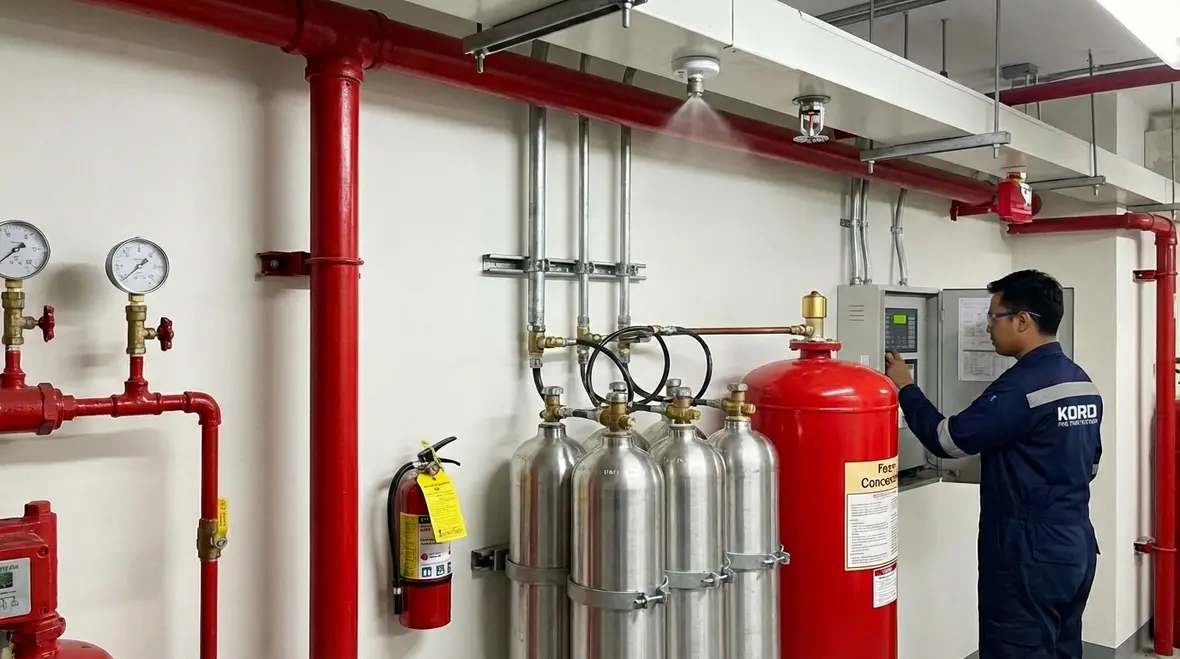
Fire Suppression System Types Explained
Fire does not send a calendar invite. It does not knock politely. It shows up loud, fast, and hungry. That is why understanding fire suppression system types matters long before smoke fills the air. From clean agent systems that leave no trace, to water mist that cools with precision, to foam that blankets fuel, to CO₂ that suffocates flames, and dry chemical that interrupts combustion, each solution plays a distinct role. According to Kord Fire Protection technicians, choosing the right method is less about guesswork and more about science, structure, and strategy. In the sections ahead, the differences become clear, the myths fall away, and the path to protection feels far less mysterious.
Understanding Fire Suppression System Types for Modern Buildings
Every building carries its own personality. A hospital breathes with sensitive equipment. A data center hums with servers. A commercial kitchen dances with grease and flame. Because of this, different fire suppression system types exist to match the risk.
While traditional sprinklers still serve a purpose, specialized systems respond faster and often cause less damage. Moreover, they target specific hazards. Electrical fires demand a different response than fuel based flames. Therefore, facility managers must weigh environment, occupancy, and asset value before making a decision.
Kord Fire Protection technicians often explain it this way. Fire needs heat, fuel, and oxygen. Remove one, and the triangle collapses. Each suppression method attacks a different side of that triangle. Consequently, selecting the right system means deciding which element to eliminate most effectively.
Although the concept sounds simple, application requires precision. Incorrect selection can damage equipment, endanger occupants, or fail inspections. So while it may be tempting to think all systems do the same thing with different price tags, that assumption could cost far more in the long run.
Clean Agent Systems Explained in Simple Terms
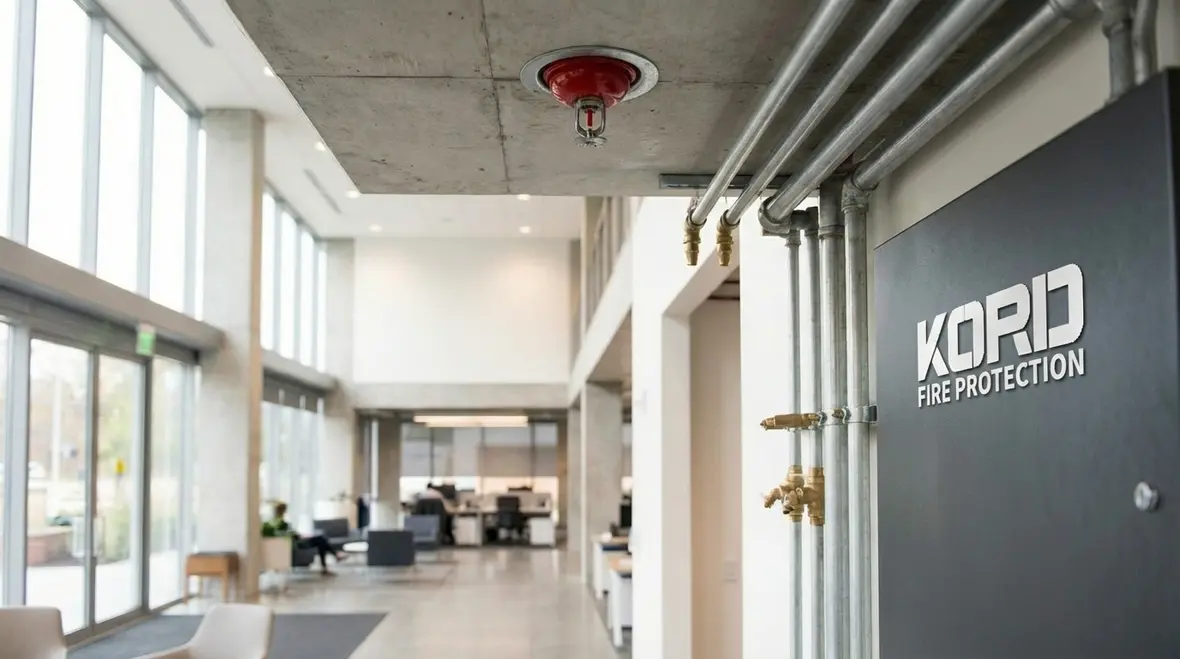
If clean agent systems had a personality, they would be the calm professional who solves problems quietly and leaves the room spotless. These systems release a gas that interrupts the chemical reaction of fire without soaking the space.
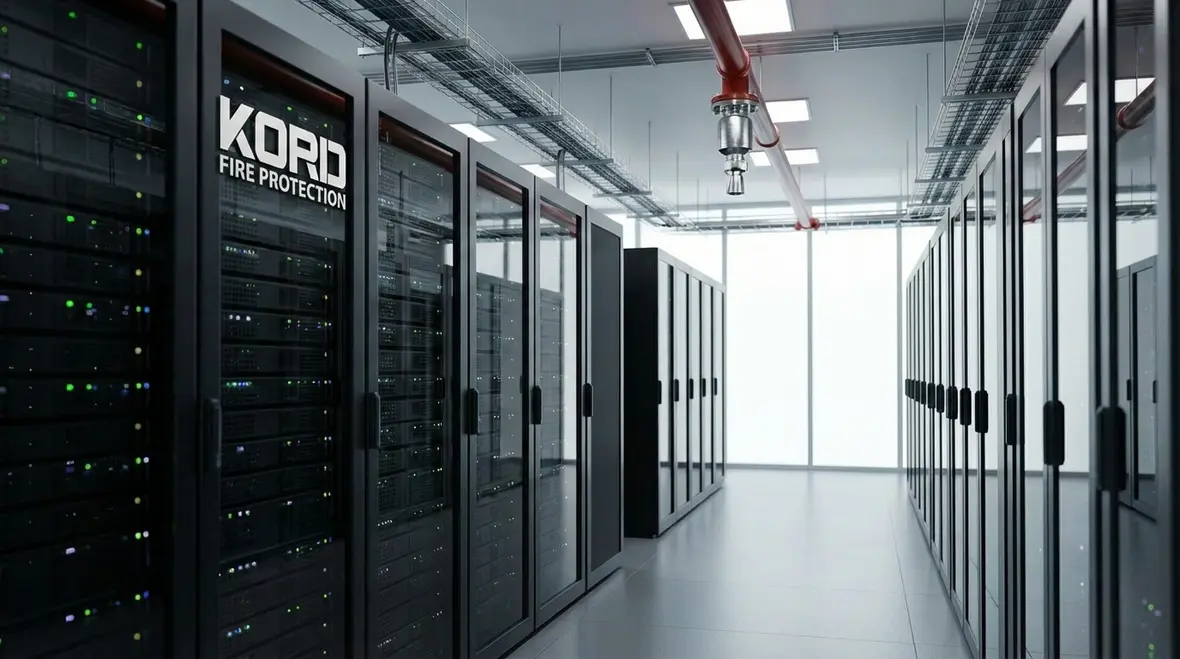
Because clean agents leave no residue, they protect sensitive electronics. Data centers, control rooms, museums, and medical facilities often rely on them. Additionally, they discharge quickly and require minimal cleanup, which reduces downtime.
Kord Fire Protection technicians emphasize concentration levels. The agent must reach the correct density to suppress flames while remaining safe for occupants. Therefore, room integrity testing becomes essential. If the enclosure leaks, the gas will not maintain proper levels. Many facilities pair clean agents with dedicated clean agent system designs to protect their highest value spaces.
There is also an environmental factor. Modern clean agents meet strict standards for ozone safety. As a result, they balance performance with sustainability. However, they demand careful design and sealed spaces, so open warehouses may not qualify.
In short, clean agent systems shine where assets matter more than water tolerance. They stop fires without turning the office into an indoor swimming pool. Nobody wants to explain that insurance claim.
Water Mist Systems and High Efficiency Cooling
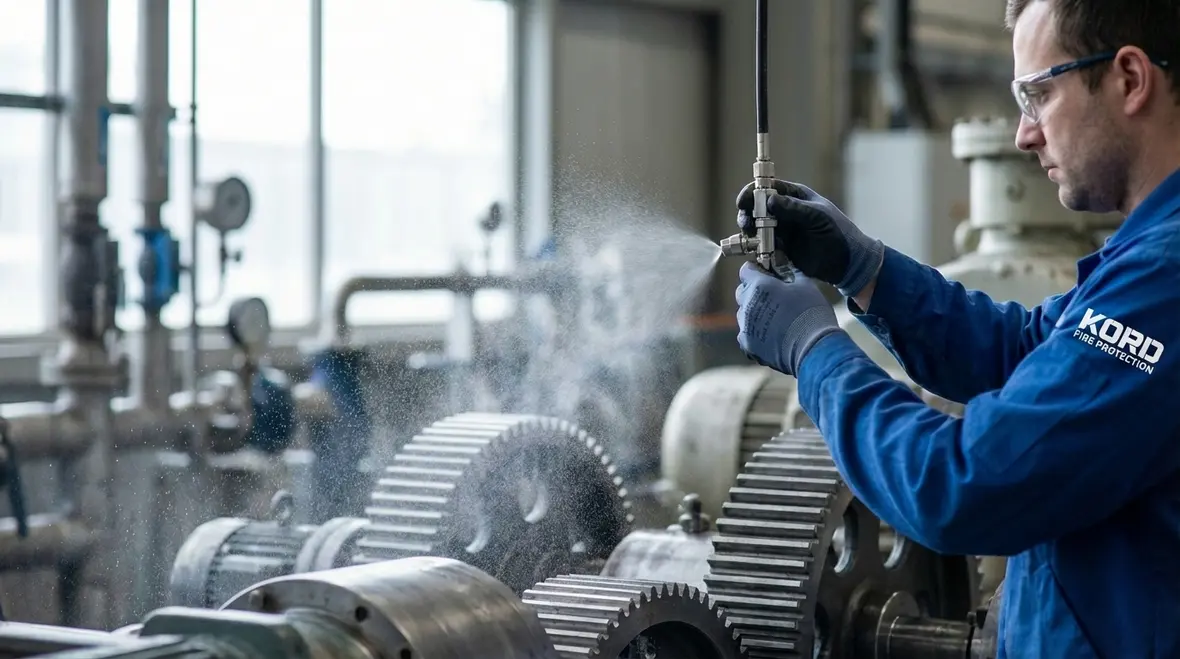
Water mist systems use very fine droplets to control fire. At first glance, water seems old school. However, the science behind mist technology feels anything but dated.
Because the droplets are so small, they absorb heat quickly and convert to steam. This rapid expansion displaces oxygen near the flame. As a result, the system cools and suppresses at the same time. Additionally, it uses far less water than traditional sprinklers.
Kord Fire Protection technicians often recommend water mist for areas where water damage must remain limited but a natural agent is preferred. Marine vessels, heritage buildings, and industrial machinery rooms benefit from this balance. In many California facilities, full-service fire protection teams integrate water mist with other suppression strategies for layered safety.
Furthermore, water mist reduces thermal shock. Large volumes of cold water can crack materials when exposed to extreme heat. Mist, on the other hand, lowers temperature gradually yet effectively.
Although it sounds gentle, make no mistake. When engineered correctly, it controls serious fires. Think of it as precision rainfall delivered exactly where needed, not a chaotic thunderstorm.
Foam Fire Suppression for Fuel Based Risks
Foam systems tackle one of the most dangerous fire types: flammable liquids. Gasoline, oil, and chemical storage facilities demand more than water alone. Water can spread certain fuels, which only makes matters worse.
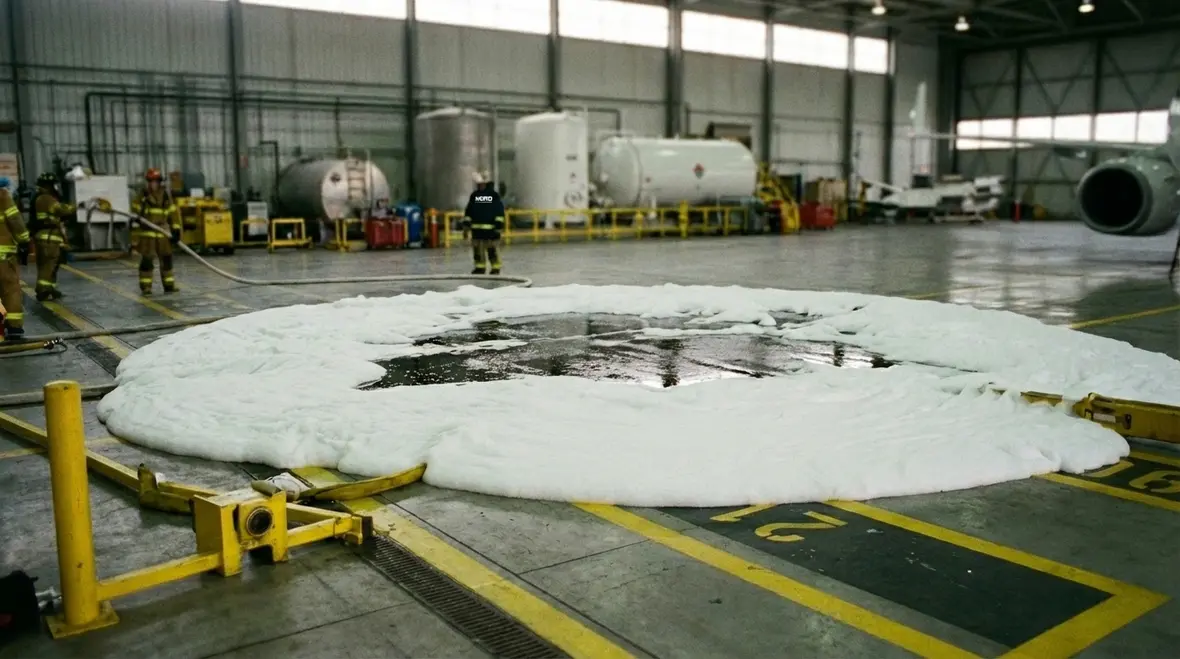
Foam forms a blanket over the surface of the liquid. Consequently, it blocks oxygen and prevents vapors from rising. Without vapor, ignition cannot continue. This method proves especially valuable in aviation hangars, refineries, and fuel depots.
Kord Fire Protection technicians explain foam concentration like a recipe. Too little concentrate weakens the blanket. Too much wastes resources and affects discharge time. Therefore, proportioning equipment must perform with accuracy.
There are also different foam types designed for specific fuels. Some handle hydrocarbons. Others manage polar solvents. Because chemical compatibility matters, expert guidance becomes essential.
While foam may look like a bubble bath gone wild, its mission is serious. It isolates fuel, prevents reignition, and protects high hazard environments where seconds matter most.
CO₂ and Dry Chemical Systems in High Hazard Environments
Carbon dioxide systems suppress fire by removing oxygen. Once discharged, CO₂ reduces oxygen levels around the flame, which stops combustion. This method works well in enclosed industrial spaces with machinery.
However, safety procedures are critical. Because CO₂ lowers breathable oxygen, evacuation protocols must activate before discharge. For that reason, alarms and delay timers integrate into system design.
Dry chemical systems operate differently. They release a powder that interrupts the chemical chain reaction of fire. Consequently, they extinguish flames rapidly. Commercial kitchens, paint booths, and mechanical rooms often use this approach.
Unlike clean agents, dry chemical leaves residue. Cleanup follows discharge. Yet its speed and effectiveness make it ideal for localized hazards. Kord Fire Protection technicians stress regular maintenance, since compacted powder can impair performance.
In environments with intense risk, both CO₂ and dry chemical provide powerful defense. They may not be glamorous, but they are dependable. And in fire protection, dependable always wins.
Side by Side Comparison of Popular Suppression Methods
To simplify the differences, the following overview highlights how major systems compare in application and benefit.
System Type
Clean Agent
Water Mist
Foam
CO₂
Dry Chemical
Best For
Data centers, medical labs, archives
Marine, machinery spaces, heritage sites
Fuel storage, hangars, refineries
Industrial enclosures, turbines
Kitchens, paint booths, mechanical rooms
While each option serves a unique role, the choice depends on risk profile, occupancy, and asset sensitivity. Therefore, consultation with trained professionals ensures alignment between hazard and solution.
How to Choose the Right System for Your Facility
Selecting among fire suppression system types requires more than browsing a brochure. First, stakeholders must evaluate fire load. What materials exist onsite? How quickly could they ignite?
Next, consider business continuity. For example, would water damage shut down operations longer than the fire itself? If so, a clean agent or mist system may provide better value.
Building design also matters. High ceilings, ventilation rates, and room sealing affect system performance. Additionally, local codes and insurance requirements influence selection.
Kord Fire Protection technicians typically conduct site assessments before recommending a system. They analyze layout, airflow, occupancy, and equipment. As a result, their recommendations reflect real world conditions rather than theory. Many property managers across California rely on regional teams, from Commerce fire protection services to Temecula fire safety services, to guide those decisions.
Budget enters the conversation as well. Although upfront cost matters, lifecycle cost tells the full story. Maintenance, refills, testing, and potential cleanup expenses all add up. Therefore, decision makers should think long term.
Maintenance and Compliance Keep Systems Ready
Installation marks the beginning, not the end. Fire suppression equipment demands routine inspection and testing. Otherwise, valves corrode, cylinders lose pressure, and components degrade.
Regular maintenance ensures compliance with safety codes. Moreover, it confirms the system will function when needed. Kord Fire Protection technicians perform inspections that include pressure checks, nozzle verification, alarm testing, and control panel review.
Documentation plays a key role. Inspectors and insurance providers often require detailed records. Consequently, organized reporting protects building owners from liability.
Although maintenance may feel routine, it carries serious weight. A system that fails during an emergency offers no second chances. Therefore, proactive service protects both people and property.
Frequently Asked Questions
Protect What Matters Most
Fire does not wait, and neither should preparation. The right suppression strategy protects lives, preserves assets, and keeps businesses running. Kord Fire Protection technicians stand ready to assess risks, design tailored solutions, and maintain systems with precision.
Whether the need calls for clean agent, foam, mist, CO₂, or dry chemical, expert guidance makes the difference. Their teams coordinate suppression with sprinklers, alarms, pumps, and extinguishers so every layer of protection works together instead of in isolation.
If you are unsure which fire suppression system type fits your facility, schedule a site assessment with Kord Fire Protection. From full-service fire protection programs to localized fire suppression system services, their technicians can translate risk into clear, code-compliant solutions.
Connect with Kord Fire Protection today and turn uncertainty into confidence before the first spark ever appears.
Know Your Weapon Before You Fight the Flame
Kord Fire Protection is your go-to when it comes to all things fire protection. For over 20 years, we’ve been serving Southern California with the quality service and equipment to keep your home or business safe at all times. Our competitive prices reflect our unwavering commitment to protecting what matters most in the event of a fire emergency. Give us a call, send an email, or use that form!

Join Our Newsletter!
Get the latest fire safety tips delivered straight to your inbox From our Newsletter.


