Warehouse Foam Fire Suppression for Flammable Liquid Safety
In the real world of logistics, warehouse foam fire suppression often acts like an invisible safety team that shows up before trouble turns into a disaster. This system is designed to help control flammable liquid fires by applying foam that smothers flames and cools the surface. As a result, it can protect racking, inventory, and critical work areas where smoke and heat spread fast. And yes, nobody wants a warehouse event that looks like a movie set with sprinklers that do nothing but make everything wetter. With the right planning, the right foam, and proper installation, this service becomes a practical shield for daily operations.
What warehouse foam fire suppression protects in large facilities
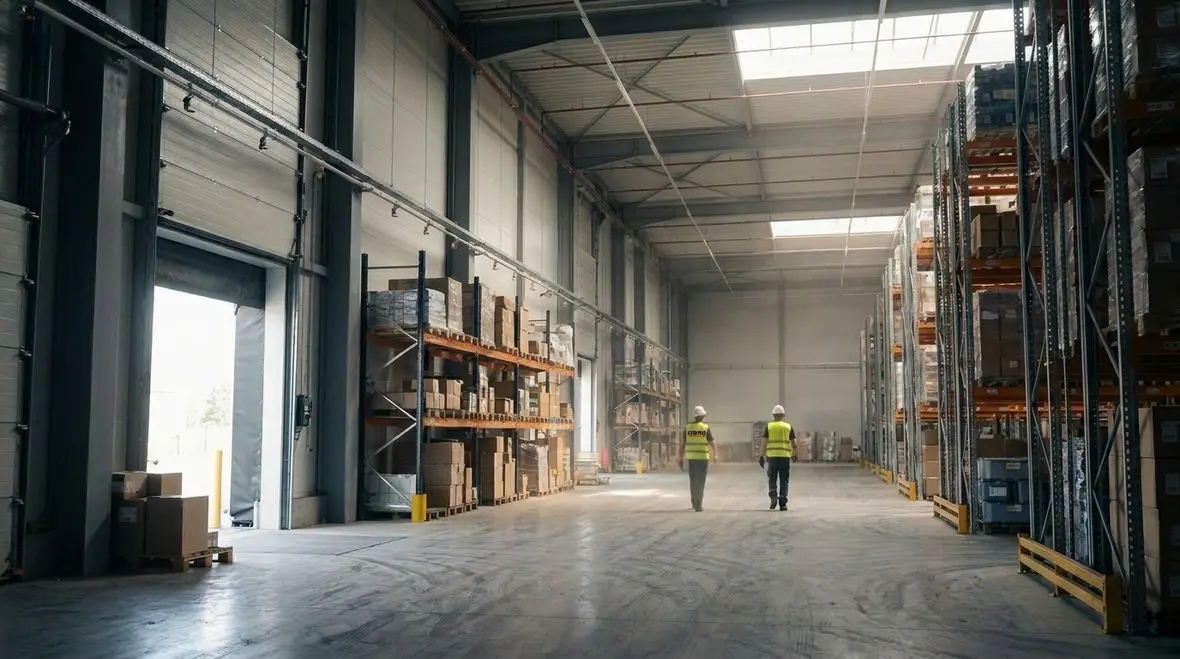
Warehouses rarely burn like tidy textbook diagrams. Instead, they face complex hazards: pallet stacks, mixed storage, loading docks, and sometimes flammable liquids such as solvents, fuels, lubricants, or cleaning chemicals. Therefore, the goal of a foam system is to stop fire growth at the source where possible. Then, as the fire gets controlled, the incident stays smaller and safer for crews.
Foam fire protection also supports protection of surrounding areas. Even when flames start in one zone, heat and sparks can travel. Meanwhile, a well designed foam setup helps reduce vapor release, which matters because vapors can feed a fire even after visible flames seem to calm down. Kord Fire Protection also highlights that foam systems are ideal in high risk environments where water alone may be ineffective or may create more trouble than help, especially around flammable liquids. ([kordfire.com](https://kordfire.com/fire-suppression/?utm_source=openai))
- It helps smother burning liquids by forming a foam blanket
- It cools the surface to slow re ignition
- It reduces vapor and prevents flare ups
- It can protect spill prone areas like mixing or packaging zones
In short, the system does not just fight fire. It helps manage how the fire behaves, which is what operators actually need. In warehouses that handle flammable liquids, that difference can be the line between a contained event and a very bad day with forklifts, smoke, and inventory all losing the argument at once. Kord’s foam protection guidance explains that the blanket effect, cooling action, and vapor suppression all work together to keep the fire out, not just knock it down for a moment. ([kordfire.com](https://kordfire.com/foam-fire-protection-system-concentrate-guide/?utm_source=openai))
Where these systems matter most inside a warehouse
The highest concern areas are often loading docks, chemical storage rooms, drum handling zones, packaging areas, and transfer points where spills are more likely. If your operation also includes broader warehouse protection strategy, Kord’s warehouse fire suppression content shows how storage height, commodity mix, and system response all shape what real protection should look like in busy facilities. ([kordfire.com](https://kordfire.com/city-of-industry-warehouse-fire-suppression/?utm_source=openai))
How foam systems work when liquids start burning
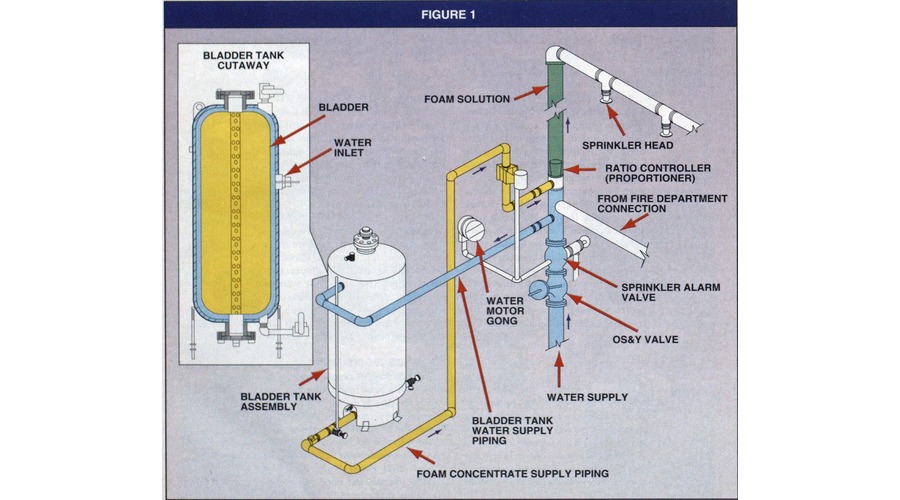
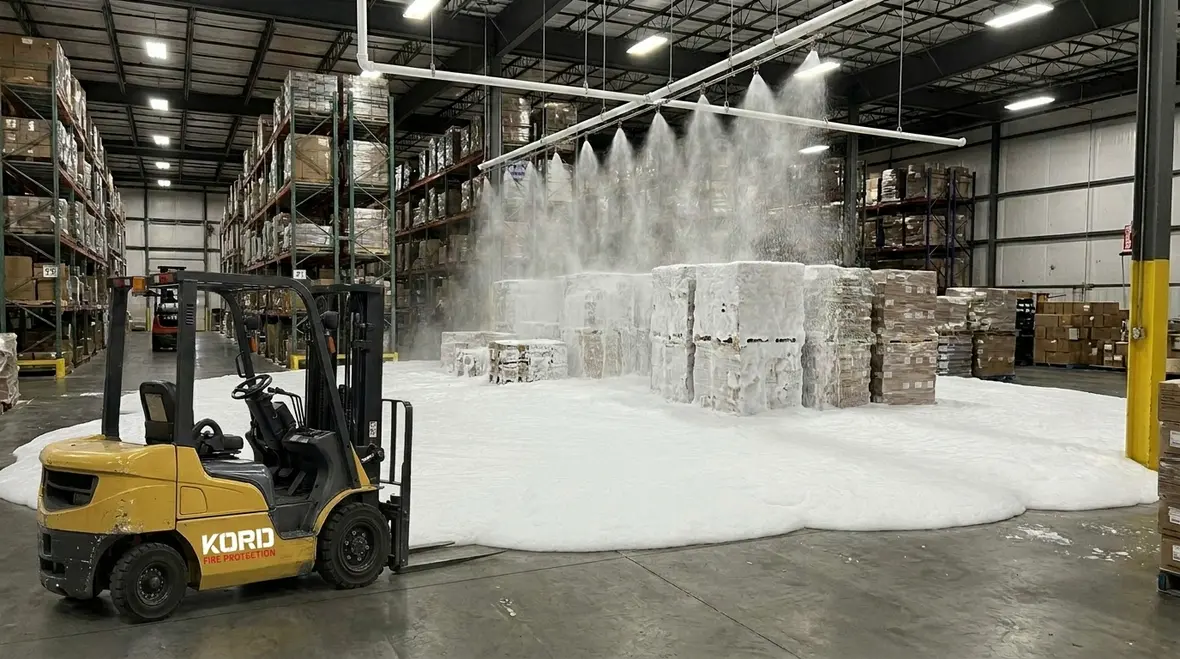
Foam works by doing three things at once: it spreads, it blankets, and it suppresses. First, foam concentrates get mixed with water and air. Then, the system delivers the foam to the hazard area with the right flow pattern. After that, the foam creates a layer on the fuel surface. Because the foam blocks oxygen, the fire starves.
At the same time, foam cools and stabilizes. So, even if the surface temperature drops, the fire does not bounce back like a bad sequel. Many warehouse sites also need to consider foam type and discharge design based on the liquids stored. For example, some fuels and chemical groups behave differently, and foam choices must match that reality. Kord’s concentrate guide explains that matching the chemistry to the hazard and application method is essential, while its flammable liquid foam article notes that these systems are built specifically to control Class B fire risks. ([kordfire.com](https://kordfire.com/foam-fire-protection-system-concentrate-guide/?utm_source=openai))
- Protein based foams can work well for certain hydrocarbon fires
- Film forming foam can create a thin film for specific liquid types
- Arctic style or enhanced foams may matter in cold storage environments
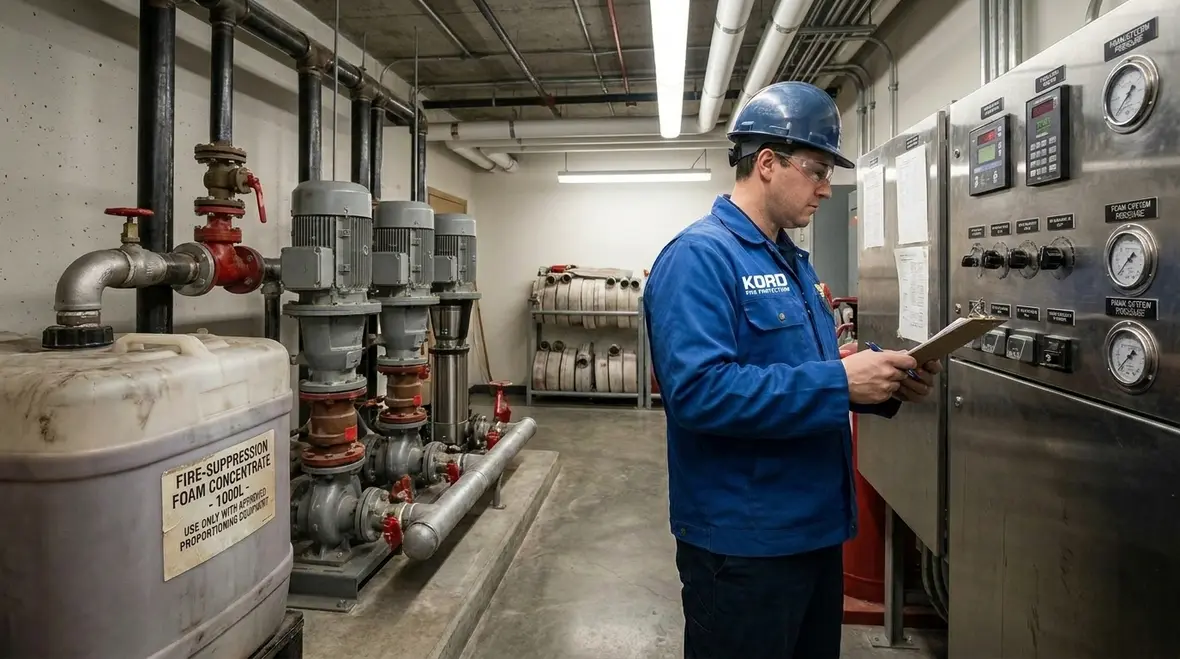
When installation and maintenance are handled correctly, the system performs as expected during stress, not just during a calm inspection. That is the whole point. Nobody cares how pretty the paperwork looked if the discharge pattern shows up late to the emergency. Kord’s fire suppression services page states that the company installs and maintains foam suppression systems in commercial and industrial locations, including semi annual inspection requirements for suppression systems. ([kordfire.com](https://kordfire.com/fire-suppression/?utm_source=openai))
Choosing a foam approach that fits the actual hazard
This is where practical design beats guesswork. A warehouse storing fuels, solvents, or chemical products needs a foam strategy that reflects the liquid, the storage arrangement, the likely spill footprint, and how quickly the system must apply foam. Kord’s foam fire suppression resources repeatedly make the same point in plain language: the wrong combination is not a technical footnote, it is a problem waiting for an audience. ([kordfire.com](https://kordfire.com/foam-fire-protection-system-concentrate-guide/?utm_source=openai))
Design and installation steps that keep operations running
Design starts with the layout. As warehouses grow, hazards shift with new racking, new storage zones, and new process equipment. Therefore, design teams need a site walk and a real hazard list. Then, they map where foam should reach fast, where it must not spread into safe areas, and how to avoid damage to sensitive equipment.
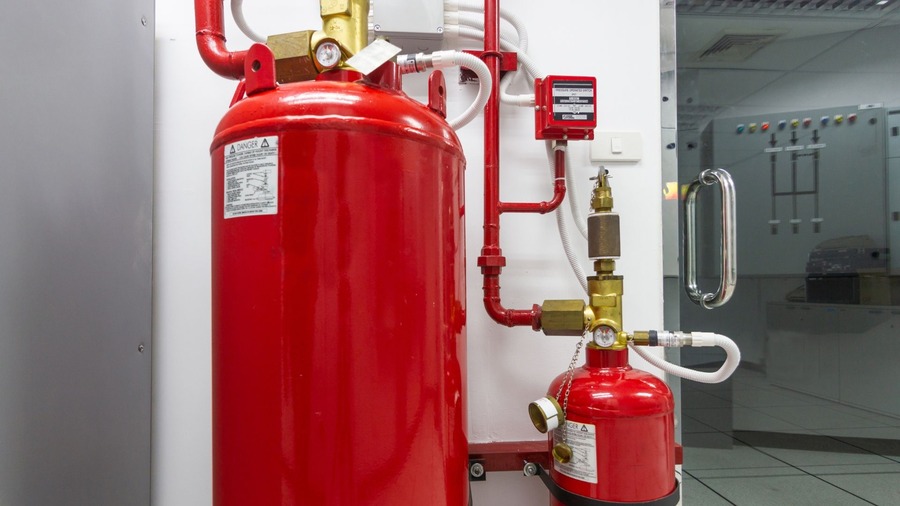
Next, professionals size the system based on hazard classification, area coverage needs, and discharge rates. Then they select components such as foam proportioning equipment, nozzles, piping, and controls. Importantly, they build the plan around the building’s operational rhythm. No one wants a week of downtime that feels like a surprise holiday that nobody asked for.
- Site survey to confirm fuel types, storage methods, and spill risk
- Hydraulic calculations to size piping and discharge
- Control strategy for safe activation and quick response
- System testing and verification after installation
Finally, training matters. When facility leaders and safety staff understand how activation works, they respond faster and with less panic. And panic, unlike foam, spreads everywhere. Kord’s warehouse and suppression content emphasizes that trained technicians walk facilities, explain the valves, pipes, controls, and system behavior, and help translate code driven design into something operators can actually use. ([kordfire.com](https://kordfire.com/city-of-industry-warehouse-fire-suppression/?utm_source=openai))
Why layout changes should trigger a review
Warehouse operations never stay frozen in time. New partitions, revised traffic patterns, denser storage, different products, or added process equipment can all affect discharge effectiveness. Kord’s warehouse fire planning material points out that changing storage layouts and hazards means protection strategy has to keep up with how the facility actually runs, not how it looked on opening day. ([kordfire.com](https://kordfire.com/commercial-fire-prevention-planning-for-industrial-warehouses/?utm_source=openai))
Why maintenance, testing, and documentation decide real world success
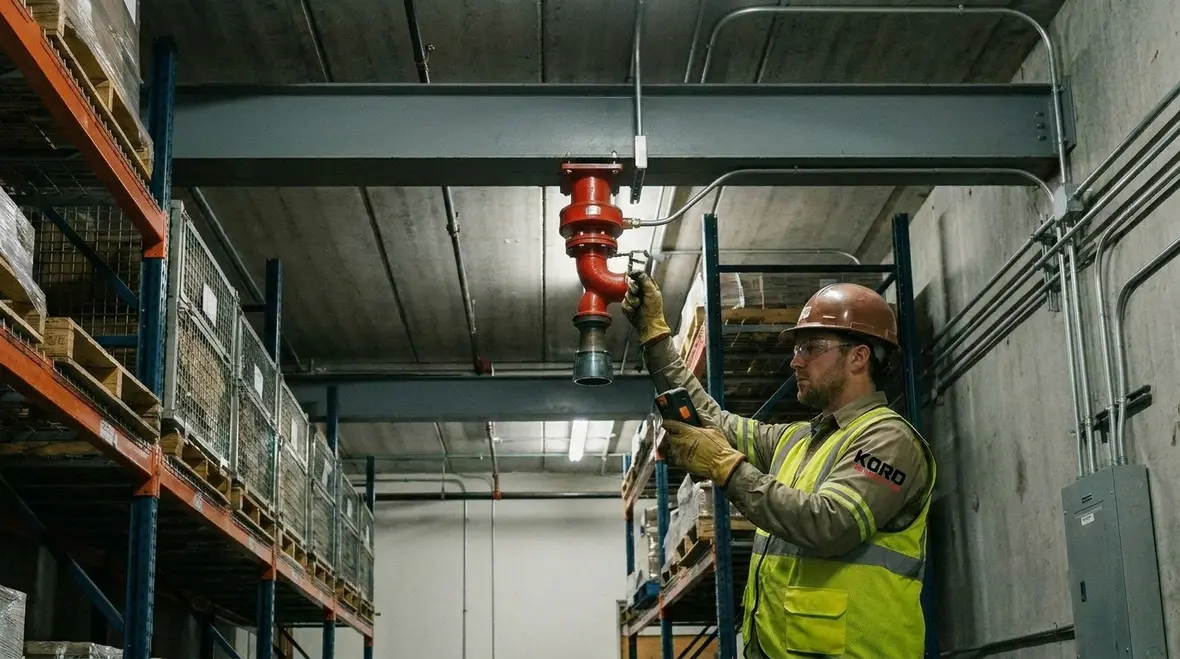
A foam system is only as good as its readiness. Over time, valves can stick, piping can shift, and foam concentrates can degrade if stored incorrectly. So, facilities should treat inspection like a routine health check, not like a yearly chore that gets postponed until it becomes a crisis.
Regular testing also supports compliance and helps crews trust the equipment. When documentation is clear, incident response becomes simpler because people know what was installed, what was tested, and what changed. Moreover, proper maintenance reduces the risk of system failure during a real event. That is not just good practice. It is cost control.
To keep a system reliable, facilities typically follow schedules for inspections, flow checks, and foam concentrate quality management. In addition, professionals should verify alarms, controls, and discharge patterns so the foam goes where it should. Kord’s suppression services page says suppression systems are required to be tested and inspected on a semi annual basis, and its warehouse guidance stresses that routine testing is critical in industrial facilities because system components and water supply performance have to work together when activation occurs. ([kordfire.com](https://kordfire.com/fire-suppression/?utm_source=openai))
Documentation is not glamorous, but it saves time when seconds matter
Clear records help teams confirm what concentrate is in use, when it was tested, what valves were serviced, and whether anything in the protected area changed. During a stressful event or a post incident review, that information can save real time. Paperwork may not look heroic, but neither does a fire pump test until you need the result to be correct.
How Kord Fire Protection becomes a vital partner
A strong fire protection project is not only about equipment. It is about coordination, accountability, and long term support. That is where Kord Fire Protection can become a vital partner with warehouse foam fire suppression projects. They bring the kind of experience that helps teams avoid the common mistakes that appear when people treat fire protection like a one time purchase.
For example, Kord Fire Protection helps align the system design with the warehouse’s real hazards, operational constraints, and the people who manage the site. Then, they support the commissioning process so the system performs as designed. After the install, they help manage maintenance planning and documentation so the facility stays ready.
In other words, they help the warehouse go from “installed” to “actually protected.” And in business, that difference matters. You do not want to find out on a Tuesday that your safety system was never fully prepared for a Wednesday emergency. Nobody schedules chaos on purpose. Kord’s fire suppression services page confirms it installs and maintains foam suppression systems in commercial and industrial locations, while its foam system guidance specifically directs facilities handling flammable liquids to its dedicated foam fire suppression systems service page for specialized support. ([kordfire.com](https://kordfire.com/fire-suppression/?utm_source=openai))
If you want to explore a closely related Kord resource while reviewing your protection strategy, their Foam Fire Protection System Concentrate Guide is a useful internal read for understanding how concentrate choice affects performance in flammable liquid hazards. ([kordfire.com](https://kordfire.com/foam-fire-protection-system-concentrate-guide/?utm_source=openai))
Common warehouse foam challenges and how teams handle them
Even well built facilities face challenges. The biggest ones often show up during expansion, reconfiguration, or changes in stored materials. For instance, if a warehouse adds a new product line that uses different flammables, the existing setup may need adjustments. Similarly, new partitions, mezzanines, or storage density can change how foam distributes. Therefore, change management becomes part of life, not a special event.
Another challenge comes from space and access. Some warehouses have tight corridors, live traffic flow, and equipment that complicates installation. Yet, teams can plan routes, staging, and work windows so the project stays safe and organized.
Then there is the human factor. Operators and safety managers want simple answers, not mystery diagrams. When professionals explain activation, coverage, and maintenance in plain terms, the system becomes easier to manage. Consequently, response time improves if a real incident occurs. Kord’s warehouse and planning articles both reinforce that real facilities have shifting layouts, mixed hazards, and fast moving operations, so fire protection has to be understandable as well as technically correct. ([kordfire.com](https://kordfire.com/city-of-industry-warehouse-fire-suppression/?utm_source=openai))
- Storage changes require reassessment of hazard classification
- Layout updates can affect foam coverage and reach
- Access constraints demand careful installation planning
- Training ensures crews know what to do fast
FAQ
Ready to protect your warehouse with a real plan?
When a warehouse faces flammable liquid risk, warehouse foam fire suppression can help keep incidents smaller, safer, and easier to control. However, success depends on smart design, clean installation, and steady maintenance. Kord Fire Protection can help you evaluate hazards, match foam type to your materials, and build a long term readiness plan your team can trust.
If your facility is expanding or your storage inventory is changing, now is the time to act. Reach out through Kord’s dedicated Foam Fire Suppression Systems service page, or review the broader Fire Suppression Services page to plan the right next step for your warehouse. ([kordfire.com](https://kordfire.com/foam-system-fire-protection-for-flammable-liquids/?utm_source=openai))

Join Our Newsletter!
Get the latest fire safety tips delivered straight to your inbox From our Newsletter.