Fire Suppression Impairment: Spot, Fix, Stay Compliant
Fire suppression system impairments can be the difference between a controlled event and a full on “oops, we needed a bigger bucket” situation. In the real world, owners do not always notice when a system drifts into trouble. However, a small fault can grow quietly, and then it shows up right when it matters. This article explains how fire suppression impairment happens, what it looks like, and what owners should do to keep protection reliable. It also highlights how Kord Fire Protection can become a vital partner, helping teams find issues early, document risks clearly, and stay ready for inspection day, which always seems to arrive like a surprise party nobody asked for.
What fire suppression impairment looks like on an inspection
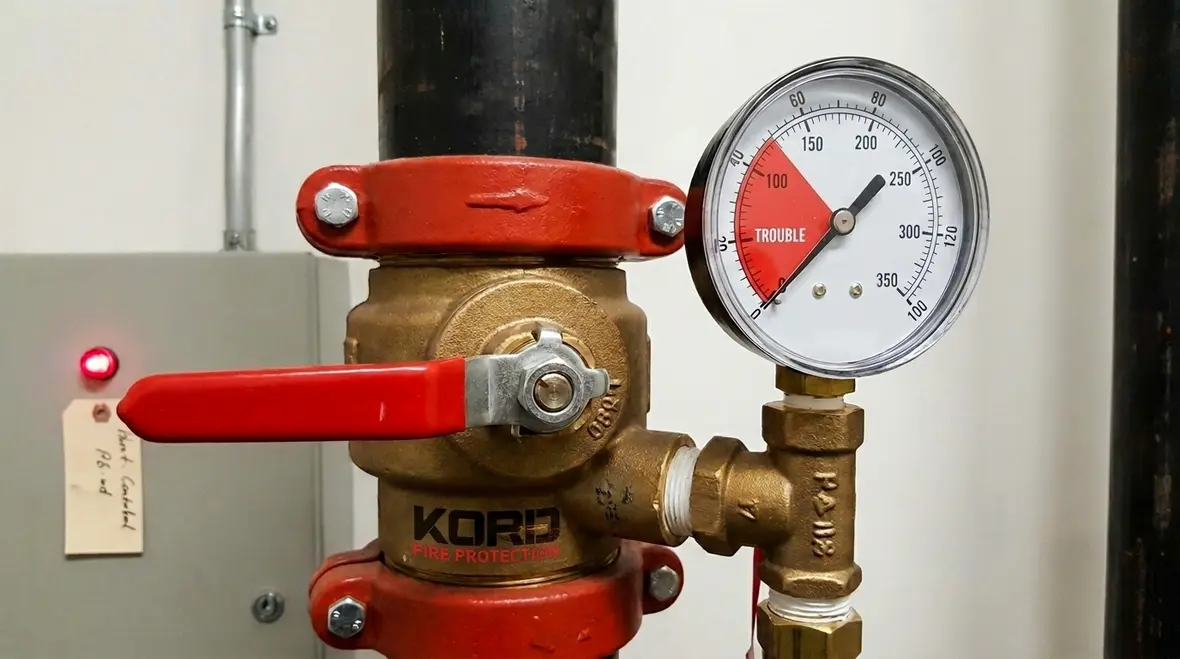
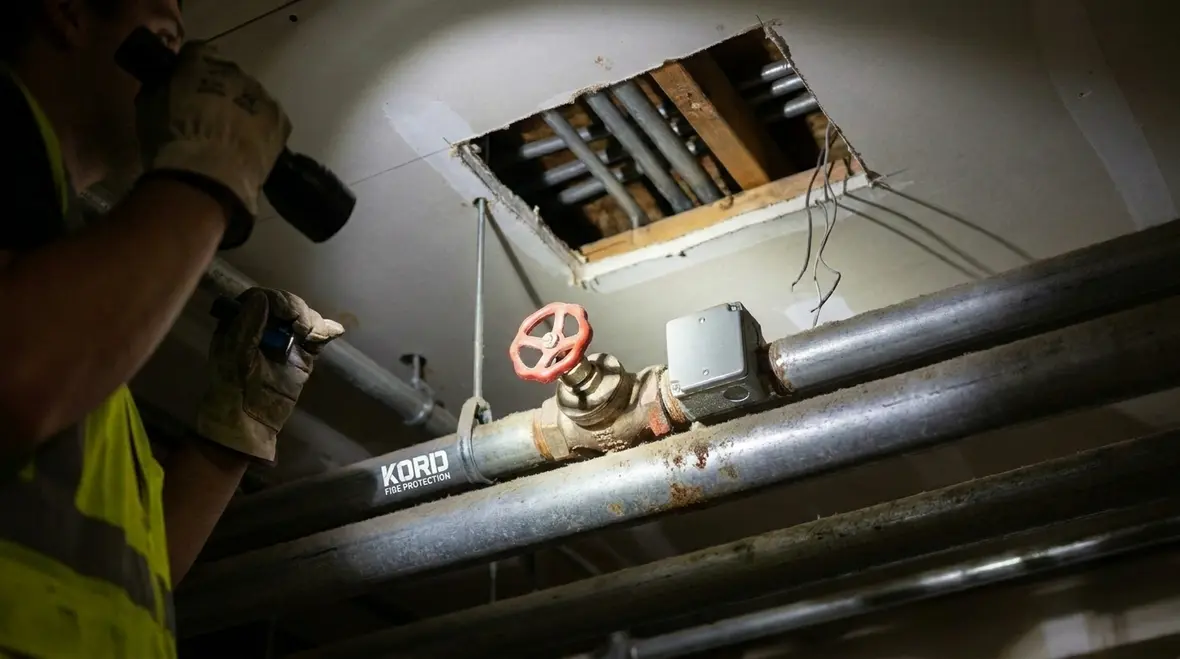
Owners often think impairments only happen after a dramatic shutdown or a visible failure. In practice, fire suppression impairment can be less dramatic and more sneaky. For example, trouble can show up as a valve found in the wrong position, a control panel stuck in a trouble state, or a pressure reading that does not match the expected range. Even a device that “sort of works” can still fail the system’s overall intent during an emergency.
Additionally, impairments can involve components that impact speed and reliability. If detection delays, release timing changes, or piping integrity is compromised, the system may not perform the way it should under fire conditions. Furthermore, impairments may be tied to missing documentation, incomplete testing, or outdated service records. And yes, paperwork issues count, because fire protection is not just engineering, it is also proof.
That is why inspection findings should never be brushed aside as “minor” just because the room looks calm and the panel still has lights on. A system can appear normal while carrying a hidden performance problem. Kord Fire Protection’s guide on fire suppression system impairments reinforces that capability matters more than appearances when the system is expected to respond under pressure.
Why “looks fine” is not the same as ready
A panel in trouble mode, a partially closed valve, or a component drifting out of range may not cause a dramatic scene during a walkthrough. Still, each one can chip away at system performance. That gap between appearance and readiness is where many owners get surprised. Unfortunately, fire systems are not graded on vibes.
Common causes owners miss before they become a problem
Most impairments come from normal operations. That is good news, because it means they can be prevented with routine oversight. For instance, construction work, tenant turnover, and equipment changes can alter airflow, block access, or interfere with detection devices. Meanwhile, maintenance gaps can leave small faults uncorrected, and those faults can snowball.
- Valve and control issues: Mispositioned valves, tamper switches, and control trouble signals can create suppression impairment.
- Pressure and supply problems: Low pressure, depleted cylinders, or compromised supply lines reduce performance.
- Agent release concerns: Cleanliness, blockage, and damaged nozzles can affect discharge quality.
- Physical damage and corrosion: Heat, vibration, and moisture can weaken piping and fittings.
- Change management failures: New ceiling heights, rerouted ductwork, or storage changes can hide defects.
Also, owners should not ignore “temporary” situations. A system that sits out of service longer than planned, or one that gets reactivated without full checks, can carry hidden risk. In other words, the system does not forget the last time it was disturbed.
The small changes that create big risks
Routine building activity creates many of the conditions that later become inspection findings. A remodel, a ceiling adjustment, a duct reroute, or a new storage layout may seem unrelated to suppression performance until one of those changes blocks access, alters detection, or compromises discharge coverage. Kord Fire Protection also covers this broader process in its fire protection impairment management guide, which is useful when owners need a practical framework for identifying, reporting, and closing issues.
Why system impairment affects life safety and compliance
When suppression equipment cannot operate as intended, it affects life safety first and compliance second, though both matter. During a fire, every second counts. If detection, release, or distribution does not work, occupants face a higher risk of injury and loss. At the same time, regulatory expectations require owners to address impaired conditions and document corrective action.
In addition, impaired status can impact how other systems behave. For example, if control logic, alarm interfaces, or supervisory signals fail, the building response may not match the emergency plan. Furthermore, an impairment record can influence how inspectors view the property overall. If issues repeat, it signals that maintenance processes need tightening, not just patching.
Owners should also consider operational downtime. If a system needs extended repair, business continuity suffers. Therefore, proactive management tends to cost less than reactive repairs after a problem spreads. If supervisory communication is part of the concern, Kord Fire Protection’s article on suppression supervisory signals helps explain why status visibility matters so much when trouble conditions start stacking up.
Compliance is not just a paperwork hobby
Documentation matters because it proves the building team recognized a risk, acted on it, and verified restoration. Without that trail, even a corrected issue can still look like an unresolved one. Nobody enjoys learning that the fix happened but the proof went on vacation.

How owners can spot trouble early and act fast
Owners do not need to become fire engineers. They do need a clear routine and a trusted partner who follows through. First, owners should review inspection reports and alarm history as a normal business task, not a once a year scavenger hunt. Next, they should verify that any noted impairment gets tracked to completion, including dates, test results, and final sign off.
Then, they should walk the property with maintenance leaders and ask targeted questions. Are there areas where access is blocked? Are there frequent construction zones? Do tenants change layout often? Even if nothing looks broken, environmental changes can still create weak points.
- Track impairments: Keep a log that includes cause, duration, corrective action, and proof of restoration.
- Demand clear test documentation: Use service reports that show results, not vague notes.
- Confirm supervisory signals: Ensure trouble events trigger the right internal response.
- Schedule timely maintenance: Align service with manufacturer needs and local requirements.
And yes, owners should ask for root cause, not just a patch. Fixing the symptom without addressing the cause invites repeat failures. It is like changing the batteries in a smoke alarm every time, while ignoring the chirping sensor that keeps dying. Eventually, the batteries will run out, and so will patience.
A simple field routine that catches more issues
A practical routine usually starts with three habits: read the latest inspection findings, compare them against open repairs, and physically verify that anything marked corrected is actually restored. That last step matters more than anyone wants to admit. A line item saying “resolved” is nice. A tested and documented return to normal is better.
Where Kord Fire Protection fits as a vital partner
A strong service partner helps owners close the gap between “we inspected” and “the system is truly ready.” Kord Fire Protection can support owners with disciplined inspection support, impairment identification, and corrective action coordination. Instead of treating each issue like a one off problem, this approach connects the dots across history, building changes, and system behavior.
As a result, owners get better visibility into suppression impairment trends and can plan repairs before they become urgent. Kord Fire Protection also helps teams understand what the reports mean in plain language, so leadership can make decisions quickly. That matters because fire protection should not require a decoder ring.
Additionally, a partner like Kord Fire Protection supports consistent documentation, which helps during compliance reviews and internal audits. When paperwork, service records, and field conditions align, owners reduce risk and avoid the frantic scramble that follows a “surprise” inspection.
Ultimately, owners want a partner who takes the system seriously, tracks impairments to closure, and makes sure restoration is verified. Kord Fire Protection aims to deliver that reliability with practical scheduling and follow through that keeps fire safety on track. For readers managing specialized systems, Kord’s article on clean agent fire suppression inspection requirements is another useful resource when inspection scope and documentation need to be matched to higher value protected spaces.
Building a practical impairment prevention plan
Prevention works best when it feels like operations, not like an extra chore. Owners can build a plan that blends routine checks with change management. For example, they can tie inspections to major projects and require system review when layouts shift, ceilings get modified, or new equipment is installed.
Next, owners should set internal triggers. If a system reports trouble, the response should not stop at a maintenance ticket. The team should confirm whether the system has moved into impairment status, determine risk level, and schedule repair with urgency. Then, they should verify that the system returns to normal operation through documented testing.
Finally, owners should train key staff. Maintenance teams, facility managers, and operations leaders should understand how to recognize impairment indicators and where to find service history. This creates a shared standard across the building. And when everyone speaks the same safety language, the chances of missed issues drop fast.
Turn prevention into a repeatable habit
The best prevention plan is the one people will actually use. Build it into maintenance reviews, project planning, vendor follow up, and closeout checks. If the process depends on one heroic memory and a lucky spreadsheet, it is not a system yet. It is a hope strategy.
FAQ
Ready to reduce risk and close impairments faster
Fire suppression system issues should not linger, and owners should not wait until something breaks in the loudest way possible. When suppression impairments get addressed early, life safety improves and compliance becomes easier. Kord Fire Protection can help owners spot trouble trends, manage corrective action, and confirm restoration with documentation that stands up to scrutiny.
If this is a priority, schedule a review with Kord Fire Protection and build a plan that keeps the system ready, not just “technically” ready. For teams that also need a related service resource, visit Kord Fire Protection’s fire pump testing requirements guide near the next phase of planning, or explore the company’s broader fire protection support through Kord Fire Protection services.

Join Our Newsletter!
Get the latest fire safety tips delivered straight to your inbox From our Newsletter.