Fire Suppression Impairment: How to Act Fast and Pass Inspections
Fire suppression impairment can quietly turn “protected” into “barely covered,” and owners often notice only after an incident, a test failure, or a surprise report from an inspector. In the world of life safety, that gap between “should work” and “will work” matters. As a result, owners who manage kitchens, warehouses, garages, or high hazard spaces should treat impairment findings with urgency and a calm, methodical plan.
Meanwhile, Kord Fire Protection can play a vital partner role on these projects. They help owners move from reactive patchwork to a clear, documented path that keeps systems reliable and inspections smoother. Think of it like having a steady co-pilot when the plane hits turbulence. Nobody asked for turbulence, but at least they are ready.
Fire suppression impairment: what it means in real terms
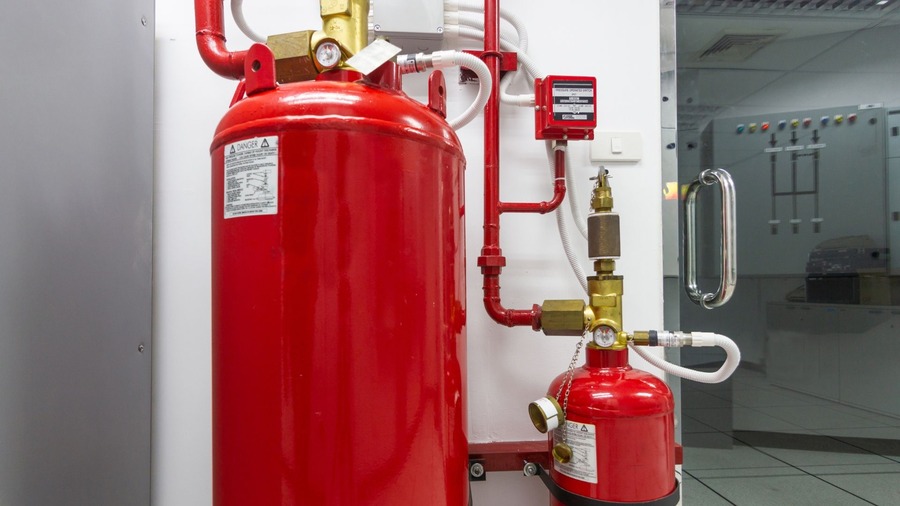
Fire suppression impairment refers to any condition that prevents a suppression system from performing as intended. Sometimes the issue comes from damaged components. Other times it comes from changes to the building, improper repairs, or missing service records. In short, the system might still look intact, but it may not discharge, not detect fast enough, or not flow the right amount of agent.
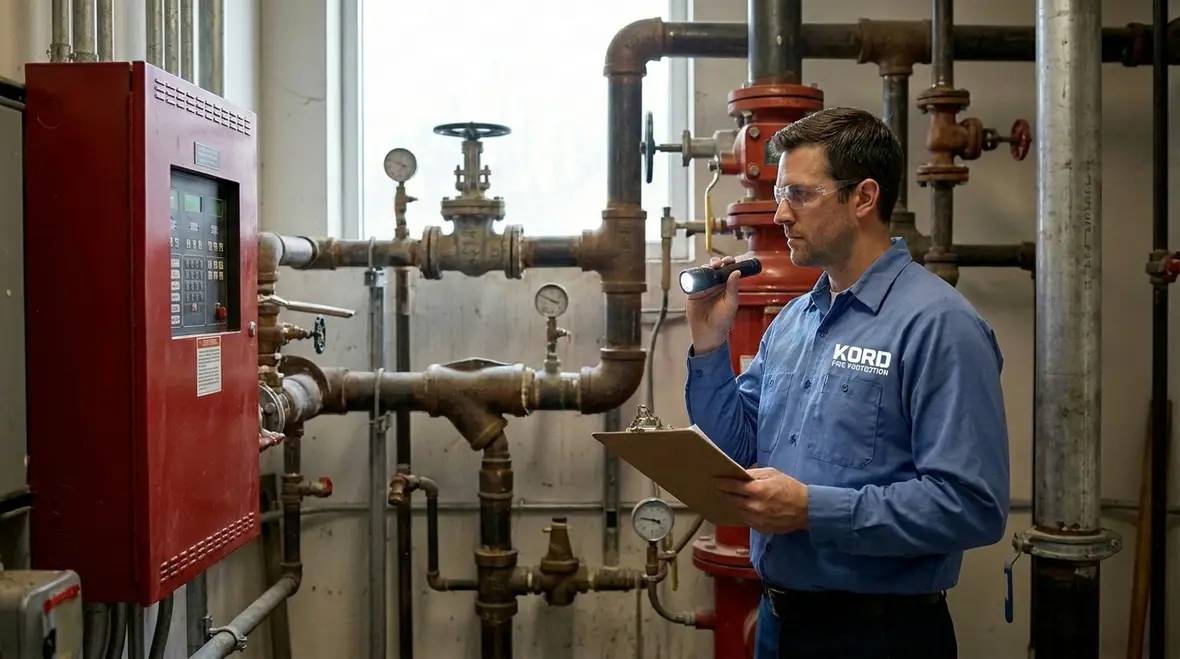
To keep things simple, impairment usually falls into a few practical buckets. First, there are mechanical problems, such as blocked piping, failed valves, or pressure losses. Second, there are control and detection issues, such as faults in detection circuits or trouble signals in panels. Third, there are maintenance gaps, including overdue inspections or incomplete testing. If owners treat these as “small issues,” they can snowball into bigger failures later.
Why the system can still look fine while being functionally risky
That is one of the trickiest parts of impairment. A panel can be mounted neatly, piping can look untouched, and tags can appear recent, yet the actual performance may still be compromised. A valve left partially closed, a detection device fouled by grease, or an undocumented change above the ceiling can leave a space exposed while everything looks normal from ten feet away. That is why owners should not rely on appearances, labels, or memory alone. Verification beats assumptions every single time.
Where owners see impairments most often
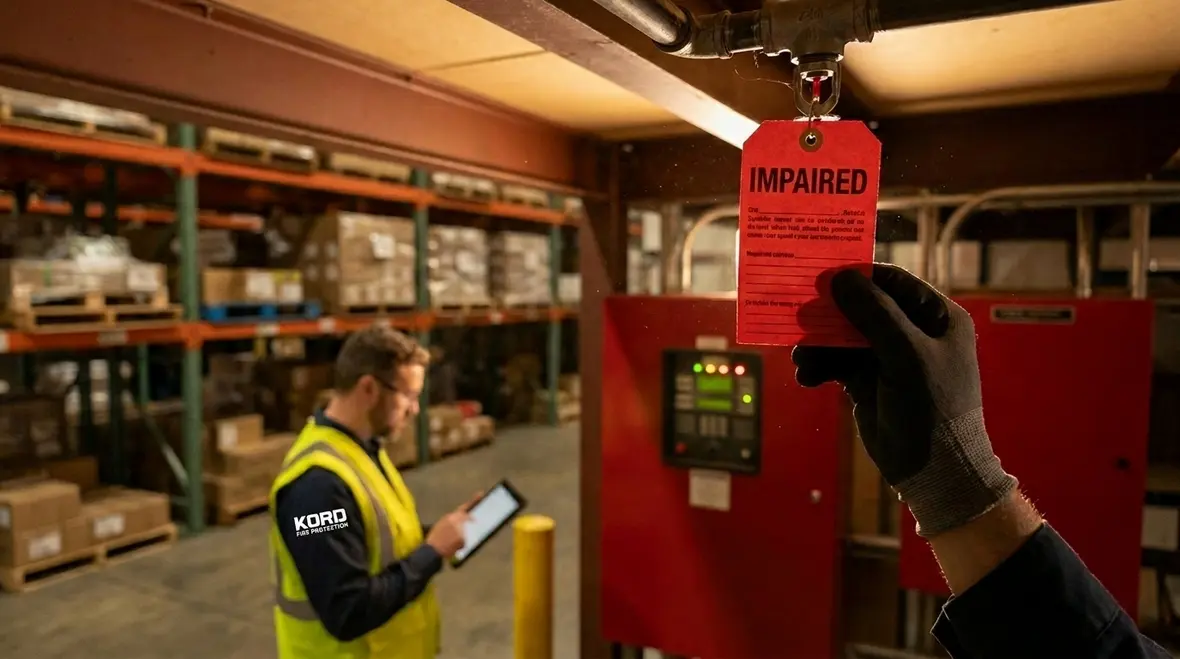
Owners typically run into impairment findings where systems face real world stress. For example, in kitchens and commercial cooking areas, heat and grease can affect detection and components. In warehouses, building renovations and new racks can alter clearances and create obstructions. In multi tenant properties, temporary work can introduce valves in the wrong position or systems left in bypass longer than planned. And yes, sometimes the “impaired” status shows up because the paperwork did not match the work that actually happened. That is not dramatic, but it is common.
Additionally, impairments often appear during transitions. When occupancy changes, when tenants move equipment, or when contractors modify ceilings and pipe routes, the suppression system can take a hit without anyone intending harm. Therefore, owners should tie suppression oversight to change management. That means a simple rule: if someone alters a space that includes life safety systems, the owner tracks the impact before the work closes out.
The transition points that quietly create inspection headaches
If there is a season when impairments love to appear, it is change season. New tenant improvement work, ceiling alterations, equipment relocation, ventilation updates, and fast turnaround maintenance can all create mismatches between the system design and the actual hazard below it. Nobody in the meeting says, “Let us accidentally make the life safety system less dependable today,” but projects move fast, trades overlap, and details slip. A good review process catches those details before an inspector does.
How impairment affects life safety and inspection outcomes
Fire suppression impairment does not just impact compliance. It impacts safety and response. If a system cannot discharge at the right time, the property may rely on manual suppression, alarms, or sprinkler standby systems that may not match the original hazard design. Furthermore, impaired systems can also complicate evacuation and emergency response because responders cannot assume the system will perform as designed.
On the inspection side, impairment findings lead to follow up actions, re inspection, and sometimes downtime. That downtime can hit operations hard. A facility cannot always pause production for long. So, owners benefit when they treat each impairment as a short project with defined steps, not a vague “we will fix it.”
Kord Fire Protection helps owners connect the dots between the impairment report and the actual repair path. Their broader service approach emphasizes compliant inspections, testing, repairs, and readiness across fire protection systems, while their suppression team focuses on keeping systems fully operational, maintained, and ready for activation in real facilities. Explore Kord Fire Protection’s full fire protection services or review their dedicated fire suppression service page for related support areas.
Key indicators that a system may be impaired
Owners do not need to be fire protection engineers, but they do need to know the warning signs. First, watch for trouble signals on panels, repeated alerts, or persistent supervisory faults. Second, check for pressure or flow irregularities, especially after shutdowns or recent work. Third, look for physical changes, such as new obstructions, altered pipe routes, or modifications to ceilings and ventilation that could affect discharge patterns.
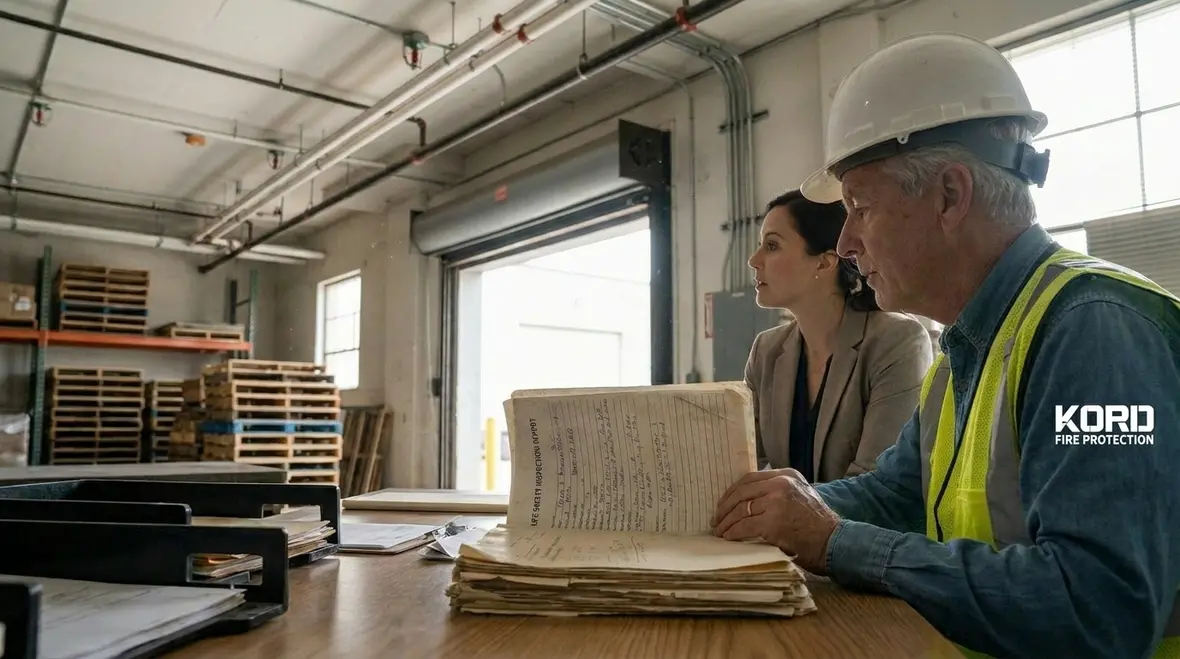
Also, pay attention to service documentation. If reports show gaps, inconsistent intervals, or incomplete field testing, owners should treat that as a risk indicator. Finally, do not ignore “temporary” statuses. A bypass can become a permanent problem faster than a customer can forget a spilled drink. And when it comes to fire protection, memory should not replace verification.
A simple owner checklist before the next inspection visit
- Review recent service records and make sure the intervals actually make sense.
- Confirm no valves, bypasses, or supervisory conditions are still hanging around from prior work.
- Walk the protected area for new obstructions, storage changes, or ceiling and vent modifications.
- Match the report language to the physical area so nobody is fixing the wrong thing in the right building.
- Ask for post repair testing records instead of assuming the fix automatically closed the issue.
Steps owners should take right now
When fire suppression impairment is identified, owners should respond quickly, but with order. First, they should verify the impairment details in the report, including the specific system zone, component, and hazard area. Second, they should stop any ongoing work that could worsen the condition. Third, they should contact a qualified provider to confirm what caused the impairment and what repairs clear it.
Next, owners should set a timeline for corrective action that aligns with building operations. After repairs, they should require a confirmation test and a closeout record that matches the correction. Then they should implement prevention steps, such as change control, updated asset tracking, and tighter coordination with maintenance contractors.
Importantly, Kord Fire Protection can support this full loop. They help owners plan corrective work, coordinate testing, and document results so the system returns to a reliable status, not a “maybe it is okay” condition.
Choosing a partner: how Kord Fire Protection adds value
Some providers only handle parts. Others only handle paperwork. The best outcomes come when a partner understands both field performance and the documentation inspectors expect. Kord Fire Protection positions itself as a vital partner by focusing on practical repairs, clear communication, and proper follow up.
For example, when owners face repeated impairment themes, the provider can help them identify root causes. That may include chronic component stress, outdated inspection routines, or recurring issues after tenant renovations. Instead of treating the symptom again, Kord Fire Protection helps owners build a plan that reduces future impairment and keeps systems aligned with design requirements.
In addition, they can help owners maintain confidence during inspection cycles. When a system history stays organized and test records stay accurate, the inspection process feels less like a surprise pop quiz and more like a scheduled meeting. If you want a broader look at the company behind that approach, learn more about Kord Fire Protection.
FAQ: fire suppression impairment essentials
FAQ: featured snippet answers
Final word: act now and protect the business
Fire suppression impairment should never sit in the “we will get to it” folder. Instead, owners should review the findings, confirm the cause, and schedule corrective work with verification testing. That approach protects people, reduces operational risk, and makes inspections less stressful.
If a system is struggling or impairment keeps returning, Kord Fire Protection can become the steady partner that helps owners fix issues fast and prevent repeats. Reach out to discuss the report and build a clear action plan through their fire suppression services or broader full fire protection support.

Join Our Newsletter!
Get the latest fire safety tips delivered straight to your inbox From our Newsletter.