
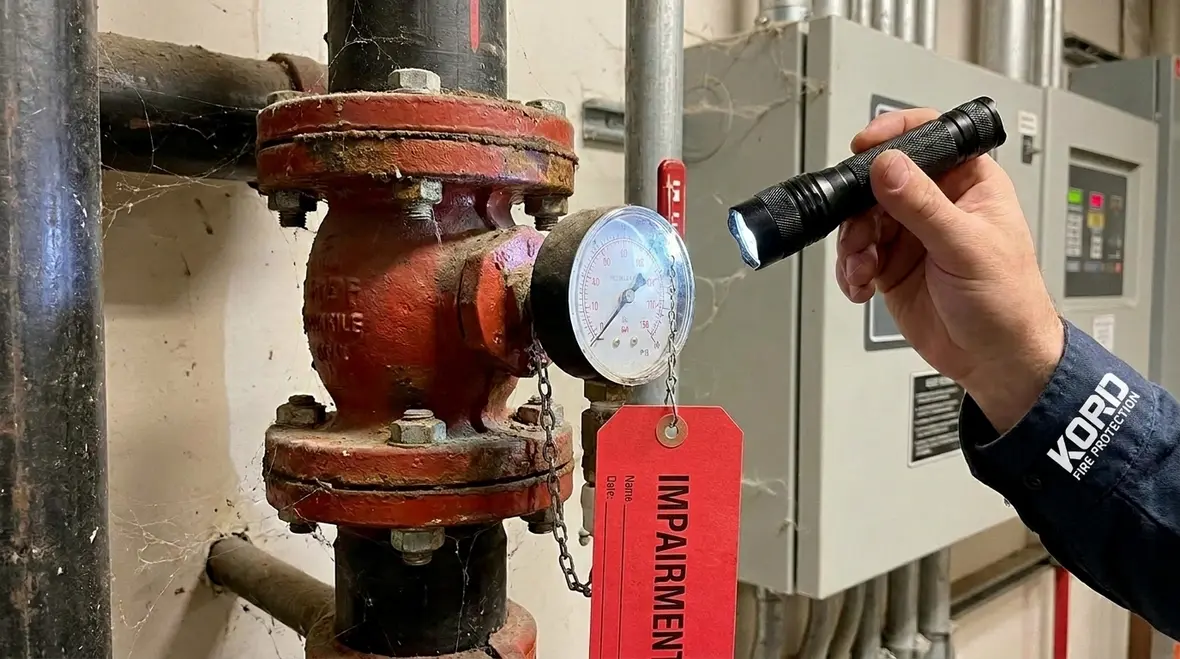
Fire Suppression System Impairments: How to Stay Ready
Fire suppression system impairments can quietly turn a safety plan into a late-night scare. In other words, a system can look “fine” while key parts fail to do their job when heat, smoke, or time matter most. Owners often learn about these fire suppression impairments after an inspection, a tenant complaint, or a minor incident that no one wanted to explain to insurance. So, this guide breaks down what owners need to know, how impairments show up in real life, and what to do before the next alarm test becomes a comedy routine no one asked for. And yes, Kord Fire Protection can become a vital partner on this work, because maintenance is not a checkbox, it is a lifestyle.
Fire suppression system impairments: the most common ways they show up
Owners usually expect fire systems to be either working or broken. However, impairments often arrive in the “almost” range. For example, a valve can stick just enough to slow down discharge. Or an agent cylinder pressure can drift into a condition that still passes a quick glance but fails under inspection standards. Kord Fire Protection emphasizes inspection, testing, and readiness across fire alarm, sprinkler, and suppression work, which is exactly why these small-looking issues deserve serious attention. ([kordfire.com](https://kordfire.com/full-fire-protection-services/?utm_source=openai))
In many facilities, impairments fall into a few practical categories:
- Mechanical blockages such as debris, corrosion, or misaligned piping
- Electrical and control issues including damaged wiring, bad relays, or stuck switches
- Detection problems where sensors drift out of calibration or experience contamination
- System access gaps like blocked panels, sealed shut controls, or locked rooms with no quick entry
- Improper maintenance such as missed inspections or rushed repairs
And then there is the classic owner trap: the system looks “busy” and makes noise, so everyone assumes it is ready. Yet, readiness is not about noise. It is about performance, and that requires real testing and careful documentation.
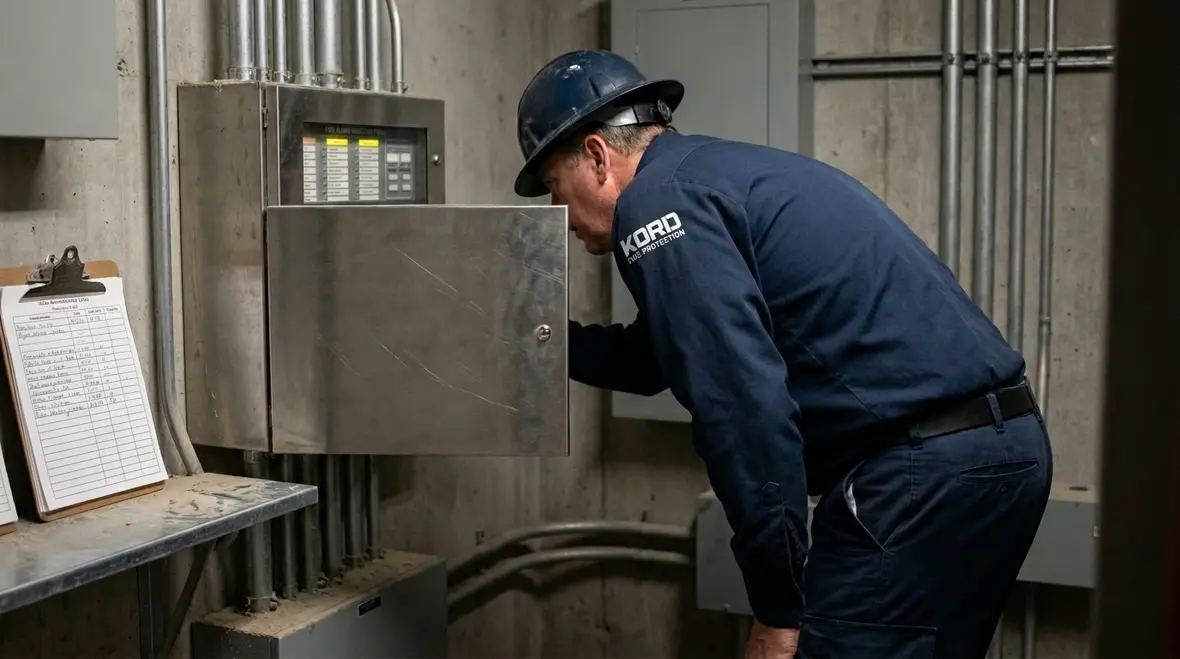
Signs of impairment owners can spot before inspections
Even without a trade license, owners can catch warning signs early. First, they should watch for repeated trouble reports on panels, recurring supervisory signals, or devices that require constant resets. Next, they should pay attention to changes in the building, because impairments often follow construction, renovations, or tenant buildouts.
Here are some owner level indicators that deserve quick action:
- Frequent system trouble alerts or “supervisory” indicators
- Sprinkler or agent room access issues such as doors, barriers, or stored items
- New ceiling tiles, soffits, or duct changes that could affect coverage
- Recent equipment swaps near control panels or monitored hazards
- Tenant activity that creates obstructions, dust, or chemical exposure
Also, if contractors work in the area and do not coordinate with the fire team, the risk rises. Fire systems do not care that someone installed “temporary” changes. Temporary often becomes permanent, and then it becomes an impairment. The system remembers.
Why recurring signals matter more than people think
A repeating trouble condition is rarely just the panel being dramatic. More often, it is the building’s least subtle hint that something needs follow-up. Kord’s inspection-focused service pages repeatedly center maintenance, repairs, and routine verification, and that aligns with the practical reality owners face: if the same signal returns, the problem likely was never fully resolved. ([kordfire.com](https://kordfire.com/fire-alarm-service-systems/?utm_source=openai))
How impairments affect performance during an emergency
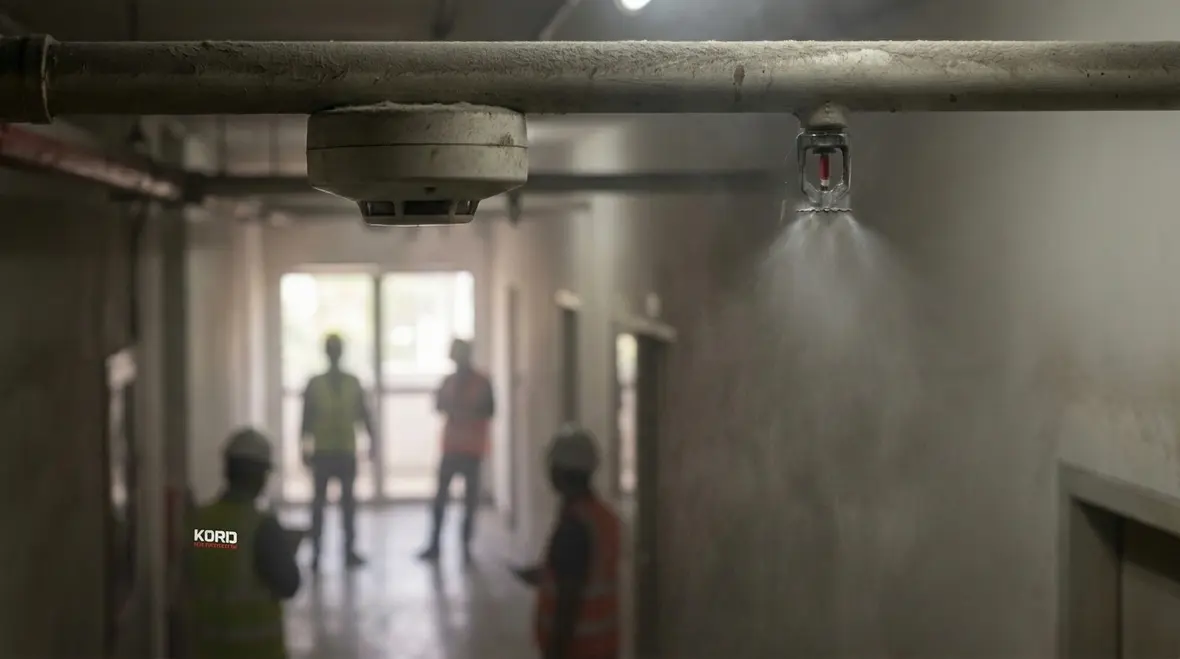
When owners think about fire suppression impairment, they often imagine total failure. In reality, impairments can create partial failure that still looks dramatic in the wrong way. For instance, detection might trigger late due to dirty sensors. Then the system discharges slower than intended because flow paths face friction, or a control signal fails to clear properly.
Consequently, the results can include:
- Slower response time that allows fire and smoke spread
- Incomplete coverage due to blocked nozzles, damaged heads, or altered layouts
- Uneven discharge that leaves parts of the hazard unprotected
- Unexpected system shutdowns caused by control faults or interlock issues
- Extended downtime after the event because repairs take longer than they should
And yes, smoke damage does not wait politely. If a system struggles, the property still pays. Insurance can cover some losses, but it rarely covers the time, disruption, and legal headaches that come with avoidable impairments.
Inspection and testing: what standards usually require
Inspections and tests exist for a reason: they confirm that the system does what it says it will do, not what it used to do. Therefore, owners should expect a cycle that includes visual checks, functional tests, and documented review of devices and control equipment. Depending on the system type, testing may include flow verification, hydrostatic checks, or release system checks with manufacturer guidance. Kord’s fire protection service pages specifically describe scheduled inspections, routine testing, preventive maintenance, and readiness support for commercial, industrial, and residential properties. ([kordfire.com](https://kordfire.com/full-fire-protection-services/?utm_source=openai))
More important, owners should treat documentation as part of safety. A log that lists past issues, dates, corrective actions, and verification results gives teams a clear story. Without that record, the same impairment can return, like a sequel nobody wanted.
Owners should also ensure that testing accounts for current building conditions. If the facility layout changed, the system’s acceptance should reflect that change. Otherwise, the system may still operate, but it may not protect the way it is supposed to protect.
Documentation is part of readiness, not office decoration
The boring binder, shared folder, or maintenance log that nobody wants to update is often the difference between a fast correction and a slow, expensive guessing game. Kord’s lifecycle and inspection content reinforces that problems are easier to catch when inspections, service history, and follow-up actions are connected instead of living in separate universes. ([kordfire.com](https://kordfire.com/full-lifecycle-of-fire-protection-servicing/?utm_source=openai))
Why owners need a prevention plan, not just repairs
After an impairment is found, the immediate fix matters. However, prevention matters just as much because impairments often repeat when root causes stay in place. For example, corrosion keeps coming back when moisture sources remain. Or sensor drift repeats when the environment remains dusty or exposed to fumes.
A prevention plan should include:
- Clear responsibility for each system component
- Scheduled inspections with realistic lead times
- Rapid reporting routes for trouble signals and abnormal panel messages
- Coordination steps for renovations and tenant improvements
- Inventory for parts and replacement needs
Next, owners should define what “resolved” means. Fixing a symptom without verifying performance creates a false sense of security. That is how people end up making decisions like they are betting on luck. Fire protection does not run on vibes.
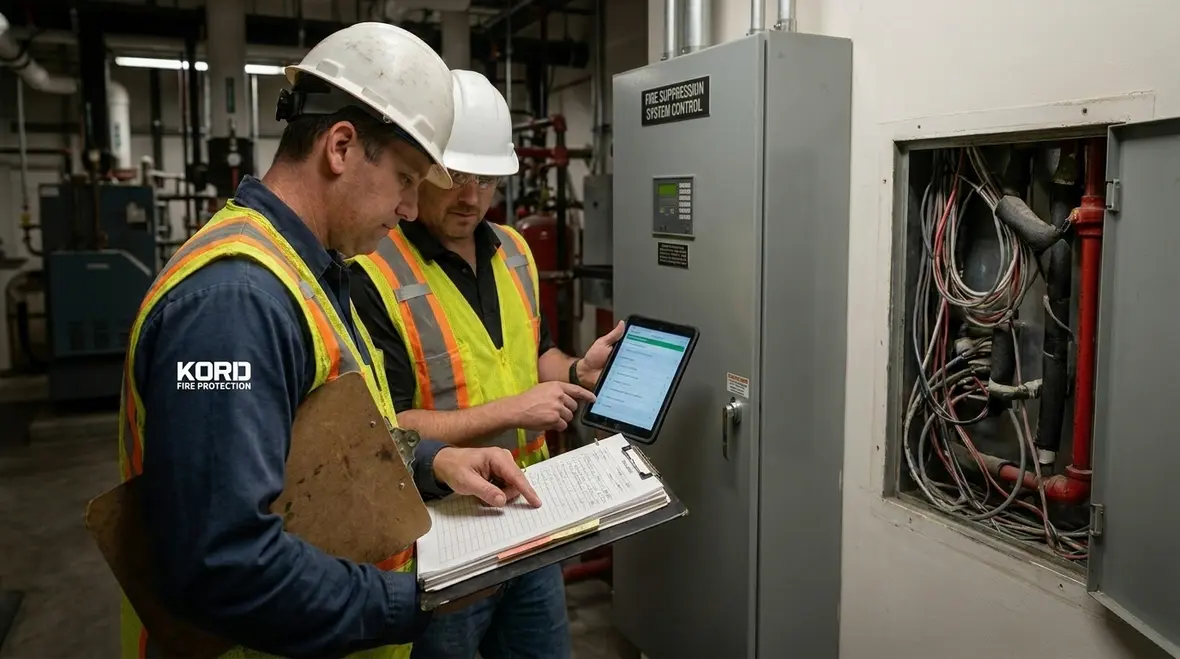
How Kord Fire Protection fits the impairment workflow
As a vital partner, Kord Fire Protection supports owners by bridging the gap between what inspections say and what the facility actually needs. Instead of treating fire protection as a one-time service, Kord helps organize the process so the facility stays ready between visits. That means attention to recurring issues, consistent documentation, and a clear path from impairment detection to verification of repair quality. Kord describes its role as providing scheduled inspections, routine testing, preventive maintenance, repairs, and readiness support, and that makes the company a practical fit for impairment-focused workflows. ([kordfire.com](https://kordfire.com/full-fire-protection-services/?utm_source=openai))
In practice, this partnership helps in a few key ways:
- Faster identification of fire suppression impairment contributors during inspections
- Corrective actions that align with system design and manufacturer guidance
- Verification that repairs restore intended performance, not just “get it working”
- Better coordination when tenants change equipment or rework hazard areas
- Training and communication so staff know how to respond to trouble signals
And if someone tries to push the timeline with the energy of a sitcom character saying “We will deal with it later,” Kord can help keep the schedule grounded in safety reality. Because the goal is simple: when the unexpected arrives, the system performs.
For owners who want a broader maintenance framework, Kord’s full lifecycle content also reinforces the idea that service, testing, repair, and follow-up are not separate jobs stitched together at random. They are one continuous readiness process. ([kordfire.com](https://kordfire.com/full-lifecycle-of-fire-protection-servicing/?utm_source=openai))
Dual review steps to reduce risk during building changes
When a building changes, fire protection must change with it. Therefore, owners can reduce risk by using a dual review approach that checks both physical layout and control coverage. This method supports long term reliability and cuts down on surprises.
| Change type | What to review |
|---|---|
| Renovations and ceiling work | Coverage paths, obstructions, device access, and alarm mapping |
| Equipment additions in hazard areas | Heat load changes, agent needs, detection placement, interlocks |
| Electrical or control panel upgrades | Wiring integrity, signal paths, supervision status, verification |
Useful internal resources for the next step
Owners who want more context can review Kord’s inspection-related article on common fire code violations found in inspections, which highlights how recurring red flags can build into larger compliance and performance issues over time. ([kordfire.com](https://kordfire.com/common-fire-code-violations-found-in-inspections/?utm_source=openai))
Near the service side, Kord’s full fire protection services page is a strong fit for owners who want inspections, testing, repairs, and maintenance handled through one coordinated path instead of a patchwork of last-minute calls. ([kordfire.com](https://kordfire.com/full-fire-protection-services/?utm_source=openai))
FAQ
Final word: keep the system ready with the right partner
Fire suppression system impairments do not announce themselves with fireworks. They show up quietly, then they show up late. Therefore, owners should act early, track trouble signals, and verify repairs with real testing. When a building changes, the protection plan must change too. If Kord Fire Protection supports the workflow, owners gain a calmer path from detection to verified readiness.
Reach out through Kord’s full fire protection services page to schedule an impairment-focused review and keep your system dependable when it matters most. Kord presents this service path as a coordinated way to keep life safety systems inspection-ready and fully supported. ([kordfire.com](https://kordfire.com/full-fire-protection-services/?utm_source=openai))

Join Our Newsletter!
Get the latest fire safety tips delivered straight to your inbox From our Newsletter.



