
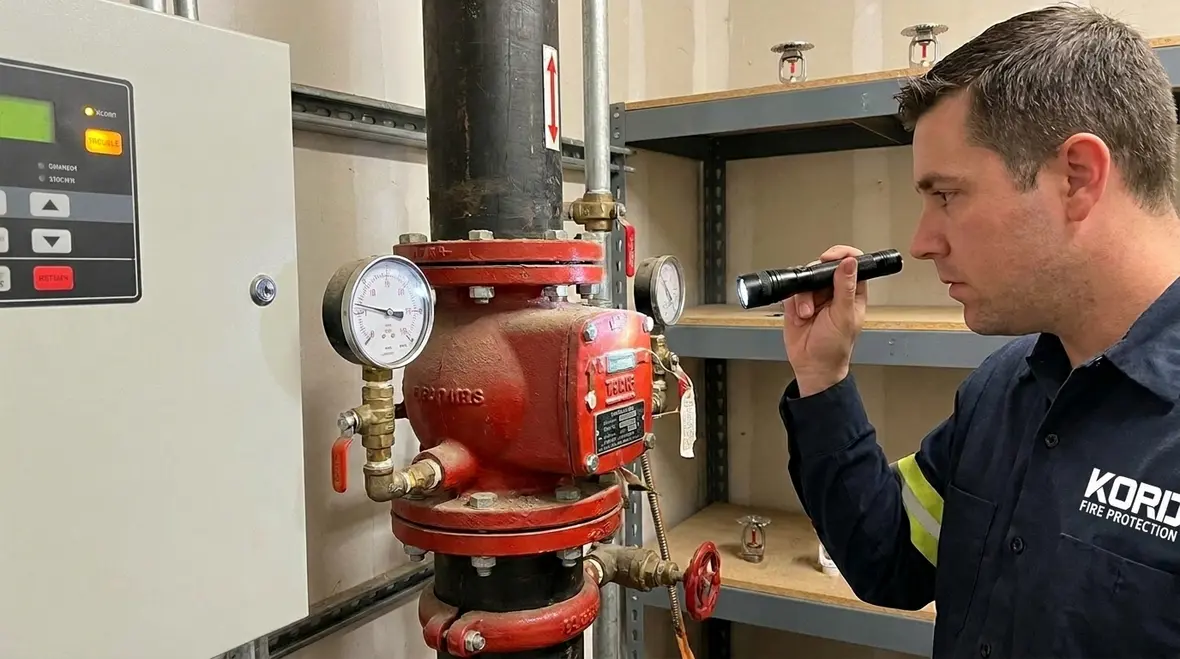
Fire Suppression Impairment Signs and Compliance Steps
Fire suppression impairment can quietly turn a “protected” building into an at risk facility long before anyone smells smoke. That is why owners need to understand how these systems lose performance, what signs point to trouble, and what steps keep compliance and safety on track. When a system drifts out of spec, it does not announce itself with a flashing siren, it just works less reliably. And when the next emergency hits, that difference matters. Fortunately, this is also where Kord Fire Protection can become a vital partner, helping owners spot risk early and keep their fire suppression systems ready to do their job.

Common ways fire suppression systems fall out of proper condition
Most owners think impairments show up as obvious damage. In reality, the system can stay physically intact while still becoming impaired. For example, valves may not fully open, detection devices can get dirty, pressure can drop, or a control panel can fail to confirm readiness. Also, a simple change in the building can create new blind spots. When storage racks move or ceiling layouts get altered, the protection design can stop matching the real world.
Even routine activities can create problems. Contractors might wedge open a tamper switch “just for a minute,” and nobody removes the bypass when the work ends. Then the system looks fine on paper, but it cannot prove readiness. Meanwhile, supply lines can develop small leaks that reduce agent distribution. And in wet chemical or pre action setups, delays can grow until the sequence no longer matches the intended timing.
So, rather than waiting for a major event, owners benefit from treating suppression performance like a living system. It needs periodic checks, clear documentation, and prompt correction whenever readings drift. For a deeper look at the process around reduced protection and temporary safeguards, Kord Fire’s Fire Protection Impairment Management Guide is a strong companion read.
Small issues that quietly become big problems
A lot of impairments build the same way dust builds on top of a cabinet. Nobody notices it at first, then suddenly it is impossible to ignore. A dirty detector, a valve that sticks a little, a record that never got updated after a system change, these are not dramatic failures. However, stacked together, they can push a system far enough off course that response during an emergency becomes uncertain. That is not the kind of suspense any owner wants in the middle of a real fire event.
What owners should watch for during inspections and walkthroughs
Owners do not need to become fire protection engineers. However, they should know which clues matter and how they connect to fire suppression impairment. During walkthroughs and document reviews, they should look for evidence of recent trouble reports, repeated supervisory signals, or chronic issues that return after repairs. If the same trouble codes pop up again and again, the system likely needs a deeper root cause review.
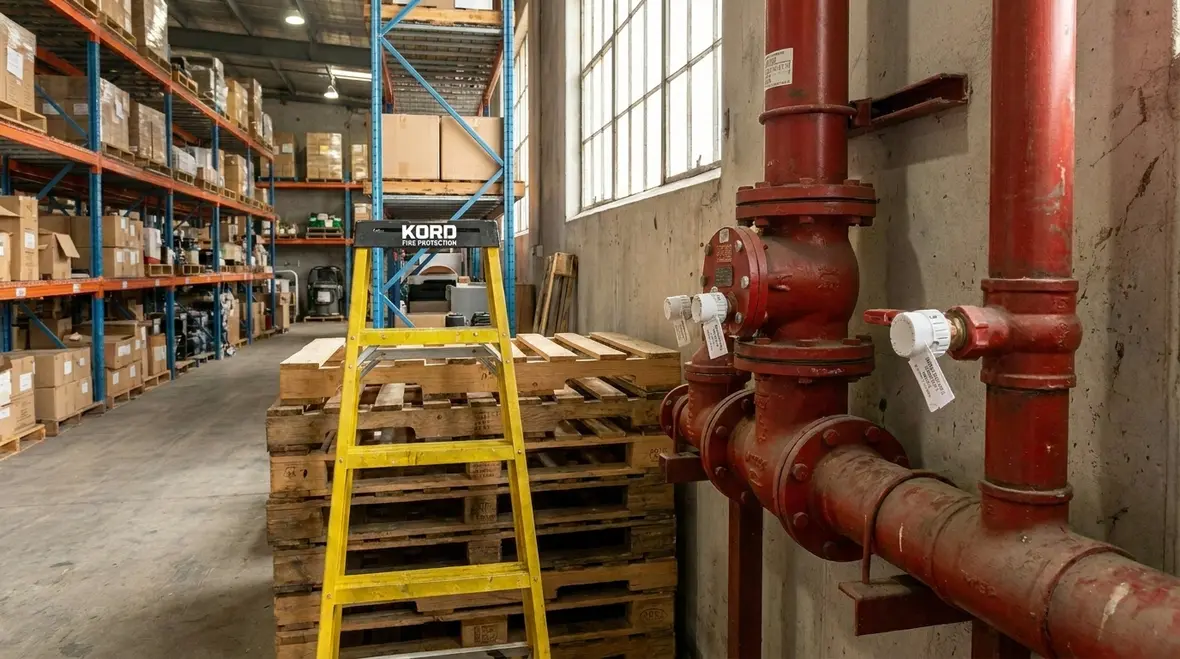
Additionally, they should verify that test records match the system configuration. If a system was upgraded or altered, the records should reflect it. If not, the impairment may hide in outdated paperwork. Next, they should check for signs of obstructed discharge areas, especially in warehouses, mechanical rooms, or near high bay storage.
Finally, owners should pay attention to access. If panels and manual pull stations remain blocked by equipment, the system can become impaired by delay. And yes, delay is impairment in slow motion. In a real event, every minute feels like an eternity. Kord Fire’s article on common fire code violations found in inspections helps owners connect these everyday red flags to the kinds of problems that trigger citations and operational headaches.
Records should tell the same story as the equipment
One of the easiest ways to miss an impairment is to trust paperwork that has fallen behind reality. If records say one thing and the field condition says another, the field wins every time. Owners should confirm tags, reports, device counts, and recent modifications all line up. It is not glamorous work, but neither is explaining to an inspector why a supposedly protected area now has storage stacked where discharge needs to happen.
Why impairments threaten safety and trigger compliance risk
Fire suppression impairment matters because it reduces the chance that the system will operate as intended. When an impairment prevents full supervision, the system may not detect trouble early. When valves or controls fail, agent release can slow down, misdirect, or fail to start. As a result, occupants face greater risk, and first responders lose confidence in the site plan.
From a compliance standpoint, authorities do not only care that the system exists. They care that it operates properly, receives required inspections, and stays in a condition that matches the approved design. Therefore, an impairment that goes uncorrected can create audit findings, violations, and costly downtime. For commercial owners, this becomes more than a safety issue. It becomes a business issue.
Also, insurance carriers often expect documented maintenance and impairment handling. When records show gaps or unresolved supervisory signals, premiums can climb or coverage can get complicated. In other words, an impairment is not just a technical glitch. It can turn into a financial one too. Owners preparing for a review can also benefit from Kord Fire’s guide on how to pass a fire inspection successfully, which reinforces how readiness, documentation, and follow through all travel together.

How the impairment process actually works on site
Many impairment events start small. A circuit loses supervision, a sensor becomes unreliable, or a panel reports a trouble state. Then the system enters a condition where the fire protection function might not respond with full confidence. The key is how fast the site identifies the issue, communicates it, and corrects it.
First, the building should document when the impairment began and what the system reported. Next, it should define what temporary controls exist while repairs happen. That might mean extra fire watch coverage, restricted activities, or work stoppage in the affected area. Then the team should repair the issue and verify system return to normal. Verification matters because fixing a symptom does not always fix the cause.
Finally, the owner should confirm that records close out properly. The goal is simple: the site should not live in “maybe” mode. It should live in “ready” mode. Kord Fire Protection helps owners make that readiness real by aligning inspection findings with practical next steps.
Verification is where confidence comes back
Restoration is not complete just because the panel went quiet. The system has to be checked in a way that proves the original issue is truly gone and that no new problem was introduced during repair. This is why disciplined teams test, document, and recheck before they call the matter closed. It saves everyone from the classic sequel nobody asked for: the same trouble signal coming back next week with worse timing.
What a strong maintenance plan looks like
A strong plan reduces random failures and controls drift over time. It usually includes scheduled inspections, task-based checks tied to system type, and a clear method for tracking findings from day one. For example, dry systems need checks that focus on air or water pressure, valve operation, and drainage conditions. Wet systems need checks that confirm no hidden obstruction and no stagnation risk. Clean agent systems require attention to cylinders, detection pathways, and control logic.
In addition, owners should build a process for change management. When new equipment gets installed, when ceilings get raised, or when storage patterns change, the maintenance plan should trigger a review. Otherwise, the suppression layout can become misaligned. Also, owners should require that contractors follow a controlled process for access, bypasses, and lockouts. Bypasses should be time limited, documented, and removed with proof of restoration.
Kord Fire Protection becomes valuable here because it helps owners connect the dots between system design, real site conditions, and the compliance timeline. That means fewer surprises and less last minute scrambling, which is great for budgets and even better for sanity. If owners want a broader planning mindset, Kord Fire’s full lifecycle of fire protection servicing shows how inspections, maintenance, and long term system health fit together.
Choosing a partner who treats impairments like a priority
When fire suppression impairment occurs, owners need fast, accurate response. They should expect clear explanations, documented findings, and a plan that addresses the risk without vague promises. A good partner responds with urgency, but also with discipline. They verify, test, and close out properly. They also communicate in plain language, so the owner understands the “why” and the “what next.”
Now, let’s keep it real. Some service vendors treat impairment as a checkbox. That is like treating smoke alarms as decorative wall art. It looks nice, until the day it matters. Kord Fire Protection operates with the mindset that readiness is the product. Therefore, owners get more than a signature on a form. They get a system health view that supports safe operation and smoother audits.
Owners can measure value by asking how the partner handles follow up, how they confirm restoration, and how they prevent repeat impairments. Kord Fire Protection helps owners reduce repeat events by focusing on root causes, not just quick fixes. For specialized component level checks that support confidence in release performance, Kord Fire’s post on fire suppression system solenoid testing and checks adds useful context.
FAQ
Conclusion and next steps for owners
Fire suppression impairment does not wait for the busy season. It builds risk slowly, then cashes it in fast. Owners can protect people, avoid compliance headaches, and keep insurance on solid ground by tracking impairments, correcting them quickly, and verifying restoration with real tests. If a system shows trouble signals or if site changes occurred, now is the time to act.
Contact Kord Fire Protection’s fire suppression services team to review system health, address impairments, and help keep readiness front and center. For owners who want a sharper playbook before issues escalate, the new Kord Fire article on fire suppression system impairments and what owners must do is also worth bookmarking.

Join Our Newsletter!
Get the latest fire safety tips delivered straight to your inbox From our Newsletter.



