Fire Suppression System Impairment Signs and Prevention
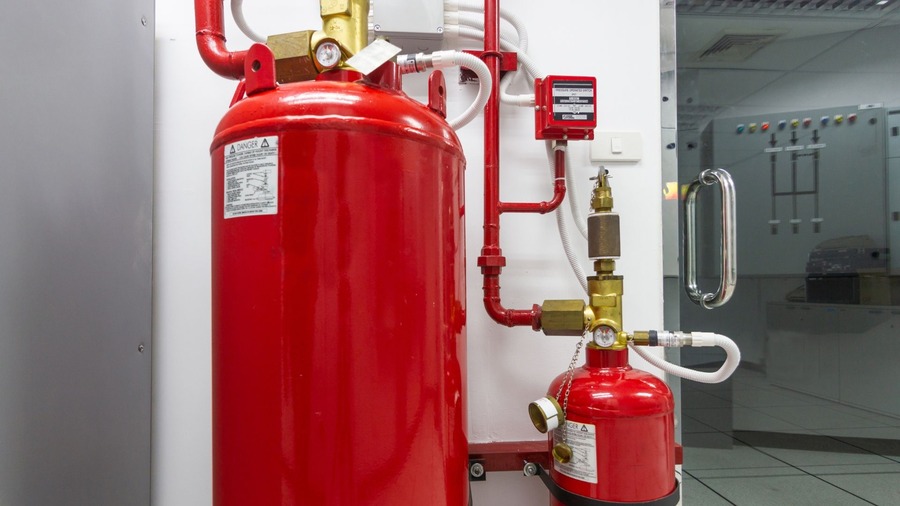
Fire suppression impairment can quietly turn a safety system from “ready” to “not ready,” and owners often notice only after something goes wrong. These fire suppression system impairments can include blocked nozzles, damaged valves, stale agent, or wiring issues that stop alerts and shutoff sequences. And yes, even when the system looks fine, it may fail when it matters most. In this guide, third person voice explains what owners should watch for, how impairments get discovered, and how Kord Fire Protection can become a vital partner to reduce risk, improve inspection results, and keep operations moving.
Owner checklist: signs a system impairment is hiding
When a suppression system slips into an impaired state, it rarely announces itself with a smoke signal and a drumroll. Instead, it shows up through small clues that stack up over time. For that reason, owners should treat these signs as early warnings, not “minor issues.” A pressure reading that drifts from the last inspection, a trouble light that keeps coming back, or a valve position that just does not look right can all point to a deeper reliability problem.
- Low pressure or abnormal tank readings that do not match recent records
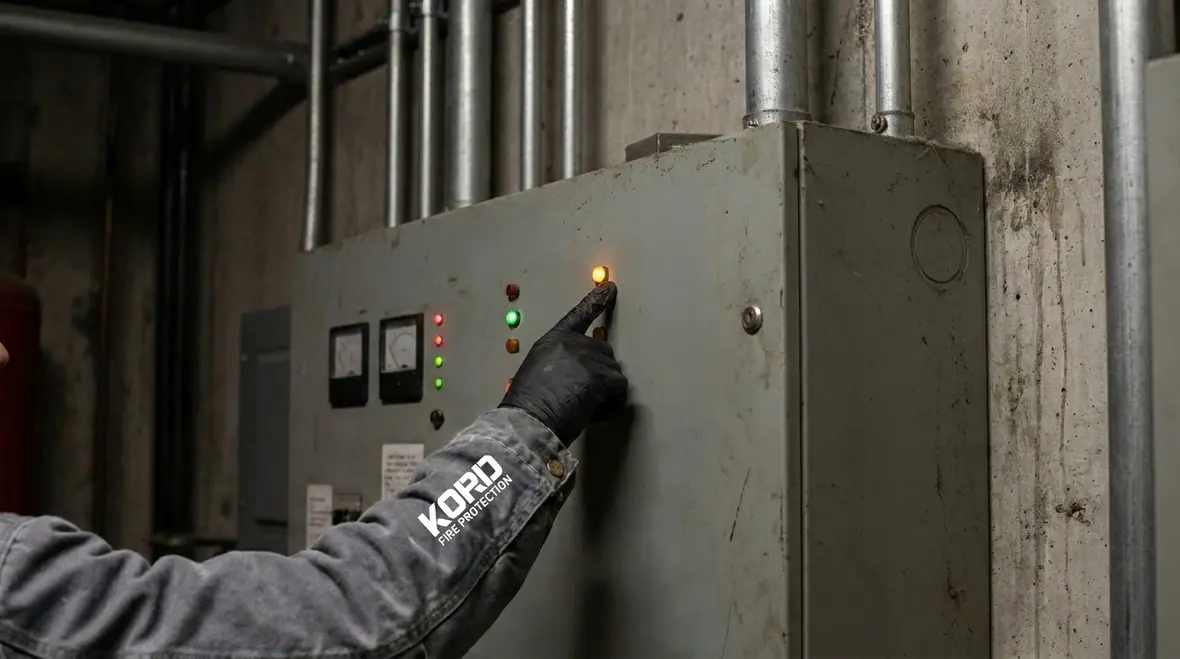
- Tamper switches or trouble signals on panels that repeat after resets
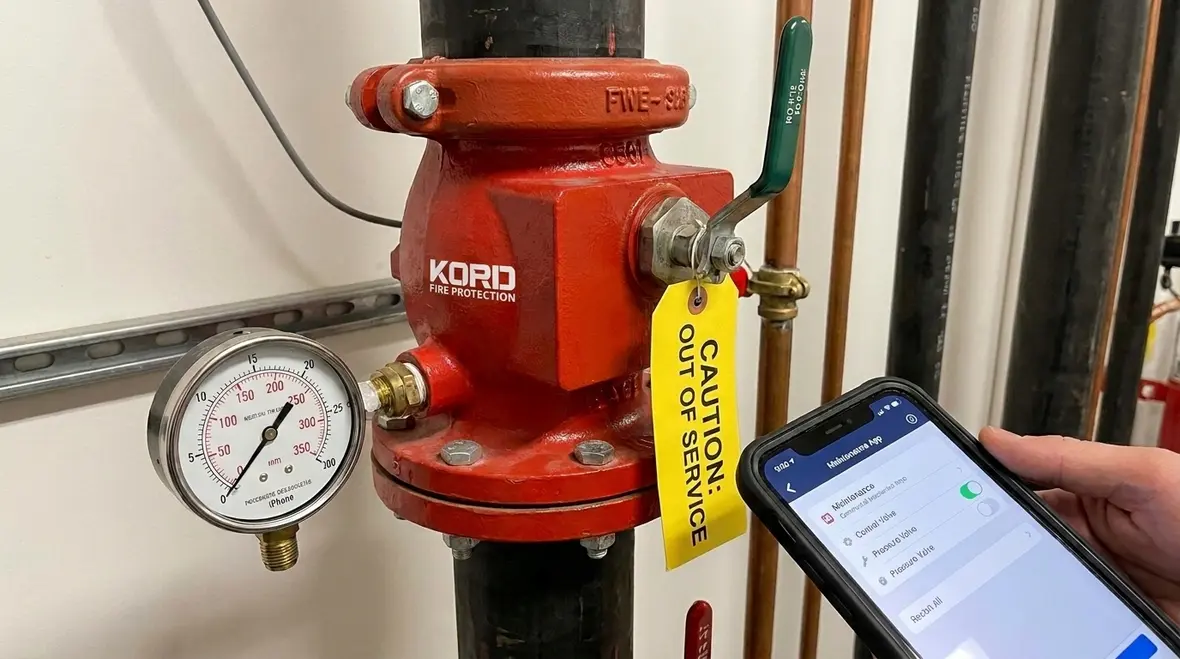
- Valve supervision issues, including supervisory switches stuck or miswired
- Agent integrity concerns such as missing inspections for cylinders, tanks, or clean agent containers
- Mechanical blockage, like paint overspray, stored items, or misaligned piping
Furthermore, owners should remember that the word “impaired” often refers to a condition that prevents the system from doing its job, even if the building still looks protected. Transitioning from “it seems okay” to “it actually works” saves money later, because emergency repairs usually cost more than planned work. Also, no one wants to star in the classic sitcom episode where the fire alarm works great but the suppression part is out of service.
How impairments happen in real buildings
Most fire suppression impairment events come from predictable sources. They rarely appear out of thin air. In fact, the leading causes usually involve changes, wear, and missed steps during maintenance. In many properties, the system does not fail because of one dramatic event. It drifts into a weaker condition because several small issues pile up until the system can no longer be trusted.
First, many impairments link to construction and remodeling. People move ceiling tiles, reroute piping, relocate storage, and install new lights. Even small changes can affect detection zones, access panels, and nozzle placement. Next, maintenance workflow gaps create trouble. When a contractor performs tasks without a full system check, the system may look complete but function incorrectly. Corrosion, vibration, dust, grease, and moisture add another layer of risk, especially in production spaces and utility areas where equipment never really gets a day off.
Then there are the very human causes. A valve gets left in the wrong position after service. A circuit is isolated for a short repair but never fully restored. A workaround meant to last a day somehow survives long enough to qualify for office legend status. It happens. Facilities teams are busy, and busy teams sometimes create “temporary” problems that stick around longer than the coffee in the break room. That is why routine verification matters just as much as the repair itself.
Why routine change management matters
Owners who require a post-work review after ceiling access, electrical work, piping changes, or system shutdowns usually catch impairments faster. That review does not need to be dramatic. It just needs to confirm that the affected zone, devices, release path, and supervisory functions are truly back in service before everyone moves on to the next task.
Common impairment scenarios and what they mean
To manage risk, owners need clear meaning behind common impairment scenarios. When they understand the cause, they can request the right corrective actions and verify the fix. Without that clarity, teams may close a work order while leaving the real reliability problem untouched.
- Supervisory circuit faults: These suggest the system cannot confirm valve position, which weakens reliability during a fire response.
- Detector and actuation path issues: If detection or signaling cannot properly trigger the release sequence, the system may not operate in time.
- Agent release equipment out of spec: Leaks, low pressure, or improper hold times can reduce discharge effectiveness.
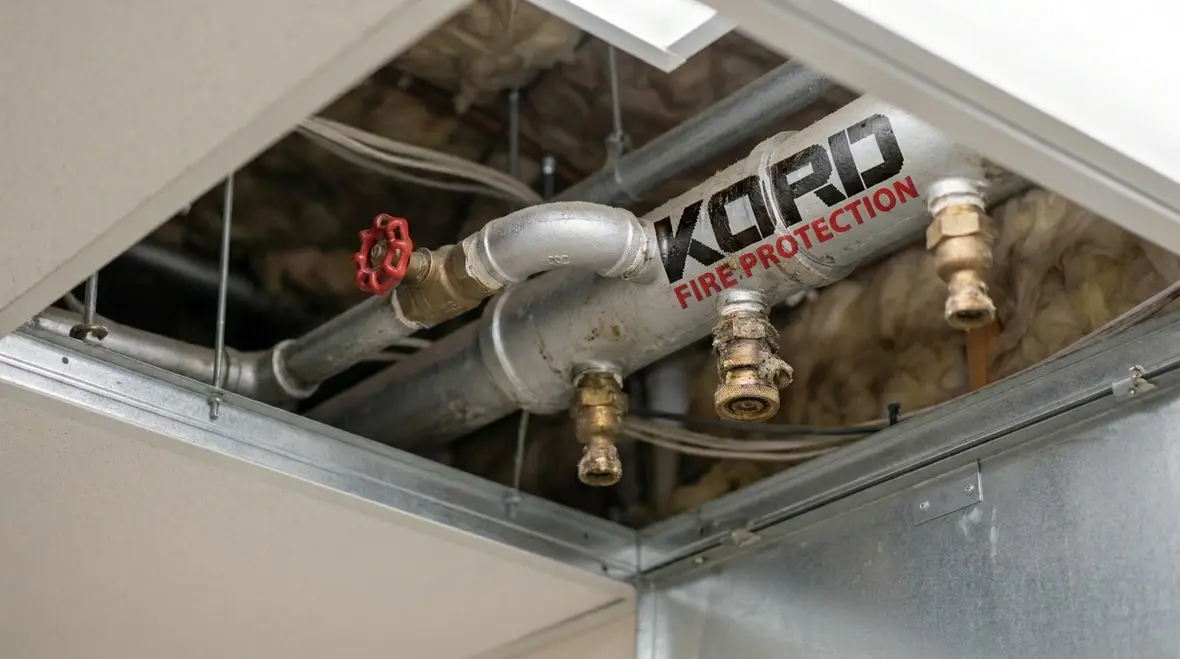
- Blocked or damaged piping and nozzles: Even one impaired nozzle can reduce coverage where it matters most.
- Electrical troubles: Faulty wiring or panel problems may stop alerting and system control.
Additionally, owners should connect the scenario to building operations. For example, if the impairment affects a production line, the facility may still operate while the system remains unreliable. That mismatch creates risk, so owners should coordinate restoration timelines with operations. In other words, they should treat restoration like equipment downtime planning, not like a vague “sometime next month” task.
Questions owners should ask after a finding
A useful follow-up is simple: What failed, what area does it affect, what corrective action is required, and how will the team verify restoration? Those questions help owners separate cosmetic notes from real impairment concerns. They also make vendors, contractors, and internal teams speak the same language, which is always refreshing.
Testing, inspection, and documentation that actually protect ownership
Inspections work best when owners manage them like a system, not like paperwork. Good testing keeps the suppression system ready and gives the owner proof that it stays that way. It also supports audit readiness, insurance discussions, and tenant confidence. More importantly, it creates a trail that shows whether the same impairment is reappearing again and again.
First, owners should ensure inspections include both visual checks and system function verification. Visual checks catch obvious issues like missing covers or damaged nozzles. Function verification confirms the triggering and release sequence behaves correctly. Next, owners should require documentation that shows what was tested, what was found, and what got corrected. When reports read like a mystery novel, they do not help decision making.
Moreover, owners should keep history. Trends show recurring problems, which often point to root causes like poor access design, frequent remodeling conflicts, or repeated valve trouble. Then, with clear records, owners can schedule targeted maintenance instead of reacting to sudden impairment alerts. Transitioning from reactive fixes to planned correction protects budgets and safety at the same time. Kord Fire Protection offers fire suppression inspections, testing, installation, and maintenance for commercial, industrial, and government facilities, making it easier for owners to keep that process organized from one cycle to the next. ([kordfire.com](https://kordfire.com/all-fire-suppression/?utm_source=openai))
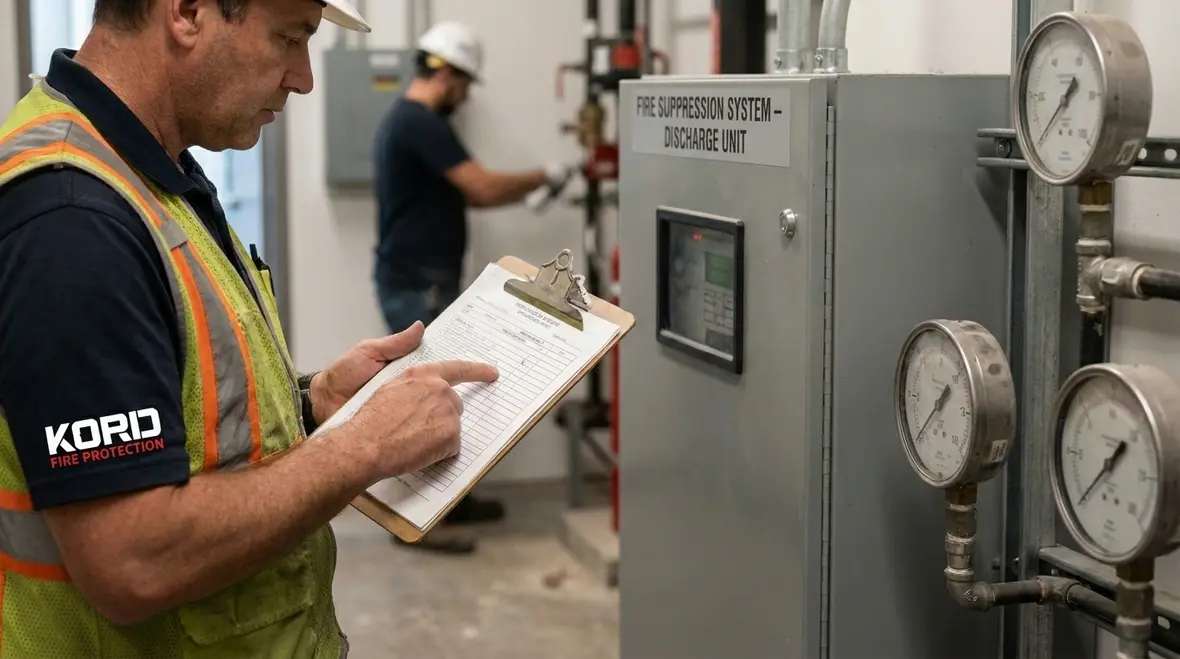
Why Kord Fire Protection becomes a vital partner
Owners often think about fire protection as a vendor relationship. However, a better approach treats fire safety as an ongoing partnership. Kord Fire Protection can become that vital partner by helping owners identify fire suppression impairment risks early, manage corrective actions efficiently, and keep systems in a ready state.
For one, Kord Fire Protection focuses on practical outcomes. That means the team supports owners with clear impairment findings, prioritized next steps, and documentation that supports compliance. Additionally, Kord Fire Protection coordinates with facilities staff and contractors so changes during construction do not create new blind spots. Kord describes its service approach as full fire protection coverage with inspection, service, and readiness support, including a broad range of suppression solutions. ([kordfire.com](https://kordfire.com/full-fire-protection-services/?utm_source=openai))
Just as importantly, they help owners stay ahead of common failure patterns. For example, if a building repeatedly develops valve supervision trouble after periodic work, the partner can guide process changes that reduce recurrence. In short, the goal is simple: reduce the chances that the system goes from reliable to unreliable without anyone noticing. If fire protection were a sports team, Kord helps owners keep the roster healthy, not just swap jerseys after the first loss.
Owners looking for broader support can also connect related planning with Kord’s comprehensive fire protection services page and suppression-focused service page to align inspections, repairs, and compliance work under one provider. ([kordfire.com](https://kordfire.com/all-fire-suppression/?utm_source=openai))
Steps owners can take now to prevent suppression impairment
Owners can reduce risk right away with a few smart actions that require no complicated engineering. Yet these steps make a difference, especially when they happen consistently. Small habits usually beat heroic last-minute scrambling, and they are much easier on the budget too.
- Lock down maintenance schedules and require confirmation that impairment conditions get cleared after repairs
- Control access to suppression components during renovations and store material away from nozzles and panels
- Train teams to report trouble signals immediately instead of waiting for the next walk through
- Verify system restoration after any outage including electrical work, valve work, or ceiling access
- Audit inspection reports and ask for clear corrective action plans with timelines
Furthermore, owners should treat impairment status like a priority item in their operations meeting. When teams track it the same way they track critical equipment issues, response time improves. Then, owners can avoid expensive emergency repairs and reduce exposure during the very period the system should be most reliable. A simple checklist, a clear escalation path, and a habit of confirming restoration can do more than a stack of good intentions ever will.
Helpful Kord Fire pages for the next step
For owners ready to turn that checklist into action, Kord Fire Protection’s fire suppression services page is a strong next stop, and the full fire protection services page helps connect suppression work with broader inspection and maintenance planning. ([kordfire.com](https://kordfire.com/all-fire-suppression/?utm_source=openai))
FAQ: Fire suppression impairment basics
Conclusion: protect the property, then sleep
Fire suppression impairment is not a theoretical problem. It is a real operational risk that owners must manage through early detection, proper testing, and fast restoration. When owners treat suppression readiness like a key asset, they cut downtime, improve safety, and reduce costly surprises. The smartest approach is not waiting for the next inspection to reveal what daily operations have slowly hidden.
Kord Fire Protection can help owners spot issues before they grow, guide corrective steps, and keep documentation organized for every inspection cycle. Reach out through Kord Fire Protection’s fire suppression services page to review system status and build a calmer, safer plan for the future. ([kordfire.com](https://kordfire.com/all-fire-suppression/?utm_source=openai))

Join Our Newsletter!
Get the latest fire safety tips delivered straight to your inbox From our Newsletter.