
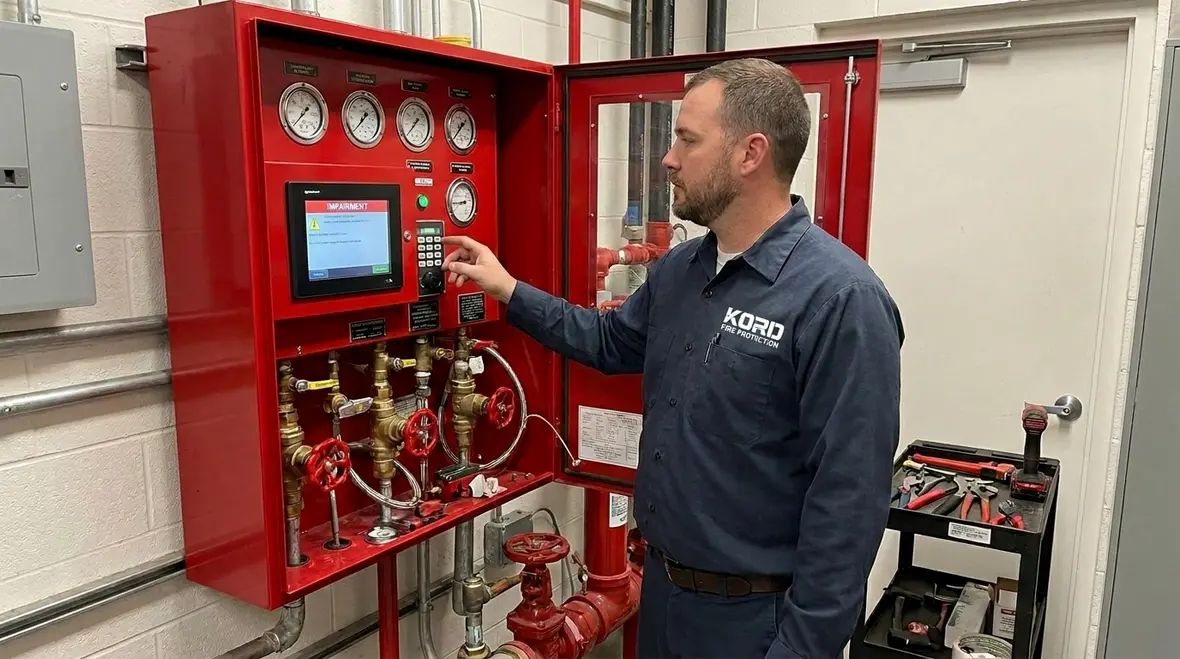
Fire Suppression Impairment: Causes, Risk, Fixes
Fire suppression system impairments can look like a small issue until they turn into a big one, and owners usually only notice after the alarm lights up or an inspector asks a question that sounds like a quiz. Early on, a fire suppression impairment may mean the system cannot deliver the right protection at the right time. And then, just like a sitcom plot twist, the building finds out the hard way.
In this article, third person guidance helps owners understand how fire suppression impairment affects coverage, how inspections find problems, and what practical steps reduce risk. Along the way, it explains why Kord Fire Protection can become a vital partner for this service and job, from troubleshooting to documentation.
Owners dealing with reduced system readiness can also benefit from Kord Fire Protection’s broader fire protection impairment management guide, which reinforces the need to identify the scope, notify the right people, apply temporary safety measures, and restore service quickly.
What fire suppression impairment really means on site
Fire suppression systems protect people and property by releasing water, foam, gas, or other agents based on fire signals. However, an impairment means the system, or a key part of it, will not work as intended. That can happen from equipment faults, missing parts, power loss, valve problems, closed control circuits, or setup changes that no one logged.
Owners often think impairment means total failure, but many cases involve partial performance. For example, a valve may move slowly, a component may be out of calibration, or a detector may not report properly. Additionally, a system can look “normal” yet still fail during the exact moment it matters most.
Why the definition matters in the real world
That difference between partial and total impairment matters because owners may not react with the urgency the issue deserves. A system does not need to be completely silent to be risky. If detection lags, pressure drops, or the release path hesitates, the building can still face delayed response when heat and smoke do not wait politely for the paperwork to catch up.
Common impairment causes owners can spot before the inspector does
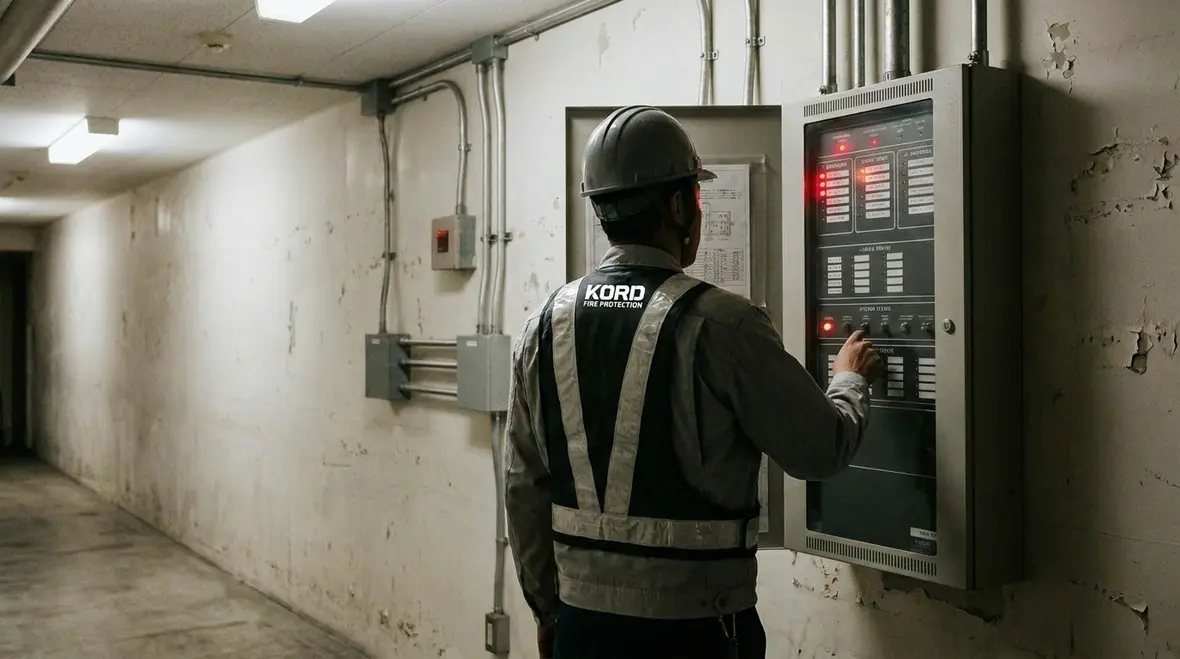
While technicians handle the technical checks, owners can still spot warning signs through patterns. Over time, these signs often point to deeper issues in the suppression system design, installation, or maintenance.
Here are frequent impairment causes that show up during field reviews:
- Power troubles that interrupt control panels, supervisory circuits, or notification devices
- Valve issues such as tamper seals broken, valves left closed, or valves that stick
- Discharged agent, drained piping, or pressure readings out of range
- Faulty detection wiring, loose connections, or damage from renovations
- Expired cylinders or missed testing schedules for gas systems
And yes, sometimes the culprit is simple. Renovations move walls, reroute cables, and change ceiling layouts, then nobody updates the fire protection documentation. It is like redecorating a “no touching” exhibit and hoping the museum shrugs. Usually, the building does not.
Patterns that tend to repeat
A surprising number of impairment calls come from repeatable, preventable habits. Access gets blocked. A device gets painted over. A control valve sits behind stored material that no one wanted to move. Someone resets a panel, the trouble light disappears, and everybody celebrates five minutes too early. The fix is not magic. It is consistency, visibility, and a service routine that does not treat fire protection like background furniture.

How inspections and testing uncover impairments
Testing and inspections act like a diagnostic routine, and they usually follow a clear process. First, the service team reviews the latest reports and verifies the system history. Next, they inspect components, check panel status, and verify correct operation through approved test steps.
During impairment checks, the goal remains the same: confirm that the system can detect, signal, and discharge as required. In addition, teams confirm that supervisory signals and monitoring functions work. When those signals fail, the system may sit in a “protected” state while it actually cannot respond.
For owners, the big takeaway is this: documentation matters. A clean log with consistent dates and results often proves that the building maintains readiness, even when minor issues show up. Conversely, gaps in records make it harder to show compliance, and that can trigger costly follow-ups. Kord Fire Protection also covers this well in its guide to fire suppression inspection tags and documentation, which explains why clear records help everyone move faster and smarter.
Inspection steps that reveal hidden trouble
A proper inspection does more than glance at gauges and move on. It compares what the records say should be there with what is actually in place. That means technicians may verify device condition, panel outputs, circuit continuity, agent readiness, supervisory communication, and overall response sequence. In systems with specialized release hardware, supporting checks like fire suppression system solenoid testing and checks can help catch electrical issues before they graduate into full-blown service calls.

Why impairment changes risk, coverage, and compliance
Fire suppression systems rely on correct timing and correct release. If the system has a suppression impairment, the risk shifts in a direct way. Smoke can spread before the system discharges. Heat can rise faster than expected. Then, the building pays the price.
Compliance adds another layer. Many jurisdictions require timely correction, documented supervision, and clear communication when systems go out of service. Owners need to understand that impairment is not just a technical event. It also affects insurance conversations, tenant safety planning, and the building’s ongoing safety profile.
Impairment type
Low impact
Partial readiness
No effective discharge
Owner impact
Track and schedule repair quickly
Limit exposure and increase watch levels
Notify, restore service fast, and document everything
Even when the building seems safe today, impairment can turn tomorrow into a race. Therefore, owners should treat each impairment as a time-sensitive issue, not a “we will get to it later” task.
The hidden cost of waiting too long
Delay creates a stack of risks. First comes uncertainty about actual protection. Then comes the scramble when an inspector requests records, when a tenant asks what happened, or when insurance wants a cleaner explanation than “we thought it was probably fine.” The smallest trouble signal can become the most expensive procrastination project in the building.
How owners can reduce downtime and restore service faster
When impairment happens, response speed protects people and lowers cost. First, owners should confirm the system status and capture the details: which zone, which component, and what fault messages appear. Next, they should follow any written emergency procedures and notify building staff so they take the right safety actions.
Then, the owner should focus on root cause, not just a temporary reset. Resetting panels without fixing the underlying problem can repeat the failure. It is like wiping a chalkboard and acting surprised when the class still fails the test.
Best-practice steps include:
- Lock down renovation work and require fire protection review before closing ceilings or walls
- Maintain clear access to valves, control panels, and detection devices
- Schedule testing based on manufacturer guidance and local requirements
- Keep spare parts lists for common failures
Finally, owners benefit from a service partner that can act quickly and document work clearly for compliance needs. For systems that depend on agent integrity and measured performance, Kord Fire Protection’s articles on fire suppression system pressure testing for safety and clean agent fire suppression inspection requirements provide extra context on why testing and records should never be treated like optional decorations.

Why Kord Fire Protection can be a vital partner
Kord Fire Protection can support owners with a practical approach to fire suppression impairment issues, helping teams move from alarm events to corrected performance. Because impairments can involve controls, valves, wiring, agent systems, and documentation, the job often requires both technical skill and careful recordkeeping.
When a building calls for service, Kord Fire Protection can help in these ways:
- Rapid fault review to identify what failed and why it failed
- Corrective work that restores readiness and verifies proper operation
- Clear reporting that supports compliance and reduces future confusion
- Maintenance planning that lowers the chance of repeat impairments
Also, Kord Fire Protection fits the real owner need: they want less downtime, fewer surprises, and documentation that reads like a calm, professional story instead of a mystery novel with missing pages. In short, the partnership helps owners protect their property while staying ready for inspections, insurance questions, and tenant expectations.
Near the end of the article, the clearest next step is simple: connect with Kord Fire Protection’s full fire protection services team to schedule inspection, testing, repairs, or broader suppression support. It is a practical move for owners who would rather solve the issue now than star in an unnecessary sequel called “That Trouble Light Again.”
FAQ: quick answers owners ask about system impairment
Final word and next step for owners
Fire suppression system impairments deserve action, not hope. Owners should treat each fault as a readiness issue, confirm impact through proper testing, and restore full performance quickly with clear documentation. If the building has frequent problems, or if records need tightening before an inspection, Kord Fire Protection can become the steady partner that helps reduce downtime and protect coverage.
Schedule a service review through Kord Fire Protection’s full fire protection services soon, and let the system earn back its confidence. After all, prevention is cheaper than a dramatic fire drill that no one asked for.

Join Our Newsletter!
Get the latest fire safety tips delivered straight to your inbox From our Newsletter.



