
Fire Suppression Impairment: What Owners Must Do Next
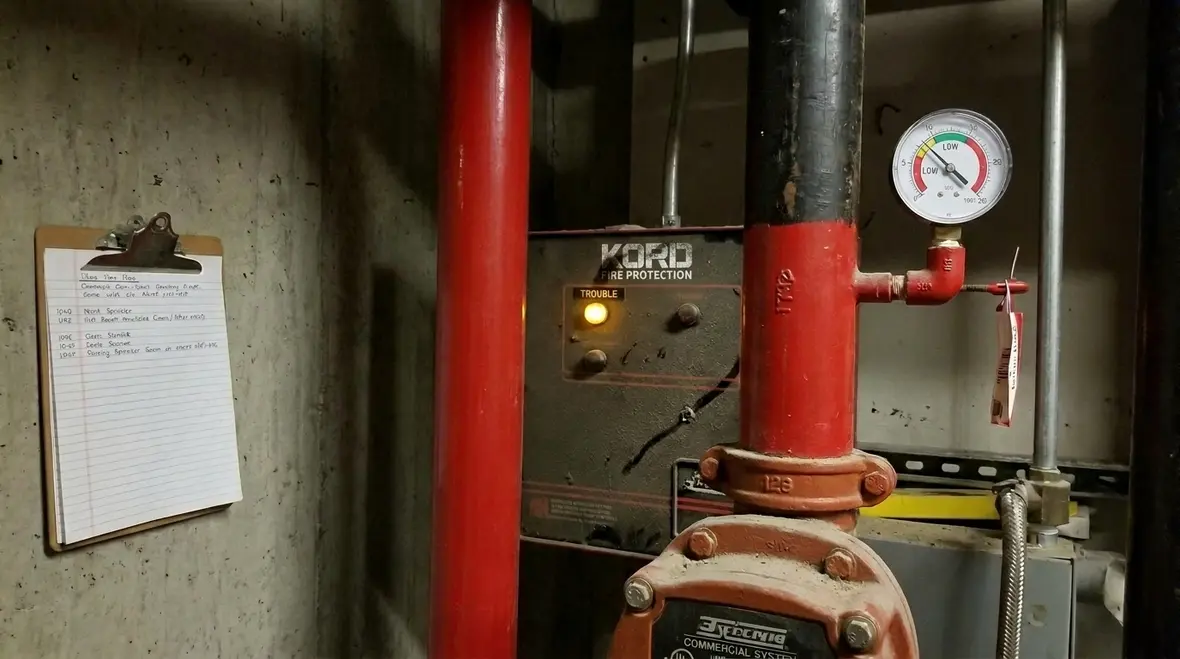
When a fire suppression impairment shows up in a system report, many owners react like it is a minor “paper issue.” Then, later, they remember that fire does not care about schedules, vendors, or excuses. A fire suppression impairment can mean a component will not perform as intended, and in the worst case, it can delay or weaken suppression when seconds matter most.
In this guide, third person perspective keeps the focus on what owners need to know. He or she will learn how impairments happen, how to spot early warning signs, and why a clear plan for correction protects people, property, and budgets. And importantly, Kord Fire Protection’s impairment management approach can become a vital partner for owners who want fewer surprises, better documentation, and faster resolution when systems drift out of spec.
What “fire suppression impairment” means in plain business terms
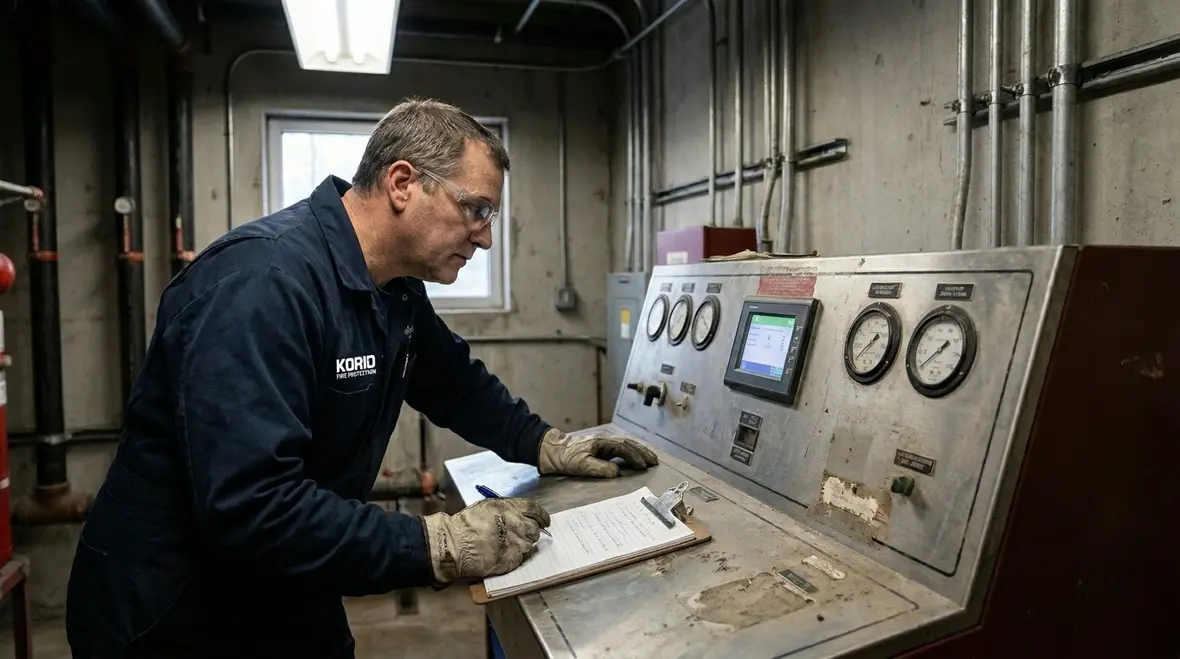
Fire suppression systems sit in the real world, exposed to dust, vibration, missed maintenance, and changes in the building. When inspectors or monitoring panels flag a problem, the system may enter an impaired state. This does not always mean the system is broken beyond repair. However, it does mean the system cannot be relied on at full capability until correction happens.
Common impairment paths include trouble signals, low pressure readings, valve position issues, detector faults, wiring problems, or components that fail functional checks. Additionally, a system can show impairment after a repair, retrofit, or tenant improvement. In other words, change alone can trigger a status shift.
Why the impaired condition changes the risk picture
To keep the owner’s risk clear, the most important point is this: the impaired condition changes the level of protection. Therefore, owners should treat the impairment like a business critical event, not a nice-to-have fix. The building may still look normal, staff may still be moving through the day as if everything is fine, and the panel may only be showing one alert, but the safety margin has already shifted. That is the problem. Risk does not usually send a marching band before it arrives.
For a broader understanding of how these systems are supposed to behave when everything is working correctly, owners can also review this fire sprinkler overview and system guide. It helps frame why even one impaired component deserves real attention.
How impairments happen over time, not all at once
Many impairments build quietly. A small leak becomes a low pressure trend. A slow valve response becomes a failed test. Then, eventually, the monitoring system raises a flag. Meanwhile, staff keep operating like normal because the building still looks fine. That is how most problems sneak in, like a pop-up ad that promises it is only for today.
Typical root causes owners should watch for
- Inspection gaps that let simple failures become complex ones
- Delayed corrective action where the impairment lingers longer than the plan allows
- Unauthorized modifications from contractors who change piping, panels, or access points
- Environmental wear such as corrosion, moisture, or temperature stress
- Human factors like incorrect valve positions during service
Consequently, the best owners do not wait for the annual report. Instead, they monitor trends, verify servicing, and confirm that each test result matches the building’s current condition. That is one reason routine inspection work matters so much. A methodical service process, like the one described in Kord Fire Protection’s wet sprinkler system inspection guide, helps owners catch smaller issues before they become bigger and more expensive ones.
Why owners should care about impairment documentation
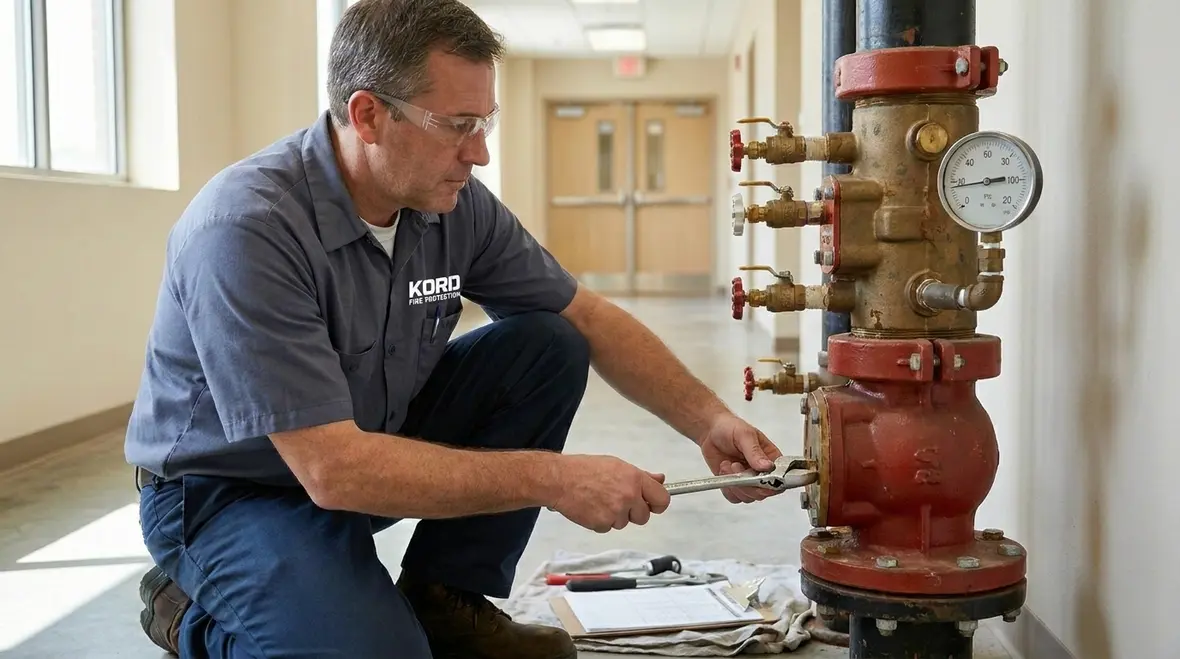
Impairment records do not exist for decoration. They help owners show due diligence, manage insurance conversations, and answer regulator questions. Moreover, strong documentation speeds up repairs because technicians do not have to guess what went wrong.
Owners should expect documentation to include the impairment description, date and time detected, test results, location details, corrective actions taken, and follow up verification. Also, it should show who performed the work and what parts were replaced or adjusted.
Good records make fast decisions easier
In short, clear records turn confusion into a timeline. Without that timeline, the building team plays detective with blurry photos, which is fun for movies but expensive in real life. Better documentation also helps recurring issues stand out faster. If the same valve, zone, pressure issue, or supervision condition keeps showing up, the paperwork starts telling a story long before anyone says the word pattern out loud.
Owners who think in lifecycle terms usually make better decisions here. Kord Fire Protection’s full lifecycle of fire protection article is a helpful reminder that installation, inspection, maintenance, and correction all belong to the same chain. Break one link, and the rest have to work harder.
Immediate steps when the system shows a problem
When the panel indicates a suppression impairment, the team needs a calm response with fast communication. First, the building lead should confirm the impairment details, then notify the responsible parties. Next, they should confirm whether any operational changes are needed based on the hazard in that area.
Then, while corrective work gets scheduled, owners should strengthen temporary protection measures. That might include extra fire watch coverage, restrictions on hot work, or faster evacuation readiness depending on the occupancy risk. These steps do not replace repair, but they reduce exposure during the gap.
What not to do during an impairment
Additionally, owners should avoid a common trap: assuming the issue will clear itself. Many impairment conditions require physical correction or verified adjustments. Therefore, the owner should require the service provider to confirm the cause, not just clear the alert. Silence on a panel is not the same as restored performance. Quiet can be lovely at a library. It is less impressive when it comes from a safety system that still needs help.
How Kord Fire Protection helps owners manage impairment risk
In many buildings, fire suppression maintenance feels like a calendar task. Yet, impairments prove it is a risk management job. That is where Kord Fire Protection can become a vital partner. Instead of treating reports as end points, Kord Fire Protection supports owners with a more proactive approach.
They can help by aligning service plans with actual building conditions, verifying equipment performance, and improving turnaround speed when impairment events show up. Also, they focus on clear reporting so owners understand what changed, why it failed, and what prevents repeat issues. This approach matters because repeated impairments often point to a recurring cause, such as installation wear, consistent valve position errors, or recurring environmental effects.
Furthermore, when owners partner early, they can reduce downtime and uncertainty. In business terms, that means fewer surprises in inspections, fewer emergency calls, and better control of budget planning. Owners looking for broader support across building systems can also review Kord Fire Protection’s full fire protection services to see how suppression work fits into a more complete readiness strategy.
Preventing repeat impairments with smarter maintenance planning
Owners who reduce repeat impairments usually use a simple system: track, verify, and improve. Tracking means recording impairment history and identifying patterns by zone, component type, or season. Verifying means confirming that after repairs, the system performs as required and stays stable over time. Improving means adjusting the maintenance plan and training so technicians and staff avoid the same mistakes.
Practical ways to reduce repeat issues
- Create a maintenance rhythm that matches system design and local risk
- Use functional checks that confirm real operation, not only visual status
- Review recent changes from renovations or tenant work that could affect suppression performance
- Train staff on basics like valve access, reporting, and avoiding accidental interference
- Plan corrective action windows based on hazard level, not best guesses
And yes, sometimes the best prevention is boring consistency. Boring in the way a reliable car is boring. It just starts when it should. Teams that build this kind of rhythm tend to have cleaner reports, fewer last minute scrambles, and much better odds of catching an issue while it is still a small, fixable annoyance instead of a full blown operational headache.
FAQ: fire suppression impairment quick answers
Final thoughts and next step for owners
Fire suppression impairment alerts do not deserve a shrug. Owners should treat them as a risk signal, document the timeline, and drive corrective action with clear verification. When the building team plans maintenance with intention and responds fast, protection improves and inspections get easier. That is the real win. Not just fewer alerts, but more confidence that the system will do its job when the building needs it most.
If this topic hits close to home, Kord Fire Protection’s fire suppression services can help owners manage impairment events with a steady, business focused process and cleaner reporting. Reach out to discuss current system status, close open issues faster, and build a practical plan that helps prevent the next surprise from showing up right on schedule.

Join Our Newsletter!
Get the latest fire safety tips delivered straight to your inbox From our Newsletter.



